Can A Dealership Refuse To Sell You A Car? Essential Truths
Yes, a dealership can usually refuse to sell you a car, provided their refusal isn’t based on illegal discrimination. Dealers have the right to refuse service, but they must follow federal and state consumer protection laws that prohibit bias based on race, religion, or other protected classes defined by the Federal Trade Commission (FTC).
Buying a new car should be an exciting experience, but sometimes the process feels confusing or even frustrating. You might find the perfect vehicle, only to have the sale suddenly stall. A common, unsettling question is: Can a dealership just say “no” when you are ready to hand over the money? It feels unfair, right?
The simple answer is often yes, they can refuse the sale, but there are important rules they must follow. As your trusted automotive guide, I want to clear up the mystery behind these decisions. We will look at the legal reasons a dealer can walk away and the illegal reasons they absolutely cannot.
Understanding your rights and their limits keeps you confident in your purchase. Let’s explore the essential truths about when a dealership can refuse to sell you a car and what you can do next.
Understanding Dealership Sales Rights: The Core Principle
When you walk onto a car lot, you are interacting with what is often a privately owned business. In the United States, most businesses operate under the principle of “freedom of contract.” This means, generally, a private business has the right to choose whom they do business with, even if it seems strange to the customer.
The “Invitation to Treat” vs. The Final Contract
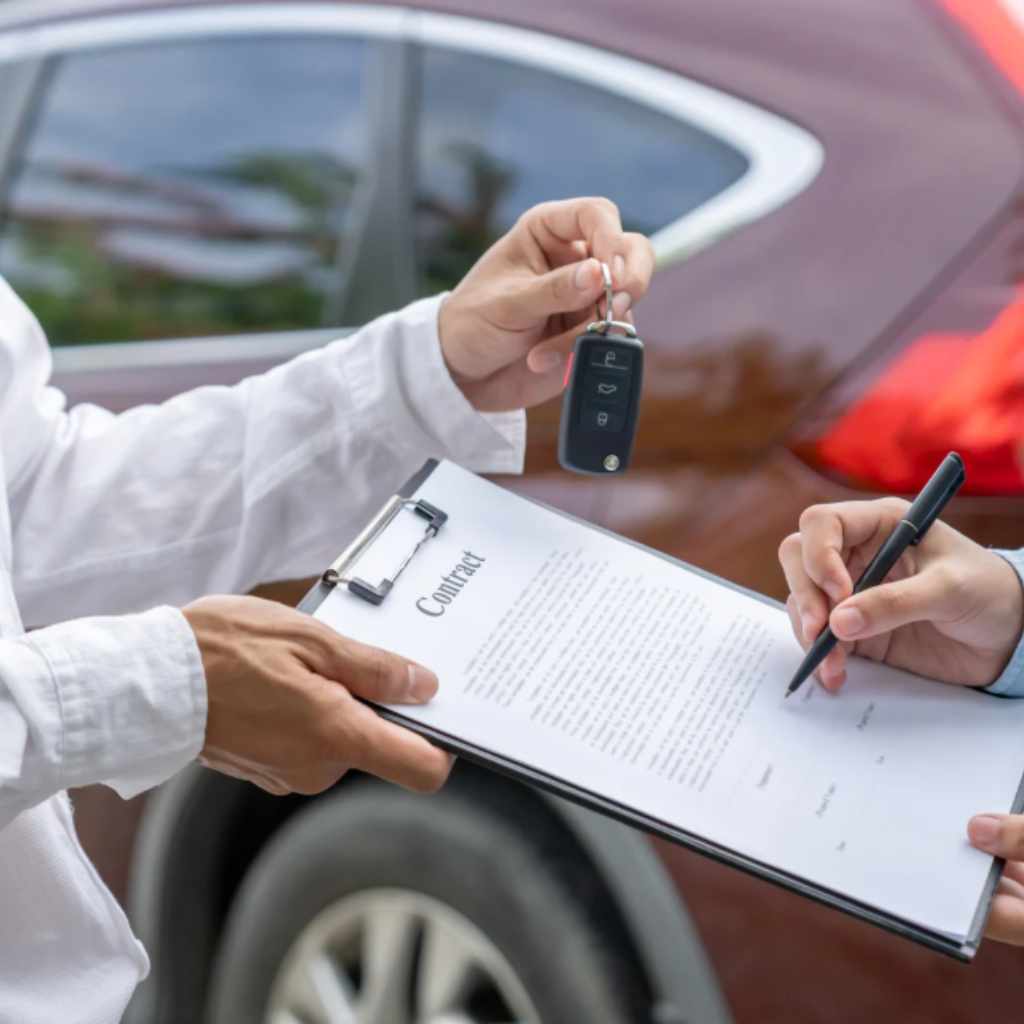
It’s important to know that seeing a car advertised or parked on the lot is usually just an “invitation to treat.” This means the dealership is inviting potential buyers to start negotiations. The dealer is generally not obligated to complete the sale until a final, legally binding contract is signed by both parties.
Think of it this way:
- Advertisement: “We have this car for sale.” (Invitation)
- Negotiation: Discussing price, financing, and terms. (Pre-contract)
- Sales Refusal: The point where the dealer says the deal is off before all paperwork is finalized.

When a Dealership CAN Legally Refuse a Sale
Dealerships have several legitimate, non-discriminatory reasons for walking away from a potential deal. These reasons usually center on risk, faulty information, or internal policy.
1. Financing or Credit Issues
This is one of the most common reasons for a refusal, especially if you planned to finance through the dealership. If the lender denies your credit application, the dealership cannot finalize the sale under those terms.
- Approval Revoked: Sometimes, conditional financing approval is reversed after a final check by the lender.
- Inability to Meet Terms: If you cannot meet the required down payment or trade-in valuation that the contract depends on, the dealer can cancel.
2. Issues with the Vehicle Itself
If the car you agreed to buy suddenly develops a serious mechanical or title issue, the dealer has the right—and often the responsibility—to stop the sale to protect themselves and you.
Examples include:
- A required recall unexpectedly pops up that must be fixed before sale.
- The vehicle is totaled in an accident on the lot before delivery.
- A lien or title issue is discovered during the final preparation phase.
3. Failure to Complete Required Paperwork
Car sales involve mountains of paperwork, including disclosures, financing agreements, and odometer statements. If a buyer refuses to sign necessary documents, the dealer doesn’t have a contract, and thus, they can refuse to hand over the keys.
4. Dealership Policy Violations (Non-Discriminatory)
Dealerships maintain internal policies for safety and business operations. If you violate those policies, they can refuse the sale. For example, if a dealership has a strict policy against selling to individuals with fraudulent documents, they can refuse based on that policy.
Important Note on Out-of-State Sales: Some dealers may refuse to sell a vehicle to an out-of-state buyer if the paperwork or registration requirements become too complex or if they are not licensed to sell in that particular state, though this is less common today.
The Legal Line: When Refusal Becomes Illegal Discrimination
While a dealer has broad rights to refuse a sale, these rights end at federal and state anti-discrimination laws. Refusing to sell a car based on certain customer characteristics is illegal and can result in serious legal consequences for the dealership.
Protected Classes Under Law
The overarching laws protecting consumers apply here. Under federal law, particularly in housing and credit contexts (which often overlap with financing), discrimination based on the following is strictly prohibited. While often discussed regarding housing loans, these principles strongly influence fair business practices across the board:
- Race or Color
- Religion
- National Origin
- Sex (including gender identity and sexual orientation in many states/localities)
- Familial Status
- Disability
If you suspect a dealership refused to sell you a car because you belong to one of these protected groups, you have grounds for complaint. For example, having a certain accent or being of a particular ethnicity should never factor into the decision to sell.
The Truth About “Bait and Switch” Refusals
Sometimes, a dealership advertises a fantastic price to lure customers in, only when the customer arrives, they are told that specific “sale car” is ‘just sold’ or unavailable. While this is frustrating, the practice of Bait and Switch** (where they refuse to sell the advertised car unless you buy a more expensive one) is often regulated under consumer protection laws designed to prevent deceptive advertising.
If the advertisement was clear and the car was available when you arrived, the dealer has a harder time legally claiming they refused the sale for a neutral business reason if they immediately pivot to pressuring you into a pricier model.
Spotting the Difference: Legal vs. Illegal Refusal
Since dealers rarely admit to illegal discrimination, you need to look closely at the circumstances surrounding the refusal. Transparency in their reasoning is key. Here is a comparison to help you determine if the refusal was fair or foul.
| Scenario | Likely Legal Refusal | Potentially Illegal Refusal |
|---|---|---|
| Financing | Lender denies credit application outright. | Dealer makes unreasonable or discriminatory requirements only for certain buyers before the lender is even checked. |
| Vehicle Condition | Safety recall found during final inspection requiring immediate repair. | Dealer claims a minor cosmetic flaw is suddenly disqualifying only for a minority buyer after agreeing on price. |
| Paperwork/Procedure | Customer refuses to sign required disclosure forms. | Dealer refuses to use required state forms or insists on using non-standard, confusing contracts only for one buyer. |
| Customer Behavior | Customer becomes verbally abusive or attempts fraud. | Refusal based on a protected characteristic, even if the customer was polite. |
The Importance of Documentation in Car Sales
When purchasing a vehicle, documentation protects both you and the dealer. For you, the buyer, having proof of what was agreed upon is your shield if a refusal happens.
What You Should Always Document:
- Pricing Quotes: Keep printouts or screenshots of advertised prices or written quotes given by the sales representative.
- Credit Applications: If you applied for credit, know the exact status (approved, denied, pending). If approved, keep the communication showing the approval.
- The “I Agree” Point: Note the exact date and time you verbally agreed on the final purchase price before any final financing checks were run.
If the dealer suddenly changes the terms or refuses the sale after you have met all stated, non-discriminatory conditions, your documentation becomes vital evidence.
Navigating Dealer Financing and the “Spot Delivery” Trap
Many customers fall victim to a situation called “spot delivery” or “yo-yo financing.” This often feels like a completed sale that then gets reversed, leading to a refusal to honor the original deal.
What is Spot Delivery?
Spot delivery happens when the dealership lets you drive the car home before the financing is officially finalized by the lender. They tell you, “Congratulations, you’re approved!”
However, these sales are often conditional. If the lender later reviews the application and denies the loan (perhaps finding discrepancies in your income or history), the dealership must inform you. They then have two choices:
- Secure an alternative lender.
- Demand the car back, effectively refusing to complete the sale under the original agreement.
If they demand the car back, can a dealership refuse to sell you the car under the new financing scenario? Absolutely, if the new terms are also rejected by you, or if no agreement can be reached. The key here is that the original deal dissolves because the condition (financing approval) was not met.
Protecting Yourself from Financing Reversals
To minimize the chance of the dealership refusing the sale after you’ve already taken the car home:
- Be 100% honest on your credit application. Any misrepresentation can void the deal later.
- Ask the finance manager explicitly: “Is this financing 100% approved, or is this conditional pending a final audit?” Get the answer in writing if possible.
- If they insist on letting you take the car before final approval, ask what happens if the deal falls through. Understand that you are legally required to return the vehicle if the financing is officially revoked.
Special Cases: Used Cars vs. New Cars
While the general rules apply, the condition and status of the vehicle can influence a dealership’s right to refuse a sale.
New Car Purchases
New cars generally have clear Manufacturer’s Suggested Retail Prices (MSRPs) and standardized factory warranties. Refusals here are usually tied directly to financing, required add-ons, or unforeseen title/delivery issues.
Used Car Purchases and “As-Is” Sales
Buying used introduces more grey areas regarding warranties. Most used cars are sold “As-Is,” meaning the dealer washes their hands of responsibility for mechanical failures after the sale.
However, even in an “As-Is” sale, the dealer can still refuse the sale before the paperwork is signed if they discover something significant that affects the inherent value or legality of the vehicle. For instance, if they run a Carfax report just before signing and find the car was previously declared a total loss by an insurance company, they can refuse to sell, as their disclosure obligations would become complicated.
Table comparing dealer rights on new vs. used vehicles:
| Factor | New Cars | Used Cars |
|---|---|---|
| Title Clarity | High certainty; clean title usually guaranteed. | Potential for hidden liens or unreported damage history. |
| Warranty Obligations | Full factory warranty documentation required. | Often sold “As-Is”; dealer has less post-sale liability. |
| Refusal Basis | Primarily financing or administrative errors. | Financing, risk discovery (e.g., odometer tampering), or title issues. |
What To Do If You Feel a Dealership Wrongfully Refused You
If you believe the refusal was arbitrary, discriminatory, or a deceptive tactic (like bait-and-switch), remaining calm and professional while documenting everything is your best first step.
Step-by-Step Action Plan After Refusal:
- Ask for the Specific, Written Reason: Do not accept vague answers. Ask the manager, in writing if possible, to state the exact, legitimate, non-discriminatory reason the sale is being cancelled.
- Review Your Documents: Compare their stated reason against the contract discussions and financing status. Did you meet every single requirement they set?
- Check State Consumer Laws: Contact your state’s Attorney General’s office or Bureau of Motor Vehicles (BMV) to review specific regulations governing vehicle sales contracts in your location. Many states have specific rules governing dealer conduct that go beyond federal minimums. You can often find basic consumer protection guides on USA.gov or state websites.
- Consult a Consumer Protection Attorney: If you have clear evidence of illegal discrimination or a clear breach of a signed agreement, seeking legal advice is the best way to proceed.
Remember, the ability to refuse a sale is a business right, but that right is heavily regulated when discrimination or deception is involved. You have rights as a consumer, and knowing them empowers you.

FAQ: Beginner Questions About Dealership Sales Refusals
Q1: If I put down a deposit, does the dealership have to sell me the car?
A: A deposit usually secures your place in line or reserves the car briefly during negotiation, but it generally does not finalize the sale unless the deposit agreement specifically states that it constitutes a binding purchase contract. If the dealer has a legally valid reason to refuse (like financing falling through), they must usually return the deposit.
Q2: Can a dealer refuse my cash offer if they prefer I finance?
A: Yes. Since dealers often make more money on financing arrangements (through holdbacks and interest), they can legally price the vehicle differently based on how you pay. They can choose not to accept a cash offer if their business model prefers financing deals, as long as they aren’t violating consumer protection laws regarding price gouging or discrimination.
Q3: What if the salesperson made a mistake on the price but I already agreed?
A: If you agreed to a price, but the dealer can clearly prove it was a mathematical or typographical error (a bona fide mistake), they often have grounds to refuse the sale until the price is corrected, provided they didn’t intentionally use the mistake to lure you in (bait-and-switch).
Q4: Can a dealership refuse to sell me a car if my trade-in appraisal is low?
A: Yes. If the purchase of the new car is contingent on receiving an acceptable value for your trade-in, and you cannot agree on that value, the prerequisite for the new sale is not met. They can cancel the entire transaction based on the failed trade negotiation.
Q5: If I sign the final papers, can they still refuse to give me the keys?
A: Once all paperwork is signed, all financing is confirmed, and the final payment/trade is secure, the sale is technically complete, and the dealer cannot refuse delivery. If they refuse after this point, they are likely breaching a legally binding contract, and you are in a much stronger legal position.