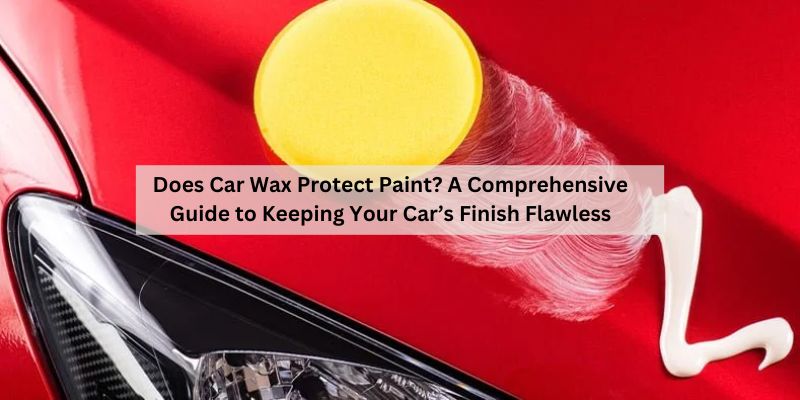
Does Car Wax Protect Paint? (It Won’t Remove Scratches)
Car wax protects paint by forming a thin barrier against UV rays, water, dirt, and light contaminants — but it can’t remove an existing scratch, only mask a very light one temporarily. Skip regular waxing and oxidation from sun exposure can dull a factory finish within a couple of seasons. This guide covers how wax actually protects paint, why it can’t fix real scratches, and how often to reapply each wax type.
Quick Answer
No — car wax does not remove scratches. It fills and optically hides very light surface scratches by smoothing how light reflects off the panel, but it can’t level paint. If you can feel a scratch with a fingernail, you need a polish or rubbing compound first, then wax to protect and finish the repair.
What Is Car Wax and How Does It Work?
Let’s start with the basics. Car wax is a product you apply to your vehicle’s exterior to enhance its shine and protect its paint. It’s usually made from natural waxes, like carnauba, or synthetic polymers that create a protective layer over your car’s surface. Think of it like sunscreen for your car—it shields the paint from harm while making it look good.
When you wax your car, you’re adding a thin barrier between the paint and the outside world. This layer helps repel water, dirt, and other contaminants. It also smooths out tiny imperfections, giving your car that glossy, mirror-like finish. I remember the first time I waxed my old coupe. The paint went from dull to dazzling, and I couldn’t stop admiring it in the driveway. Wax doesn’t just protect—it makes your car feel like a million bucks.
Does Car Wax Protect Your Car’s Paint?
Yes, car wax does protect your car’s paint! It acts like a shield, guarding the paint from environmental damage. Here’s what it protects against:
- UV Rays: The sun’s ultraviolet rays can fade and oxidize paint over time. Wax blocks some of these rays, slowing down the fading process.
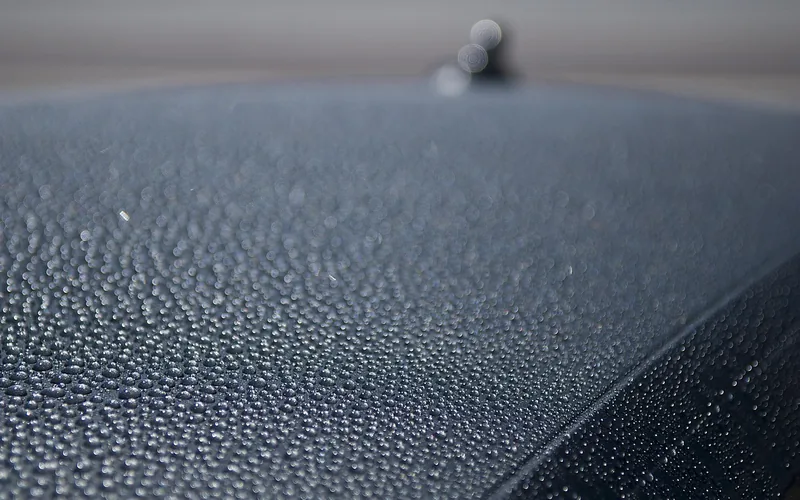
- Water and Moisture: Wax makes water bead up and roll off, reducing the chance of water spots or rust.
- Dirt and Grime: The slick surface created by wax makes it harder for dirt to stick, keeping your car cleaner longer.
- Minor Scratches: Wax can fill in tiny surface scratches, making them less noticeable and preventing further damage.
- Bird Droppings and Tree Sap: These can eat into paint if left too long, but wax makes them easier to clean off before they cause harm.
I learned this firsthand when a bird left a “gift” on my car’s hood. Thanks to a fresh wax job, it wiped off easily without leaving a mark. Without wax, that mess could’ve etched into the paint, costing me a pricey repair.
Will Car Wax Remove Scratches from Your Car’s Paint?
No — car wax will not remove scratches from your car’s paint. Wax fills and optically masks very light surface scratches, but it has no abrasive properties, so it can’t level paint or eliminate a scratch that’s actually cut into the surface.
Whether wax makes any visible difference depends on how deep the scratch is. Hairline swirl marks that only catch the light — often from washing with a dirty rag — can look noticeably better under a coat of wax because it smooths how the surface reflects. A scratch you can catch with a fingernail has gone through the clear coat, and wax alone won’t touch it. That needs an abrasive polish or rubbing compound to physically level the surrounding paint first, before wax has anything to protect.
| Product | What It Does to a Scratch | Best For |
|---|---|---|
| Car Wax | Fills and optically hides very light scratches — does not remove them | Protecting paint, adding shine, hiding faint hairline swirls |
| Polish | Mild abrasives level out light-to-moderate scratches and swirl marks | Scratches you can see but can’t feel with a fingernail |
| Rubbing Compound | Heavier abrasive that cuts down deeper clear-coat scratches | Deeper scratches, oxidized or heavily swirled paint |
| Wet Sanding (Pro) | Sands the scratch level, then re-buffs the clear coat | Scratches you can catch with a fingernail |
For step-by-step instructions on the right grit and compound for each scratch depth, see our full guide on how to get rid of scratches on your car.
📊 Traditional car wax typically needs reapplying every 6 to 8 weeks to keep UV and water protection active, while professional ceramic coatings can last 2 to 5 years — but neither one removes an existing scratch. Source: Turtle Wax (official)
“I used to think a heavy coat of wax would smooth out the swirl marks on my black sedan. It didn’t — the marks were still visible in direct sun until I ran a polish over the panel first, then waxed over it. Wax finishes the job; it doesn’t start it.”
Types of Car Wax and Their Benefits
Not all car waxes are the same. Over the years, I’ve tried different types, each with its own strengths. Here’s a breakdown of the main types:
| Type of Wax | Description | Best For |
|---|---|---|
| Carnauba Wax | Polymer-based, long-lasting, easy to apply. | Show cars, enthusiasts seeking a warm glow |
| Synthetic Wax | Polymer-based, long-lasting, easy to apply. | Daily drivers wanting longer protection between waxings |
| Spray Wax | Quick to apply, less durable, great for touch-ups. | Busy owners, quick shine boosts |
| Ceramic Wax | Advanced formula with ceramic particles, super durable. | Long-term protection, high-end finishes |
Carnauba wax is my go-to for special occasions because it gives a rich, wet look. Synthetic waxes, like sealants, are great for daily drivers since they last longer, sometimes up to 6 months. Spray waxes are perfect when I’m short on time, and ceramic waxes are the new kid on the block, offering insane durability but at a higher cost. When I tried a ceramic wax on my SUV, it stayed glossy through months of rain and road grime, which blew my mind.
Best Car Wax Pick
Meguiar’s Gold Class Carnauba Plus Premium Paste Wax
A classic carnauba paste wax that gives the deep, warm wet-look shine the article recommends for special-occasion detailing.
- Best for: Show-quality shine on a budget
- Why we picked it: Real carnauba blend, easy to apply by hand, well-known brand
- Main drawback: Shorter durability than a synthetic or ceramic wax (1–3 months)
Compare more car wax options
 Synthetic Sealant Meguiar’s Professional Synthetic Sealant 2.0
|
 Spray Wax Meguiar’s Quik Wax Spray
|
 Ceramic Wax Turtle Wax Hybrid Solutions Ceramic Graphene Paste Wax
|
As an Amazon Associate we earn from qualifying purchases.
How Car Wax Protects Against Environmental Damage
Your car’s paint faces a lot of enemies out there. Sun, rain, road salt, and even bugs can take a toll. Car wax creates a sacrificial layer that takes the hit instead of your paint. For example, UV rays can break down the chemicals in your car’s clear coat, causing it to fade or peel. Wax absorbs some of that damage, extending the life of your paint.
In areas with harsh winters, like where I live, road salt is a paint killer. Wax helps repel salt and prevents it from sticking to your car’s surface. I’ve also noticed that waxed cars are easier to clean after driving through muddy or dusty roads. The dirt just slides off with a quick rinse, saving me time and effort.
How Often Should You Wax Your Car?
How often you wax depends on a few things: your climate, driving habits, and the type of wax you use. As a general rule, I wax my car every 2 to 3 months to keep it protected. If you live in a sunny state like California or Arizona, you might need to wax every 6 to 8 weeks to combat UV damage. In milder climates, every 3 to 4 months might be enough.
Synthetic waxes and ceramic waxes last longer than carnauba, so you might stretch it to 4 to 6 months with those. I learned this when I switched to a synthetic wax for my daily driver—it saved me from waxing every month, which was a game-changer for my busy schedule. A quick way to check if your car needs waxing is the water bead test: if water stops beading up and just sits flat, it’s time for a fresh coat.
The Waxing Process: Step-by-Step
Waxing your car is easier than it sounds, and it’s super satisfying. Here’s how I do it:
- Wash the Car: Start with a clean car. Use a car-specific soap to remove dirt and grime. I always rinse twice to make sure there’s no residue.
- Dry Thoroughly: Use microfiber towels or a blower to dry the car completely. Any water left behind can cause streaks.
- Clay Bar (Optional): For extra smoothness, use a clay bar to remove contaminants wax can’t handle. This step made my car’s paint feel like glass.
- Apply Wax: Use a foam applicator pad to apply a thin layer of wax in small, circular motions. Work in small sections to avoid drying out.
- Let It Haze: Wait a few minutes for the wax to dry to a hazy finish. Check the product instructions for exact timing.
- Buff Off: Use a clean microfiber towel to buff the wax to a shine. Flip the towel often to avoid smearing.
- Inspect: Check for missed spots and reapply if needed.
The first time I waxed my car, I was nervous about doing it wrong. But once I got the hang of it, it became a relaxing weekend ritual. It takes about an hour, and the results are worth every minute.
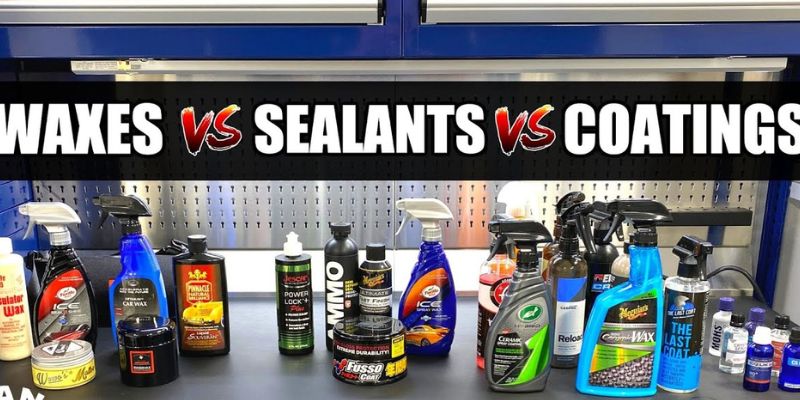
Wax vs. Sealants vs. Ceramic Coatings
You might hear about sealants and ceramic coatings and wonder how they compare to wax. Here’s the scoop:
- Wax: Offers great shine and decent protection for 1 to 3 months. It’s affordable and easy to apply, but needs frequent reapplication.
- Sealants: Synthetic products that last longer (4 to 6 months) and provide strong protection. They’re less “warm” in shine but super durable.
- Ceramic Coatings: Professional-grade coatings that can last years. They’re expensive and harder to apply, but offer unmatched protection.
I tried a ceramic coating on my wife’s car, and while it was pricey, the paint still looks brand new after two years. For most folks, though, wax or sealants are more practical and budget-friendly. It’s like choosing between a quick sunscreen spritz or a full-body SPF suit—both protect, but one’s easier to manage.
Common Mistakes to Avoid When Waxing
I’ve made my share of waxing blunders over the years. Here are some mistakes to steer clear of:
- Waxing a Dirty Car: Always wash first. Waxing over dirt can scratch the paint.
- Using Too Much Wax: A little goes a long way. Too much wax is hard to buff off and wastes product.
- Waxing in Direct Sun: Heat can make wax dry too fast, leaving streaks. I wax in the shade or early morning for best results.
- Using Old Towels: Rough or dirty towels can scratch the paint. Stick to microfiber towels.
- Skipping Regular Waxing: If you wait too long, your paint is exposed to damage. Stick to a schedule.
I once waxed my car in the blazing sun and ended up with a streaky mess. Lesson learned: find a shady spot and take your time.
Does Waxing Prevent All Paint Damage?
While car wax is awesome, it’s not a miracle worker. It can’t stop deep scratches, rock chips, or major damage from accidents. It’s also not permanent—regular reapplication is key to maintaining protection. If your car’s paint is already faded or damaged, wax can help improve its look, but won’t fully restore it. For serious paint issues, you might need professional detailing or repainting.
I had a friend who thought waxing would fix deep scratches on his truck. We ended up taking it to a detailer for polishing, which worked wonders, but wax alone wasn’t enough. Think of wax as prevention, not a cure.
How to Choose the Right Car Wax
Picking the right wax can feel overwhelming with so many options. Here’s what I consider:
- Your Goals: Want a deep shine? Go for carnauba. Need long-lasting protection? Try a synthetic or ceramic wax.
- Budget: Carnauba waxes cost $10 to $50, while ceramic waxes can run $50 to $100. Sealants are usually $20 to $40.
- Ease of Use: Spray waxes are easiest, while pastes take more effort but give great results.
- Climate: In hot, sunny areas, choose a wax with strong UV protection. In rainy regions, look for water-repellent formulas.
When I was new to waxing, I started with a budget-friendly spray wax. It was easy to use and gave me confidence to try more advanced products like carnauba paste. Brands like Meguiar’s, Turtle Wax, and Chemical Guys are solid choices for beginners and pros alike. For a full rundown of tested picks across every budget, see our guide to the best car waxes for protection.
The Cost of Waxing Your Car
Waxing your car is one of the most cost-effective ways to protect its paint. A good wax product costs $10 to $100, depending on the type and brand. If you do it yourself, you’ll also need microfiber towels ($10-$20 for a pack) and an applicator pad ($5-$10). Professional detailing can cost $50 to $200, depending on your location and the service.
I usually spend about $30 on wax and supplies for a few applications, which is a steal compared to professional jobs. Plus, waxing yourself is satisfying and saves money over time.
Waxing Tips for Different Car Colors
Different car colors show wear and imperfections differently, so your waxing approach might vary:
- Dark Colors (Black, Navy): Show scratches and swirl marks easily. Use a polish before waxing to remove imperfections, and choose a carnauba wax for a deep shine.
- Light Colors (White, Silver): Hide scratches better but show dirt. A synthetic wax with strong cleaning properties works well.
- Metallic or Pearl Finishes: These need a wax that enhances their sparkle. Ceramic waxes are great for boosting reflective qualities.
My black sedan is a magnet for swirl marks, so I always polish it before waxing. It takes extra time, but the mirror-like finish is worth it.
Maintaining Your Car’s Paint Between Waxings
Waxing is just one part of paint care. Here’s what I do to keep my car’s finish looking great between wax jobs:
- Wash Regularly: Use a pH-balanced car soap to avoid stripping wax. I wash every 1-2 weeks to keep dirt at bay.
- Use Quick Detailers: These sprays boost shine and add a light protective layer between waxings.
- Park Smart: Avoid parking under trees (sap alert!) or in direct sun for too long.
- Clean Contaminants ASAP: Remove bird droppings, bugs, or tree sap immediately to prevent paint damage.
I once let tree sap sit on my car for a week, and it took serious elbow grease to remove it without damaging the paint. Now, I keep a quick detailer in my trunk for emergencies.
The Environmental Benefits of Waxing
Waxing isn’t just good for your car—it’s good for the planet too. A waxed car is easier to clean, which means you use less water and soap. Some eco-friendly waxes are biodegradable, reducing your environmental footprint. Plus, by protecting your paint, you’re less likely to need repainting, which involves harsh chemicals.
I switched to an eco-friendly wax a few years ago, and I love knowing I’m doing my part while keeping my car shiny. It’s a small change that adds up.
The Future of Car Paint Protection
Car wax technology is evolving fast. Ceramic coatings are gaining popularity for their long-lasting protection, and some companies are developing graphene-based waxes that promise even better durability. Self-healing paint, which repairs minor scratches with heat, is also becoming more common in high-end cars.
I’m excited to see where this goes. Imagine a wax that lasts a year or a coating that fixes scratches on its own! For now, traditional waxing is still a reliable, affordable way to protect your car’s paint.
Conclusion
Well, there you have it—everything you need to know about whether car wax protects paint. From shielding your car against sun, rain, and grime to giving it that head-turning shine, wax is a must-have for any car owner. I’ve seen firsthand how a good wax job can transform a car’s appearance and extend the life of its paint. Whether you’re a weekend detailer like me or just want to keep your daily driver looking sharp, waxing is an easy, affordable way to show your car some love.
Thanks for joining me on this deep dive into car wax. I hope you’re as excited as I am to grab a wax applicator and get to work. Here’s to keeping your car’s paint flawless and turning heads wherever you go. Happy waxing, and drive safe!
Frequently Asked Questions
Does car wax protect paint from scratches?
Car wax can fill in minor surface scratches and prevent new ones by creating a slick barrier. It won’t stop deep scratches or rock chips, though.
How long does car wax last?
It depends on the wax type and conditions. Carnauba wax lasts 1-2 months, synthetic wax lasts 4-6 months, and ceramic wax can last up to a year.
Can I wax my car too often?
Waxing too often won’t hurt, but it’s usually unnecessary. Every 2-3 months is enough for most cars, unless you notice water no longer beads up.
Do I need to wax a brand-new car?
Yes, even new cars benefit from waxing. It adds extra protection to the factory paint and keeps it looking fresh longer.
Is professional waxing better than doing it myself?
Professional waxing can give great results, but DIY waxing is just as effective if done right. It’s also cheaper and can be a fun project.
Can car wax protect against bird droppings?
Yes, wax makes bird droppings easier to clean off before they etch into the paint. Act quickly to avoid damage, though.
What’s the difference between wax and polish?
Polish removes minor scratches and imperfections, while wax adds a protective layer and shine. Use polish first, then wax for best results.
Will Car Wax Remove Small Scratches from Car Paint?
No. Car wax cannot remove scratches — it only fills and optically hides very light surface scratches by smoothing how light reflects off the panel. If you can feel the scratch with a fingernail, or it doesn’t fade after washing, you need an abrasive polish or rubbing compound first, then wax to protect and finish the repair.
Products related to this article
Sponsored / affiliate links. As an Amazon Associate I earn from qualifying purchases. I may earn additional commission from eligible campaigns.