Auto Service Meaning: Definition and Scope Explained
Auto service means scheduled maintenance and inspection work on a vehicle, often including oil, filters, fluids, brakes, tires, and safety checks. It does not automatically include repairs. Miss that scope, and you can approve surprise charges or skip needed work. This guide explains what auto service usually covers, what is often excluded, and how to check a quote or invoice before you say yes.
What does auto service mean?
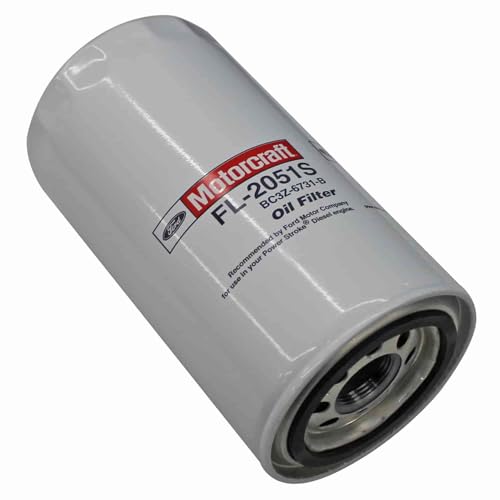


Auto service is planned work a shop performs to help keep a vehicle operating as intended, often at mileage or time intervals named in the owner’s manual. In plain terms, it starts with maintenance and inspection. Repair work comes in only when a problem appears or the customer approves it separately.
Shops and owner manuals use the term differently. A “service” at one place may mean a basic oil change and safety check, while another place uses it for a larger scheduled package with filters, fluid checks, and a tire rotation. That is why the word alone is not enough.
How the term is used in repair shops and owner manuals
Owner manuals usually tie service to a maintenance schedule. Shops may tie it to a menu package. Both are valid, but they do not always match line for line. The safest reading is simple: ask what labor, parts, fluids, inspections, and resets are included before you approve the job.
For example, a higher-mileage service on a compact SUV may include oil, a cabin filter, tire rotation, and a multi-point inspection. One shop may list oil, cabin filter, tire rotation, and a multi-point inspection. Another may add brake fluid testing, engine air filter replacement, and spark plugs. The label is the same. The scope is not.
What is usually included in a car service?
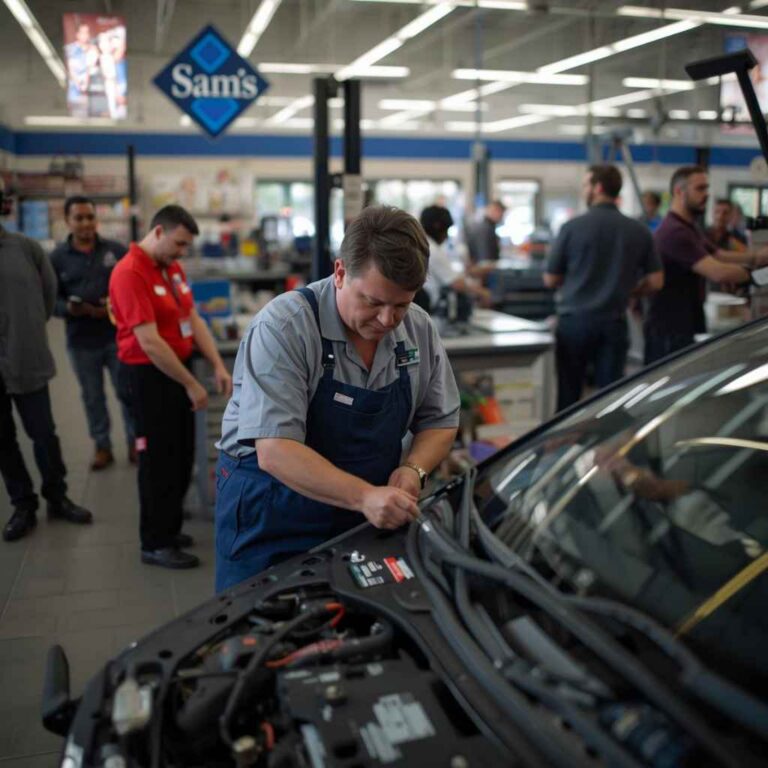
A standard car service usually includes a maintenance set and a visual inspection set. That often means oil and filter replacement, fluid level checks, a tire check or rotation, and a look at visible wear items such as brakes, belts, hoses, battery condition, and exterior lights. The exact mix depends on the vehicle and package.
Inspection checklist
- Brakes: pad thickness, rotor condition, fluid condition, and obvious leaks
- Tires: tread depth, uneven wear, pressure, and visible damage
- Fluids: engine oil, coolant, brake fluid, transmission fluid, washer fluid
- Belts and hoses: cracks, glazing, swelling, and looseness
- Battery: state of charge, corrosion, and terminal condition
- Lights: headlamps, brake lamps, turn signals, and plate lights
Routine maintenance items
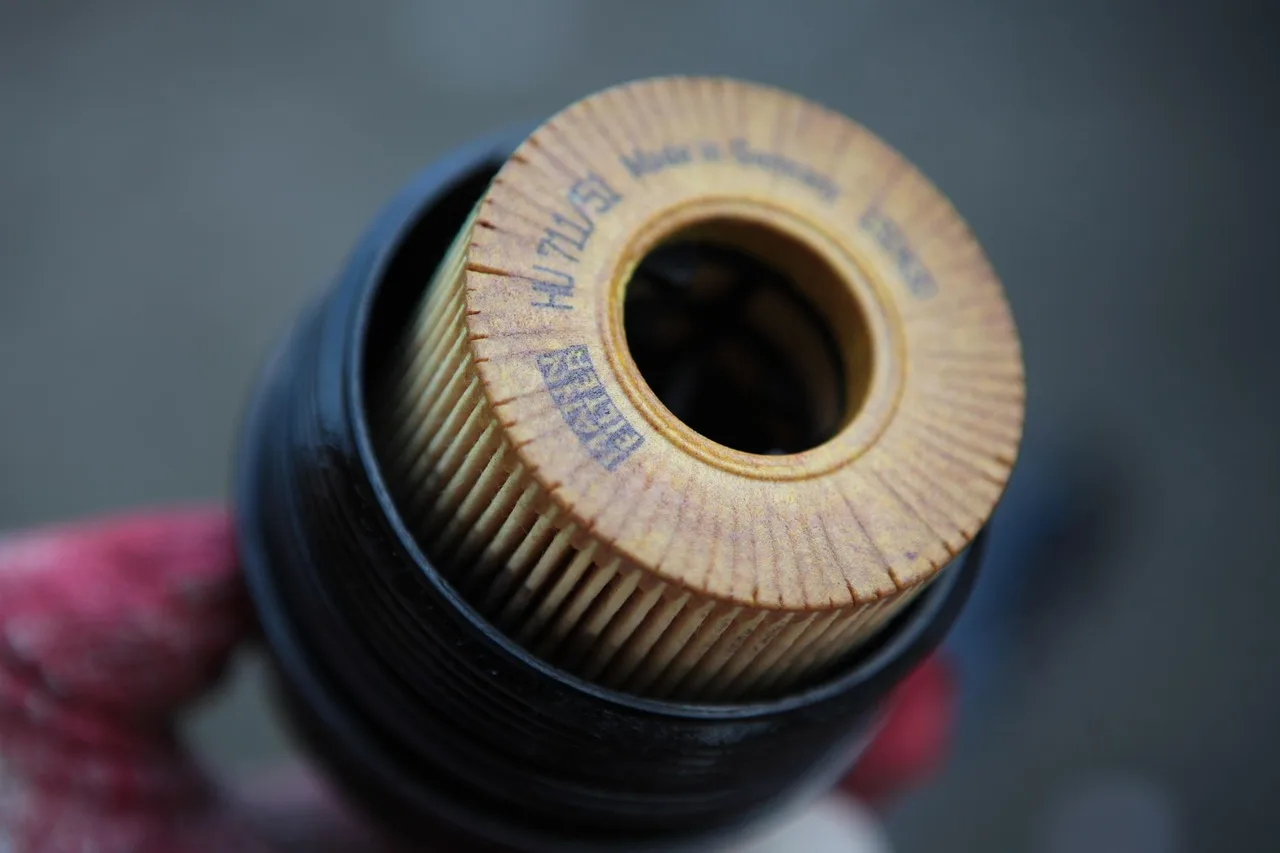
Common routine items are oil changes, filter replacement, fluid top-offs, and service reminders or maintenance light resets. Some packages also include tire rotation, cabin air filters, engine air filters, and a quick road test. If a shop says these are included, they should appear on the estimate or work order.
When a diagnostic scan is included and when it is extra
A diagnostic scan is not always part of a basic service. A shop may include an OBD-II scan if a warning light is on, if the service package explicitly includes it, or if the customer authorizes diagnosis. If the check-engine light is off and no symptom is present, scan time is often billed separately.
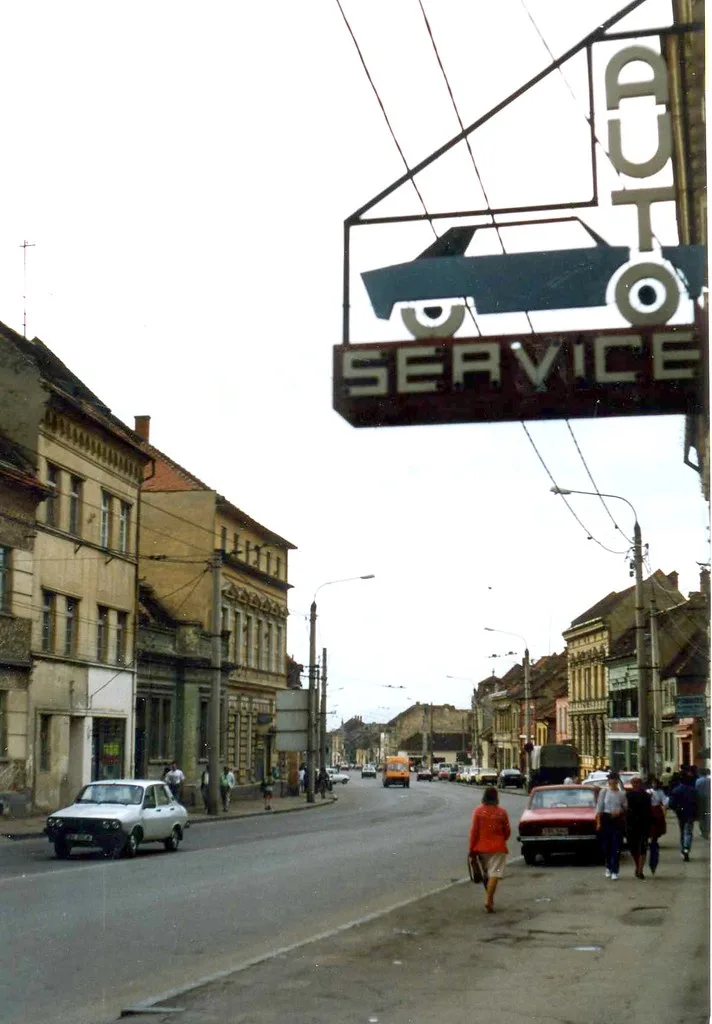
How does service differ from repair and diagnosis?
Maintenance prevents predictable wear, diagnosis identifies the cause of a symptom, and repair fixes the failed part. Those are different jobs with different labor and cost structures. A service visit can start as maintenance, then shift into diagnosis if a warning light, leak, noise, or worn component appears during inspection.
Warning lights, OBD-II scans, and fault-code checks
A warning light signals that the vehicle’s computer has detected a fault or condition that needs attention. An OBD-II scan reads stored codes and live data, but a code is not a repair by itself. It is a lead. The actual fix may require testing, parts inspection, or a separate repair estimate.
Why a service visit can turn into a repair estimate
Suppose a sedan comes in for an oil change and a tech finds brake pads near the wear limit and a leaking valve cover gasket. That is no longer just service. The shop should separate the maintenance task from the repair recommendation and ask for approval before replacing parts or adding labor.
What does scope of service mean on an estimate?
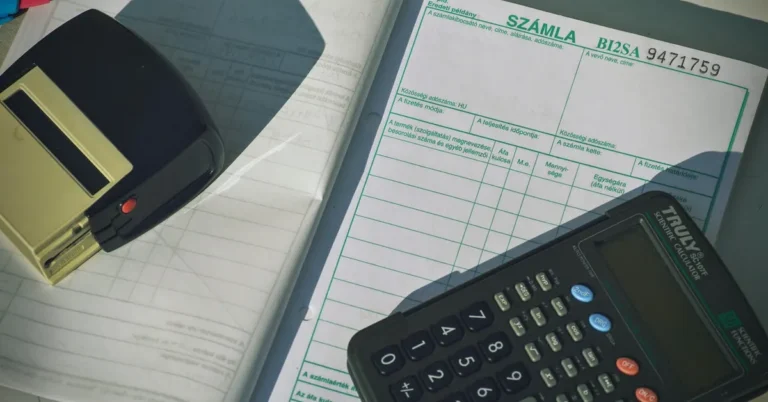
Scope of service means the exact work a shop says it will do, and just as important, what it will not do unless you authorize it. On an estimate, work order, or invoice, scope covers labor, parts, diagnostics, and any shop fees tied to the job. It is the boundary of approved work.
What is included, what is excluded, and what is optional
Included items should be written clearly: oil quantity, filter part number, rotation, inspection, reset, or scan. Excluded items should also be stated: extra fluids, flushes, worn part replacement, or deep troubleshooting. Optional items sit outside the base package and should require a separate yes before work starts.
Labor, parts, diagnostics, and shop fees
Labor is the time charged to perform the work, often at an hourly rate or a book-time rate. Parts are the physical items installed. Diagnostics is the time spent finding the cause of a problem. Shop fees may cover supplies or disposal, but they should be disclosed, not hidden.
Written authorization before extra work begins
Before any added work starts, the customer should receive a revised estimate or clear authorization request. That matters when a service uncovers worn pads, a stripped drain plug, or a failed battery. Without written approval, the invoice can drift past the original scope very quickly.
How do maintenance schedules set service intervals?
Maintenance schedules can set service intervals by mileage, time, or both. The owner’s manual is the first source, because the right interval depends on the engine, transmission, usage pattern, and model year. A generic chart can help, but it should not replace the manufacturer’s schedule for your vehicle.
Time-based and mileage-based intervals
Many manufacturers list service by whichever comes first, with shorter intervals for some items and longer intervals for others. Some vehicles need more frequent oil changes; others stretch farther with synthetic oil. Time matters because fluids age even when mileage stays low.
Why 5,000- and 10,000-mile service intervals may differ by vehicle
A turbocharged engine, a truck that tows, or a vehicle used in dusty stop-and-go traffic may need shorter intervals than a commuter sedan. EVs change the picture again: they often skip oil changes but still need tire, brake, coolant, cabin filter, and software-related checks according to the schedule.
Severe-duty, high-mileage, EV, and hybrid adjustments
Severe-duty use usually means towing, short trips, hot or cold extremes, heavy loads, or lots of idling. High-mileage vehicles may need closer attention to hoses, seals, suspension wear, and fluid condition. Hybrids and EVs can have fewer fluid tasks, but they are not service-free; brakes, tires, and battery cooling still matter.
What does an in-scope vehicle mean?
An in-scope vehicle is one that qualifies for a service plan, policy, or shop offer under its written rules. Eligibility usually depends on make, model, year, mileage, condition, and how the vehicle is used. If the vehicle falls outside those rules, the service may be denied or priced differently.
Coverage rules for service plans and policies
Service plans often limit coverage to specific passenger vehicles, exclude salvage or rebuilt titles, and require the vehicle to be mechanically eligible at enrollment. Mileage caps and age limits are common. If the policy says “in-scope vehicle,” that language usually points to those eligibility boundaries.
Make, model, year, mileage, and use limits
A plan may cover only private passenger cars and light trucks up to a certain mileage, or only certain model years. Commercial use, rideshare use, delivery work, and heavy towing can trigger exclusions or tighter maintenance rules. Always check whether the vehicle’s actual use matches the policy language.
Personal-use versus commercial-use exclusions
Many service contracts and maintenance programs treat commercial use differently because wear happens faster. A personal commuter that drives 12,000 miles a year is not the same risk profile as a courier van. If the paperwork says commercial use is excluded, that should be treated as a real limit, not a footnote.
Service scope decoder: how to read a quote or invoice

Use the line items, not the marketing name, to judge what a service covers. A quote may look complete while leaving out diagnostics, fluid flushes, or hardware replacement. This decoder maps common invoice terms to what they usually mean, what is often included, and what to ask before approving the work.
| Line item | What it usually means | Usually included | Often extra | Questions to ask |
|---|---|---|---|---|
| Basic service | Scheduled maintenance package | Oil, filter, fluid checks, visual inspection | Tire rotation, cabin filter, resets | Which fluids? Which filters? Is rotation included? |
| Labor | Time charged to perform work | Stated operation in the estimate | Extra time for rust, seized parts, access issues | Is this book time or actual time? |
| Parts | Installed components and consumables | Listed parts named on the work order | Shop-supplied hardware, fluids, shop materials | Are all parts OEM, OE-equivalent, or aftermarket? |
| Diagnostic scan | Reading codes and data for a symptom | Basic code reading if included in the package | Pinpoint testing, deeper diagnostics, software checks | Is this a code read or full diagnosis? |
| Shop fee | Disposal, supplies, or equipment use | Sometimes listed as a fixed charge | Separate environmental or hazardous waste fees | What does the fee cover? |
| Bundle or package | Several services sold together | Named maintenance tasks in the bundle | Add-on inspections, flushes, and repairs | What is excluded from the package price? |
Dealer and independent shop context matters here, but not because one is always better. Dealers often align closely with the manufacturer schedule and may have model-specific tools or software access. Independent shops may price labor differently or offer a different package structure. In both cases, the written scope is what counts.
Questions to ask before you approve added work
- What exactly is included in the quoted service?
- What is excluded from the base price?
- Is diagnosis included, or billed separately?
- Are parts, labor, and shop fees all listed?
- Will you call before any extra repair or flush is added?
- Does this quote match the maintenance schedule in the owner’s manual?
A common first-timer mistake is approving a “full service” without asking whether it includes only maintenance or also repair authorization. The phrase sounds complete, but it may leave out the battery test, brake fluid service, or the scan fee needed to read a warning light. Specific questions prevent that gap.
Frequently asked questions
What is auto service?
Auto service is the planned maintenance and inspection work used to keep a vehicle operating properly. It often includes oil changes, filters, fluid checks, tire checks, and safety inspections. It does not automatically include repairs or deeper diagnosis unless the estimate says so.
What does a car service mean?
A car service usually means a scheduled maintenance visit tied to mileage or time. The exact package can vary by shop and vehicle, but it generally centers on routine upkeep rather than fixing broken parts. Always read the line items instead of relying on the label alone.
What does a vehicle service entail?
A vehicle service typically entails an inspection of brakes, tires, fluids, belts, hoses, battery, and lights, plus routine maintenance such as oil and filter replacement. Some services also include reset procedures or a tire rotation. Diagnostics and repair work are separate unless clearly listed.
What does scope of service mean?
Scope of service means the exact work included in the approved job, along with what is excluded and what would cost extra. In auto repair, that should appear on the estimate or work order so you can see the boundary between maintenance, diagnostics, and repair before you authorize anything.
What is a service on a car?
A service on a car is a scheduled maintenance visit, often based on the owner’s manual. It commonly includes fluid checks, filter replacement, and a safety inspection. It may also include a diagnostic scan if the package states that it does, but that is not automatic.
What is an in-scope vehicle?
An in-scope vehicle is a vehicle that fits the written eligibility rules for a service plan, warranty, or policy. Those rules often cover make, model, year, mileage, and use type. If the car is over the limit or used commercially, it may be out of scope.
Products related to this article
Sponsored / affiliate links. As an Amazon Associate I earn from qualifying purchases. I may earn additional commission from eligible campaigns.