Are Auto Repair Shops Worth Your Trust? 7 Checks to Use
Yes—many auto repair shops are trustworthy if they pass 7 checks: written estimate, parts disclosure, warranty terms, old-parts return, diagnosis first, clear communication, and no pressure to approve repairs on the spot. Miss those signs and you can face surprise charges, unnecessary repairs, or a safety issue that stays buried. This guide gives you a before-during-after checklist for judging dealerships, independents, and chains.
Are auto repair shops worth your trust?
They can be, but trust in a repair setting is earned through process, not reputation alone. You want a shop that names the fault clearly, prices the job in writing, uses the right parts, and stands behind the work if the fix does not hold.
What trust means in a repair context
Trust means a shop tells you what it found, what it can prove, and what it cannot. It also means the shop keeps diagnosis separate from repair approval, so you are not pushed into a costly decision before you understand the problem.
That matters because out-of-pocket repairs differ from routine maintenance. An oil change, filter replacement, wiper blade swap, or tire rotation is planned service. A failed alternator, leaking radiator, or broken sensor is an unexpected repair, and the room for error is wider.
The basic trade-off: price, honesty, and quality
A low quote is not enough if the shop is vague about parts or labor. A high quote is not automatically a scam if it includes correct diagnostics, quality parts, and a written warranty. The useful question is whether the estimate is clear enough for you to compare.
| Shop type | Typical strengths | Common limits | Best use case |
|---|---|---|---|
| Dealership service department | Brand-specific procedures, factory training, useful for warranty-covered work | Often higher prices; customer satisfaction varies by brand | Newer cars, brand-specific systems, warranty work |
| Independent repair shop | High overall satisfaction, strong price ratings, broad repair capability | Quality varies by shop; credentials and communication still matter | Most repairs on older cars and everyday vehicles |
| Chain repair shop | Convenient locations, standardized processes, fast turnaround | Quality and price can vary; some are better for routine service than complex diagnosis | Basic maintenance, simple repairs, convenience-first visits |
📊 Consumer Reports surveyed 10,973 members about 11,670 repairs. Source: Car Owners Favor Independent Repair Shops.
Shop types side by side: dealership, independent, and chain

The right choice depends on the car, the repair, and the paperwork you get. Consumer Reports says members preferred independent repair shops over dealerships, and independent shops received higher marks across the board than any other category in that survey.
Dealership service departments: where they tend to fit best
Dealerships are a mixed bag. Some brand service departments rate very well, especially Acura, Lexus, Mazda, and Volvo, while Jeep and Kia dealerships received below-average ratings. Dealers can be the best fit for brand-specific software, recall-related service, or warranty-covered work, but they are often pricier.
About 80 percent of drivers with a 2023 model-year car went to the dealership for repairs, while only 18 percent of drivers with a model-year 2000 car did. That split makes sense: newer cars are more likely to be under warranty and tied to brand-specific diagnostics. (consumerreports.org)
Independent shops: why they often rate well on value
Independent shops often score well because they can compete on price, explanation, and flexibility. Consumer Reports found that independents received higher marks across the board, including for price, which matters when the repair is out of pocket and the car is no longer tied to the dealer network.
Suppose a 12-year-old sedan needs brake work and a wheel-speed sensor. A strong independent shop can often handle both, explain the labor separately, and avoid dealership markup if the car does not need brand-only tools.
Chains and quick-lube outlets: where they fit, and where they do not
Chains can be fine for convenience and simple maintenance, but they are not a full answer for every repair. Consumer Reports’ data included 36 auto repair chains, and Goodyear Auto Service was the only chain mentioned as top-scoring in overall satisfaction. That does not make every chain equal.
Quick-lube outlets are useful for oil changes and some basic maintenance, but they are limited for diagnosis, electrical faults, drivability issues, or anything that depends on deeper inspection. A fast oil change is not the same thing as a competent repair plan.
What the survey data says about satisfaction and repair outcomes
The survey points to a clear pattern: drivers trust shops more when they explain costs well and fix the problem the first time. Consumer Reports surveyed 10,973 members about 11,670 repairs, across 36 auto repair chains, using 12 rating attributes that included honesty, price, initial cost estimate accuracy, and whether the problem was fixed the first time.
Who was surveyed and how many repairs were covered
That sample matters because it reflects real repair visits, not just general opinions about brands. The survey looked at actual repairs, which is more useful than broad reputation when you are deciding whether to approve a quote.
Which rating attributes mattered most
The attributes show what drivers should check in the shop’s process: honesty, price, quality of work, first-time fix rate, and the accuracy of the initial estimate. If a shop is weak in any of those areas, trust gets thinner fast.
What the data suggests about first-time fix rates and price perception
Fixed right the first time is a core trust signal. If a repair requires repeated comebacks, the original diagnosis may have been incomplete, the parts may have been wrong, or the labor may not have been done carefully. Price also matters because a clear, competitive estimate is easier to challenge before work starts than after.
How to read a repair estimate before you approve work
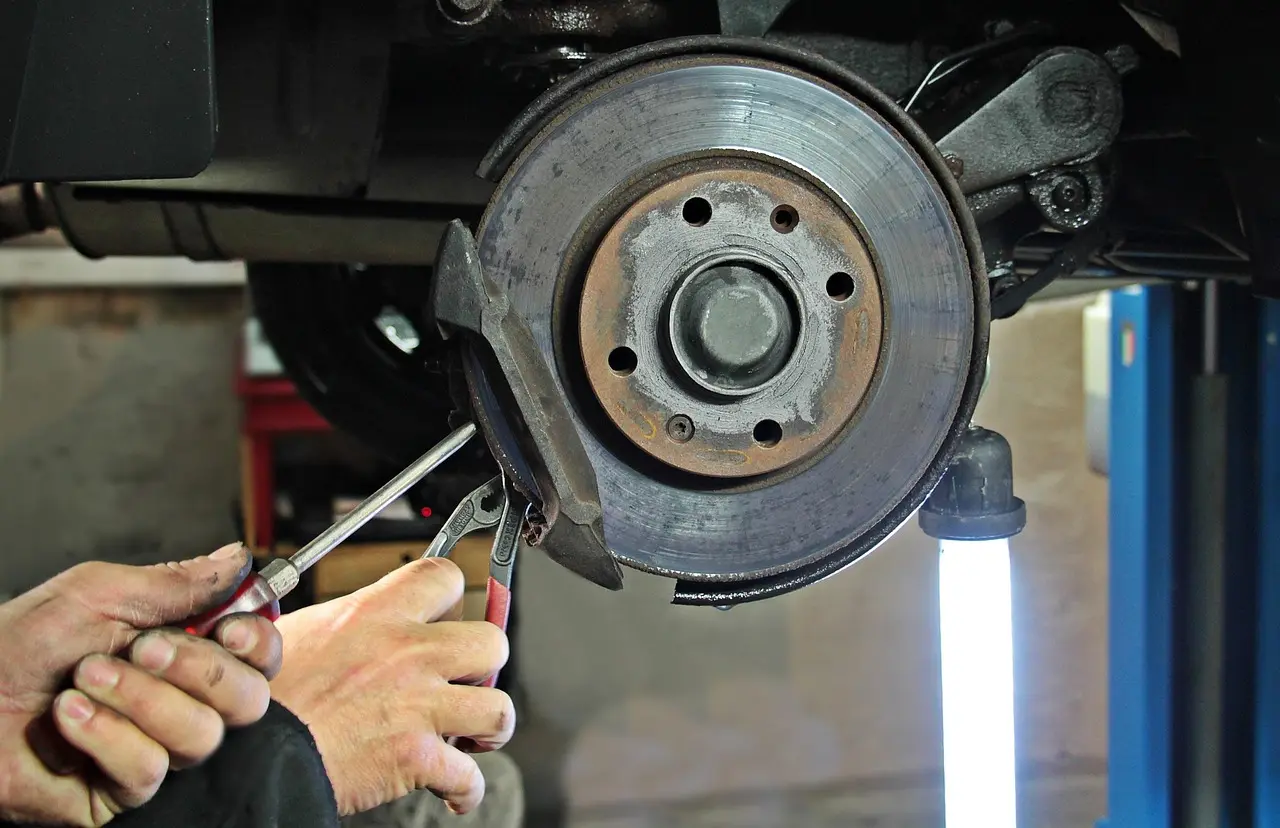
A good estimate should tell you what failed, what gets replaced, how much parts and labor cost, and what could change if the diagnosis opens up. If those details are missing, you are being asked to approve a blank check.
Estimate line items that should be clear
Look for the complaint, the diagnosis, the repair plan, labor hours, parts cost, shop supplies or fees, taxes, and the total. The estimate should also state whether the price is firm or only a starting point.
What should you look for in a repair estimate from a shop? The written number should match the verbal one, the labor line should be understandable, and any add-on work should require your approval before it starts. If a shop will not put the estimate in writing, that is a warning sign.
Parts type, labor rate, and approval steps
Ask whether the quote uses original equipment (OEM), aftermarket, rebuilt, or used parts. Those choices can change both price and durability. You should also ask for the labor rate before you approve anything, because labor differences are where some shops build a large portion of the bill.
A common first-timer mistake is approving “diagnostic” work without asking what happens next. If the diagnosis leads to a repair, the shop should tell you whether that diagnostic fee is rolled into the repair cost or billed separately.
Warranty and guarantee terms to confirm in writing
Do not approve a repair without knowing the warranty length, what parts it covers, and whether labor is covered too. A warranty that only covers the part, but not the labor to reinstall it, is less helpful than it sounds.
Trust signals to check before you leave the car
Ask for proof, not promises. A trustworthy shop should be able to explain its credentials, insurance, estimate process, and communication schedule in plain language. If the answers get slippery, the risk rises.
Credentials, insurance, and written documentation
Ask whether the shop is licensed where required, carries garage liability insurance, and will provide a written estimate and invoice. Certification from a technician program can help, but it does not replace clear paperwork and a documented repair plan.
Communication cadence and photo or note updates
You should know when the shop will contact you, by phone or text, and what it will say before adding work. Good shops send notes, photos, or a scan report when the diagnosis is not obvious. That cuts surprise charges.
Questions that expose vague or rushed diagnoses
- What exact fault code, measurement, or inspection led to this diagnosis?
- What parts are being replaced, and why those parts?
- What is the labor rate, and how many hours are listed?
- What work needs my approval before it starts?
- What warranty applies to the part and the labor?
Say your check-engine light comes on in a 7-year-old crossover. A careful shop should explain the fault code, inspect the likely cause, and show you why the quote includes one sensor rather than three. If the answer is “we just replace it and see,” keep asking.
How do you know the shop fixed it the first time?
You know by the follow-up, the paperwork, and the behavior after pickup. A solid repair should include a clear test drive, a final invoice that matches the estimate, and a simple way to report a problem if the symptom comes back.
Post-repair verification steps
Before you leave, confirm the warning light is off, the symptom is gone, and any replaced part or fluid is listed on the invoice. If the shop removed a part that you asked to keep, confirm that too.
Ask for a brief road test or a system check when the repair affects braking, steering, starting, charging, or cooling. For routine work, verify the service was actually completed: oil type, filter, fluid levels, tire pressure, and rotation pattern if applicable.
What a good follow-up process looks like
A good shop tells you who to call, what window matters for a comeback complaint, and whether the follow-up visit is covered. If a problem returns within the warranty period, the shop should inspect it without making you restart the whole argument.
When a comeback visit signals a real problem
One comeback does not always mean a bad shop. Some faults are intermittent, and some repairs reveal a second worn component. But repeated comebacks for the same symptom, without a new explanation, point to a weak diagnostic process.
Choose a dealership if… / Choose an independent shop if…
Dealerships and independent shops both have a place. The better fit depends on vehicle age, warranty status, and how much brand-specific support the repair needs. CR says dealerships or independent shops are better for most repairs, but the better choice changes with the job.
Choose a dealership if…
Choose a dealership if the car is under warranty, the repair involves brand-specific software or electronics, or the manufacturer has a known service bulletin tied to that model. A dealer also makes sense when a recall or warranty issue needs documentation tied to the brand.
Choose one if the service department has a strong reputation for your brand, not just the badge on the building. The survey shows that dealership performance varies widely by brand.
Choose an independent shop if…
Choose an independent shop if the car is older, the repair is not tied to a warranty claim, or you want tighter control over cost. Independents often give stronger price value and broad repair competence, especially for wear items, brakes, suspension, and maintenance.
Routine maintenance can help you judge fit over time. Oil changes, fluid changes, filter replacements, wiper blades, and tire rotations give you repeated contact with the same staff, so you can see whether they explain work clearly and bill consistently.
One-page auto repair trust check
Use this checklist before you approve work, again when you drop off the car, and once more at pickup. A shop that clears most of these checks is easier to trust than one that relies on reputation alone.
| Check | Yes / No |
|---|---|
| Written estimate shows parts, labor, taxes, and fees | |
| Parts type is disclosed: OEM, aftermarket, rebuilt, or used | |
| Labor rate is stated before approval | |
| Diagnosis is explained before repair approval | |
| Warranty length is given in writing | |
| Warranty covers both parts and labor, or the difference is clear | |
| Old parts will be returned on request | |
| Shop gives a communication plan for updates and added work | |
| Shop asked for approval before extra work was added | |
| Pickup includes a final check of the repaired symptom or system |
Use the check like this: if a shop misses one item, ask for clarification; if it misses several, compare another estimate before you hand over the keys. That approach works better than choosing on reputation alone.
Frequently asked questions
How can you tell if an auto repair shop is trustworthy?
Look for written estimates, parts disclosure, labor-rate transparency, warranty terms in writing, and clear approval steps before extra work starts. Trustworthy shops also explain the diagnosis in plain language and tell you what was checked, what failed, and what remains uncertain.
Are independent auto repair shops more trustworthy than dealerships?
Consumer Reports says members preferred independent repair shops over dealerships, and independents received higher marks across the board. That said, some dealership service departments score well, especially for certain brands. Trust depends on the individual shop, the repair, and the clarity of the estimate.
What should I look for in a repair estimate from a shop?
The estimate should list parts, labor, fees, and tax, along with the parts type and labor rate. It should also explain whether the price can change after inspection, and whether any diagnostic fee is separate. Vague language is a warning sign.
How do I know if a shop fixed my car the first time?
Check whether the symptom is gone, the invoice matches the estimate, and the shop gives you a clear warranty or comeback policy. If the same problem returns without a new cause, the original diagnosis may have been incomplete or the repair may not have been finished correctly.
What questions should I ask before approving auto repairs?
Ask what failed, how the shop diagnosed it, what parts will be used, how many labor hours are listed, what the labor rate is, and what warranty applies. Also ask whether any extra work needs your approval before the shop proceeds.
Are quick-lube chains good for actual car repairs?
Quick-lube chains are useful for basic maintenance, especially oil changes and some fluid services, but they are limited for actual repair work. They are not the best choice for electrical faults, drivability issues, or jobs that need deeper diagnosis and more detailed follow-up.
What are signs an auto repair shop is overcharging me?
Warning signs include a quote that is much higher than another written estimate, unexplained labor time, hidden fees, and pressure to approve immediately. If the shop will not break out parts and labor or will not explain why a part must be replaced now, keep shopping.
Products related to this article
Sponsored / affiliate links. As an Amazon Associate I earn from qualifying purchases. I may earn additional commission from eligible campaigns.