Can Hitting a Curb Total Your Car? Shocking Truth Revealed!
Have you ever wondered if hitting a curb could completely wreck your car? It might seem like a minor bump, but the damage under the surface could be far worse than you think.
If you want to avoid costly repairs or a total loss, it’s important to understand what really happens when your car meets a curb. Keep reading to find out how serious the damage can be and what you should do next to protect your ride.
Impact Damage From Curbs
Hitting a curb can cause more damage than many drivers expect. The impact can harm important parts of the car, making repairs costly. Sometimes, the damage is so severe it can total the vehicle. Understanding how curbs affect your car helps you act fast and avoid bigger problems.
Types Of Damage Curbs Cause
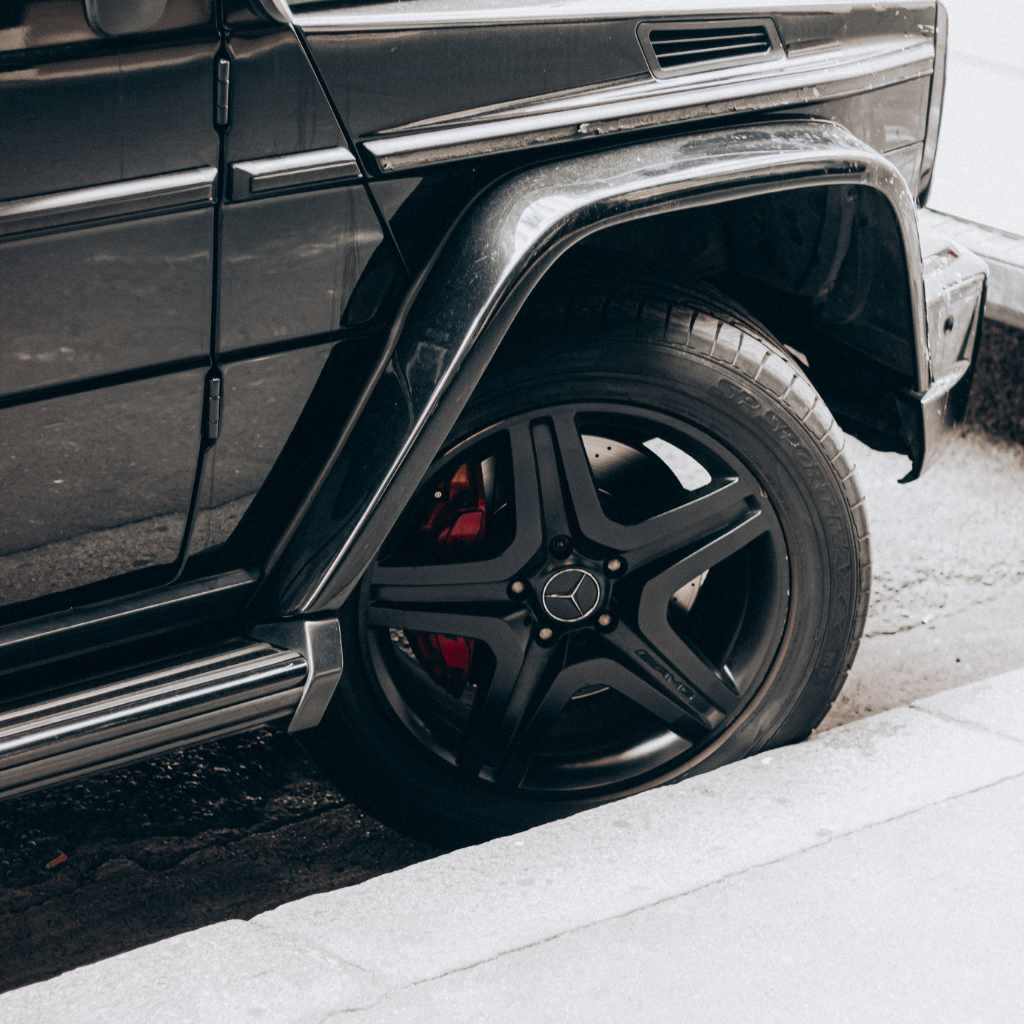
Curbs often damage tires and wheels first. Scrapes, dents, or cracks on rims are common. The impact can also bend or break suspension parts. This affects how the car handles and drives. Steering components may get damaged, causing alignment issues. Underbody parts like the oil pan or exhaust might get hit too.
Signs Of Serious Damage
Look for unusual vibrations or pulling to one side while driving. Strange noises during turns can signal suspension trouble. Visible dents or cracks on rims need immediate attention. Low tire pressure after hitting a curb might mean a slow leak. Uneven tire wear also shows alignment problems. These signs often require a mechanic’s inspection to prevent further damage.
When Can A Curb Total Your Car?
Hitting a curb might seem like a minor mistake, but it can cause serious damage to your car. Sometimes, the impact is strong enough to make your car a total loss. Understanding when a curb hit can total your car helps you grasp the risks and costs involved.
Not every curb impact leads to a total loss. The extent of damage depends on several factors. The damage might range from simple tire replacement to frame bending or engine harm. Knowing these factors clarifies why some curb hits are worse than others.
Factors That Increase Damage Severity
Speed plays a big role. Higher speed means stronger impact and more damage. The angle of the hit matters too. A direct hit can bend rims and damage suspension. The size and height of the curb affect the damage. Bigger curbs can cause more harm.
The car’s design and condition also matter. Older cars or those with weak frames suffer more. Low-clearance sports cars are at higher risk too. Tire and wheel type can change the damage level. Run-flat tires might reduce damage in some cases.
Common Scenarios Leading To Total Loss
Hitting a curb at highway speeds often causes total loss. The sudden jolt can damage the frame and engine. Parking lot mishaps usually cause minor damage unless speed is high. Turning too sharply around a curb can stress suspension parts.
Driving over a high curb can break axles or ruin steering systems. Multiple curb hits over time weaken car parts. This hidden damage might lead to a total loss later. Ignoring early signs of damage often makes repairs costlier.
Costly Repairs Vs. Total Loss
Hitting a curb can cause serious damage to your car. The question is whether the repairs are worth it or if the car is a total loss. Understanding the cost of repairs versus the value of your car helps you make the right choice.
Repairs can be expensive, especially if the damage affects the suspension, tires, or frame. Sometimes, the repair cost comes close to or exceeds the car’s market value. In such cases, insurance companies may decide the car is a total loss.
Evaluating Repair Expenses
Repair costs vary based on the damage type and car model. Fixing a bent rim or flat tire might be cheap. But damage to the suspension or steering system can cost thousands. Bodywork and paint can add more to the bill.
Getting an estimate from a trusted mechanic is the first step. Compare this cost with the car’s current value. If repairs cost more than 70% to 80% of the car’s worth, consider other options. Sometimes, selling the car for parts makes more sense.
Insurance Assessment Criteria
Insurance companies assess damage differently. They calculate repair costs and compare them to the car’s actual cash value. If repairs are too expensive, they may declare a total loss. This means the payout covers the car’s value before the accident.
Factors like car age, mileage, and condition affect this decision. Older cars with low market value often get totaled faster. Understanding your insurance policy helps set expectations. Knowing the process can reduce surprises after a claim.
Preventing Severe Damage
Hitting a curb can cause serious damage to a car. Preventing this damage starts with careful driving and parking. Simple steps can keep your vehicle safe and avoid costly repairs. Taking care early saves money and stress later.
Safe Parking Techniques
Always park slowly and watch your surroundings. Use your mirrors to check space near the curb. Stop before the wheels touch the curb. Avoid parking too close to the edge. Practice parking in empty lots to improve control. Small adjustments help keep your car safe. Do not rush when parking in tight spots.
Using Technology To Avoid Curbs
Many cars now have sensors that detect obstacles. These sensors alert you if you get too close to a curb. Backup cameras show the area behind your car clearly. Use these tools to guide your parking. Some cars have automatic parking systems to help. Technology reduces the risk of hitting curbs. Always trust your car’s warnings and slow down.
What To Do After Hitting A Curb
Hitting a curb can be alarming and stressful. Knowing what to do next helps protect your car and ensures safety. Taking quick and smart actions can reduce damage and avoid costly repairs.
Immediate Steps To Take
Stop your car safely away from traffic. Check for visible damage to tires and rims. Make sure the steering feels normal. Look for any fluid leaks under the car. Take photos of the damage for records. Avoid driving if the car pulls to one side. Stay calm and note the location and time of the incident.
When To Seek Professional Help
Visit a mechanic if you notice unusual noises or vibrations. Have a tire specialist check for hidden tire damage. Get an alignment test to ensure proper steering. Seek help if the car feels unstable or hard to control. Address any leaks or broken parts immediately. A professional can spot damage you might miss. Early repairs can save money and keep you safe.
Frequently Asked Questions
Can Hitting A Curb Cause Total Car Damage?
Yes, hitting a curb can cause severe damage. It may affect tires, suspension, or the frame, potentially leading to a total loss.
What Car Parts Are Damaged By Curbs?
Commonly damaged parts include tires, rims, suspension, and alignment. Severe impacts can also harm the car’s frame or undercarriage.
How Do Insurance Companies View Curb Damage?
Insurance may cover curb damage if it affects safety or causes costly repairs. Coverage depends on your policy and damage extent.
Can Minor Curb Hits Be Repaired Easily?
Minor curb hits often cause cosmetic damage and minor tire issues. These can usually be repaired quickly and affordably.
Conclusion
Hitting a curb can cause serious damage to your car. Sometimes, the repair cost may be very high. This could lead to your car being declared a total loss. Always check your vehicle carefully after such an impact. Look for visible damage and listen for unusual noises.
Getting a professional inspection helps you understand the full extent. Taking quick action can save money and keep you safe. Remember, small accidents can have big consequences. Stay alert and drive carefully near curbs to avoid costly repairs.