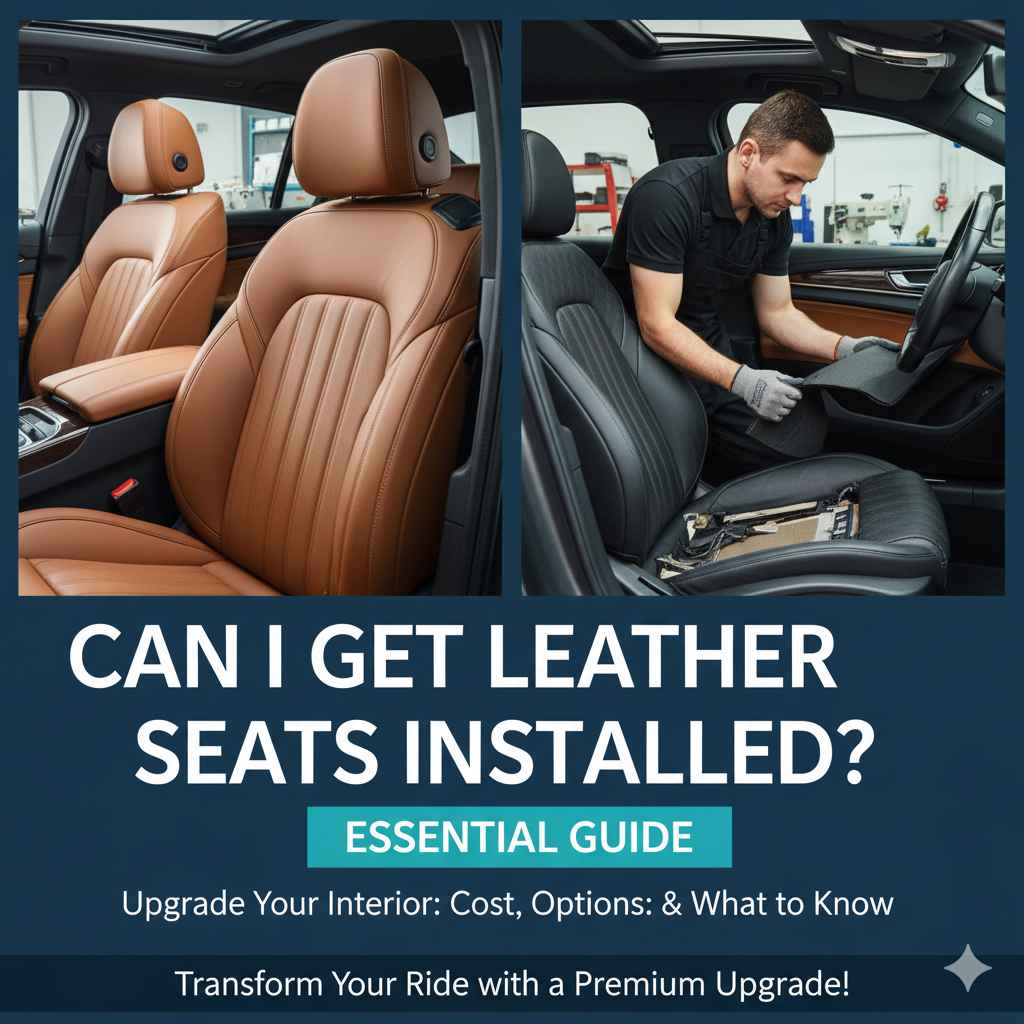
Can I Get Leather Seats Installed? Essential Guide
Yes, you absolutely can get leather seats installed in almost any car! It’s a fantastic way to upgrade your vehicle’s interior, making it more comfortable and luxurious. This guide will walk you through everything you need to know, from understanding your options to the actual installation process, so you can make an informed decision.
Dreaming of that smooth, luxurious feel of leather seats in your car? Many car owners wonder if it’s possible to ditch their current upholstery for a premium leather upgrade. The great news is, “can I get leather seats installed in my car” is a resounding yes! It’s a more accessible upgrade than you might think, offering a significant boost to your car’s comfort and resale value. While it might seem like a complex job for a professional mechanic, understanding the process and your choices can make it feel much simpler. We’ll break down all the essential steps and considerations to help you achieve those dream leather seats with confidence.
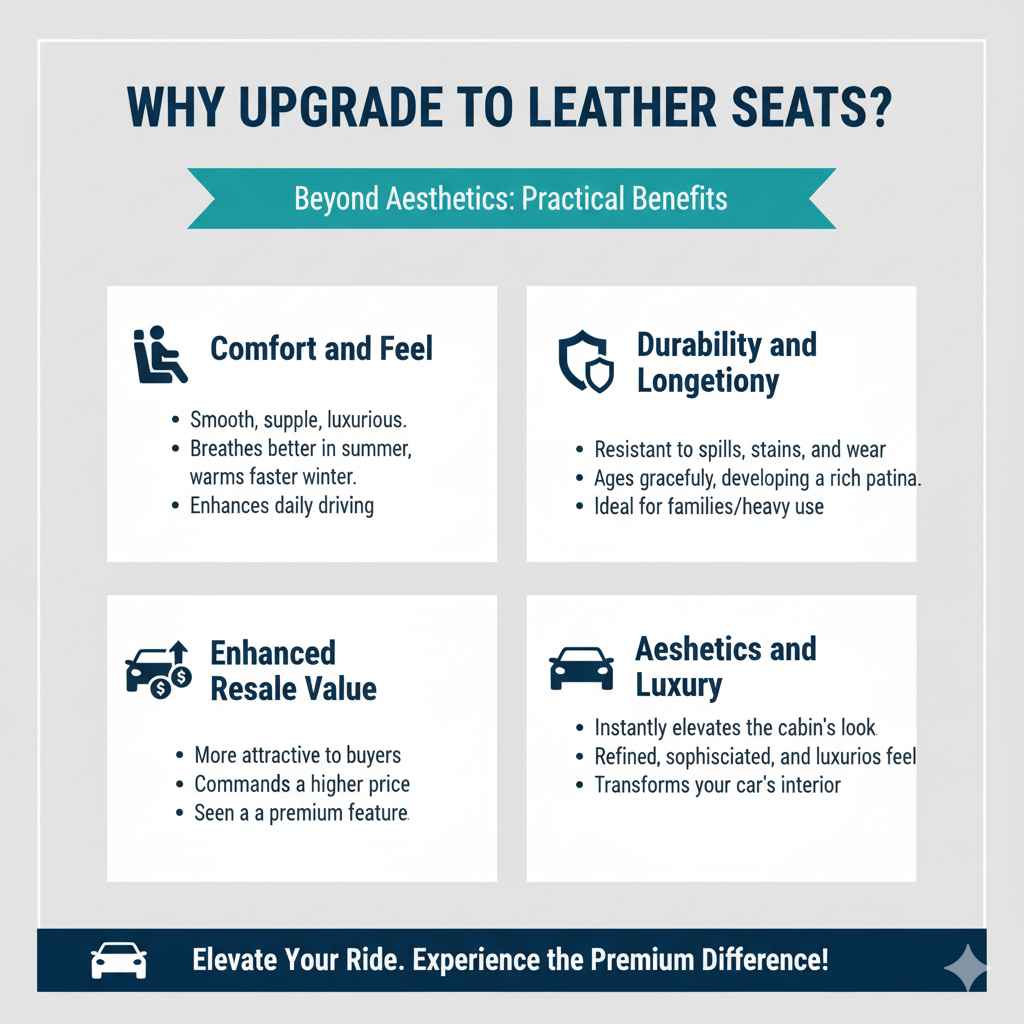
Why Upgrade to Leather Seats?
Upgrading to leather seats can be one of the most satisfying interior modifications for your vehicle. It’s not just about aesthetics; the benefits are tangible and enhance your daily driving experience.
Comfort and Feel
Leather offers a superior tactile experience compared to most fabric upholstery. It’s smooth, supple, and feels luxurious to the touch. In warmer months, genuine leather breathes better than synthetic materials, offering a cooler seating surface. In colder months, leather warms up more quickly than cloth, providing a cozier ride.
Durability and Longevity
High-quality leather is incredibly durable and can last for many years with proper care. It’s resistant to spills, stains, and general wear and tear. Unlike fabric, which can snag or fray, leather often ages gracefully, developing a distinct patina over time that many people find appealing. This makes it a practical choice for families or anyone who spends a lot of time in their car.
Enhanced Resale Value
A car with leather seats is often more attractive to potential buyers, which can translate to a higher resale value. It’s seen as a premium feature that suggests a well-maintained and upgraded vehicle. If you’re considering selling your car in the future, this upgrade can be a wise investment.
Aesthetics and Luxury
Let’s face it, leather seats just look good. They instantly elevate the interior of any car, giving it a more refined, sophisticated, and luxurious feel. Whether you opt for classic black, rich brown, or a bold custom color, leather can transform your car’s cabin into a space you’ll truly enjoy spending time in.
Types of Leather Seat Options Available
When you decide to get leather seats installed, you’ll encounter a few different types of materials and installation methods. Understanding these options will help you choose what’s best for your budget and desired outcome.
Factory-Trained Leather
Some vehicles offer factory-installed leather as an option when new. If your car didn’t come with it, you might be able to source OEM (Original Equipment Manufacturer) leather seat covers from dealerships or specialized online retailers. These are designed specifically for your car’s make, model, and year, ensuring a perfect fit. However, they can be the most expensive option.
Aftermarket Leather Kits
These are specially manufactured sets of leather or leatherette (high-quality faux leather) seat covers designed to fit a wide range of vehicles. They come pre-patterned and often include instructions for installation. Many companies specialize in these kits, offering various colors, stitching options, and sometimes even perforated leather for a premium look. You can purchase these kits and install them yourself or have a professional do it.
Custom Leather Upholstery
This is the most personalized option. You work with an automotive upholstery shop to choose the exact type of leather, color, stitching, patterns, and any other custom details. The shop will then meticulously craft and install the leather upholstery for your specific seats. This offers the highest quality and a truly unique interior but comes at a higher cost.
Leather vs. Leatherette (Faux Leather)
It’s important to distinguish between genuine leather and leatherette. Genuine leather is, of course, real animal hide. Leatherette, on the other hand, is a synthetic material made to mimic the look and feel of leather. It’s typically more affordable, easier to clean, and can be more resistant to stains and water. High-quality leatherette can be very convincing, but genuine leather generally offers a more luxurious feel and superior longevity.
Here’s a quick comparison:
| Feature | Genuine Leather | Leatherette (Faux Leather) |
|---|---|---|
| Material | Animal hide | Synthetic (PVC or PU) |
| Feel | Luxurious, soft, breathable | Can mimic leather, but may feel less supple |
| Durability | Very durable, ages well | Durable, but can crack or peel over time |
| Maintenance | Requires conditioning to prevent drying | Easier to clean, spills wipe off |
| Cost | Higher | Lower |
| Aesthetics | Premium, develops patina | Looks good, consistent finish |
DIY vs. Professional Installation
Deciding who installs your new leather seats is a crucial step. Both DIY and professional installation have their pros and cons.
DIY Installation
Pros:
- Significant cost savings on labor.
- The satisfaction of doing it yourself (if successful!).
- Flexibility to do it on your own schedule.
Cons:
- Requires patience, time, and attention to detail.
- Can be physically demanding.
- Potential for errors if not done correctly, leading to poor fit or damage.
- May require special tools.
If you’re considering DIY, look for aftermarket kits specifically designed for your car. These often come with detailed instructions and videos. Some popular aftermarket kits are made by companies like Katzkin or Auto Weave, known for their quality and fit.
Professional Installation
Pros:
- Expertise ensures a perfect, factory-like fit.
- Saves you time and physical effort.
- Warranties are often provided on both the product and the labor.
- Handles complex parts of the job, like airbag integration.
Cons:
- Higher overall cost due to labor charges.
- Requires scheduling an appointment, which may take time.
Professional installation is generally recommended for those who aren’t comfortable with intricate interior work or who want a guaranteed flawless finish. Look for reputable automotive upholstery shops or custom car audio/interior shops in your area. Getting quotes from a few different places is always a good idea.
What to Expect During Installation (Professional)
If you choose professional installation, understanding the process can ease any concerns. Most professional installers follow a structured approach.
- Initial Consultation: You’ll discuss your desired leather type, color, stitching, and any other custom features. The installer will confirm the exact fitment for your vehicle.
- Quote and Scheduling: You’ll receive a detailed quote, and an appointment will be scheduled based on parts availability and shop capacity.
- Seat Removal: Technicians will carefully remove your car’s seats from the vehicle.
- Old Upholstery Removal: The existing fabric or vinyl covers are expertly removed.
- New Upholstery Installation: The new leather covers are skillfully fitted and secured over the seat foam. This often involves stapling or tucking the material under edges, similar to how the original covers were attached.
- Seat Reassembly: Any foam padding or other components are reinstalled.
- Airbag System Check: Crucially, if your seats have side airbags, installers will ensure they are properly reconnected and functioning. Tampering with these can be dangerous and may disable the safety feature. Reputable shops know how to handle this.
- Seat Reinstallation: The finished seats are carefully placed back into your vehicle.
- Final Inspection: A thorough check is done to ensure everything is fitted correctly, all connections are secure, and the seats look and feel perfect.
The length of installation can vary, but it typically takes anywhere from a few hours to a full day, depending on the complexity of the seats and the shop’s schedule. You might be able to wait while it’s done, or you may need to leave your car for a few hours or the day.
Can I Get Leather Seats Installed in My Car? A Step-by-Step Guide
Wondering “can I get leather seats installed in my car” is the first step. Here’s a guide to help you through the process:
Step 1: Determine Your Budget
Leather seat installation costs can vary widely. For a full interior in a standard sedan, expect to pay anywhere from $1,500 to $3,500 or more for professional installation with quality materials. Aftermarket kits you install yourself can cost between $400 and $1,500, depending on the quality and customization.
Step 2: Research Your Options
- Type of Material: Decide between genuine leather and high-quality leatherette. Consider your needs for durability, feel, and maintenance.
- DIY vs. Professional: Assess your comfort level, time availability, and budget.
- Product Brands: If buying kits, research reputable brands like Katzkin, Clazzio, or ShearComfort.
- Local Installers: Search for “automotive upholstery shops near me” or “car seat leather installation” to find local professionals. Look for reviews and examples of their work.
Step 3: Get Quotes and Compare
- For DIY: Price out different kits online. Factor in shipping costs and any potential tools you might need.
- For Professional: Contact at least 2-3 local shops. Provide your car’s year, make, and model. Ask for detailed quotes that include material costs, labor, and any applicable taxes or fees. Inquire about their experience with your specific vehicle and airbag systems.
Step 4: Choose Your Style and Features
This is the fun part! You can customize:
- Color: Classic black, tan, grey, or bold custom colors.
- Texture: Smooth, perforated, or two-tone designs.
- Stitching: Contrasting thread colors can add a unique touch.
- Heated/Vented Seats: Some installations can incorporate or upgrade heating and ventilation features, though this significantly increases cost and complexity.
If you’re going the custom upholstery route, you can often see and feel sample materials at the shop.
Step 5: Schedule the Installation
Once you’ve made your decision, book your appointment. If you’re ordering a kit for DIY, allow time for shipping. Professional installers will usually order the kit for you, ensuring it’s the correct one for your vehicle.
Step 6: The Installation Day
- If DIY: Clear your schedule, gather your tools, and follow the instructions carefully. Work in a well-lit, comfortable space.
- If Professional: Drop off your car at the scheduled time. Discuss any final details with the installer. Ask about the estimated completion time and how you’ll be notified.
Reputable installers will often take photos of your car before and after the work for their records and your peace of mind. For advice on securing upholstery tools, you can refer to resources from tool manufacturers like this guide on upholstery tools.
Step 7: Post-Installation Care and Inspection
- Inspect Thoroughly: Before driving away (if professional), check every seam, every stitch, and make sure everything feels secure. Test any new features, like heating elements.
- Break-in Period: Genuine leather often benefits from a short break-in period. Avoid harsh cleaning products initially.
- Leather Care: For the best longevity, clean and condition your leather seats every 3-6 months. This prevents drying, cracking, and protects against UV damage. Look for quality leather conditioning products.
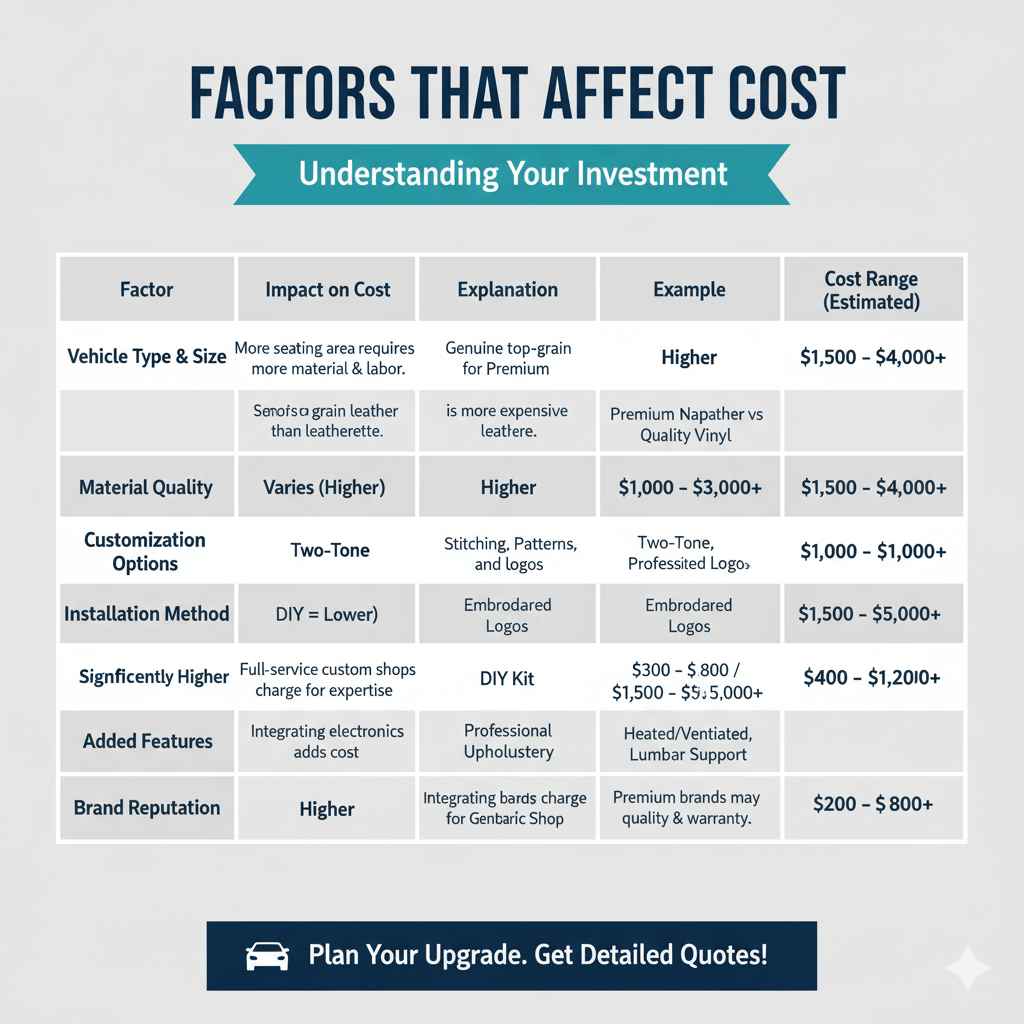
Factors That Affect Cost
The price for leather seat installation isn’t fixed. Several factors play a role:
| Factor | Impact on Cost | Explanation |
|---|---|---|
| Vehicle Type & Size | Higher | Larger vehicles (SUVs, trucks) have more seating surface area, thus more material and labor. |
| Material Quality | Varies (Higher for Premium) | Genuine top-grain leather is more expensive than standard leather or quality leatherette. |
| Customization Options | Higher | Perforated panels, two-tone colors, custom stitching, and embroidered logos add to the expense. |
| Installation Method | Varies (DIY = Lower, Custom Shop = Higher) | DIY kits are cheapest if you do the labor. Full custom upholstery by a high-end shop costs the most. |
| Added Features | Significantly Higher | Incorporating or upgrading heated or ventilated seats is a major cost driver. |
| Brand Reputation | Higher | Well-known aftermarket brands (like Katzkin) may charge a premium for their name and quality control. |
Frequently Asked Questions (FAQ)
Q1: How long does it take to install leather seats?
Answer: Professional installation typically takes between 4 to 8 hours for a full interior, though some complex jobs might take longer. If you’re doing it yourself with a kit, it could take a full weekend, depending on your skill and dedication.
Q2: Will installing leather seats affect my car’s airbags?
Answer: Seats with integrated side airbags require careful handling. Reputable professional installers are trained to safely disconnect, work around, and reconnect these systems. If doing it yourself, ensure the kit is designed for airbags, and follow instructions precisely or opt for professional installation to be safe.
Q3: Can I install leather on heated or cooled seats?
Answer: Yes. If your car has factory heated or cooled seats, many leather kits are designed to work with these systems. You can also opt to have new heating or cooling elements installed, but this is a more complex and expensive process.
Q4: How do I care for leather car seats?
Answer: Leather needs regular care to stay soft and prevent cracking. Clean spills immediately. Every 3-6 months, use a dedicated leather cleaner and then apply a high-quality leather conditioner. Avoid harsh chemicals, excessive sun exposure, and rough objects.
Q5: What’s the difference between leather and leatherette?
Answer: Genuine leather is real animal hide, offering a luxurious feel, breathability, and long-term durability that typically improves with age. Leatherette is a synthetic material designed to look like leather; it’s often more affordable, easier to clean, and resistant to stains but may not last as long and can feel less premium.
Q6: Will leather seats make my car hotter or colder?
Answer: In direct sunlight, leather can get very hot, similar to a black dashboard. However, it also heats up faster from your body heat in the winter and generally breathes better than most fabrics, making it feel more comfortable in varied conditions. Perforated leather can help with ventilation.
Q7: Can I get just the front seats upholstered in leather?
Answer: Absolutely! Many people choose to upgrade just the front two seats for a more immediate luxury feel, or they might only do the front and back seats, leaving the center console or armrests in their original material to save costs.
Conclusion
So, to answer the question, “Can I get leather seats installed in my car?” the answer is a resounding and exciting yes! Whether you’re looking to add a touch of luxury, increase your car’s comfort, or boost its future resale value, leather seat installation is a achievable upgrade. You have a spectrum of choices, from cost-effective DIY kits to high-end custom upholstery.