Can NASCAR Race in the Rain? Rules Explained
It’s a question many fans wonder about: Can NASCAR race in the rain? Seeing those powerful cars slide around a wet track seems impossible, right? For newcomers to racing, the rules surrounding rain can feel a bit tricky.
But don’t worry! We’re going to break down exactly what happens when the skies open up. Get ready for a simple, step-by-step look at NASCAR’s rain policies.
We’ll cover what causes a delay and how they decide when it’s safe to get back to racing.
The roar of V8 engines and the smell of burning rubber are iconic NASCAR experiences. But what happens when Mother Nature decides to join the party with a downpour? Many fans new to the sport often ask, Can NASCAR Race in the Rain?
Rules Explained become a key topic when weather forecasts look iffy. It’s a fair question because watching cars grip the track at over 180 miles per hour in soaking conditions appears incredibly risky. The reality is that NASCAR has specific procedures and rules to handle rain, prioritizing safety above all else.
Unlike some other forms of motorsport that might continue in light rain, NASCAR’s approach is generally more cautious. The primary concern is visibility and tire grip. When rain falls, it creates a slick surface that drastically reduces the traction the race cars have.
This can lead to dangerous situations like spin-outs and multi-car crashes, which are especially hazardous at the high speeds NASCAR races are known for. Therefore, understanding when and how NASCAR makes decisions about rain is important for any fan.
Why Rain Is a Big Deal for NASCAR
NASCAR cars are designed for incredible speed and performance on dry asphalt. Their tires have a specific compound and tread pattern that works best when the track surface is dry and offers maximum grip. When rain hits the track, it mixes with oil and rubber residue, creating a slippery film that significantly compromises this grip.
This is often referred to as “slick” conditions.
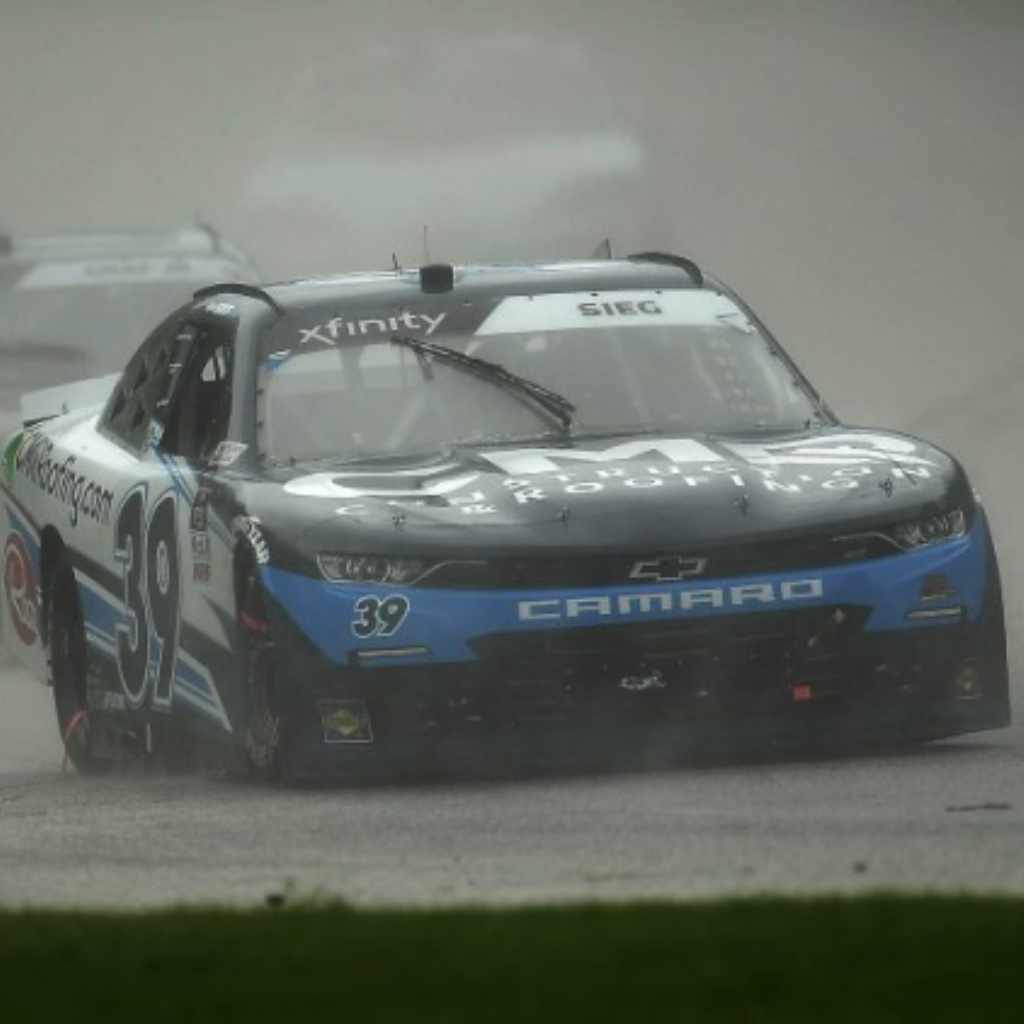
Furthermore, the spray kicked up by cars on a wet track is a major safety issue. The water, combined with track debris, creates a thick fog behind each car. This severely limits the visibility for drivers following closely, making it extremely difficult for them to see the track, other cars, or potential hazards.
In close-quarters racing, where drivers are often inches apart, this lack of visibility can quickly lead to accidents.
The Role of Track Surface and Type
The type of track also plays a significant role in NASCAR’s rain decisions. NASCAR races on a variety of track configurations, including:
- Superspeedways (e.g., Daytona, Talladega)
- Intermediate tracks (e.g., Charlotte, Kansas)
- Short tracks (e.g., Bristol, Martinsville)
- Road courses (e.g., Sonoma, Watkins Glen)
Superspeedways and intermediate tracks, with their long straights and high speeds, are particularly susceptible to rain. The sheer velocity means any loss of traction or visibility is amplified, making them the most challenging for racing in wet conditions. Short tracks, while still presenting grip issues, might theoretically be less dangerous due to lower speeds, but visibility can still be a major problem.
Road courses are a bit different. They often have more turns and braking zones, which can help drivers manage speed. Historically, some road racing series have experimented with rain tires, but for NASCAR, the primary focus has been on safety across all track types.
The introduction of the Next Gen car has also brought discussions about its performance in the wet.

When Does NASCAR Stop for Rain?
The decision to stop or delay a race due to rain isn’t a simple one. It involves a comprehensive evaluation by NASCAR officials, considering several key factors:
1. Amount of Rainfall
Light drizzle might not immediately halt proceedings, but heavier downpours will. Officials monitor the intensity of the rain and how quickly it accumulates on the racing surface.
2. Track Conditions
Beyond just the rain itself, NASCAR assesses how the water is affecting the track. Is it pooling in certain areas? Are there rivers forming across the racing line?
The presence of standing water is a major red flag.
3. Visibility
This is perhaps the most critical factor. NASCAR officials, spotters, and even drivers will be assessing how well they can see. Poor visibility due to rain spray makes racing unsafe.
4. Tire Performance
Even if the rain isn’t pouring, wet tires behave differently. NASCAR’s current tire strategy generally doesn’t involve specialized rain tires for oval racing, making the grip incredibly unpredictable in wet conditions.
5. Safety of Safety Vehicles
Even the pace cars and safety trucks used to manage the track need to operate safely. If they cannot maintain control, it’s a clear sign the track is too dangerous for race cars.
These factors are constantly being evaluated from the moment rain begins to fall until the moment racing might resume.
The Role of Track Drying
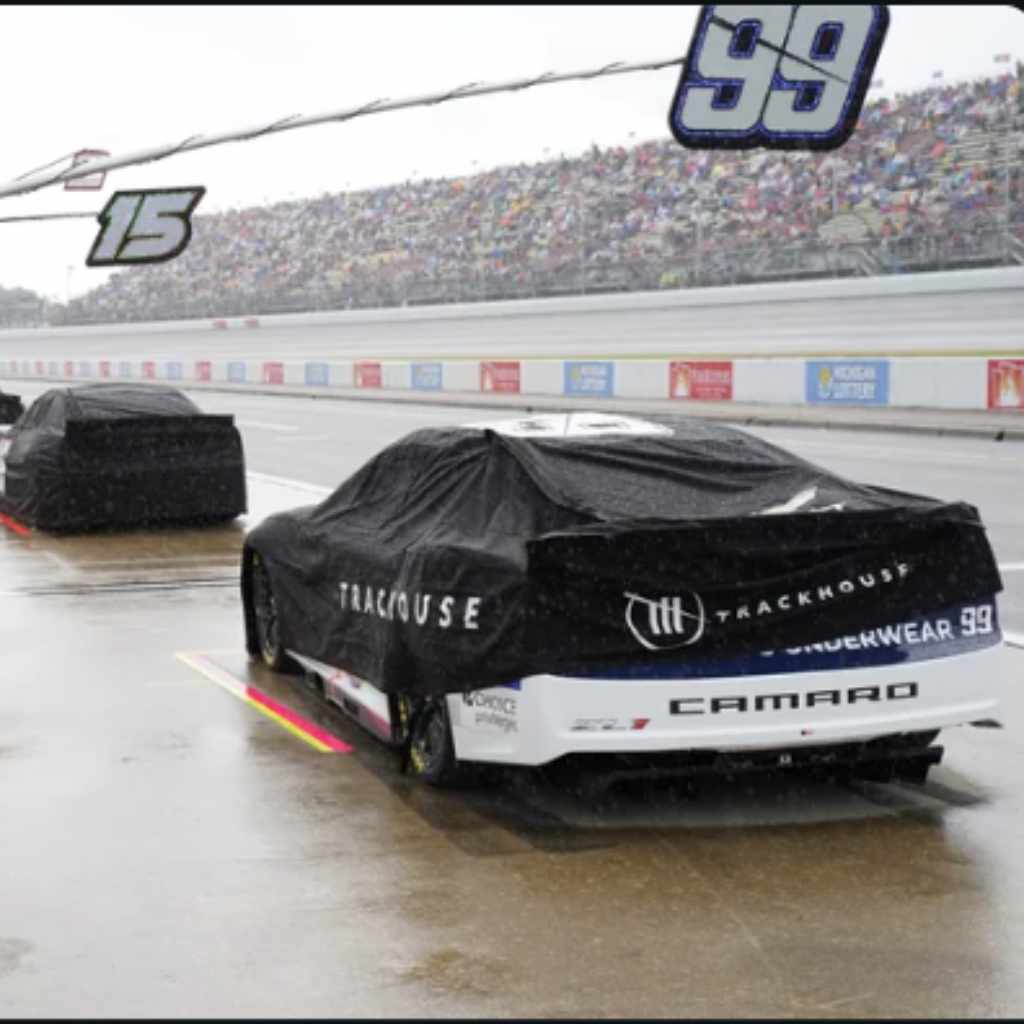
When rain stops or lessens, NASCAR doesn’t immediately restart the race. The track needs to be dried. This process is crucial and can take a significant amount of time.
Track Drying Equipment
NASCAR uses specialized equipment to dry the track. This typically includes:
- Drying Trucks: These are essentially large trucks equipped with powerful blowers that push air across the track surface to evaporate water.
- Blotter Trucks: These trucks have absorbent materials that soak up standing water.
- Boilers: In some cases, hot air or steam can be used to speed up evaporation, especially in cooler temperatures.
The process of drying can be lengthy, especially on large ovals where large sections of the track need to become completely dry and free of standing water.
Tire Treatments
While not a primary drying method, sometimes NASCAR might allow a limited number of cars to run a few laps at reduced speed to help distribute any remaining moisture and rub the track dry. This is usually done after the main drying efforts are completed and officials want to verify conditions.
NASCAR’s Rain Tire Policy (or Lack Thereof)
For many years, NASCAR has not utilized specific “rain tires” for its oval racing events. This is a key distinction that sets it apart from Formula 1 or some sports car series.
Why No Rain Tires on Ovals?
The primary reason is the nature of oval racing. Cars are constantly at high speeds, and the lack of specialized rain tires means that even moderate rain would create dangerously slick conditions. The tread on standard NASCAR tires is designed to displace water to a limited extent, but they are not equipped to handle significant rainfall while maintaining safe grip.
The development of the Next Gen car has led to discussions and, in some limited demonstrations, the use of rain tires. However, for official competition on ovals, the standard tire package remains in use. This reinforces NASCAR’s cautious approach to wet-weather racing on these track types.
Road Course Exceptions
It’s worth noting that for NASCAR road course events, the possibility of using rain tires has been explored and, in some exhibition or specific series events, even utilized. The dynamics of road racing, with lower average speeds and more braking/acceleration zones, make rain tire usage more feasible and potentially safer than on high-speed ovals.
The Decision-Making Process
Who makes the call to delay or postpone a race due to rain? It’s a committee of NASCAR officials. This group constantly monitors weather reports, track conditions, and driver feedback.
Race Control
The primary authority rests with NASCAR’s Race Control. Officials in Race Control are in constant communication with track officials, safety personnel, and even team representatives.
Driver Feedback
While officials make the final call, they do listen to the input from drivers and veteran crew chiefs. Drivers are the ones on the track experiencing the conditions firsthand, so their assessment of grip and visibility is highly valued.
Suspension of Green Flag Racing
When rain begins, the immediate action is typically a “competition caution” or a full race stoppage. A competition caution is a caution period called by NASCAR to allow teams to pit and for officials to assess track conditions and potentially make minor adjustments. If the rain is significant, the green flag will be waved off, and cars will be instructed to return to pit road.
Postponement vs. Delay
A delay means the race is temporarily stopped and will resume once conditions improve and the track is dried. A postponement means the race will be finished or started at a later date, often the following day, or could even be shortened if it has already begun.
Impact on Race Strategy and Fan Experience
Rain events can significantly alter race strategies and, of course, the experience for fans attending or watching from home.
Strategic Changes
When rain is in the forecast, teams might adjust their pit stop strategies. They may opt to pit earlier to try and get ahead of a potential delay or to change tires if rain tires were an option for that specific event (like some road courses).
For fans, rain can mean long delays, which can be frustrating. However, it also adds an element of unpredictability. Sometimes, races that are shortened due to rain can lead to exciting finishes as drivers push harder to make up lost time or secure track position.
Rescheduling Concerns
NASCAR tries its best to complete races. However, if weather is persistent, races may be postponed to the next day or even a later date. This can impact travel plans for fans and complicate the overall racing schedule.
The sport has become quite adept at managing these situations, often providing updates via their website and social media channels.
The “Dark Ages” of NASCAR Rain Racing
In the past, NASCAR was much less inclined to race in the rain. There were instances where races were run in less-than-ideal conditions, sometimes leading to significant accidents. This history has influenced the sport’s current, more safety-conscious approach.
The focus has shifted from “pushing through it” to ensuring every possible safety measure is in place.
The Next Gen Car and Rain
The introduction of the Next Gen car, which made its debut in 2022, has brought renewed discussion about rain racing. This new generation of car is designed with more standardized parts and advanced aerodynamic features.
Demonstrations and Testing
NASCAR has conducted demonstrations, particularly on road courses, showing the potential for the Next Gen car to run effectively with specialized rain tires. These tests have provided valuable data and insights into how this car might handle wet conditions differently than its predecessors.
Future Possibilities
While oval racing in significant rain remains highly unlikely due to safety concerns, the advancements with the Next Gen car might open doors for more rain-capable racing on road courses in the future. However, the commitment to safety remains paramount, so any expansion into wet-weather racing will be carefully considered and thoroughly tested.
Frequently Asked Questions
Question: Can NASCAR race in light rain on ovals?
Answer: Generally, NASCAR will not race in light rain on ovals due to reduced visibility and tire grip, even in light conditions.
Question: Does NASCAR use rain tires on oval tracks?
Answer: No, NASCAR does not currently use specific rain tires for its oval track races. This is a key reason why racing in significant rain is avoided.
Question: Who decides when to stop a NASCAR race for rain?
Answer: NASCAR officials in Race Control make the final decision after evaluating track conditions, visibility, and rainfall.
Question: How long does it take to dry a NASCAR track?
Answer: Track drying can take anywhere from 30 minutes to several hours, depending on the amount of rain and the drying equipment used.
Question: Has NASCAR ever postponed a race due to rain?
Answer: Yes, NASCAR has postponed races due to rain, often rescheduling them for the following day.
Final Thoughts
So, Can NASCAR Race in the Rain? Rules Explained shows us it’s all about safety first. When the skies open up, NASCAR officials carefully watch how much rain falls and how it affects the track’s grip and visibility.
They use special equipment to dry the track, but this can take quite a while. Unlike some other racing series, NASCAR typically doesn’t use special rain tires on its oval tracks, which is why even a little bit of rain can stop the show. The decision to delay or postpone is a serious one, made by experts who prioritize the drivers’ well-being and the integrity of the competition.
Keep an eye on the weather reports, and know that when NASCAR does hit the track, they’ve made sure it’s as safe as possible for thrilling racing action.