Can You Get Around LA Without a Car? Transit and Rideshare Guide
Yes, you can get around Los Angeles without a car — LA Metro’s rail and bus network reaches most major neighborhoods, and rideshares, bikes, and e-scooters cover the gaps.
LA’s reputation as a car-only city is outdated. It’s still spread out, and transit won’t get you everywhere as fast as driving would, but with a TAP card and a rideshare app on your phone, going carless is a realistic plan rather than a gamble. The real question isn’t whether it’s possible — it’s whether it fits the neighborhoods on your itinerary.
Here’s what actually works: which Metro lines cover the tourist corridors, how to get to and from LAX without renting anything, and where biking or walking beats waiting for a train.
Riding LA Metro: Rail Lines, Buses, and Fares
LA Metro runs six rail lines — A, B, C, D, E, and K — connecting roughly 115 stations across Los Angeles County, plus an extensive bus network that fills in the neighborhoods rail doesn’t reach directly. The Metro Rail system covers a lot of ground tourists actually want: Downtown LA, Hollywood, Pasadena, Long Beach, and Santa Monica are all reachable by rail alone. A section of the D Line extension opened in May 2026, adding stops at Wilshire/La Brea, Wilshire/Fairfax, and Wilshire/La Cienega — the first time heavy rail has reached Museum Row and the Miracle Mile directly.
Fares are simple and cheap. A TAP card (physical or in the TAP app) gets you a flat $1.75 per ride on both rail and buses, and if you tap again within two hours the transfer is free. Metro also caps what you pay automatically — $5 per day and $18 per week — so frequent riders never need a separate day pass.
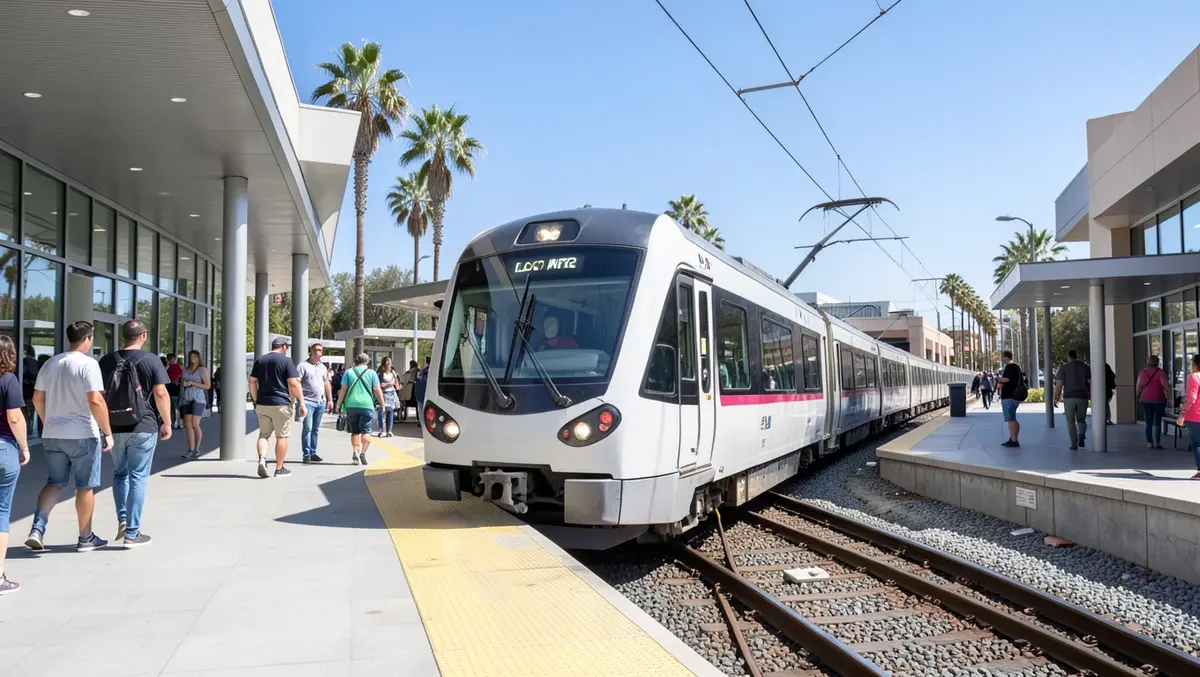
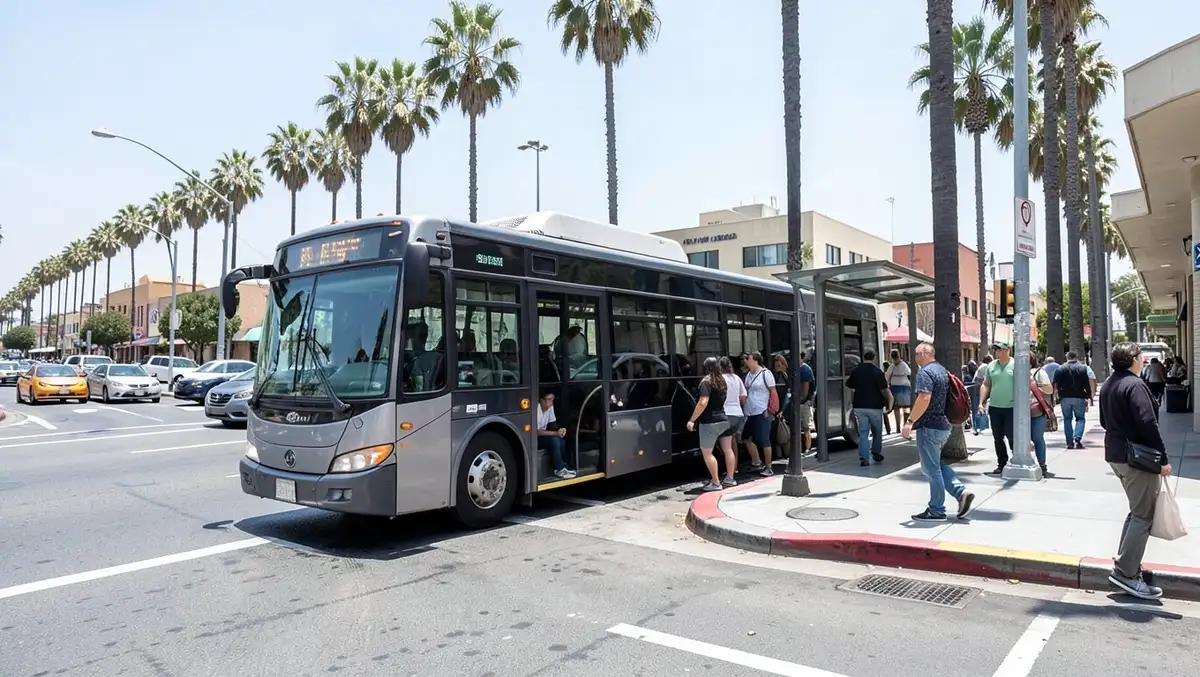
Buses cover the rest. Routes run from early morning into late night, fares match the rail system exactly, and the same TAP card works on both — so you can hop from a bus onto a train without buying a second ticket. Buses are usually the better call for shorter hops between neighborhoods that aren’t directly on a rail line.
TRANSIT DAY ESSENTIAL
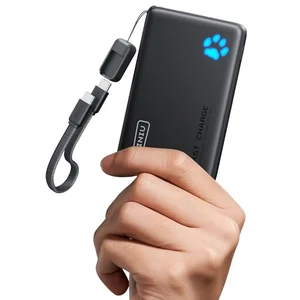 |
INIU 10000mAh 45W Portable Charger – $21.59 A full day of TAP app scans, Google Maps, and rideshare bookings drains a phone fast — this keeps you online without hunting for an outlet.
|
Getting To and From LAX Without Renting a Car
Airport access used to be the biggest argument for renting a car in LA, and it’s still not fully solved — but it’s much closer than it used to be. The LAX/Metro Transit Center opened in June 2026, linking Metro rail and bus lines directly to the airport via a free shuttle that runs into every terminal. The permanent fix, an automated people mover called SkyLink, is designed to replace that shuttle with a driverless train running every couple of minutes — but as of now it’s still in testing and LAX has not posted a confirmed public opening date, so plan on the free shuttle bridging that last stretch for the time being.
Rideshares remain the simplest option for the airport run itself. Uber and Lyft both pick up and drop off from LAX’s designated rideshare zones, and most tourists still find that faster door-to-door than transferring bags through the Transit Center.
Biking and E-Scooters
Metro Bike Share puts docked bikes at stations across Downtown, Hollywood, Pasadena, and near several beach cities — unlock one with the app, ride, and return it to any station in the network. Independent bike rental shops in tourist areas like Santa Monica and Venice also rent by the hour or day and usually throw in a helmet.
E-scooters from Bird, Lime, and Spin are scattered across most of the city’s walkable neighborhoods — download the app, find one nearby, and go. They’re genuinely useful for the last mile between a Metro station and your actual destination. A few safety basics matter more than they might seem to: wear a helmet, ride in bike lanes rather than on sidewalks, and check that the scooter is in good working condition before you take off, since app-based fleets don’t get inspected between every rider.
Walking LA’s Most Pedestrian-Friendly Neighborhoods
Los Angeles isn’t uniformly walkable, but several neighborhoods genuinely are. Downtown LA has cleaned up considerably, with shops, cafes, and parks clustered close together. Santa Monica pairs walkable streets with beach access, and West Hollywood’s wide sidewalks and dense retail make it one of the easiest parts of the city to explore on foot.
For trail walking rather than sidewalk walking, Griffith Park has miles of hiking trails with skyline views, Runyon Canyon is the shorter, busier option people-watch on, and the Hollywood Walk of Fame itself is built for a slow stroll rather than a destination hike.

Rideshares, Carpooling, and Shuttles
Uber and Lyft are the default fallback whenever transit doesn’t line up — both apps show nearby drivers, estimated arrival times, and in-app payment, and both are a reasonably safe option for late-night trips. Metro also runs its own on-demand rideshare service, Metro Micro, in several zones including LAX/Inglewood, North Hollywood/Burbank, and UCLA/Westwood — it’s a shared van-style ride booked through Metro’s own app for a flat $2.50 fare, cheaper than a standard rideshare for short first-mile and last-mile trips within its service zones.
Tourist shuttles cover a couple of specific corridors well. Hollywood-area shuttles loop past the Walk of Fame, the TCL Chinese Theatre, and viewpoints for the Hollywood Sign, while beach-focused shuttles connect to Santa Monica Pier and Venice Beach — both are a cheap way to avoid parking entirely in areas where it’s expensive and scarce.
Is It Worth Skipping a Car in LA?
It depends more on your itinerary than on LA itself. If you’re staying in Downtown, Hollywood, Santa Monica, or another neighborhood well-served by Metro Rail and sticking close to it, skipping the rental is realistic and saves real money on gas, parking, and insurance. If your plans stretch out to spots like Malibu, the Getty, or suburbs well outside the rail network, a car — or at minimum, budgeting for more rideshare trips — makes the day much less stressful. Plan your route before you plan whether you need a car, not the other way around.
Frequently Asked Questions
Can you get around LA without a car as a tourist?
Yes. LA Metro’s rail and bus lines reach most major tourist areas, including Downtown, Hollywood, Pasadena, and Santa Monica, and rideshares or e-scooters cover the gaps. Staying in a neighborhood near a Metro Rail line makes this considerably easier.
Where should you stay in LA if you do not have a car?
Downtown LA, Hollywood, and Santa Monica are the strongest choices — each sits directly on a Metro Rail line, offers walkable blocks of restaurants and shops, and has easy rideshare access for anything farther out.
Do you need to rent a car when visiting LA?
Not necessarily. It depends on your itinerary — if you’re sticking to neighborhoods along a Metro Rail line, transit and rideshares can cover the whole trip. If your plans include spots well outside the rail network, like Malibu or many outer suburbs, a rental car or heavier rideshare budget makes those days easier.
Is it worth having a car in LA?
It depends on where you’re going. A car adds flexibility for spread-out destinations and late-night trips outside transit hours, but it also means paying for parking and dealing with LA traffic. Many visitors who stay near a Metro line find they don’t miss having one.
How do you get from LAX into the city without a rental car?
Take a rideshare from LAX’s designated pickup zones, or use the free shuttle from the LAX/Metro Transit Center, which opened in June 2026 and connects to Metro rail and bus lines. The airport’s automated SkyLink train is still in testing and does not yet run directly to the terminals.
Conclusion
Exploring Los Angeles without a car is realistic, not just a workaround — the Metro Rail network, buses, rideshares, and bikes cover most of what a typical visitor actually wants to see. Pick a neighborhood near a rail line, keep a charged phone and a TAP card on hand, and budget rideshares for the trips transit doesn’t cover well. The city’s car-only reputation is mostly outdated for anyone willing to plan a little.
Products related to this article
Sponsored / affiliate links. As an Amazon Associate I earn from qualifying purchases. I may earn additional commission from eligible campaigns.
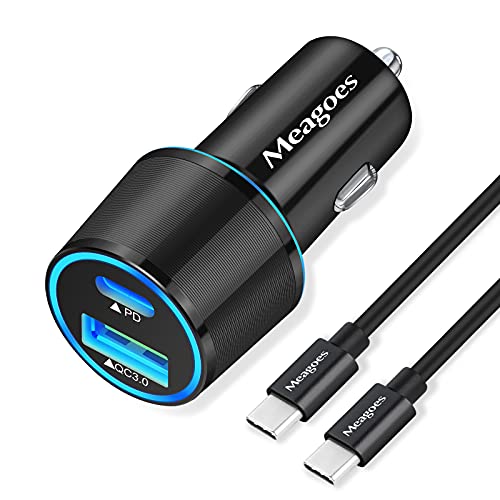
![iPhone Car Charger,USB C Fast Car Charger[Apple MFi Certified] Apple Car Charging 38W Dual Port CarCharger Cigarette Lighter Adapter 2x3ft PD&QC 3.0 Lightning Cable for iPhone 14/13/12 Pro/11/Airpods](https://m.media-amazon.com/images/I/41XizrssoiL._SL500_.jpg)