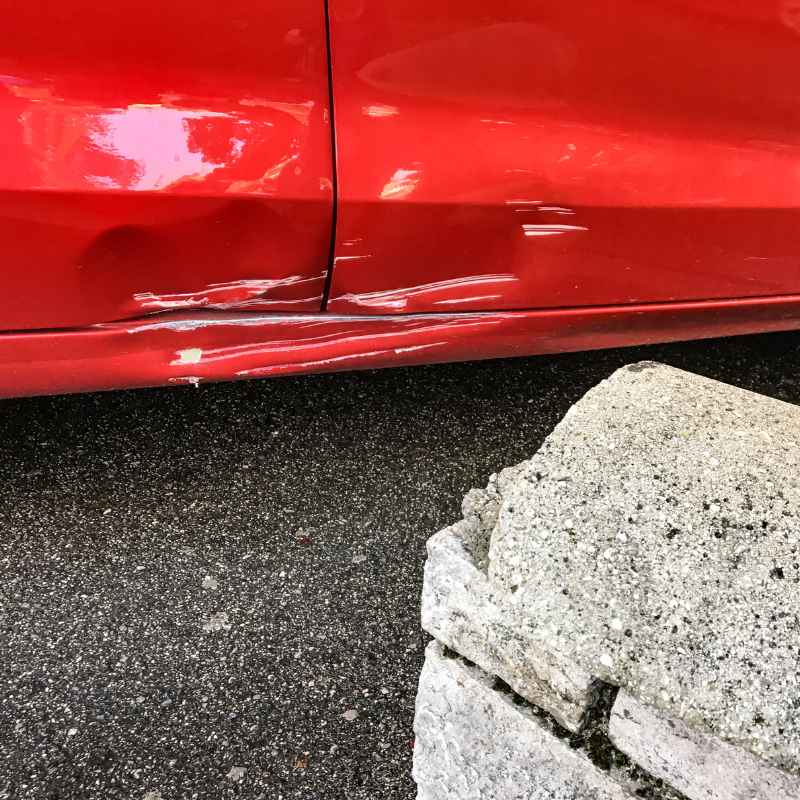
How To Get Dried Concrete Off A Car Without Scratching
Removing dried concrete from a car requires patience and gentle methods. The key is to soften the concrete without harsh scraping. Start by rinsing the affected area thoroughly.
Then, apply a suitable remover, let it soak, and gently wipe or rinse. Always test any product in an inconspicuous spot first to ensure it doesn’t harm your car’s paint.
Understanding Dried Concrete on Your Car
So, what exactly are we dealing with here? Dried concrete is a tough substance. It’s a mix of cement, water, sand, and gravel.
When it dries on your car, it hardens into a stubborn, often abrasive, layer. It’s not like mud that you can just wash away with a quick hose-down. This stuff sticks.
It bonds itself to the clear coat of your car. Sometimes, it can even etch into the paint if left for a long time. The biggest fear, of course, is scratching.
A stray pebble or a stiff brush can do a lot of damage to your car’s shine. We need to approach this carefully. The goal is to dissolve or loosen the concrete’s grip, not to force it off.
Why does it happen? Often, it’s accidental. Construction zones are common culprits.
A truck might shake loose some wet concrete, and a few drops land on your car. It might happen if you’re parked too close to a painting or cement project. Sometimes, it’s simply a splash from a tire.
Even a passing truck could be the source. The problem is that concrete starts to set very quickly. Once it hits a surface, especially one that’s warm from the sun, it begins its hardening process.
The longer it sits, the harder it becomes. This makes removal a race against time, though even old, dried spots can be managed with the right approach.
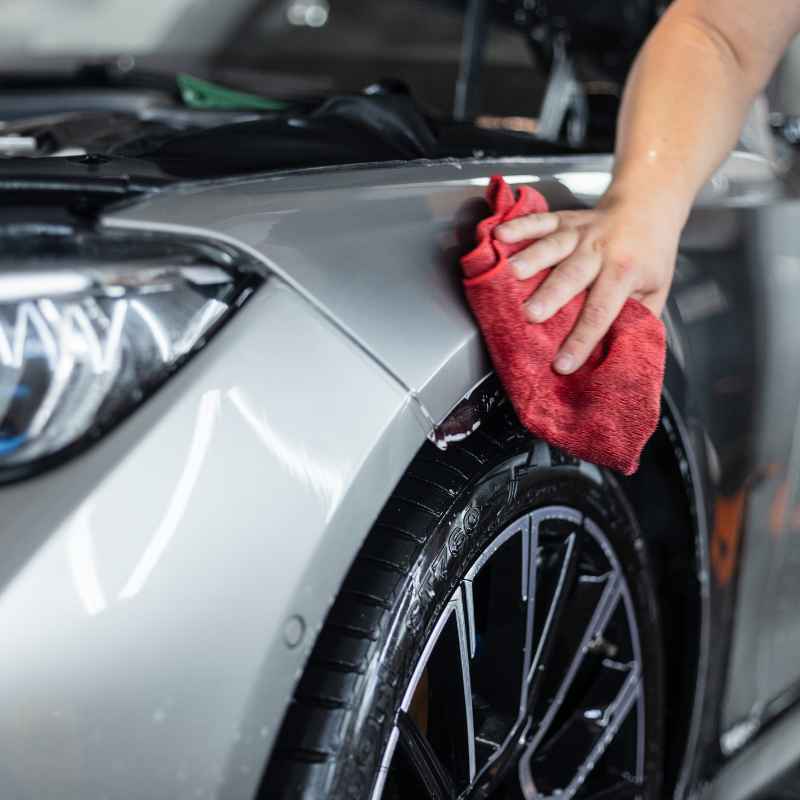
My Own Concrete Calamity
I remember one particularly stressful afternoon. I was moving into a new apartment, and the moving truck company had hired some local folks to help with the heavy lifting. They were great, really strong guys.
But one of them, clearly distracted by the heat and the sheer weight of the furniture, bumped a bucket of wet concrete. A good splash went right onto the hood of my then-new sedan. My stomach dropped.
I saw it happen in slow motion. The grey splatters landed with a soft thud. Immediately, I could see them start to spread and harden in the bright sun.
I felt a wave of pure dread wash over me. My first thought was, “This is going to scratch my paint.” I pictured myself with a putty knife, desperately trying to chip it off, only to make things worse. It felt like a disaster had just happened to my car’s perfect finish.
I rushed to find water. I grabbed a hose and tried to blast it off, but it was already too late. The concrete had begun to bond.
It looked like a terrible, abstract art piece had been applied to my car. I spent the next hour looking up solutions online, feeling increasingly anxious. Some forums suggested harsh chemicals.
Others talked about razor blades. I knew that couldn’t be the right way for a car’s delicate paint. I finally found a few tips about using specific solvents and a lot of patience.
It took time, and I was so careful. I didn’t want to regret my attempt to fix it. The relief when the last bit of concrete finally came off, leaving the paint unharmed, was immense.
It taught me a valuable lesson about tackling these kinds of problems calmly and correctly.
Quick Scan: Concrete Removal Steps
- Rinse First: Always start with a good rinse.
- Soften Up: Use a specialized concrete remover.
- Wait Patiently: Let the product work.
- Gentle Wipe: Use a soft cloth.
- Re-rinse: Wash away residue.
- Inspect: Check for any remaining spots.
- Protect: Wax your car afterward.
What Happens When Concrete Dries on Paint?
When wet concrete lands on your car, it’s like a tiny, unwanted science experiment. The cement in the concrete starts to react with water. This process is called hydration.
It causes the mixture to harden and gain strength. This reaction is also what makes it stick. The minerals in the concrete can actually bond with the clear coat of your car.
Think of it like a super strong glue setting. The longer it stays there, the stronger that bond gets. It’s not just sitting on the surface; it’s starting to meld with it.
The danger comes from a few things. First, the concrete itself is rough. Even after it dries, it has a gritty texture.
If you try to rub it hard, that grit can act like sandpaper. It will scrape away the clear coat. This leaves behind dull spots or even scratches.
Second, some concrete mixes contain chemicals. These can be acidic or alkaline. Over time, these chemicals can actually eat away at your car’s paint.
They can cause etching. This means the surface of the paint is damaged. It looks like small pits or cloudy areas.
This is more serious than a scratch. It changes the actual surface of the paint. So, letting it sit is never a good idea.
The temperature also plays a role. Hot surfaces speed up the drying and hardening process. If your car is parked in the sun, the concrete will set much faster.
It will also become harder to remove. Cold temperatures can slow it down a bit. But the real enemy here is time.
The longer it’s there, the tougher it is to get off cleanly. Understanding this helps us know why we need specific methods. We can’t just wipe it off with a dry rag.
We need to break down that bond safely.
Contrast: Normal vs. Concerning Concrete Spots
Normal
Fresh, small spots.
Recently applied.
Easy to soften.
No paint damage yet.
Concerning
Old, large patches.
Hardened over days.
Resistant to softening.
Signs of etching or dullness.
Paint feels rough.
Choosing the Right Approach: Gentle is Best
When you first see those grey splotches, the urge to grab something harsh might be strong. Maybe a plastic scraper? Or even a stiff brush?
Please, resist that urge! Those methods almost always lead to scratches. The key to removing dried concrete from your car is patience and using the right products.
We want to dissolve the concrete, not scrape it away. This means using a chemical that breaks down the cement’s bond. Think of it like dissolving sugar in water, but for concrete and paint.
There are several types of products that can help. Some are specifically made for removing concrete from cars. These are usually the safest bet.
They are formulated to be tough on concrete but gentle on automotive paint. Other options might include strong automotive degreasers. Some people have had luck with citrus-based cleaners.
These can help break down sticky residues. For tougher spots, a dedicated concrete remover is often the best choice. It’s always wise to read reviews and ensure the product is safe for car paint.
Remember, testing is crucial. Before you cover your entire hood with a new cleaner, try it on a small, hidden spot. A lower corner of a panel, for instance.
This way, you can see if it discolors or damages the paint. If it’s safe there, it’s likely safe elsewhere.
The process itself usually involves applying the cleaner, letting it sit for a period to work its magic, and then gently removing the softened concrete. This gentle removal is critical. Instead of scrubbing, think about blotting or wiping with a soft microfiber cloth.
For very stubborn bits, a plastic razor blade might be used. But only as a last resort, and with extreme caution. And always with plenty of lubricant.
The goal is to float the concrete off, not to dig it out. So, remember: patience, the right product, and a gentle touch.
Split Insight Panel: Product Categories
Specific Concrete Removers:
These are often the safest and most effective. They are designed to break down cement without harming paint.
Heavy-Duty Automotive Degreasers:
Some powerful degreasers can work, especially on fresher spots. Always check they are paint-safe.
Citrus-Based Cleaners:
These can be helpful for lighter deposits. They offer a more natural approach but may need more time.
Vinegar (Diluted):
A weak acid, vinegar can sometimes help soften concrete. Use with caution and dilute it significantly. Rinse thoroughly afterward.
The Step-by-Step Removal Process
Let’s walk through this. Imagine you’ve just spotted the concrete. Don’t panic.
Here’s how to tackle it step-by-step. This method focuses on safety and effectiveness, keeping your car’s paint in mind.
1. Initial Rinse
First things first, grab your garden hose. Give the entire area with the concrete spots a good rinse. This washes away any loose debris.
It also helps to cool down the surface. A cool surface is always better for working with cleaners. Don’t use a high-pressure washer at this stage.
We’re just getting rid of the surface dirt and making things ready for the next step.
2. Apply Your Chosen Remover
Now it’s time for the cleaner. If you’re using a dedicated concrete remover, follow the product’s instructions. Usually, you’ll spray it directly onto the concrete spots.
If you’re using something else, like a degreaser, apply that. Make sure you’re covering the entire dried concrete patch. If you’re worried about overspray on surrounding paint, you can use a small brush to apply it just to the spot.
But most dedicated removers are safe for car paint if used as directed.
3. Let It Soak (The Waiting Game)
This is where patience comes in. You need to let the remover do its job. The product needs time to break down the hardened cement.
The time can vary depending on the product and how old the concrete is. It could be anywhere from 5 minutes to 30 minutes, or even longer. Some products might suggest covering the area with plastic wrap.
This keeps the remover from drying out too quickly. It allows it to work more effectively. During this time, the concrete should start to soften.
You might see it begin to bubble or change color slightly. Resist the urge to touch it or scrub it during this soaking period.
4. Gentle Removal
Once the soaking time is up, it’s time to gently remove the softened concrete. Grab a clean, soft microfiber cloth. You can also use a soft-bristled brush, like an old toothbrush that’s been cleaned.
Start by gently wiping the area. The concrete should start to come away. If it’s still very stubborn, you can try a plastic razor blade.
Hold it at a very low angle to the surface. Use it with plenty of lubricant. You can use a car wash soap and water mixture as a lubricant.
Or, you can spray more of your concrete remover. The key is not to force it. If it’s not coming off easily, it needs more soaking time or a stronger product.
Don’t dig into the paint. Work in small sections.
5. Rinse Again
After you’ve removed the bulk of the concrete, rinse the area thoroughly. This removes any leftover cleaner and dissolved concrete residue. Make sure all the product is washed away.
You don’t want any of it drying on your paint. You might need to wash the car gently in that area with a car shampoo. This ensures all traces of the cleaner are gone.
6. Inspect and Repeat if Necessary
Look closely at the area. Are there any remaining spots? Is the paint smooth?
If there are still traces of concrete, you may need to repeat the process. Sometimes, especially with very old or thick concrete, multiple applications are needed. If you encounter significant resistance, it might be time to consult a professional detailer.
Pushing too hard can cause damage you can’t easily fix.
7. Protect Your Paint
Once you’re sure all the concrete is gone and the paint is clean, it’s a good idea to protect the area. Apply a coat of car wax or a paint sealant. This will help restore the shine.
It also adds a protective layer to your car’s finish. This layer can help prevent future problems.
Observational Flow: The Removal Cycle
Spotting Concrete -> Initial Rinse (Cool Down) -> Apply Remover (Targeted) -> Soaking Period (Patience is Key) -> Gentle Wiping/Blotting (Microfiber is Your Friend) -> Rinse Thoroughly (No Residue) -> Inspect Closely (Repeat if Needed) -> Protect Surface (Wax/Sealant).
Real-World Scenarios and Prevention
Let’s talk about where and why this often happens. Knowing the context can help you avoid it in the first place.
Construction Zones
This is probably the most common place to encounter wet concrete splatter. Construction trucks, especially cement mixers, are notorious for this. They can be carrying heavy loads, and the vibrations can dislodge wet materials.
If you have to drive through or near an active construction zone, consider slowing down. Keep a good distance from these trucks. If possible, try to drive in the middle lane if there are multiple lanes.
This can offer a bit more buffer.
Home Renovation Projects
If you or a neighbor are doing some concrete work, like pouring a patio or driveway, be aware. Spills can happen. They can happen during transport, mixing, or pouring.
If you park your car nearby, consider moving it to a safer spot. Even a small splash can turn into a big problem later. If you’re the one doing the work, be extra careful.
Lay down tarps to catch any drips. Keep vehicles well away from the work area.
Accidental Splashes
Sometimes, it’s just bad luck. A passing car might hit a puddle of wet cement someone spilled earlier. Or maybe a work crew is cleaning their tools nearby.
These situations are harder to control. The best prevention here is awareness. Pay attention to your surroundings.
If you see wet cement, try to give it a wide berth.
What If It’s Old and Hardened?
If you find concrete that’s been on your car for days or weeks, it’s a tougher job. It’s fully cured and bonded tightly. You’ll need a strong remover and likely more patience.
You might also need to use the plastic razor blade method more. But again, caution is key. If it’s really old and you’re hesitant, professional help is a good idea.
They have specialized tools and knowledge.
Quick-Scan Table: Prevention Tips
| Scenario | Prevention Strategy |
| Construction Zones | Slow down, increase distance, use middle lane. |
| Home Renovation Nearby | Move car, cover car, be aware of spills. |
| Washing Tools/Equipment | Avoid parking near cleaning areas. |
| Unknown Splashes | Stay alert, observe surroundings. |
When to Worry and When It’s Just a Spot
It’s easy to get worked up about a few specks of concrete. But knowing what to look for can help ease your mind. Most of the time, a few small spots are totally manageable.
Normal Spots
If you catch it relatively soon, and it’s just a few small dots or drips, you’re likely in the clear. These are the ones where a good remover and some gentle wiping will do the trick. The paint might feel slightly rough to the touch, but after cleaning, it should feel smooth again.
And the shine should come back with wax.
When to Call for Help
You might need to worry if:
- The concrete has been on for a very long time: We’re talking weeks or months. It has had plenty of time to bond and potentially etch.
- You notice etching or dullness: If the paint looks cloudy or has small pit marks where the concrete was, that’s etching. This means the paint surface itself is damaged.
- Scraping seems necessary, but risky: If you’ve tried removers and gentle wiping, and the concrete is still rock-hard and bonded, you might be tempted to use something sharp. This is where professional help is best. They know how to do this safely.
- The concrete is in a very awkward or visible spot: Like right on a body line or a character crease. These areas are more delicate.
If you’re unsure, it’s always better to be safe. A professional detailer has the experience. They also have the right tools and chemicals to handle tough jobs without damaging your car.
Quick Fixes and Tips
Here are some quick tips that can make the whole process smoother:
- Always test first: I can’t say this enough. Test any cleaner on an inconspicuous spot.
- Use plenty of lubricant: When using anything sharp, like a plastic razor blade, always have lots of water and soap or the concrete remover itself to keep the area slick.
- Work in the shade: Direct sunlight can dry out removers too quickly. It can also make the paint too hot to work on comfortably and safely.
- Microfiber is your friend: Use only clean, soft microfiber cloths. Avoid paper towels or old rags. They can be too abrasive.
- Don’t rush: This is the most important tip. Patience will save you from costly mistakes.
- Have a bucket of water handy: For rinsing your cloths and the area.
Frequently Asked Questions About Dried Concrete on Cars
Can I use a regular household cleaner to remove concrete?
While some strong household cleaners might seem tempting, it’s best to avoid them. They aren’t formulated for automotive paint and can cause damage, like stripping the clear coat or causing discoloration. Stick to products designed for cars or specifically for concrete removal from vehicles.
Will Goo Gone remove dried concrete from my car?
Goo Gone is great for many sticky residues, but it’s generally not strong enough for fully dried and hardened concrete. It might help with very fresh, soft splatters, but for older spots, you’ll need a more specialized concrete remover.
Is it okay to use WD-40 on dried concrete spots?
WD-40 can sometimes help loosen things, but it’s not its primary purpose. It might offer a little help on very light, fresh spots by providing lubrication. However, it’s not a concrete dissolver.
For best results, use a product specifically designed for this task.
How long does it typically take to remove dried concrete?
The time can vary a lot. Fresh spots might come off in minutes. Older, hardened concrete can take 30 minutes to an hour, or even longer if multiple applications are needed.
Patience is key; rushing the process can lead to scratches.
What if I scratched my car trying to remove the concrete?
If you notice light scratches, they might be correctable with a polishing compound. For deeper scratches, you might need to seek professional paint correction or even repainting. It’s always best to try the gentle methods first to avoid this.
Can I use a pressure washer to remove dried concrete?
Using a pressure washer directly on dried concrete spots can be very risky. The high pressure can easily damage your car’s paint, especially if the concrete is hard. It’s better to use it for rinsing away loosened debris after applying a chemical remover.
Are there any DIY methods that are safe for car paint?
A highly diluted vinegar solution (e.g., 1 part vinegar to 10 parts water) can sometimes help soften very light concrete spots. Always test this first and rinse very thoroughly afterward. However, dedicated concrete removers designed for automotive use are generally safer and more effective.
Conclusion
Dealing with dried concrete on your car is a stressful experience. It can feel like a permanent blemish. But with the right knowledge and a gentle approach, you can remove it safely.
Remember to rinse first, use a suitable remover, let it soak, and always be gentle. Patience is your best tool. Avoid harsh scrubbing or sharp objects.
Protecting your car’s paint is the top priority. After removal, a good wax will restore shine and offer protection. You can handle this, and your car will be looking great again.
Products related to this article
Sponsored / affiliate links. As an Amazon Associate I earn from qualifying purchases. I may earn additional commission from eligible campaigns.