Can You Lock Keys Inside a Car Explained
Sometimes, the simplest questions can be the most confusing, especially when you’re in a pinch. You might be wondering, “Can You Lock Keys Inside a Car? Explained” is a common worry because it’s easy to do, and panic can set in fast.
Don’t worry! We’ll walk through this with easy steps. We’ll show you what happens and what you can do right away.
Let’s get this sorted out so you can get back on track.
Understanding If Keys Can Lock In A Car
It’s a common fear many drivers have: accidentally locking their keys inside their car. This situation can happen more easily than you might think, and for new drivers, it might seem like a complex problem. The good news is that modern cars have safety features designed to prevent this, but sometimes technology can be bypassed or can malfunction.
We’ll break down the common scenarios and explain why this is a question many people ask. You’ll learn exactly how your car’s system works and what might lead to locked keys.
How Car Doors Lock
Car doors lock using a system of electronic or mechanical actuators. When you press the lock button on your key fob or on the door itself, a signal is sent to these actuators. These actuators then physically move a rod or lever inside the door panel.
This action engages the locking mechanism, preventing the door from being opened from the outside or inside. Different car models have varying designs, but the core principle remains the same. Older cars might rely more on physical cables and levers, while newer ones use electrical signals and small motors.
The complexity of this system means there are several points where things can go wrong or where specific conditions need to be met for the locks to engage. For example, many cars require the key to be completely out of the ignition for the doors to lock remotely. Some even have sensors that detect if a door is ajar and will prevent locking until all doors are closed.
Understanding these basic mechanics helps clarify why the question “Can You Lock Keys Inside a Car?” arises.
Electronic Locking Mechanisms
Modern cars predominantly use electronic locking systems. These systems are controlled by a Body Control Module (BCM), which is essentially a small computer that manages various functions, including door locks, windows, and interior lights. When you press the lock button on your key fob, it sends a radio frequency signal to a receiver in your car.
The BCM interprets this signal and commands the door lock actuators to engage. The same process happens when you use the lock button inside the car, though this signal is usually sent directly to the BCM via the car’s internal network.
These electronic systems offer convenience but can sometimes be the source of confusion. For instance, if the car’s battery is low or disconnected, the electronic locks may not function correctly. Similarly, if there’s a glitch in the BCM’s software, it might behave unexpectedly.
The key fob itself also contains a battery that needs to be functional. If the key fob battery is dead, you won’t be able to lock or unlock your car remotely, leading to situations where you might need to use the physical key. Some cars also have a feature where the doors automatically lock after a certain speed is reached, or after a set amount of time if you unlock the car but don’t open a door.
This is designed for security but can also contribute to accidental lockouts.
Mechanical Locking Systems
Older vehicles often rely on purely mechanical locking systems. In these cars, the lock button on the door or the key in the door cylinder directly moves rods and linkages connected to the latch mechanism. There are no electronic signals involved.
When you turn the key in the door or push down the lock plunger, you are physically moving parts that secure the door. The key acts as a direct interface to engage or disengage this mechanical lock.
While seemingly simpler, mechanical systems can still lead to lockouts. For example, if the linkage inside the door becomes loose or breaks, the lock may not engage properly. Conversely, if it gets jammed, it might be difficult to unlock.
Many older cars also lacked the sophisticated anti-lockout features found in modern vehicles. This means if you were to close the door with the keys in the ignition or on the seat, the doors would simply lock behind you. The physical key itself is the primary means of operation.
If you lose this key, or if it breaks, it can be a significant problem for mechanical lock systems.
Common Scenarios Leading To Lockouts
Several everyday situations can lead to accidentally locking your keys inside your car. These often involve distractions or a moment of haste. Understanding these common pitfalls can help you avoid them.
For beginners, these scenarios might seem baffling, but they happen to experienced drivers too.
The Distracted Driver
One of the most frequent causes of lockouts is simple distraction. Imagine you’re carrying groceries, a child, or several bags. You might be focused on getting everything inside your house or your car quickly.
In this rush, you might place your keys on the seat or in a cupholder while you open the door, and then inadvertently close the door, which then locks automatically. Many cars have an auto-lock feature that engages after a few seconds if the doors are unlocked but not opened, or after reaching a certain speed. If your keys are inside when this happens, you’re locked out.
Another distraction scenario involves multitasking. Perhaps you’re on the phone, talking to a passenger, or looking for something in your bag. Your attention is divided, and you might absentmindedly press the lock button on the door panel before retrieving your keys.
Or, you might exit the vehicle with the keys still in the ignition, close the door, and then the car’s system, if designed to do so, locks itself. These moments of inattention are surprisingly common and highlight the need for awareness even in routine actions.
Key Fob Malfunctions or Dead Batteries
Modern key fobs are convenient, but they can also be a source of lockouts. If the battery in your key fob dies, you won’t be able to use the remote unlock or lock functions. This can be problematic if your car’s physical keyhole is hidden or if you’ve become accustomed to using only the fob.
You might not realize the battery is dead until you try to open your car. If you then have to exit your car and the doors lock behind you, you’ll be stuck.
Beyond dead batteries, key fobs can sometimes experience electronic glitches. A signal might not transmit properly, or the car’s receiver might not pick it up. In some cases, extreme weather conditions, like very cold temperatures, can affect the performance of the key fob’s electronics or even the car’s locking mechanisms.
If you’ve tried to lock your car with the fob and it doesn’t seem to respond, it’s wise to check with the physical key before assuming it’s locked. Relying solely on technology without a backup plan can lead to unexpected lockout situations.
Automatic Locking Features
Many cars are equipped with automatic locking features as a security measure. These can include doors that lock after a certain speed is reached (usually around 10-15 mph) or doors that automatically lock if you unlock the car with the remote but don’t open any doors within a specific timeframe, often 30 seconds. While these features are designed for safety, they can contribute to accidental lockouts if you’re not mindful of them.
For instance, you might unlock your car to let a passenger out or to grab something, then get distracted. If you don’t open a door within the set time, the car will relock itself. If your keys were on the seat or dashboard, they are now inside.
Similarly, if you’re working on your car or loading it up and have the doors open, and the auto-lock feature is set to activate after a short delay when the doors are closed, you could accidentally lock the keys inside. It’s important to know if your car has these features and how they work to avoid being caught off guard.
Can You Lock Keys Inside A Car? Yes And Here’s How
The direct answer to “Can You Lock Keys Inside a Car?” is unequivocally yes. While modern safety features try to prevent it, human error and specific circumstances can still lead to keys being locked inside. This section will detail how it can happen and why it’s a common concern.
The Role of Keyless Entry and Start Systems
Cars with keyless entry and push-button start systems are designed to be highly convenient. You can often leave the key fob in your pocket or bag and still unlock the doors by touching a sensor on the door handle and start the engine by pressing a button. However, these systems, while advanced, are not foolproof and can contribute to lockouts in unique ways.
For example, if the key fob battery is critically low, the car might still be able to detect it for starting the engine, but the sensors for unlocking the doors might not work reliably. This can lead to a situation where you can start your car but cannot unlock it, or you might accidentally lock it. Another scenario involves the car’s proximity sensors.
If the key fob is just outside the sensor’s range, the car might not recognize it as being present, and thus might allow the doors to be locked with the fob still inside. Some systems have an override that requires the key to be within a certain proximity for the doors to unlock or remain unlocked, but if this detection fails, lockouts can occur.
Accidental Button Presses
It’s surprisingly easy to accidentally press the lock button on your key fob, especially if it’s loose in your pocket or bag. You might be reaching for your phone or wallet and your hand brushes against the fob, pressing the lock button without you realizing it. If the car is within range, it will lock.
If your keys are also inside the car at that moment, you’ve created a lockout situation.
Similarly, the lock button located on the interior door panel is also a common culprit. When exiting the vehicle, if you’re not paying attention, you might rest your hand on or near the lock button and inadvertently press it before you take your keys with you. Many cars have a ‘lock all doors’ button integrated into the driver’s door panel.
A quick, unintentional press of this button while exiting can lead to the very problem the question addresses. These accidental presses are often a result of habit or inattentiveness, rather than a deliberate action.
Key Left In Ignition (Older Models)
In older vehicles, leaving the keys in the ignition was a significant cause of lockouts. Many older cars would not automatically lock the doors if the key was in the ignition, even if you tried to lock them from the outside. However, if you were in the habit of removing the key and then placing it on the seat, or if you were exiting the car and the door was closed after you, and there was no auto-lock feature, you would simply be locked out with the keys visible inside.
Some older cars did have a mechanism where turning the key to a specific position might allow the doors to lock from the outside. However, the presence of the key in the ignition often prevented the locking mechanism from fully engaging or prevented the doors from locking at all. This was a design choice intended to prevent drivers from accidentally locking their keys inside, but it also meant that if the key was misplaced or lost, entry could be difficult.
The shift towards electronic keyless systems has reduced this specific type of lockout, but the underlying risk of leaving keys behind still exists.
What To Do If You Lock Keys In Your Car
Finding yourself in a situation where your keys are locked in your car can be stressful. Fortunately, there are several steps you can take to resolve the issue. The best course of action depends on your vehicle, your location, and the resources available to you.
Using A Spare Key
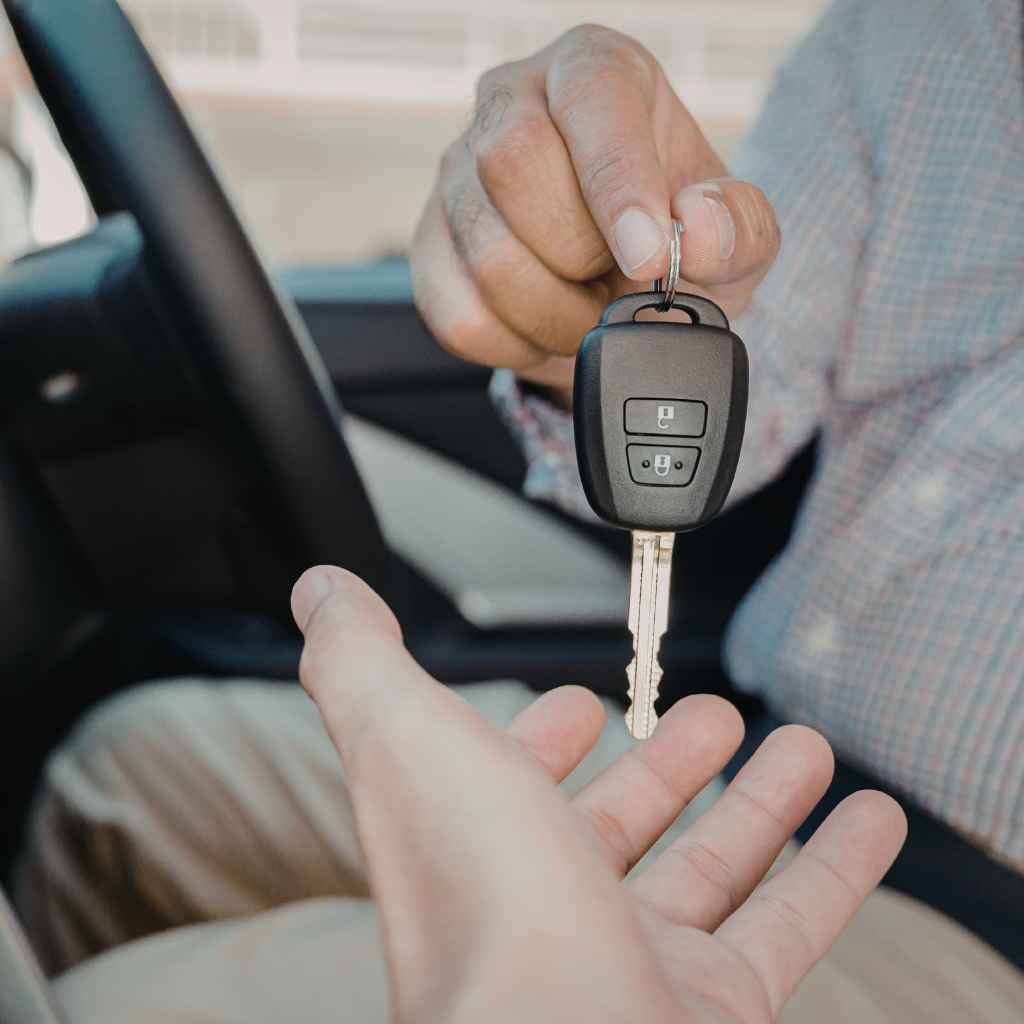
The most straightforward solution, if available, is to use a spare key. If you have a spare key at home, or if a family member or friend can bring you one, this is the quickest and cheapest way to regain access to your vehicle.
Retrieving A Spare Key From Home
If your spare key is at your residence, you’ll need to arrange for someone to bring it to you or go and get it yourself. This might involve calling a partner, roommate, or family member. It’s a good idea to keep a spare key in a secure location outside your home, perhaps with a trusted neighbor, in case you lock yourself out of your house as well as your car.
This provides an extra layer of security and accessibility.
When planning for spare keys, consider keeping one in a completely separate location from your primary set. This could be in your wallet, at your office, or with a close relative. The convenience of having a spare key readily accessible can save a lot of time and money when an lockout situation occurs.
Many dealerships can also provide a replacement key if you’ve lost both your primary and spare keys, but this is typically a more expensive option.
Using A Second Key Fob
If your car came with multiple key fobs, and you have one of them with you or accessible, this is your best bet. Modern key fobs are programmed specifically to your vehicle. If you have a second fob, you can use it to unlock your car doors remotely, just as you would with your primary fob.
This bypasses the need to physically insert a key into a lock cylinder.
It’s worth noting that some car manufacturers offer features that allow you to remotely unlock your car via a smartphone app, provided you have subscribed to their connected services. This acts as a digital spare key. However, this usually requires an active subscription and a functioning internet connection for both your phone and the car’s communication module.
If you only have one key fob and it’s locked inside, this app feature can be a lifesaver.
Calling For Assistance
If a spare key isn’t an option, or if you’re in a remote location, you’ll likely need to call for professional assistance. There are several services that can help you regain access to your locked vehicle.
Roadside Assistance Services
Many insurance policies and auto clubs offer roadside assistance as part of their coverage. This often includes services like lockout assistance, where a technician will come to your location and help you unlock your car. They typically use specialized tools to gently open the car door without causing damage.
Before calling your roadside assistance provider, check your policy details. Some policies might have a limit on the number of lockout service calls per year, or there might be a deductible. It’s always a good idea to know what your coverage includes before you find yourself in an emergency.
Many roadside assistance plans are quite comprehensive and can also help with flat tires, dead batteries, and towing, making them a valuable service for any driver.
Professional Locksmiths
Automotive locksmiths specialize in car locks and keys. They have the expertise and tools to open virtually any car door without causing damage. Locksmiths can often be a faster option than roadside assistance if you need immediate help, especially during off-hours when roadside services might have longer wait times.
When choosing a locksmith, look for one that is reputable and licensed. It’s wise to get a quote over the phone before they come out, so you have a clear understanding of the cost involved. Many locksmiths can also make new car keys on the spot if you’ve lost yours, which can be a significant advantage if you don’t have a spare.
Their specialized knowledge ensures they can handle various lock mechanisms, from simple older car locks to complex modern electronic systems.
Using Your Car’s Connected Services
Many new vehicles come equipped with connected services that allow you to control certain vehicle functions remotely via a smartphone app. This can be a lifesaver if you’ve locked your keys inside.
Smartphone Apps
If your car has a subscription to a service like OnStar, FordPass, or similar manufacturer-specific apps, you may be able to unlock your car remotely using your smartphone. You’ll typically need to log in to your account through the app, and then select the option to unlock your vehicle. The command is sent wirelessly to your car.
These services usually require an active subscription and that your car’s telematics unit is functioning and has a cellular signal. The convenience of unlocking your car from miles away is a major benefit of these technologies. It eliminates the need to wait for a tow truck or locksmith in many cases.
It’s a good idea to familiarize yourself with your car’s connected services app and its capabilities before you need it.
Emergency Unlock Services (Manufacturer Provided)
Some car manufacturers offer direct emergency unlock services. You can call their customer service line, provide proof of ownership, and they can often remotely unlock your vehicle. This service is usually available 24/7 but might require you to have registered your vehicle with the manufacturer beforehand.
These services are a direct line to the manufacturer’s system and can be very efficient. They bypass the need for a third-party app or a subscription to a general roadside service. It’s always a good idea to have the manufacturer’s customer service number handy for your specific car model.
This can be found in your owner’s manual or on the manufacturer’s website. It’s a direct solution from the people who built your car.
Preventing Future Lockouts
Now that we’ve explored the question “Can You Lock Keys Inside a Car? Explained” and what to do if it happens, let’s focus on how to prevent it from occurring in the first place. A few simple habits and precautions can save you a lot of trouble.
Develop Good Habits
Consistency in your actions can prevent accidental lockouts. Make it a routine to always take your keys with you when you exit the vehicle.
Always Take Your Keys
This sounds obvious, but it’s the most effective preventative measure. Make a conscious effort to grab your keys every single time you open the car door. Develop a habit of putting them in your pocket, purse, or hand immediately after exiting.
This simple action eliminates the possibility of leaving them inside.
One useful trick is to place your keys in your non-dominant hand when exiting. Since you’re less accustomed to using that hand for this task, it can help break the auto-pilot mode that often leads to forgetting your keys. Another strategy is to always lock your car manually with the physical key or button on the door before closing the door.
This ensures you have the keys in your hand when the locking action occurs.
Be Aware of Auto-Lock Features
Understand how your car’s automatic locking features work. If your car locks after a certain speed or time if a door isn’t opened, be mindful of this. When you unlock your car, make sure you intend to enter it promptly, or have your keys in hand.
If you’re just opening it to grab something, be prepared to re-lock it or have your keys ready.
Knowing these features can prevent you from being surprised. For instance, if you’re loading or unloading items, and you know your car will lock after 30 seconds, you can plan your movements accordingly. You might choose to keep the door open longer, or have someone else stand by with a key.
Educating yourself about your vehicle’s specific functions is a key part of preventing lockouts.
Utilize Technology and Accessories
Beyond personal habits, technology and accessories can offer additional layers of security and convenience.
Key Finders and Trackers
Small Bluetooth trackers like Tile or Apple AirTag can be attached to your keychain. If you misplace your keys, you can use your smartphone to make the tracker emit a sound or show you their last known location. This is incredibly helpful if you’re prone to misplacing your keys around the house or office.
While these trackers are primarily for finding lost keys, they indirectly help prevent lockouts by ensuring you know where your keys are before you leave your vehicle. If you’re about to close the door and your phone indicates your keys are still inside, you can quickly retrieve them. The peace of mind knowing you can locate your keys easily is invaluable.
Spare Key Management
Ensure you have a reliable spare key and that it’s stored safely. Consider getting a high-quality spare key from your dealership or a reputable automotive locksmith. Store this spare key in a secure and accessible location, such as with a trusted family member or friend, or in a secure safe deposit box.
Some drivers opt for a hidden key compartment in their vehicle, though this carries risks if discovered. A more practical approach is to have a spare key accessible to someone you trust who lives nearby. This ensures that even if you’re far from home, you have a backup option.
Regularly test your spare key to ensure it’s still functional, especially if it’s been stored for a long time.
Understanding Keyless Entry Limitations
Familiarize yourself with the specific limitations of your car’s keyless entry system. Know the approximate range of the key fob and what might interfere with its signal, such as other electronic devices or dense building materials. If you’re standing far from your car and try to lock it, and it doesn’t respond, don’t assume it’s locked.
Double-check with the physical key or get closer.
When dealing with very low battery levels in either the key fob or the car’s main battery, be extra cautious. These are the times when the electronic systems are most likely to behave erratically. If your car is displaying low battery warnings, it’s a good indicator to be more attentive to your key fob’s functionality and to ensure you have your physical key readily available.
How Car Lock Mechanisms Work With Keys
The interaction between your car’s locks and keys is a fundamental aspect of vehicle security. Whether mechanical or electronic, the key is the primary tool designed to operate these systems. Understanding this relationship helps explain why keys are so critical and why locking them inside can be such an issue.
Mechanical Key and Lock Interaction
In a mechanical lock system, the key is cut with a specific pattern of teeth and grooves. When you insert the key into the lock cylinder, these cuts align with pins or tumblers inside the cylinder. Each pin has a bottom and top half, separated by a shear line.
For the lock to turn, all the pins must be lifted to the exact height so that the break between their top and bottom halves aligns perfectly with the shear line.
This precise alignment allows the cylinder to rotate freely within the lock housing. The rotation of the cylinder then engages a mechanism, usually a rod or cable, that retracts or extends the latch to lock or unlock the door. If the key’s cuts are incorrect, the pins will not align properly, and the cylinder will not turn, thus preventing the lock from being operated.
This is why only the correct key will work for a specific lock.
The Role of Tumblers and Pins
Inside a traditional car door lock cylinder, you’ll find a series of spring-loaded pins. These pins are typically divided into two sets: the plug pins (which extend into the cylinder) and the driver pins (which are pushed by the springs). When the incorrect key is inserted, or no key is present, the driver pins are pushed down into the cylinder, preventing it from rotating.
The springs keep the pins seated in this position.
When the correct key is inserted, its unique cuts push the plug pins upwards to specific heights. The shape of the key is designed such that the tops of the plug pins, and the bottoms of the driver pins, all align perfectly at the shear line when the correct key is fully inserted and turned. This alignment is what allows the cylinder to rotate.
Without this precise interaction, the lock remains secure.
Physical Key Security
The physical key provides a tangible security measure. Its unique cut pattern makes it difficult to replicate without the original key or detailed specifications. This is why losing a physical key can be a significant security concern, as it could potentially allow unauthorized access to the vehicle.
The mechanical nature of these locks means they are not susceptible to electronic interference or signal jamming.
The design of a physical key also considers usability. The shape and material are chosen for durability and ease of handling. While mechanical locks are robust, they can wear down over time, leading to difficulty in turning or jamming.
Regular maintenance and care for your physical keys and locks can ensure their longevity and continued security.
Electronic Key Fob Functionality
Electronic key fobs use radio frequency (RF) signals to communicate with the car. They contain a small transmitter and a microchip that generates a unique, rolling code each time the button is pressed. This rolling code technology enhances security by making it much harder for thieves to intercept and reuse a code.
Rolling Codes and Signal Transmission
When you press a button on your key fob, it sends a specific code to a receiver in your car. This code is not static; it changes with each use according to a complex algorithm shared between the fob and the car’s receiver module. The car’s system decodes the signal, verifies the rolling code, and if it matches the expected sequence, it activates the requested function, such as unlocking the doors or arming the alarm.
This prevents code grabbing, a technique where thieves record a single code and try to use it later.
The range of the key fob signal is limited, typically a few dozen feet. Environmental factors like walls, other electronic devices, and even weather can affect this range. This is why you often need to be relatively close to your car for the fob to work effectively.
The battery inside the fob powers the transmitter and microchip, and its depletion is a common reason for the fob to stop working.
Keyless Entry and Start Systems
Modern keyless entry and start systems go a step further. They don’t require you to press a button on the fob. Instead, they use low-frequency radio signals to detect the fob’s presence within a certain proximity of the vehicle, often within 3 feet.
When the car detects the authorized fob, it allows you to unlock the doors by touching a sensor on the handle and start the engine by pressing the start button, all without taking the fob out of your pocket or bag.
These systems typically use two types of radio frequencies: one for detecting the fob’s presence (usually around 125 kHz) and another for transmitting commands and codes (usually around 315 MHz or 433 MHz). The car constantly emits a low-frequency signal to look for the fob. When the fob is within range, it responds with a higher-frequency signal.
The car then verifies the fob’s identity and authorizes access. If the fob is not detected, the car’s doors will remain locked, and the engine will not start, which is another layer of security but can also be a source of lockout if the fob is inside the car and the doors lock.
FAQ Section
Question: Can I unlock my car if I lock the keys inside using the car’s door panel button?
Answer: In most modern cars, if you lock the doors using the interior button and your keys are inside, you will need a spare key, roadside assistance, or a locksmith to unlock the car. Some older models might have had manual overrides, but this is rare. Your car’s electronic system often prevents locking if the key is detected in the ignition, but not always if the key is on the seat.
Question: What should I do if my key fob battery is dead and I’m locked out?
Answer: Most car doors have a hidden physical keyhole, often under a small cover on the door handle. You can use your physical key (usually stored separately or inside the fob itself) to manually unlock the door. Once inside, you might be able to start the car using the fob placed directly on the start button or in a specific slot designed for low-battery fobs.
Question: Are there any risks to using a locksmith to open my car?
Answer: Reputable locksmiths use specialized tools designed to open car doors without causing damage to the paint, weather stripping, or locking mechanisms. However, with inexperienced or careless individuals, there is always a small risk of minor cosmetic damage. It’s important to choose a licensed and insured locksmith.
Question: Can I open my car with my phone if I don’t have a dedicated app?
Answer: Generally, no. Unless your car is equipped with a specific manufacturer-provided connected service app that allows remote unlocking (like OnStar or FordPass), your standard smartphone cannot directly unlock your car doors without specific integration. You would need to rely on spare keys or professional services.
Question: How much does it typically cost to get help for a car lockout?
Answer: The cost can vary widely depending on your location, the time of day, and the service provider. Roadside assistance through an auto club or insurance might be included in your membership or policy, with a small deductible. Calling an independent locksmith can range from $50 to $150 or more.
Manufacturer-specific remote unlocking services might have a monthly fee or a per-incident charge.
Summary
So, can you lock keys inside a car? Yes, it happens more than you think. Understanding your car’s locking system, common lockout scenarios, and having a plan with spare keys or assistance services are key.
Always be mindful of your keys when exiting. Taking simple precautions can save you from a stressful lockout experience.