Can You Negotiate With Car Dealers: Tips for Success
Yes, you can negotiate with car dealers. Negotiating can save you money.
It can also help you get better deals on extras. Buying a car is a big decision. It’s also a major expense. Many people feel unsure about negotiating. They worry they might not get the best deal. But negotiation is a common part of the car buying process.
Car dealers expect it. Knowing how to negotiate can make a big difference. It can help you get a better price. It can also help you get more value for your money. In this blog post, we will explore tips and strategies. These will help you feel confident and prepared. Ready to get the best deal on your next car purchase? Let’s dive in!

Credit: m.youtube.com
Preparing For Negotiation
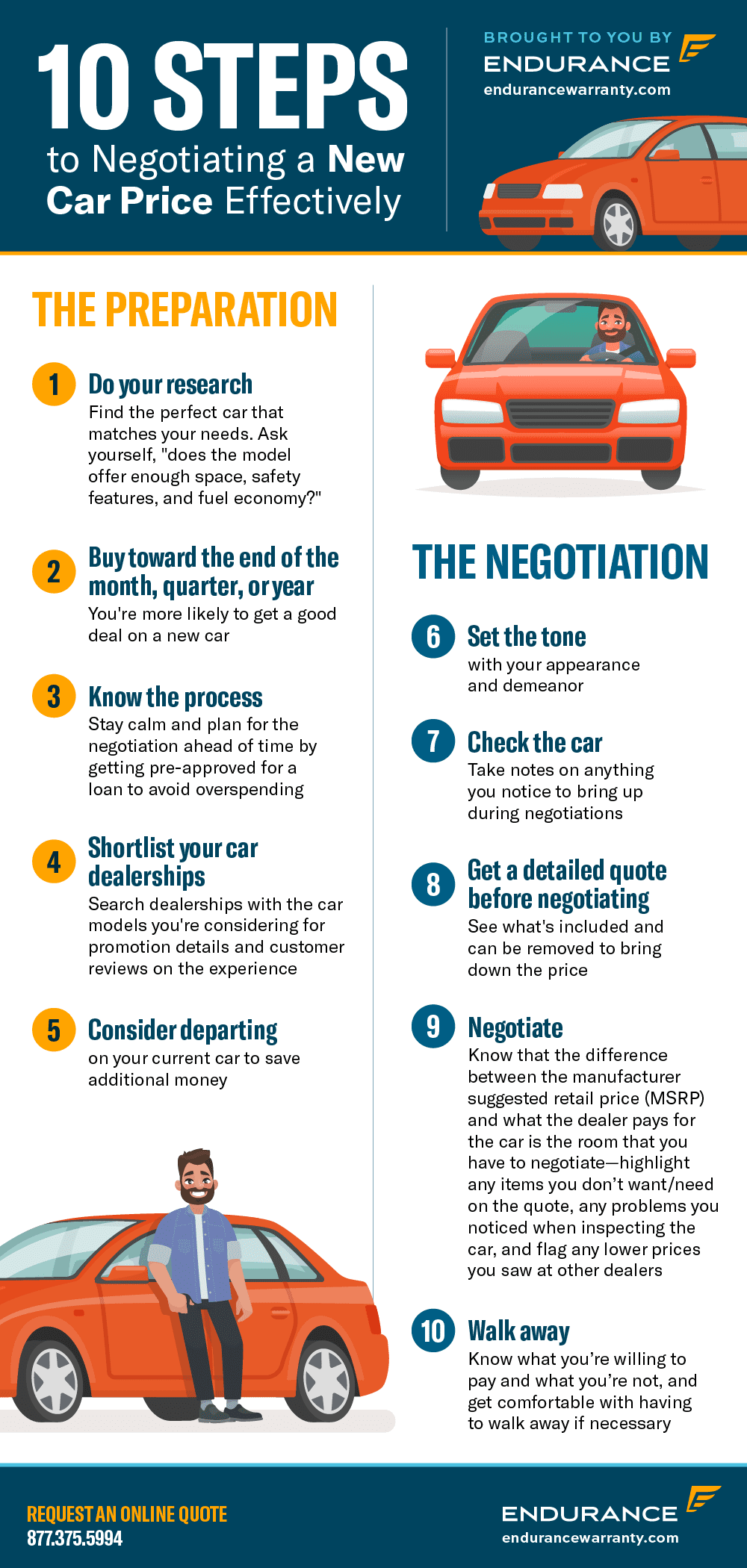
Check car prices online. Visit different dealer websites. Find out the average price for the car you want. Look at the features and options. Compare different brands. Read reviews. Get to know the latest deals. This information will help you a lot.
Decide how much you can spend. Include the down payment and monthly payments. Think about the insurance cost too. Be clear about your limit. Stick to your budget. Do not let dealers push you to spend more. It’s your money. You should decide how to use it.
Understanding Dealer Tactics
Car dealers use common strategies to gain an advantage. They might start with a high price. The goal is to make you feel the deal is fair. Another strategy is to focus on monthly payments. This can distract from the total cost. Dealers often claim a deal is “only for today.” This creates urgency. It pressures you to decide quickly.
Pressure techniques can make you feel rushed. One method is to say other buyers are interested. This creates competition. Another tactic is to use complex language. This can confuse and wear you down. Sometimes, they may offer small perks. Free oil changes or car washes seem nice. But they distract from the bigger picture. Stay aware. Stay in control.
Effective Communication
Building a connection with the car dealer is important. Smile and be polite. Show interest in the car and the dealer’s advice. This makes the dealer more open to helping you. Trust and friendliness go a long way.
Ask about the car’s history. Inquire if there are any discounts available. Try to understand the dealer’s perspective. Ask about financing options. Ask if there are any upcoming sales. Simple, clear questions help you get better deals.
Timing Your Purchase
Buy a car at the end of the month. Dealers want to hit sales targets. The end of the year is also good. New models arrive, and old models get discounts. Try buying during holiday sales. Many dealerships offer special deals.
Winter months can be a good time. Fewer people buy cars, so prices drop. Summer is busy, and prices can be higher. Look for clearance events. End of the summer is another good time. Dealers clear out old stock to make room for new cars.
Trade-in Considerations
Inspect your car before trading it in. Small repairs can boost its value. Clean your car thoroughly. Present it well. Research its current market value. Know what it’s worth. Negotiate with confidence. Show any service records. They prove your car’s health. Highlight features that make it unique or desirable. The better your car looks, the more you get.
Separate the trade-in from the car purchase. Negotiate each deal independently. This often benefits you. Focus on getting the best price for your trade-in first. Then discuss the new car. Avoid mixing the two deals. It can confuse you. Be clear about what you want. Use these tips to save money.

Credit: www.capitalone.com
Financing Options
A loan helps you buy the car. You pay the full price over time. Leasing lets you use the car for a few years. Monthly payments are lower. Leasing is like renting the car. At the end, you give it back. Loans mean you own the car after paying.
Interest rates affect how much you pay. Lower rates mean lower payments. Compare rates from banks and dealers. Ask if the rate is fixed or can change. A fixed rate stays the same. A variable rate can go up or down. Knowing the rate helps you plan.
Closing The Deal
Carefully read the contract. Look for any hidden fees. Confirm all agreed terms are in the document. Check the warranty details. Make sure they are clear. Verify the final price. Ensure it matches your agreement. Ask questions if unsure. Do not rush this step. Take your time. Understanding the contract is crucial.
Discuss the final price with the dealer. Be firm but polite. Highlight any issues with the car. Use these to negotiate a lower price. Be aware of the dealer’s incentives. They want to sell the car. Use this to your advantage. Negotiate for added perks. Free oil changes or car washes. Stay calm and patient. This can help you get a better deal.

Credit: www.capitalone.com
Post-purchase Tips
Negotiating with car dealers after purchase can help save money on extras. Always ask about discounts on warranties, accessories, and services. Dealers often have room to negotiate even after the initial sale.
Ensuring Satisfaction
Always check the car after buying it. Make sure it matches the agreement. Look at the condition of the car. Test all features. This includes lights, radio, and air conditioning. Verify that all paperwork is complete. Keep a copy of the contract safe. If something is missing, contact the dealer immediately. Do not delay.
Handling Issues
Sometimes, problems occur after buying a car. Report any issues to the dealer right away. Describe the problem clearly. Request a solution. Be polite but firm. Keep a record of all conversations. If the dealer is not helpful, seek legal advice. Know your rights as a buyer. Stay calm and patient. Resolving issues can take time.
Frequently Asked Questions
How Much Can You Usually Negotiate Off A New Car?
You can typically negotiate 5-10% off the sticker price of a new car. Factors like market demand and dealer incentives can influence this.
How Much Can You Offer Below The Asking Price On A Car?
You can typically offer 10-15% below the asking price on a car. Negotiate based on the car’s condition and market value.
How Much Less Should I Offer In A Car Dealer?
Offer 5-15% less than the sticker price at a car dealership. Research the car’s market value first. Negotiate confidently to get the best deal.
How Much Do Dealerships Want You To Put Down On A Car?
Dealerships typically want you to put down 10% to 20% of the car’s purchase price as a down payment.
Conclusion
Negotiating with car dealers is possible. Stay informed and confident. Research prices before visiting the dealership. Know your budget and stick to it. Be prepared to walk away if necessary. Polite firmness can go a long way. Practice your negotiation skills.
This can help you get the best deal. Remember, patience is key. Good luck with your car purchase!