What Is Nitrous in Cars? Legality, Systems & Horsepower Gains
Nitrous oxide (NOS) boosts horsepower by injecting extra oxygen into the engine so more fuel can burn per cycle — typically adding 50 to 200 hp depending on the system. It’s not federally illegal, but roughly 22 states restrict or ban its use on public roads, though it’s legal everywhere on a closed track or private property. This guide covers wet vs. dry systems, installation basics, real state-by-state legal risk, and safer alternatives.
Quick Answer
Nitrous oxide (NOS) is a gas that adds extra oxygen to an engine’s intake so more fuel can burn, adding 50-200 horsepower depending on the system. It’s legal to buy and install for track or private-property use everywhere in the U.S., but roughly 22 states restrict or ban using it on public roads — check your state before installing it on a street car.
Introduction To Nitrous
Nitrous oxide, often called NOS, is used to boost car engines. It gives extra power by increasing the amount of oxygen in the engine. More oxygen means more fuel can burn. This leads to more power and speed. Nitrous is popular in racing and street performance.
History Of Nitrous
Nitrous oxide was first used in World War II. Airplanes used it for extra power during combat. Later, car racers found out about it. They began using it in their cars for the same reason. Today, it is a common tool for car enthusiasts.
How Nitrous Works
Nitrous oxide is stored in a liquid form. When released, it turns into a gas. The gas enters the engine with air. This gas has extra oxygen. The extra oxygen helps burn more fuel. More fuel means more power. This makes the car go faster. Simple and effective.
Credit: www.youtube.com
Benefits Of Using Nitrous
Nitrous boosts engine power quickly. It adds more oxygen for burning fuel. This means more power to the wheels. Increased horsepower helps cars go faster. It’s great for racing and speed lovers.
Nitrous kits are affordable compared to other upgrades. Installing nitrous is cheaper than a turbo or supercharger. It’s a budget-friendly way to boost power. Many car enthusiasts prefer it for this reason.
Types Of Nitrous Systems
Wet nitrous systems mix nitrous with fuel. This happens before it enters the engine. This mix creates more power. The system uses a plate or nozzle. This ensures fuel and nitrous mix well. Wet systems are more complex. They need extra parts. They can provide more power.
Dry nitrous systems add nitrous directly to the intake. The fuel is added separately. This system is simpler. It requires fewer parts. Dry systems are easier to install. They are ideal for beginners. The power boost is less than wet systems. Yet, they are still effective.
Installation Process
To install nitrous in a car, you need some tools. These tools are easy to find. You will need a wrench set. A drill is also necessary. You will need a screwdriver too. A nitrous kit is the main tool. Make sure you have safety glasses. A marker is helpful for marking spots. You will also need a hose cutter. A voltmeter is good to have. Lastly, get a fire extinguisher.
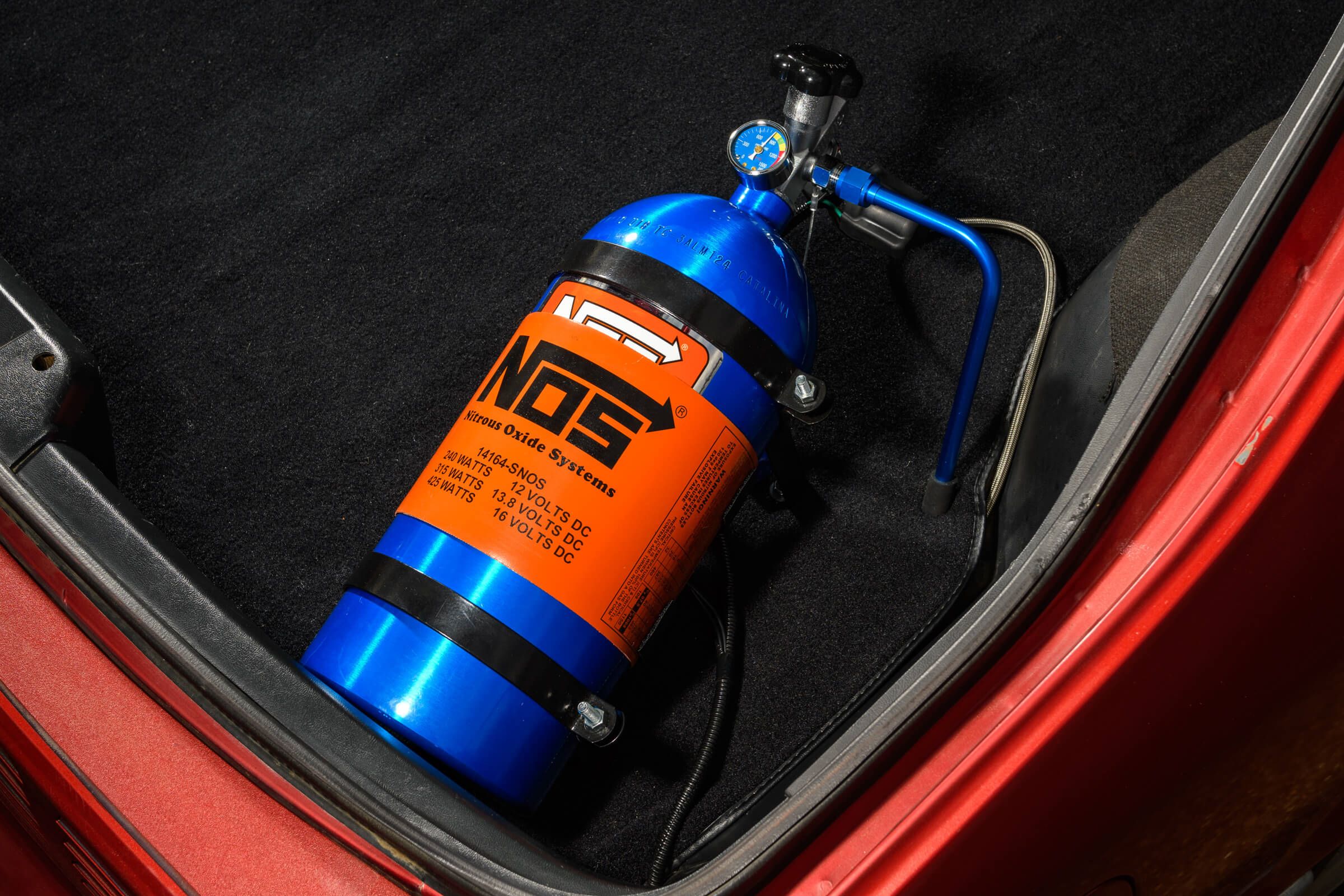
First, read the nitrous kit manual — if you’re also planning other engine mods, see our guide on performance upgrades and tuning. Next, find a safe spot for the nitrous bottle. Mark the spots for the brackets. Drill holes for the brackets. Bolt the brackets in place. Mount the nitrous bottle. Connect the feed line to the bottle. Run the feed line to the engine bay. Install the solenoid in the engine bay. Connect the solenoid to the feed line. Attach the nozzle to the intake manifold. Connect the nozzle to the solenoid. Wire the solenoid to the battery. Use a voltmeter to check connections. Test the system for leaks. Tighten all connections if needed.
Best Nitrous Bottle Bracket Pick
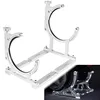
Bzsunway 7 Inch Nitrous Oxide Bottle Holder Bracket
A billet aluminum bracket to securely mount a 10-15 lb nitrous bottle in the trunk or engine bay — matches the “mount the nitrous bottle” step in this guide’s installation process.
- Best for: securely mounting a standard-size nitrous bottle per the installation steps above
- Why we picked it: billet aluminum construction holds up better than the stamped-steel brackets included in some cheap kits
- Main drawback: sized for 10-15 lb bottles only — check your bottle size before buying
Compare more nitrous installation accessories
 Option 1 Nitrous Outlet Hot Water Bath Bottle Warmer
|
 Option 2 12V Nitrous Bottle Heater Flexible Heat Mat
|
 Option 3 AIMILAR DC 12V Car Digital Voltmeter Gauge
|
As an Amazon Associate we earn from qualifying purchases.
Safety Precautions
Nitrous oxide can be dangerous. Always wear protective gear. Gloves and goggles are necessary. Store nitrous tanks properly. Use a cool, dry place. Keep tanks upright. Never lay them down.
Check for leaks. Inspect valves and hoses. Use proper tools. Avoid using makeshift items. Follow instructions. Read manuals carefully. Never smoke near nitrous tanks. Have fire extinguisher nearby for safety.
Install nitrous system correctly. Follow manufacturer’s guidelines. Use quality parts. Cheap parts can fail. Tune engine for nitrous use. Adjust fuel and timing.
Monitor engine temperature. Keep it cool. Avoid overuse. Nitrous can cause wear. Check engine regularly. Look for signs of damage. Change oil frequently. Nitrous can affect lubrication.
Is Nitrous Legal in Your State?
Nitrous oxide is not illegal at the federal level, and buying, owning, and installing a nitrous system is legal nationwide for track-only or private-property vehicles. The real risk is state law: roughly 22 states restrict or ban using nitrous on public roads, and California specifically prohibits using nitrous as a street performance-enhancer as of 2026 — see our California-specific nitrous law guide for the details. Some states, including Virginia and Nebraska, have statutes that specifically name nitrous oxide delivery devices in motor vehicles.
📊 Roughly 22 U.S. states prohibit using nitrous oxide to boost performance on public roads, while track-only and private-property use remains legal everywhere — Source: LegalMatch, Nitrous Oxide Laws and Regulations
Racing events also set their own rules separately from state law — some sanctioning bodies allow nitrous in specific classes, others ban it outright. Always check the event’s technical rules before installing a system if you plan to compete.
Legal Considerations
Nitrous oxide is not legal in all places. Some places ban its use on public roads. Always check local laws before using nitrous. It can lead to fines or more severe penalties. Safety is a top concern.
Racing events have different rules for nitrous use. Some allow it, others do not. Check the event guidelines before installing nitrous. Using it illegally can disqualify you. Safety measures must be followed strictly.
Maintenance Tips
Check the nitrous system often. Look for leaks and damage. Ensure all connections are tight. Test the solenoids. They should click when activated. Inspect the bottle. It should be secure. Check the pressure gauge. It should show the right level. Clean the filters regularly. Dust can clog them. Make sure the wiring is intact. Broken wires can cause issues.
Leaks are a common issue. They reduce performance. Listen for hissing sounds. Another issue is solenoid failure. If it doesn’t click, it may be faulty. Clogged filters can also cause problems. Clean them often. Wiring issues can lead to poor performance. Check for frayed wires. Pressure drops can occur. Ensure the bottle has enough nitrous. Lastly, be aware of temperature changes. They can affect pressure levels.

Credit: www.indyautoman.com
Alternatives To Nitrous
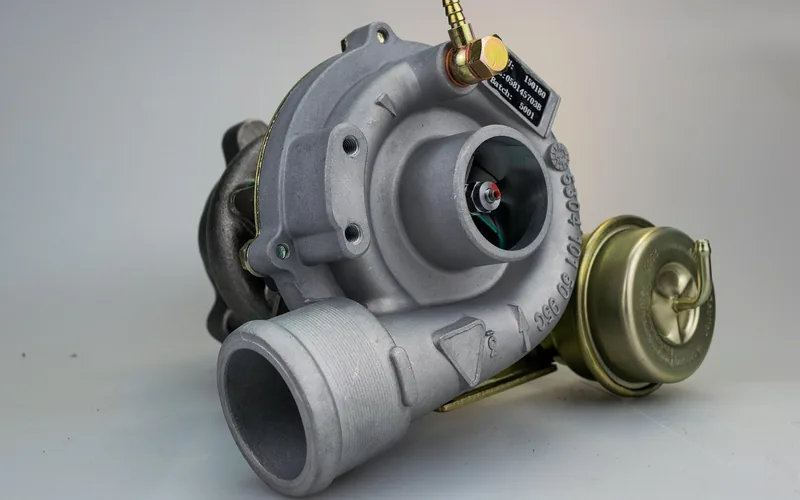
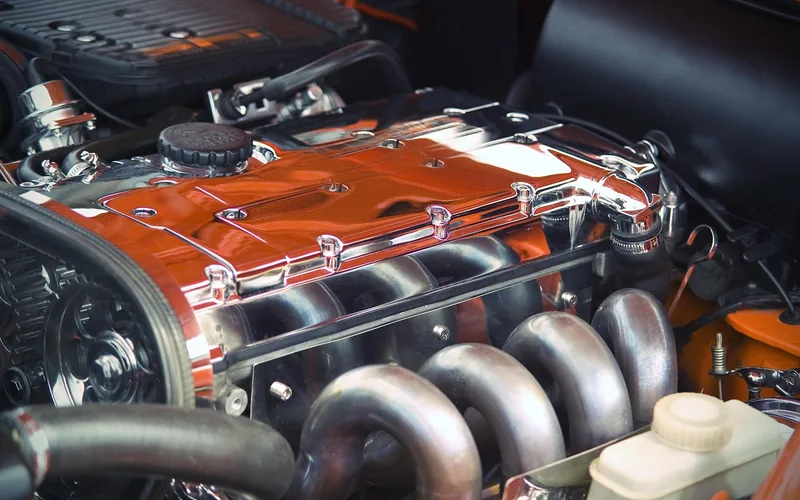
Turbochargers use exhaust gas to power a turbine. This turbine compresses air going into the engine. More air means more power. Turbochargers are efficient. They can increase power without using extra fuel. They are popular in racing. Many sports cars have turbochargers.
Superchargers (also called blowers) are powered by the engine itself. They compress air into the engine. This boosts power. Superchargers give immediate power. They are great for fast acceleration. Some muscle cars use superchargers. Superchargers can be less efficient. They use more fuel than turbochargers.
Credit: www.speedhunters.com
Frequently Asked Questions
Is Nitrous Actually Illegal in a Car?
Not federally, and not everywhere. Nitrous is legal nationwide for track-only or private-property use. About 22 U.S. states restrict or ban using it on public roads, and California specifically bans it as a street performance-enhancer as of 2026 — check your state before installing a system on a car you drive on public roads.
Does Nitrous Make Cars Faster?
Yes, nitrous makes cars faster. It increases the oxygen in the engine, allowing for more fuel combustion and more power.
Is Nitrous Bad For The Engine?
Nitrous can be safe for engines if used correctly. Improper use may cause damage. Ensure proper installation and tuning.
How Much Horsepower Does Nitrous Add?
Nitrous can add between 50 to 200 horsepower, depending on the system and engine setup. Always ensure proper installation for safety and performance.
Do I Need to Register or Declare a Nitrous System?
Most states don’t require a separate registration for a nitrous system itself, but installing one can affect your emissions compliance and insurance coverage, and using it on public roads where it’s restricted can result in fines or vehicle impoundment. Racing sanctioning bodies may also require you to declare it separately from state law.
Conclusion
Nitrous boosts car performance with extra power. It’s popular in racing and street cars. Always use nitrous responsibly. Proper installation is crucial for safety and efficiency. Knowledge is key to maximize benefits. With nitrous, your car can achieve greater speeds.
Understand the basics and stay safe. Enjoy the thrill of enhanced driving. Nitrous can transform your driving experience. Remember to follow guidelines and maintain your vehicle. Happy driving!
Products related to this article
Sponsored / affiliate links. As an Amazon Associate I earn from qualifying purchases. I may earn additional commission from eligible campaigns.