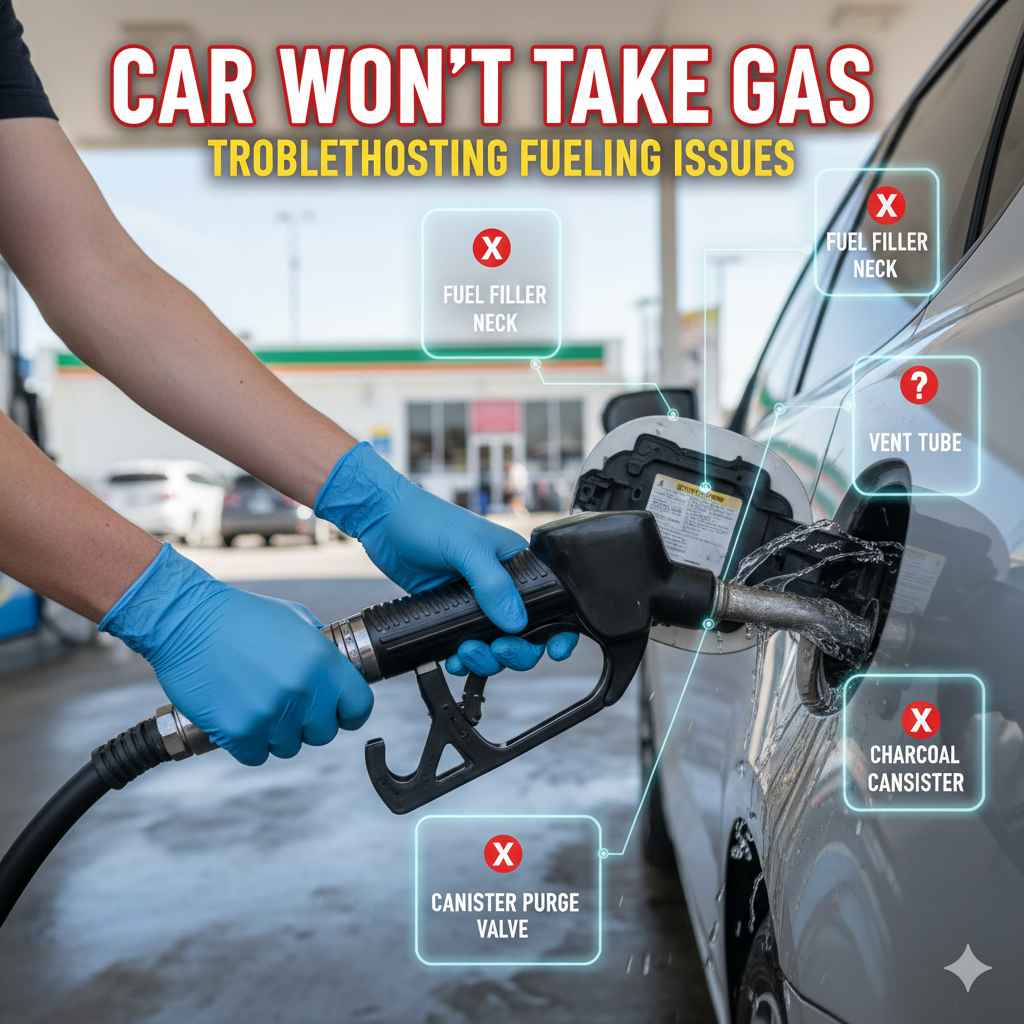
Car Won’t Take Gas: Troubleshooting Fueling Issues
Having trouble when you try to fill your gas tank is super frustrating. It’s something many drivers face, especially when they’re first starting out. The good news is that the problem isn’t always something major, and there are often simple fixes. We’re going to explore the Car Won’t Take Gas: Common Reasons that might be causing this issue and give you a simple step-by-step approach to get your car fueling smoothly again. Let’s find out what could be causing the problem so you can get back on the road quickly.
Fuel Tank Venting Troubles
One of the most common reasons a car won’t take gas is a problem with the fuel tank’s venting system. This system is important for allowing air to escape as fuel enters the tank. If it’s blocked, the air can’t get out fast enough, creating pressure that makes the pump shut off. Think of it like trying to fill a bottle with water while the cap is on; it won’t work properly. Understanding how this system operates is a key element in addressing fueling problems.
Evaporative Emission Control System (EVAP) Issues
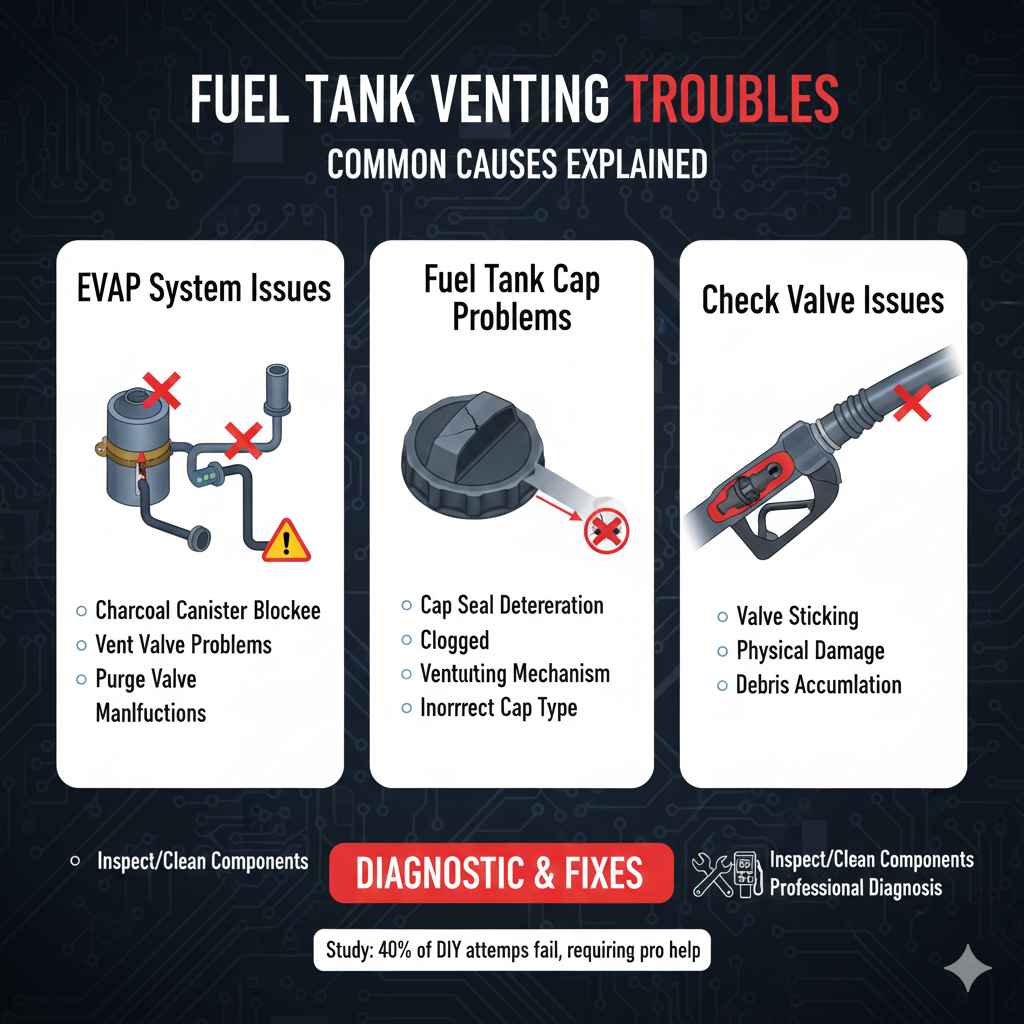
The EVAP system is responsible for catching fuel vapors and sending them back into the engine to be burned, reducing pollution. This system includes several parts, like the charcoal canister, vent valve, and purge valve, all working together to manage fuel vapors. When any of these components become blocked or fail, the fuel tank might not vent properly. A clogged charcoal canister, for example, is a frequent culprit, leading to pressure buildup that prevents fuel from flowing.
- Charcoal Canister Blockage: The charcoal canister absorbs fuel vapors. Over time, it can become saturated or clogged with debris, restricting airflow.
- Vent Valve Problems: The vent valve opens and closes to allow air in and out of the fuel tank. If this valve sticks closed, it won’t let air escape as the tank fills.
- Purge Valve Malfunctions: The purge valve controls the flow of fuel vapors into the engine. While less directly linked to fueling, a faulty purge valve can sometimes affect the overall EVAP system’s function.
A car mechanic might use a diagnostic tool to check the EVAP system for leaks or blockages. They might also inspect the vent valve and charcoal canister. Resolving problems here often involves cleaning or replacing the affected parts. Regular inspections can help stop future problems.
Fuel Tank Cap Problems
A simple but often overlooked cause is the fuel tank cap. The cap isn’t just there to seal the fuel; it also has a vent mechanism that allows air to enter the tank as fuel is used. If the cap is faulty or doesn’t seal properly, it can cause a vacuum to form inside the tank. This vacuum makes it difficult for fuel to flow in. Regular checks of your fuel cap are a good practice to prevent fueling problems.
- Cap Seal Deterioration: Over time, the rubber seal on the fuel cap can crack or wear down, preventing a proper seal.
- Clogged Venting Mechanism: Some fuel caps have a small vent to let air in. This can become clogged with dirt or debris.
- Incorrect Cap Type: Using the wrong type of fuel cap (e.g., a cap not designed for your car’s EVAP system) can lead to venting problems.
Replacing a worn or damaged fuel cap is often an easy fix. Also, keeping the area around the fuel filler neck clean helps prevent debris from getting into the cap’s vent. For older vehicles, it’s wise to make sure the cap is suitable for the car’s fuel system. These simple steps can make a big difference in how your car takes fuel.
Check Valve Issues
Some vehicles have a check valve in the fuel tank filler neck. This valve’s job is to stop fuel from spilling out if the car rolls over. If the valve gets stuck or malfunctions, it can restrict the flow of fuel. The design of this check valve can vary, but it’s important to keep an eye on it if you’re having fueling issues. This component, though small, can sometimes be a surprise source of problems.
- Valve Sticking: The check valve can stick closed due to debris or corrosion.
- Physical Damage: Damage to the valve from impact or excessive force can disrupt its function.
- Debris Accumulation: Dirt or other materials inside the filler neck can obstruct the check valve’s movement.
To address check valve issues, you might need to clean the filler neck area and potentially replace the check valve itself. A mechanic can often diagnose whether the valve is the source of the problem. Preventing debris from entering the fuel filler area can also stop future troubles.
Problems With The Fuel Pump and Filler Neck
Issues with the fuel pump and filler neck can also stop your car from taking gas. The fuel pump delivers fuel from the tank, and the filler neck is the pathway for fuel to enter the tank. These components working correctly makes fuel flow smoothly. If there’s a problem, it can affect your ability to refuel. Inspecting these parts often solves the mystery of why a Car Won’t Take Gas: Common Reasons.
Filler Neck Obstruction
The filler neck is the pipe through which fuel flows from the gas pump nozzle to your fuel tank. A blockage in this neck restricts fuel flow. It is important to inspect the filler neck if you are facing this type of issue. This can also be a sign of deeper trouble with the vehicle’s fuel system.
- Kinks or Dents: Physical damage to the filler neck, like kinks or dents, can narrow the passage and restrict fuel flow.
- Debris Inside: Dirt, rust, or other debris inside the neck can create a blockage.
- Crystallization: In some cases, old fuel can crystallize and obstruct the neck, leading to fueling problems.
To resolve these issues, you might need to clean the filler neck or even replace it if it’s severely damaged. Making sure the fuel filler area is free of debris can prevent blockages. This can often resolve issues easily.
Fuel Pump Problems
While the fuel pump’s primary function is to deliver fuel to the engine, it can also have a surprising impact on refueling. If the fuel pump is failing, it can create back pressure in the system, stopping fuel from entering the tank quickly or at all. A failing fuel pump is a symptom of a larger issue. Knowing the fuel pump’s role in the fueling process helps you pinpoint the problem.
- Pump Failure: A failing or damaged fuel pump can cause pressure issues that affect refueling.
- Fuel Line Obstruction: Any obstruction in the fuel lines, which the fuel pump uses, can stop fuel flow, making fueling difficult.
- Pressure Regulator Troubles: A faulty fuel pressure regulator might not be able to manage fuel flow, which can affect refueling.
A mechanic can assess the fuel pump’s performance using specific tools. A damaged or failing fuel pump will need to be replaced. Periodic inspections can stop future problems and keep your fueling system running at peak performance.
Nozzle Issues
Although it might seem like a simple issue, the gas pump nozzle itself can sometimes be the cause. Some nozzles might not fit the car’s filler neck correctly or might have problems with their flow control mechanism. This can be especially true with older vehicles or those with unusual filler neck designs. Knowing the possible issues helps troubleshoot a Car Won’t Take Gas: Common Reasons.
- Nozzle Size and Fit: Some nozzles are too large or small for a car’s filler neck, stopping fuel flow.
- Nozzle Damage: A damaged nozzle can disrupt the fueling process.
- Fuel Pump Issues: Nozzles connected to a faulty gas pump might affect how well your car takes fuel.
If you suspect the nozzle, try refueling at a different gas station or with a different nozzle size. It’s also wise to check the nozzle for damage. These simple tests can help you eliminate this possibility quickly.
Symptoms and Diagnosis of Fueling Problems
Identifying the symptoms and knowing how to diagnose the causes is key. A range of factors can impact your car’s ability to take gas. Starting with a clear picture of the problem leads to better solutions. Here are some key points about symptoms and diagnosis.
Recognizing the Symptoms
The symptoms of a fueling problem can range from minor to more significant. It’s important to recognize them so you can address the issue. Recognizing these symptoms helps you find the source of the problem.
- Fuel Pump Shutoff: The gas pump nozzle keeps clicking off before the tank is full.
- Slow Refueling: Fueling takes a long time.
- Fuel Spillage: Fuel spills out of the filler neck during refueling.
- Unusual Noises: You hear gurgling or hissing sounds while fueling.
Noticing these symptoms early on allows you to identify and fix the issue quickly. They can also indicate problems that need expert attention.
Diagnostic Steps
Diagnosing the problem involves several steps. You can often troubleshoot the issue at home before seeking professional help. The goal is to isolate the problem to find a solution.
- Check the Fuel Cap: Ensure the cap is on correctly and inspect its seal and vent.
- Inspect the Filler Neck: Look for any obstructions, dents, or damage.
- Listen for Sounds: Pay attention to any unusual sounds while fueling.
- Try Different Pumps: Test if the issue happens at different gas stations or with different nozzles.
- Consult a Mechanic: If the problem persists, take your car to a mechanic for a professional diagnosis.
These simple steps can help you pinpoint the issue and take the right action. They save you time and money and might prevent further issues.
Professional Diagnostic Methods
Sometimes, the problem is more complex. A mechanic will use a range of tools and techniques to identify the source of the trouble. A professional diagnosis ensures an accurate assessment and a lasting fix. Understanding these methods is key to resolving the issue.
- EVAP System Check: A mechanic will use a diagnostic tool to check for leaks and proper function of the EVAP system.
- Fuel Tank Pressure Test: This test checks for pressure buildup or vacuum issues within the fuel tank.
- Visual Inspection: A thorough inspection of the filler neck, fuel lines, and other components.
- Fuel Pump Testing: The fuel pump’s performance is tested to ensure proper function.
These techniques help a mechanic diagnose and fix any fueling issue. They can address complex problems. This approach ensures your car’s fuel system works properly.
Preventative Measures and Maintenance
Keeping your car’s fuel system in good shape helps avoid future issues. Regular maintenance can stop common problems before they start. Making it a priority protects your vehicle’s performance and saves you time and money. Here’s what you should do to stop future Car Won’t Take Gas: Common Reasons.
Regular Fuel Cap Inspection and Replacement
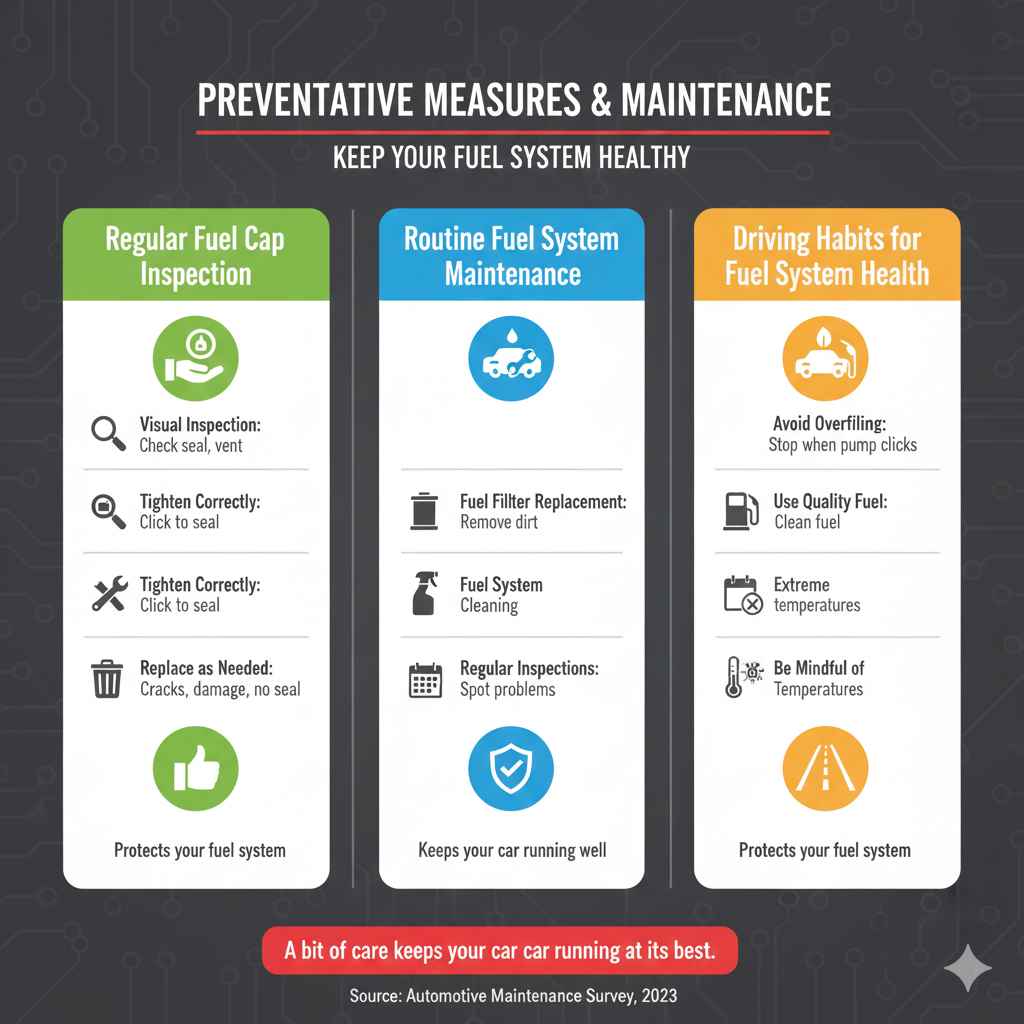
Regular inspection of the fuel cap is important to ensure it’s in good condition. You should also replace it when needed. A functional fuel cap prevents many fueling issues. Following these steps ensures your fuel cap works efficiently.
- Visual Inspection: Check the fuel cap’s seal and vent regularly for damage.
- Tighten Correctly: Make sure the cap is on tightly.
- Replace as Needed: Replace the fuel cap if you see cracks, damage, or it’s not sealing.
Replacing a worn-out fuel cap will often solve fueling problems. It’s a simple step that can stop bigger issues. This protects your fuel system from potential problems.
Routine Fuel System Maintenance
Maintaining your fuel system through routine maintenance is a smart move. This prevents issues and helps your car run well. By incorporating these steps, you can keep your fuel system in top condition. Routine maintenance ensures your car is always ready to hit the road.
- Fuel Filter Replacement: Replace the fuel filter according to your car’s schedule to remove dirt and impurities.
- Fuel System Cleaning: Use fuel system cleaners to clean any deposits and keep the system clear.
- Regular Inspections: Get your fuel system checked during regular maintenance to spot problems.
These simple steps will keep your fuel system in top condition. Fuel system maintenance will stop many potential problems.
Driving Habits for Fuel System Health
Your driving habits also influence the health of your fuel system. Some driving habits will stop issues and maintain a high level of performance. These practices will protect your fuel system.
- Avoid Overfilling: Stop filling when the pump clicks off to stop overflow issues and damage to the EVAP system.
- Use Quality Fuel: Fill up at stations with quality fuel to stop fuel system deposits.
- Be Mindful of Temperatures: Extreme temperatures can change the function of your car’s fuel system.
These smart driving habits protect your fuel system and stop potential problems. A bit of care will keep your car running at its best.
Frequently Asked Questions
Question: Why does my gas pump keep clicking off?
Answer: The pump clicking off could be due to a blocked vent in your fuel tank, a problem with the fuel cap, or issues with the gas pump itself.
Question: Can a clogged charcoal canister cause fueling problems?
Answer: Yes, a clogged charcoal canister can stop the tank from venting correctly, causing the pump to shut off early.
Question: How often should I replace my fuel cap?
Answer: You should replace your fuel cap if it shows signs of wear, damage, or doesn’t seal properly. It is generally wise to replace it every few years.
Question: What should I do if my filler neck is blocked?
Answer: First, visually inspect for any obstructions. Then, clean the filler neck or replace it if damaged.
Question: Can the fuel pump affect refueling?
Answer: Yes, a failing fuel pump can cause back pressure and create issues with refueling, making it difficult or impossible to add gas.
Final Thoughts
If you’re dealing with a Car Won’t Take Gas: Common Reasons, you’re not alone. It can be a simple fix or might need some more investigation. We’ve explored some key reasons, from issues with the fuel tank’s venting system and the fuel cap to potential problems with the fuel pump and filler neck. Now you understand how to look for the key warning signs, like the pump clicking off or fuel spilling, and what steps you can take to diagnose the problem. Whether it’s a clogged charcoal canister, a worn fuel cap, or something else, knowing the basics is the first step. By taking the time to inspect your fuel system, you can often identify and resolve the problem yourself.
Remember, regular maintenance is vital, including checking your fuel cap, changing your fuel filter, and being mindful of your driving habits. Taking these steps can stop fueling issues. So, the next time your car won’t take gas, you’ll know where to begin and what steps you can take to get back on the road again quickly.