Chevy SS Supercharger Guide: LSA vs TVS2300 vs TVS2650
The Chevy SS is a sleeper in the truest sense. A 6.2L LS3 V8 pushing 415 horsepower in a body that looks like a rental car. Most people don’t see it coming. But the LS3’s real talent is how much headroom it has. With a supercharger, that 415 horsepower number starts looking conservative.
This guide covers the three main routes for a chevy ss supercharger: the factory LSA conversion, the Harrop TVS2300, and the larger TVS2650. You’ll learn what each kit does well, where it falls short, and what you actually need to budget for beyond the blower itself. Fuel system, tuning, hood clearance, heat management — all of it.

Speedmaster
Complete 6-71 Roots Supercharger Kit Compatible with…
- [ADDS 45-55% HORSEPOWER] Complete 6-71 Roots-style supercharger kit pumps streetable, instant-throttle boost into your Big Block C…
- [FITS ALL BBC BLOCKS] Bolts to standard-deck 396/402/427/454/496/502. Carb adapter accepts dual 4-barrel square-bore ( 600-850 cfm…
- [COMPLETE BOLT-ON KIT] Includes supercharger, intake manifold, snout, 50T/55T Gilmer pulleys, idler with bracket, 3in belt, V-belt…
If you want a complete bolt-on option for a big block Chevy rather than an LS engine, the Speedmaster 6-71 kit is a traditional Roots blower that adds 45-55% horsepower to 396-502ci engines. It’s a different path entirely, but worth knowing about if you’re building something older alongside your SS project.
Why Supercharge Your Chevy SS? (The LS3’s Hidden Potential)
The LS3’s rotating assembly is stronger than most people give it credit for. The factory forged crankshaft and powdered-metal rods handle around 600 wheel horsepower reliably. The pistons are hypereutectic cast units, which are the weak link. They survive street boost fine, but detonation kills them quickly.
That’s the core tension of supercharging an SS. The engine wants boost. The chassis, with its magnetic ride control and limited-slip differential, handles it well. But you can’t just slap a blower on and call it done. The fuel system and tune matter just as much as the supercharger itself.
What you get for your money is a car that transforms. A stock SS runs low 13s in the quarter mile. A properly tuned supercharged SS with the same tires runs high 11s. The torque curve is where the real difference shows. You’ll feel it merging onto highways and pulling out of corners.
Top Supercharger Kits Compared: LSA vs TVS2300 vs TVS2650
These three options cover the spectrum from budget-friendly OEM parts to max-effort street builds. Each has a distinct personality.
LSA Kits: The OEM+ Value Option
The LSA supercharger came from the Cadillac CTS-V and Camaro ZL1. It’s a roots-type blower with an integrated intercooler. You can buy a take-off unit from a wrecked car for a fraction of the cost of a new kit. That’s the appeal.
The LSA’s rotors are a 4-lobe design that produces good low-end torque. It makes boost early, which feels great on the street. But the stock LSA blower runs out of steam around 550-600 wheel horsepower. The intercooler bricks are small, and heat soak becomes a real problem on hot days or after multiple pulls.
You’ll need a specific LSA conversion kit to make it fit the SS’s LS3. These kits include the lower intake manifold, belt routing, and coolant lines. The process is well-documented because so many people have done it. Expect to spend a weekend on the install if you’re methodical.
Harrop TVS2300/2650: The High-Tech Street Fighter
Harrop’s kits use Eaton’s TVS rotor technology. The TVS2300 has 2.3 liters of displacement per revolution. The TVS2650 bumps that to 2.65 liters. Both use a 4-lobe rotor design that’s more efficient than the LSA’s, meaning less heat and more power per pound of boost.
The TVS2300 is the sweet spot for most street cars. It supports up to 650 wheel horsepower with the right fuel system. The TVS2650 is for people chasing 700-plus. Both kits come complete with the manifold, intercooler, injectors, and tune. They’re genuinely bolt-on in a way the LSA conversion isn’t.
Harrop’s intercooler design is significantly better than the LSA’s. The cores are larger and flow more coolant. On a 90-degree day, the TVS2300 keeps intake air temps about 30 degrees cooler than an LSA at the same boost level. That translates to more consistent power and less timing pull.
The downside is cost. A Harrop kit costs roughly twice what a used LSA setup runs. But you’re paying for engineering and reliability. If you plan to keep the car for years and drive it hard, the extra money makes sense.
Power Output and Dyno Results: What to Expect
Dyno numbers vary based on fuel, elevation, and the specific tune. But here are realistic ranges from real-world SS builds.
| Setup | Boost (psi) | Wheel Horsepower | Wheel Torque (lb-ft) | Fuel Required |
|---|---|---|---|---|
| Stock LS3 | 0 | 365-375 | 370-380 | 91 octane |
| LSA conversion, stock pulleys | 7-8 | 500-530 | 500-520 | 91 octane |
| LSA with 2.55″ pulley | 10-11 | 560-590 | 560-580 | 93 octane or E85 |
| Harrop TVS2300, stock pulleys | 8-9 | 540-570 | 540-560 | 91 octane |
| TVS2300 with pulley upgrade | 12-13 | 620-650 | 600-620 | E85 recommended |
| TVS2650, aggressive tune | 14-15 | 700-740 | 660-690 | E85 required |
Notice the torque numbers. They’re nearly identical to horsepower, which is typical for roots blowers. The low-end torque is what makes these cars feel fast on the street. You don’t need to rev it to 6,500 rpm to feel the pull.
One thing to watch: the stock SS automatic transmission is the 6L80E. It handles up to about 650 wheel torque with a good tune. Beyond that, you’re looking at a built transmission or a manual swap. The manual cars have the TR6060, which is stronger and handles 700-plus without issue.
Fuel System and Tuning: The Non-Negotiable Upgrades
Supercharging an LS3 without upgrading the fuel system is a recipe for a blown engine. The stock fuel pump and injectors max out around 450 wheel horsepower. You will exceed that with any supercharger kit.
Here’s what you need at each power level:
- Up to 550 whp: Upgraded fuel pump (e.g., a Walbro 450 or equivalent) and 65 lb/hr injectors. The stock lines are fine.
- 550-650 whp: Add a flex fuel sensor and run E85. The higher octane lets you run more timing and boost safely. You’ll also want 85 lb/hr injectors.
- 650+ whp: A fuel system with a return line and a larger pump is mandatory. The stock fuel rail can stay, but the feed line needs upgrading.
Tuning is where most people screw up. A mail-order tune is a starting point, not a final solution. Every car is slightly different. You need a local tuner with a dyno who can adjust timing and fuel curves in real time. Budget $500-800 for a proper dyno tune.
E85 is the single best upgrade for a supercharged SS. It’s resistant to knock, runs cooler, and allows more timing advance. The downside is fuel economy. You’ll see single-digit mileage if you drive it hard. That’s the price of admission.
If you’re working on the electrical side of your build, check out this guide on Chevy ignition switch wiring. It’s not directly related to boost, but many owners find themselves chasing electrical gremlins after a big install.
Installation, Hood Clearance, and Fitment Guide
Installation time varies wildly by kit. Plan for a full weekend for the LSA conversion, and a day and a half for the Harrop kits. The Harrop kits are more complete, so there’s less fabrication and fiddling.
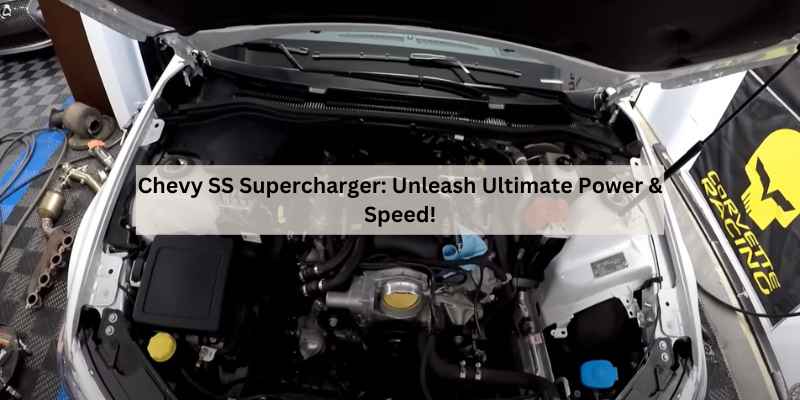
Hood clearance is the big issue. The LSA supercharger sits low and fits under the stock hood with about a half-inch to spare. The Harrop TVS2300 also fits under the stock hood, but just barely. The TVS2650 is taller. It will not fit under the stock hood. You’ll need an aftermarket cowl hood or a custom hood modification.
Measure before you buy. Put a straight edge across the fenders and measure down to the engine block. Compare that to the height of the supercharger kit you’re considering. A 2-inch cowl hood solves the problem for most TVS2650 builds.
Other fitment notes:
- The stock radiator and fans fit with all three kits. No need to upgrade unless you’re doing serious track time.
- Belt routing is straightforward on the Harrop kits. The LSA conversion requires a custom belt tensioner bracket.
- Move the coolant reservoir. It interferes with the supercharger snout on the LSA setup.
- The strut tower brace won’t fit with any supercharger. You’ll need to remove it.
The install itself is not difficult for a competent DIYer. The wiring is minimal. Most of the work is mechanical: removing the intake manifold, bolting on the new unit, routing coolant lines, and connecting the belt. If you’ve done a cam swap before, you can handle this.
Reliability and Heat Management: Keeping It Cool
Heat is the enemy of a supercharged engine. The intercooler handles some of it, but the engine oil and transmission fluid take the rest. Oil temperatures above 260 degrees Fahrenheit break down the oil and cause premature wear. The stock oil cooler is marginal at best.
An aftermarket oil cooler is a smart investment, especially if you live in a warm climate or plan to track the car. A set of oil cooler lines and a thermostatic plate costs a few hundred dollars and adds significant margin. The SS’s factory oil cooler is a small heat exchanger that’s barely adequate for stock power.
Belt slip is another reliability concern. At higher boost levels, the belt can slip on the supercharger pulley, causing a sudden loss of boost and erratic behavior. The Harrop kits use a robust 8-rib belt system that handles the load well. The LSA conversion, with its custom tensioner, is more prone to slip. Watch for belt dust on the fender liner — that’s a telltale sign.
Detonation is the most serious risk. It’s caused by excessive heat, low octane fuel, or too much timing advance. The knock sensors in the LS3 will pull timing to protect the engine, but they can only do so much. If you hear a pinging sound under load, back off the throttle immediately and get the tune checked.
Regular oil changes are non-negotiable. Supercharged engines shear the oil faster and contaminate it with fuel. Change the oil every 3,000 miles, not the manufacturer’s recommended 7,500. Use a high-quality synthetic oil rated for the heat.
If you’re chasing a diagnostic trouble code after your install, the P0016 code guide explains a common crankshaft/camshaft correlation issue that can pop up if the timing chain is disturbed during the supercharger install.
The Verdict: Choosing the Right Kit for Your Driving Style
There’s no single best kit. The right choice depends on how you drive the car and what you want from it.
For a daily driver that sees occasional highway pulls: The LSA conversion is the smart buy. It’s cheap, reliable at 500-550 whp, and fits under the stock hood. The heat soak is a minor annoyance, not a dealbreaker, for street use.
For a weekend warrior who hits the drag strip: The Harrop TVS2300 is the pick. It makes more power, runs cooler, and has better belt reliability. The cost is higher, but so is the fun factor. You’ll run consistent 11-second passes without worrying about the blower.
For a track-day enthusiast or someone chasing big numbers: The TVS2650 is the only option. It supports 700-plus horsepower and handles sustained high-rpm abuse. Accept the hood modification and the fuel system cost. This is a serious commitment.
Also consider the total cost of ownership. A used LSA blower might cost $1,500, but the conversion kit, fuel upgrades, and tune push the total to $5,000-6,000. A Harrop kit costs more upfront but includes everything. The final bill is closer than you’d think.
Emissions and Legal Compliance
This is the part nobody talks about. Most supercharger kits for the Chevy SS do not have a CARB Executive Order (EO) number. That means they’re not legal for street use in California and other states that follow CARB rules. You’ll fail a visual inspection at a smog check.
If you live in a state with strict emissions testing, your options are limited. You might get away with it if the inspector doesn’t recognize the blower, but that’s a gamble. Some owners keep the stock parts and swap them back for the test, which is a full day of work. Others register the car in a county without testing. I’m not recommending that, just noting what people do.
Check your local laws before you buy. The kits are clearly intended for racing use only, per the manufacturer’s own disclaimers.
Frequently Asked Questions
Will a supercharger void my Chevy SS warranty?
Yes, it will void the powertrain warranty. The dealer can see the supercharger and the tune. Even if you remove it before bringing the car in, the ECM stores a record of the flash. If your car is still under warranty, wait until it expires or accept the risk.
How much horsepower can the stock LS3 handle with a supercharger?
The stock bottom end handles about 600 wheel horsepower reliably. The pistons are the weak link. Above that, you’re risking ring lands and piston failure, especially on pump gas. Forged pistons are recommended for anything over 650 whp.
Do I need to upgrade the transmission?
The 6L80E automatic handles up to 650 wheel torque with a good tune. Beyond that, it slips and overheats. The TR6060 manual transmission is stronger and handles 700-plus without issue. If you have an automatic and want big power, budget for a built transmission.
What’s the difference between a roots blower and a centrifugal supercharger?
A roots blower sits on top of the engine and makes boost immediately at any rpm. It’s the classic muscle car look with instant throttle response. A centrifugal supercharger is driven by a belt but spins much faster, making boost progressively as rpm rises. It’s more like a turbo, with less low-end torque but more top-end power. The kits in this guide are all roots-style.
Can I install a supercharger myself?
Yes, if you’re mechanically inclined. The Harrop kits are genuinely bolt-on with good instructions. The LSA conversion requires more work, including modifying the coolant system and fabricating a belt tensioner bracket. Expect a weekend for the Harrop kit and two weekends for the LSA conversion if you’ve never done one before.
What to Do Next
- Decide on your power goal first. Everything else — fuel system, transmission, tires — follows from that number.
- Budget for the hidden costs. The supercharger is half the expense. Fuel system, tune, oil cooler, and installation add up fast.
- Buy a complete kit if you want a smooth install. The Harrop kits are the gold standard for the SS.
- Consider a used LSA setup if you’re on a budget and can handle a little extra work.
- Get a dyno tune from a reputable shop. Don’t trust a mail-order tune for a boosted car.
- Check your local emissions laws before buying. A CARB EO status matters if you live in a strict state.
- Join an SS owner’s forum. The collective knowledge on these cars is deep, and someone has already solved whatever problem you’re about to hit.
Products related to this article
Sponsored / affiliate links. As an Amazon Associate I earn from qualifying purchases. I may earn additional commission from eligible campaigns.