Corrosion Inhibitor for Cars: Rust Prevention Sprays Compared
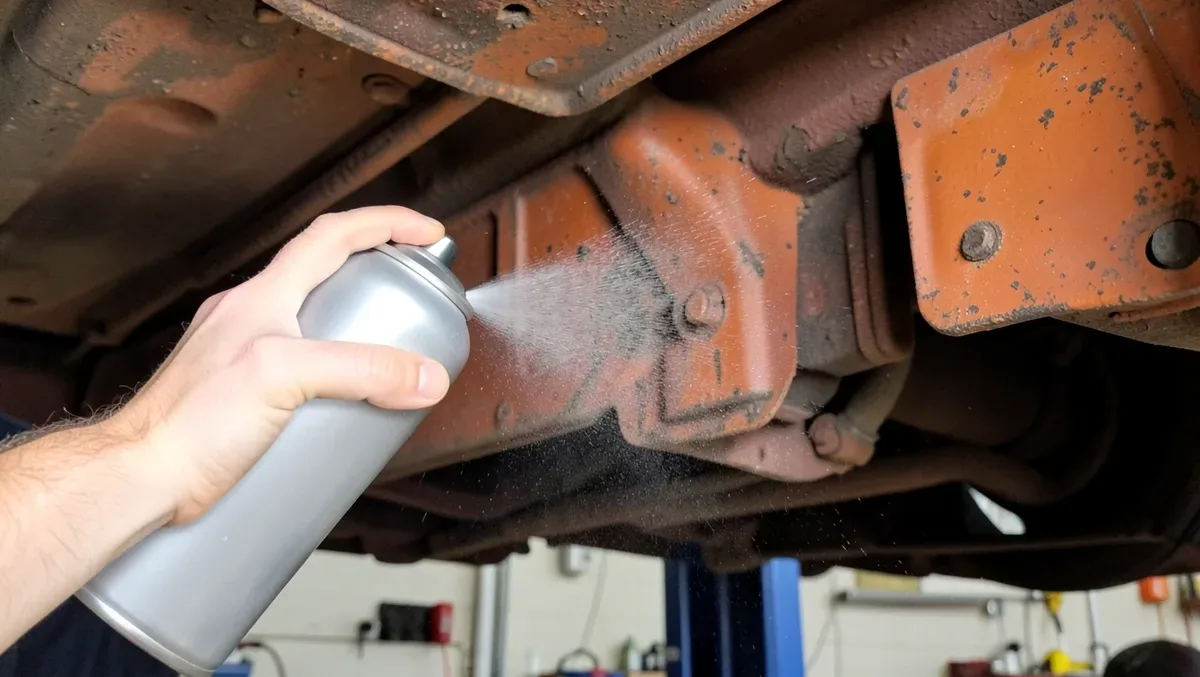
Corrosion is one of the most expensive things that can happen to a car, and it usually starts long before you ever notice a bubble in the paint. A corrosion inhibitor stops that process at the metal, not just on the surface.
Every vehicle picks up a bit of exposed metal over time — a stone chip in the paint, a scrape from a curb, a scratch from loading cargo — and once bare steel is exposed, road salt and humidity do the rest. Sprays like WD-40 Specialist Corrosion Inhibitor, STA-BIL Rust Stopper, and CRC Heavy Duty Corrosion Inhibitor are built to get ahead of that: they coat exposed metal, battery terminals, and other vulnerable spots with a barrier that keeps moisture and oxygen from reacting with the steel underneath in the first place.
A $10-15 can of the right inhibitor, applied a couple of times a year, is a lot cheaper than replacing a rusted brake line, a corroded battery terminal, or a rocker panel that’s rotted through. Below, we break down three of the more effective corrosion inhibitors on the market and where each one earns its keep — worth reading alongside our guide to how gas-powered cars work if you want the full picture of what’s actually under the hood you’re protecting.
Wd-40 Specialist Corrosion Inhibitor
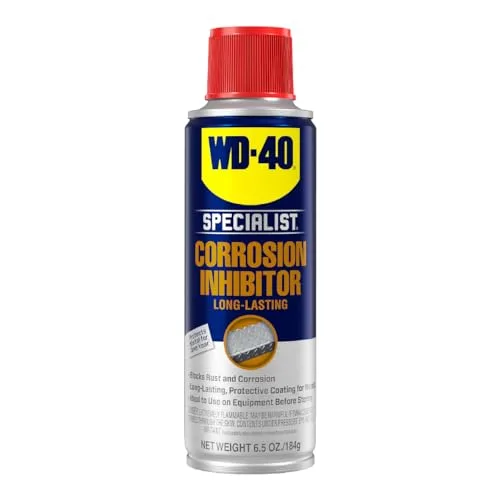
WD-40 Specialist Corrosion Inhibitor is the long-term rust-prevention formula in WD-40’s lineup, distinct from the all-purpose can most people already keep in the garage. It’s aimed at anyone protecting metal that sits exposed to moisture for weeks or months at a stretch — a trailer hitch, exposed brake hardware, or hand tools stored in an unheated shed. At 6.5 OZ, a single can won’t cover a whole undercarriage, but for spot-treating the parts of a car that corrode first, it does the job well.
Pros:
- Long-lasting protection against rust and corrosion
- Easy-to-use spray application
- Versatile for various metal surfaces
- Trusted brand reputation
Cons:
- Limited size of 6.5 OZ may require frequent repurchasing for large projects
- May not be suitable for non-metal surfaces
What sets this apart from a standard can of WD-40 is how long the film actually holds up. Regular WD-40 displaces water and lubricates, but it evaporates off within days; this Specialist formula is built to leave behind a tackier barrier that keeps working for weeks after a single application — useful when you’re treating something you can’t easily re-coat every week, like the inside of a wheel well or a bolt you’ve just freed up from a seized state. The trigger-style nozzle also lays down an even coat without the drips that come with some generic anti-rust sprays.
It works on more than just car parts — hinges, hand tools, and any other bare or lightly-painted steel take the coating just as well, which is where its versatility and trusted brand reputation come in. The main catch is the can size: at 6.5 OZ, one can treats a handful of small parts rather than a whole vehicle’s underside, so anyone doing a full rust-prevention pass on an older car should plan on going through more than one. For spot protection on the parts that actually rust first — exposed bolts, hinges, battery clamps — it’s an easy product to keep on hand.
To buy this product, click here.
Sta-bil Rust Stopper
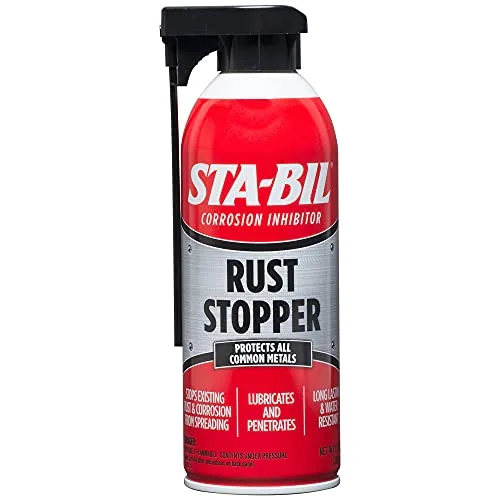
STA-BIL Rust Stopper is built around a different problem than the WD-40 product above: it’s formulated to actively halt rust that’s already started, not just prevent new corrosion from forming. That makes it a better fit for anyone dealing with a car that’s already showing surface rust on brake lines, battery terminals, or trim — especially in states that salt the roads every winter, where that kind of corrosion tends to show up years earlier than it would in a dry climate.
Pros:
- Prevents car rust effectively, safeguarding your vehicle’s body and parts.
- Protects battery terminals from corrosion, ensuring better electrical connectivity.
- Stops existing rust on contact, saving you from costly repairs.
- Easy to apply with a convenient spray can design.
Cons:
- The red color may not be suitable for all visible surfaces.
- May require frequent reapplication in extremely harsh environments.
The 13 OZ can sprays on as a reddish rust preventative coating that bonds directly to existing rust and seals it off from air and moisture — which is what actually halts further oxidation rather than just slowing it down. Because it’s a thin fluid rather than a thick gel, it gets into seams and crevices, like the area around a corroded terminal clamp, that a brush-on rust converter can’t reach without disassembly first.
That dual role is really the selling point here: one product for both the battery terminals, where corrosion buildup is what actually causes slow-cranking and no-start problems, and for painted or bare metal elsewhere on the car. The tradeoff is cosmetic — the red tint that helps you see where you’ve sprayed isn’t something you want on a visible chrome or trim piece, and in a genuinely wet climate it may need a fresh coat every few months rather than lasting a full season the way it might somewhere drier.
To buy this product, click here.
Crc Heavy Duty Corrosion Inhibitor
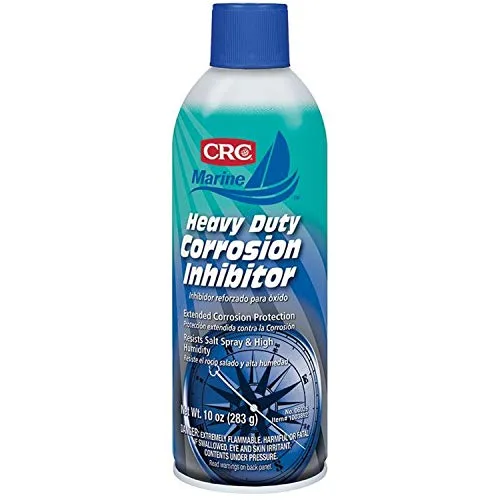
CRC’s 06026 Heavy Duty Corrosion Inhibitor sits at the more industrial end of this category — it’s closer to what mechanics and fleet shops reach for on equipment that lives outdoors year-round than a typical consumer touch-up spray. The 10 Wt OZ can is aimed at anyone protecting metal that’s going to see real, sustained exposure: undercarriage components, trailer frames, marine hardware, or shop tools that don’t get put away between uses.
Pros:
- Effective in preventing rust and corrosion.
- Easy to apply with a spray nozzle.
- Long-lasting protection for metal surfaces.
Cons:
- Strong odor during application.
- May require reapplication in extremely harsh environments.
The formula sprays on with a visible blue color, which is a practical feature rather than a cosmetic one — it’s the easiest way to confirm you’ve actually covered a part evenly instead of guessing where the clear coat landed. Its compact dimensions make the canister simple to store on a shelf or in a toolbox, and it penetrates into seams and around fasteners rather than just sitting on the surface, which is what lets it displace moisture already trapped in a joint before sealing it off.
For shops that can’t afford equipment downtime, the appeal is how infrequently it needs reapplying compared to a lighter-duty spray — CRC markets this specifically for extended protection in harsh, outdoor conditions rather than a quick weekend touch-up. The one real downside is the smell during application: it carries a noticeably stronger solvent odor than either of the other two products here, so it’s worth spraying in a ventilated space rather than a closed garage.
To buy this product, click here.
Frequently Asked Questions
What Is A Corrosion Inhibitor For Cars?
A corrosion inhibitor is a spray or coating that keeps rust from forming on exposed metal by sealing bare steel off from the moisture and oxygen that cause it to oxidize, rather than removing rust after the fact. On a car, that usually means treating battery terminals, brake and fuel lines, exposed fasteners, and any spot where the paint has chipped down to bare metal — the places rust actually starts.
How Does Wd-40 Prevent Car Rust?
The Specialist Corrosion Inhibitor formula leaves behind a thin, long-lasting film that physically blocks moisture and oxygen from reaching the bare steel underneath it — that’s different from standard WD-40, which mainly displaces water and lubricates before evaporating off within days. Reapplying it every few months on exposed metal parts keeps that barrier intact through wet or salty conditions.
Can Sta-bil Protect Battery Terminals?
Yes — that’s one of its more common uses. Corroded battery terminals build up resistance at the connection point, which can cause slow cranking or intermittent electrical problems even when the battery itself is fine. Coating the clamps and posts with STA-BIL keeps that buildup from forming and helps the connection stay solid over time.
Is Crc Heavy Duty Inhibitor Effective?
Yes, and it’s the more industrial-strength option of the three covered here — the type of product shops reach for on undercarriage components and hardware that stays exposed to the elements year-round. It penetrates into seams and around fasteners rather than sitting purely on the surface, which is part of why it holds up longer between applications than a lighter-duty spray.
How Often Should You Apply Corrosion Inhibitors?
It depends heavily on climate: a car in a dry, salt-free region might only need a fresh coat once or twice a year, while a car exposed to winter road salt or coastal humidity can lose that protective barrier in a matter of weeks and benefit from reapplying every month or two during the worst stretches. Checking exposed metal, battery terminals, and the undercarriage after a wash is a good way to judge whether the coating still looks intact or needs a fresh pass.
Conclusion
Rust rarely announces itself. It starts as a dull orange patch on a bolt or a battery clamp, and by the time it’s visible on a fender or rocker panel, the damage underneath is already further along. A corrosion inhibitor is one of the cheapest ways to interrupt that process before it turns into a repair bill.
Of the three covered here, Wd-40 Specialist Corrosion Inhibitor is the easiest recommendation for spot-treating small parts and tools that need long-term protection without much fuss. Sta-bil Rust Stopper earns its place if you’re dealing with rust that’s already started, or want one product that covers both the body and the battery terminals. Crc’s Heavy Duty formula is the one to reach for if you’re protecting undercarriage components or equipment that lives outdoors year-round and needs to go longer between applications.
None of them require any special skill to apply — just clean, dry metal and an even coat — but the payoff is real. A car that’s kept ahead of rust holds its resale value better and avoids the kind of structural repairs that come from letting corrosion sit unchecked for years.
Products related to this article
Sponsored / affiliate links. As an Amazon Associate I earn from qualifying purchases. I may earn additional commission from eligible campaigns.