Chevy Malibu Mods: A No-Nonsense Buyer’s Guide by Engine, Budget, and Goal
You bought a Malibu because it’s practical, comfortable, and gets decent gas mileage. But after a few months, that familiar itch shows up. You want it to sound better, corner flatter, or just look less like every other sedan in the parking lot. The good news is the Malibu has a solid aftermarket. The bad news is most of the advice online is either written for the wrong engine or just repeats marketing fluff.
This guide cuts through that. You’ll walk away knowing exactly which mods are worth your money for your specific engine, which ones are a waste of time, and what the real-world trade-offs are for warranty and daily drivability. We’ll rank everything by horsepower-per-dollar and actual dyno results, not forum rumors.

RSG
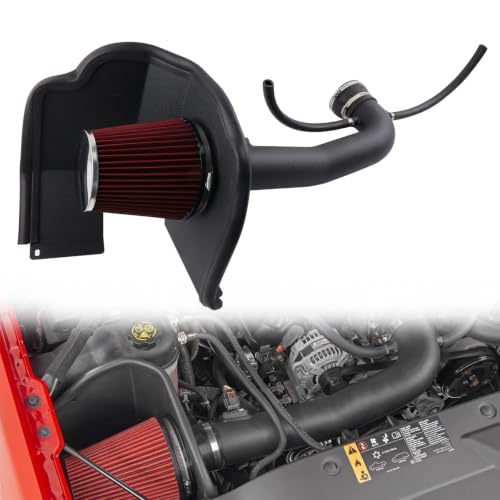
RSG Short Ram Air Intake Kit +…
- 2016-2021 Chevy Malibu 1.5L Turbo
- Item Condition: Brand New
- No additional parts will be needed for installation after you purchase this kit
One of the cheapest and most effective first steps for the 1.5L turbo is improving airflow. The RSG Short Ram Intake Kit fits the 2026-2026 1.5L turbo models, uses a washable filter, and installs without extra parts. It won’t transform the car, but it sharpens throttle response and adds a bit of induction noise that makes the engine feel livelier.
Engine Options: Which Malibu Is Worth Modding?
Before spending a dollar, you need to know what you’re working with. The Malibu has been sold with three main powertrains over the last decade, and they respond to mods very differently.
- 1.5L Turbo (2026-2026): The volume seller. Makes 160-163 horsepower stock. Mods help it feel less sluggish, but you won’t see big numbers. The transmission is the weak link.
- 2.0T Turbo (2026-2026): The enthusiast pick. 250 horsepower from the factory. This engine responds incredibly well to tuning and bolt-ons. It’s the only Malibu worth serious performance investment.
- Older V6 (8th gen, 2026-2026): The 3.6L V6 makes solid torque but has limited aftermarket support. Exhaust and intake help sound, but ECU tuning options are scarce compared to the turbo cars.
- Wheels: The stock wheels are heavy. A set of lighter aftermarket wheels in 18 or 19 inches improves looks and reduces unsprung weight, which sharpens steering. Avoid cheap chrome wheels; they look dated and bend easily.
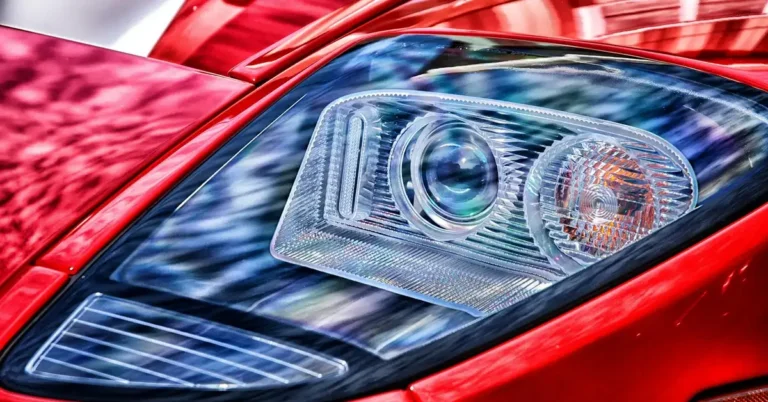
- Lighting: Swap the factory halogen bulbs for LED replacements. It’s a cheap, high-impact mod that improves visibility. Headlight assemblies with LED daytime running lights are available if you want a modern look.
- Spoilers: A subtle trunk lip spoiler adds a sporty touch without looking ridiculous. Avoid the giant wings; they’re not functional on a front-wheel-drive sedan and look out of place.
- Window Tint: The most cost-effective visual mod. It changes the entire character of the car and keeps the cabin cooler.
- Start with an ECU tune if you own a 2.0T. It’s the best horsepower-per-dollar mod available.
- For the 1.5L, focus on throttle response and sound with a tune and intake. Don’t chase big power.
- Pair any engine mod with a quality intake like the RSG kit to improve airflow and spool.
- Fix the handling before adding more power. Coilovers and a rear sway bar make the car more fun than 50 extra horsepower.
- Keep your stock parts to swap back for warranty claims or emissions testing.
- Check the P1101 Chevy Malibu code guide if you get a check engine light after intake work; it’s a common MAF-related error.
- Budget for an alignment after any suspension work, and always use the correct torque specs on turbo and suspension bolts.
If you own a 1.5L, set realistic expectations. A tune and intake might get you 20-30 horsepower. That’s noticeable, but it’s not a sports car. If you own a 2.0T, the ceiling is much higher. The 9th generation 2.0T shares architecture with the larger Ecotec family, which means the tuning community has cracked it open.
Best Performance Mods for the 2.0T Ecotec
This is where the fun lives. The 2.0T is a genuinely good engine with a strong block and a turbo that can be pushed. Here’s the progression that makes sense, stage by stage.
Stage 1: ECU Tune & Intake
Start with a custom or handheld ECU tune. This is the single biggest gain-per-dollar mod on the entire platform. A good tune adds 30-45 horsepower and a similar amount of torque just by adjusting boost, fuel, and timing. Expect to pay $400-700 for a reputable tune from companies like Trifecta, ZZP, or BNR.
Pair that with a cold air intake. The stock airbox is restrictive. A quality intake like the RSG kit or a name-brand alternative adds a few horsepower and makes the turbo spool audible. The sound alone is worth it for some people. Skip the cheap Amazon intakes with questionable filter quality; a washable, reusable filter is worth the extra money.
Stage 2: Downpipe & Exhaust
The catalytic converter and downpipe on the 2.0T are bottlenecks. A catted or catless downpipe opens up exhaust flow and lets the turbo spool faster. You’ll pick up another 10-15 horsepower on a tuned car. A catless downpipe is loud and will fail emissions in most states. A high-flow catted downpipe is the smarter daily driver choice.
For the cat-back exhaust, keep it modest. A 2.5-inch system with a quality muffler gives you a deeper tone without drone on the highway. Full 3-inch systems are loud and unnecessary until you’re pushing big power. You’ll pay $300-600 for a good downpipe and $500-800 for a cat-back.
Stage 3: Flex Fuel & Intercooler
If you want to chase real horsepower, this is the deep end. A flex fuel kit lets you run E85, which has a higher octane rating and cools the intake charge. On the 2.0T, E85 can add another 30-50 horsepower with a proper tune. The catch is fuel economy drops significantly, and you need to live near an E85 station.
A larger intercooler is mandatory if you’re running E85 or pushing boost on hot days. The stock intercooler heat-soaks quickly, causing timing pull and lost power. A bigger front-mount intercooler costs $300-500 and keeps power consistent. Skip the cheap universal intercoolers; you need one with proper piping for the Malibu.
Handling & Suspension Upgrades for Daily Drivers
Most Malibu owners don’t track their cars. But the stock suspension is floaty, and body roll in corners is pronounced. You don’t need a full race setup to fix that. A set of quality coilovers or a good spring/shock combo transforms the car.
For daily driving, look at adjustable coilovers in the $600-900 range. Set them to a moderate height and stiffness. You’ll lose some ride comfort, but the car will feel planted and responsive. If you want to keep the stock ride quality, a set of lowering springs with new shocks is a cheaper compromise at around $400.
Don’t forget the rear sway bar. The Malibu understeers from the factory. A thicker rear sway bar ($150-250) reduces understeer and makes the car rotate better in corners. It’s one of the most underrated handling upgrades for this platform. Pair it with good tires and you’ll have a genuinely fun daily driver.
Visual & Interior Mods: Wheels, Spoilers, and Lighting
Not everyone cares about horsepower. The Malibu is a handsome car, but it blends in. Cosmetic mods are the most popular category for this car, and they’re where you can really make it your own.
Interior mods are limited but worthwhile. A nicer shift knob, all-weather floor mats, and a wireless CarPlay adapter are the upgrades you’ll actually use every day. Skip the fake carbon fiber trim; it peels and looks cheap.
Modding the 1.5L and V6 Models: What Works
The 1.5L turbo is the eco-focused engine. It gets great mileage, but it’s not a performance unit. Mods here are about driveability, not speed. A tune from Trifecta or similar will smooth out the throttle response and fix the laggy transmission programming. That’s the best mod you can do. An intake helps with sound and response, as mentioned earlier. A cat-back exhaust will make it sound throatier, but it won’t add much power. Don’t waste money on a bigger turbo for the 1.5L; the engine internals and transmission aren’t built for it.
The older V6 models (the 3.6L) are a different story. They have plenty of low-end torque, but they’re heavy cars. The best mods are exhaust and intake for sound, plus a transmission tune. The 6-speed automatic shifts sluggishly, and a tune wakes it up. Cold air intakes are available, but gains are minimal. These cars are better left mostly stock and focused on maintenance.
Here’s a quick comparison to help you decide where to put your money.
| Mod | Engine | Est. HP Gain | Cost Range | Best For |
|---|---|---|---|---|
| ECU Tune | 2.0T | 30-45 | $400-700 | Best value overall |
| Cold Air Intake | 1.5T / 2.0T | 5-10 | $150-300 | Sound & response |
| Downpipe | 2.0T | 10-15 | $300-600 | Stage 2 builds |
| Flex Fuel Kit | 2.0T | 30-50 (with tune) | $500-800 | Max power |
| Intercooler | 2.0T | Consistency | $300-500 | Hot climates |
| Coilovers | All | N/A | $600-900 | Handling |
| Rear Sway Bar | All | N/A | $150-250 | Cornering |
| Cat-Back Exhaust | 1.5T / 2.0T | 5-10 | $500-800 | Sound |
Installation Tips, Torque Specs, and Common Mistakes
DIY work on the Malibu is doable, but there are a few traps. Here’s what you need to know before you start wrenching.
For intake installation, the most common mistake is not fully seating the MAF sensor. A loose sensor causes rough idle and a check engine light. Make sure the O-ring is lubricated and the sensor clicks into place. Torque the intake clamps to 5-7 lb-ft. Overtightening cracks the plastic piping.
For the downpipe, the bolts on the turbo flange are notorious for seizing. Soak them in penetrating oil for a few hours before you start. Use a breaker bar with a long extension. The torque spec for the turbo-to-downpipe bolts is 18 lb-ft. Don’t go higher; you’ll strip the threads in the turbo housing.
When installing coilovers, remember the front strut mounts have a specific orientation. Mark them before you loosen anything. Torque the top nut to 18 lb-ft and the lower strut bolts to 85 lb-ft. Get a professional alignment afterward; your tire wear depends on it.
One more thing: the plastic clips on the Malibu’s underbody are fragile. Buy a box of replacement clips before you start any project. They’re cheap, and you will break at least one.
Warranty, Emissions, and Legal Considerations
This is the part nobody wants to talk about, but you need to hear it. Modifying your engine can void your factory warranty. The Magnuson-Moss Warranty Act says the dealer must prove a mod caused the failure, but in practice, they’ll deny the claim and make you fight it. If you have a powertrain issue after installing a tune, expect pushback.
Emissions are another matter. Removing the catalytic converter or running a catless downpipe will fail an OBD-II emissions test in most states. It also triggers a check engine light unless you have a tune that disables the code. You can get away with it in some areas, but it’s a risk. Look for parts with CARB EO numbers if you live in California or other strict states. A high-flow catted downpipe is the legal choice for street use.
Keep your stock parts. If you need to pass inspection or make a warranty claim, swapping back to stock takes an afternoon. It’s the smart play for anyone who daily drives their Malibu.
FAQ: Chevy Malibu Mods Answered
Will a cold air intake mess up my engine?
No, if it’s installed correctly. The risk is oil from an over-oiled filter coating the MAF sensor. Use a dry filter or oil it sparingly. The bigger risk is hydrolocking in deep water, but that’s rare and only happens if you drive through standing water that’s above the intake opening.
Can I tune my 1.5L Malibu?
Yes. Trifecta and a few other tuners offer tunes for the 1.5L. The gains are modest, around 20-30 horsepower, but the throttle response improvement is significant. It makes the car feel much more eager. Just know it won’t turn it into a race car.
What’s the best first mod for a 2.0T Malibu?
A tune. It gives you the most power for the money and changes the character of the car. Get the tune first, then add an intake and downpipe. You’ll get more out of every bolt-on if the tune is already optimized for it.
Are chevy Malibus good in snow after mods?
It depends on the mod. Lowering the car reduces ground clearance, which is bad for deep snow. Summer tires are dangerous in cold weather. If you drive in snow, keep the stock ride height and run quality all-season or winter tires. A tune and intake won’t hurt snow performance, but suspension mods will.
Do I need to upgrade the spark plugs when tuning?
For stage 1 and 2 tunes, the stock plugs are fine. For stage 3 with flex fuel, you should step down one heat range. Gap them to 0.025-0.028 inches for boosted applications. It’s a cheap insurance policy against misfires under high boost.
What to Do With All This
You now have a clear roadmap. Here’s the short version of what matters.
If you run into specific problems down the road, resources like P0010 Chevy Malibu and snow driving tips can help you troubleshoot and plan for seasonal changes. The Malibu might not be the most exciting platform out there, but with the right mods, it can be genuinely enjoyable to drive.
Products related to this article
Sponsored / affiliate links. As an Amazon Associate I earn from qualifying purchases. I may earn additional commission from eligible campaigns.