P0010 Chevy Malibu: What It Means, How to Diagnose It, and How to Fix It for Good
What Does P0010 Mean on a Chevy Malibu?
You’re driving, and the check engine light pops on. You scan it, and there it is: P0010. The code stands for ‘A’ Camshaft Position Actuator Circuit / Open (Bank 1). In plain English, the engine computer (ECM) is telling you it can’t properly control the variable valve timing (VVT) system on the first bank of cylinders.
This isn’t a code you should ignore. It directly affects how your engine breathes and manages oil pressure. If left alone, it can lead to rough idling, poor fuel economy, and in severe cases, serious internal damage. This guide walks you through the exact symptoms, root causes, and a step-by-step fix tailored to the specific engine in your Malibu.
You’ll walk away knowing exactly what parts to buy, what tools you need, and how to verify the repair is done right the first time.
If you end up needing a replacement sensor, A-Premium Camshaft Position Sensor is a solid aftermarket option. It’s a direct-fit replacement for many Nissan and Infiniti models, though you’ll want to verify it matches your Malibu’s engine before ordering.
P0010 Symptoms You Can’t Ignore
The symptoms of P0010 on a Malibu can be subtle at first. Many drivers report the car still drives fine, but the check engine light stays on. That’s the most common symptom by far.
As the problem worsens, you might notice:
- Rough idle, especially when the engine is warm
- Noticeable loss of power during acceleration
- Fuel economy drops by 2-3 MPG
- Engine stalls at stop lights
- Hesitation or stumbling when you press the gas pedal
These symptoms happen because the camshaft timing is stuck. The engine defaults to a safe, less efficient timing map to protect itself, but that map hurts performance.
One thing to watch: if the code appears alongside a low oil pressure warning light, pull over immediately. That combination signals a serious lubrication problem, not just a sensor issue.
Root Causes: Why the Actuator Circuit Fails
P0010 is an electrical circuit code. It means the ECM sees a break or short in the wiring to the camshaft position actuator solenoid. But the root cause isn’t always the solenoid itself.
Oil Sludge and Dexos Requirements
GM designed these engines to run on Dexos-certified oil. That spec matters. The VVT system relies on clean oil to move the actuator. If you’ve been using cheap oil or skipped changes, sludge builds up in the solenoid screens and oil passages.
Sludge restricts oil flow. The actuator can’t move, the solenoid draws more current, and eventually the circuit fails. I’ve seen 2026-2026 2.4L engines with 80,000 miles and a lifetime of missed oil changes throw this code. A fresh oil change with the correct Dexos oil sometimes clears it, but usually the solenoid is already damaged.
Wiring and Connector Issues
GM uses a plastic connector that clips onto the solenoid. That clip breaks easily, especially if someone has already been in there. A broken clip means the connector can vibrate loose, creating an intermittent open circuit.
Corrosion is another culprit. Water gets into the connector, corrodes the pins, and increases resistance. The ECM sees the voltage drop and sets the code.
Check the wiring harness for chafing too. The harness runs near the valve cover and can rub against it, wearing through the insulation over time.
Faulty VVT Solenoid vs. Camshaft Actuator
Here’s where people get confused. The solenoid is an electrically controlled oil valve. The actuator is a mechanical device bolted to the camshaft. P0010 points to the solenoid circuit, not the actuator itself.
If the solenoid tests fine, the problem could be the actuator. But the actuator rarely fails on its own. It’s usually a symptom of oil starvation. If you replace the solenoid and the code comes back, check oil pressure before you even look at the actuator.
Diagnosing P0010 Step by Step (No Guesswork)
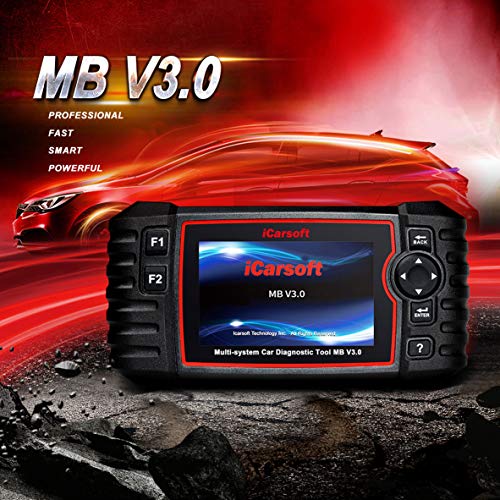
Don’t throw parts at this code. A $15 multimeter and 20 minutes of your time will tell you exactly what’s wrong.
Check Oil Level and Pressure First
Start with the basics. Park on level ground, wait 10 minutes, and check the dipstick. Low oil is a common trigger for P0010.
If the oil level is fine, you need to verify pressure. A mechanical gauge screwed into the oil pressure sender port will give you a reading. You’re looking for at least 10 PSI per 1,000 RPM. If pressure is low, fix that before anything else. Running the engine with low oil pressure can destroy the camshaft bearings.
Test the Solenoid with a Multimeter
Locate the VVT solenoid on the front of the engine, near the top of the valve cover. On the 2.4L, it’s on the intake side. On the 3.6L V6, it sits on the front bank.
Unplug the connector. Set your multimeter to ohms. Touch the probes to the two solenoid terminals. A good solenoid reads between 6 and 12 ohms. If you read infinite resistance, the coil is open and the solenoid is dead.
You can also test the solenoid’s operation. Apply 12 volts directly from a battery to the terminals. You should hear a distinct click as the valve opens. No click means the internal mechanism is stuck.
Inspect Wiring for Damage or Corrosion
With the solenoid unplugged, test the harness side. Set the multimeter to DC volts. Have a helper turn the ignition to the ‘ON’ position without starting the engine. You should see battery voltage (around 12V) on one pin and a ground on the other.
If you see voltage, the harness is fine. If you don’t, trace the wires back to the ECM connector. Look for breaks, melted insulation, or corrosion. GM service bulletin 18-NA-089 covers several VVT wiring issues on these cars, so check if your VIN falls under it.
How to Replace the VVT Solenoid (Year-Specific Guide)
The replacement process varies slightly depending on your engine. Here’s what you need to know for both.
2026-2026 2.4L Ecotec: The solenoid is a cylindrical unit on the front of the engine, held in by a single 10mm bolt. Unplug the connector by pressing the release tab and pulling straight back. Remove the bolt, then pull the solenoid straight out. It might be stuck, so give it a gentle twist. Clean the bore before installing the new one. Torque the bolt to 89 lb-in (10 Nm). Do not overtighten — the aluminum housing strips easily.
2026-2026 3.6L V6: You have two solenoids, one for each bank. Bank 1 is on the front of the engine, bank 2 is on the rear. The front one is easy. The rear one requires removing the intake manifold on some models, which adds about an hour of labor. The bolt size is the same 10mm, with the same 89 lb-in torque spec.
For both engines, the part number is ACDelco 12655421. This is the OEM part. Aftermarket versions exist, but stick with ACDelco or a reputable brand like A-Premium to avoid premature failure.
Before you reinstall the connector, apply a small amount of dielectric grease to the terminals. This prevents corrosion and keeps the connection solid.
Repair Costs: DIY vs. Mechanic vs. Dealer
Costs vary widely depending on where you get the work done. Here’s a realistic breakdown.
| Repair Option | Part Cost | Labor Cost | Total Estimate | Time Frame |
|---|---|---|---|---|
| DIY | $40-$80 (ACDelco 12655421) | $0 | $40-$80 | 1-2 hours |
| Independent Mechanic | $50-$100 (marked up) | $100-$150 | $150-$250 | Same day |
| Dealership | $80-$120 | $200-$300 | $280-$420 | 1-2 days |
The DIY route saves the most money, but it’s not for everyone. The rear solenoid on the 3.6L V6 is a genuine pain. If you’re not comfortable removing the intake manifold, pay a mechanic.
Also check if you’re under warranty. GM’s powertrain warranty covers this repair on vehicles under 60,000 miles. Some states have emissions warranties that extend coverage on VVT components to 70,000 or even 100,000 miles. Call a dealer with your VIN to check.
How to Clear the Code and Prevent P0010 from Returning
After the repair, you can’t just clear the code and call it done. You need to verify the fix actually works.
Use a scan tool to clear the code. Then start the engine and let it idle for two minutes. Rev it to 3,000 RPM a few times. This actuates the VVT system and checks for proper operation.
Drive the car normally for a full drive cycle. That means cold start, city driving, highway driving, and a shutdown. The ECM needs to see the system operate across all conditions. If the code doesn’t return after 50 miles, the repair is solid.
To keep it from coming back:
- Use Dexos-certified oil. It’s not a marketing gimmick.
- Change the oil every 5,000 miles, not 7,500. The 2.4L is hard on oil.
- Inspect the connector clip every oil change. They’re fragile.
- If you drive in dusty conditions, check the solenoid screens for debris annually.
One more thing: if the code returns within a week, don’t assume the solenoid failed again. Recheck the wiring harness. Intermittent shorts are hard to find but common on this platform.
Frequently Asked Questions
Can I drive my Malibu with the P0010 code?
Short trips to work or the store are fine. Long-term driving is not. The engine runs in a degraded mode, which increases wear on the timing chain and camshaft. If the code is accompanied by a low oil pressure light, stop driving immediately. That’s a recipe for a seized engine.
Will a bad VVT solenoid cause my Malibu to fail emissions?
Yes. P0010 will cause a check engine light, which is an automatic failure in most states. Even if the light is off, the ECM may not run the proper emissions tests if the VVT system isn’t working. Fix the code first, then get the emissions test.
Is P0010 the same as P0011?
No. P0011 is the performance code. It means the ECM commanded the actuator to move, but the system didn’t respond correctly. P0010 is a circuit code, meaning there’s an electrical problem. They share similar causes, but P0011 often points to mechanical issues like a stuck actuator or low oil pressure.
Do I need to replace both solenoids at the same time?
Not necessarily. If only bank 1 has a code, replace only that solenoid. But if the other one looks corroded or the connector is cracked, it’s cheap insurance to replace both while you’re in there. The part is only $40, and the labor is already done.
Will a tune-up fix P0010?
No. Spark plugs, coils, and air filters don’t affect the VVT circuit. Save your money. A tune-up won’t hurt, but it won’t clear this code either. Stick to the diagnostic steps above.
Final Verdict: Is It Safe to Drive?
P0010 on a Chevy Malibu is a repair you can put off for a few days, but not indefinitely. The electrical issue itself won’t destroy the engine, but the underlying causes—low oil pressure, sludge, or a failing actuator—absolutely can.
Here’s the bottom line:
- Diagnose before you replace. A multimeter test takes 10 minutes and saves you from buying parts you don’t need.
- Check your oil pressure first. Low pressure is the number one killer of VVT systems on the 2.4L.
- Use the correct ACDelco part. Aftermarket solenoids are hit or miss.
- Torque the bolt to 89 lb-in. Overtightening cracks the housing.
- Clear the code and complete a full drive cycle to verify the fix.
- Call the dealer with your VIN to check for warranty or recall coverage.
- If the code returns, inspect the wiring harness before touching the solenoid again.
This is a manageable DIY job for most people. The 2.4L is straightforward. The 3.6L rear bank is harder, but still doable with patience. Take your time, follow the steps, and your Malibu will be back to normal. For more related issues, check out our guide on the P0013 Chevy Malibu code. If you’re dealing with other engine problems, our P1101 Chevy Malibu article covers another common fault. And for general maintenance, see our tips on checking transmission fluid.
Products related to this article
Sponsored / affiliate links. As an Amazon Associate I earn from qualifying purchases. I may earn additional commission from eligible campaigns.