Do All Cars Have a Black Box? Discover the Truth Now!
Have you ever wondered if your car has a hidden device quietly recording everything you do behind the wheel? This little gadget, often called a black box, could hold the key to understanding accidents, improving safety, and even protecting you in tricky situations.
But here’s the question: do all cars actually have one? If you’re curious about what’s inside your vehicle and how it might be watching out for you, keep reading. You might be surprised by what you discover.
What Is A Car Black Box?
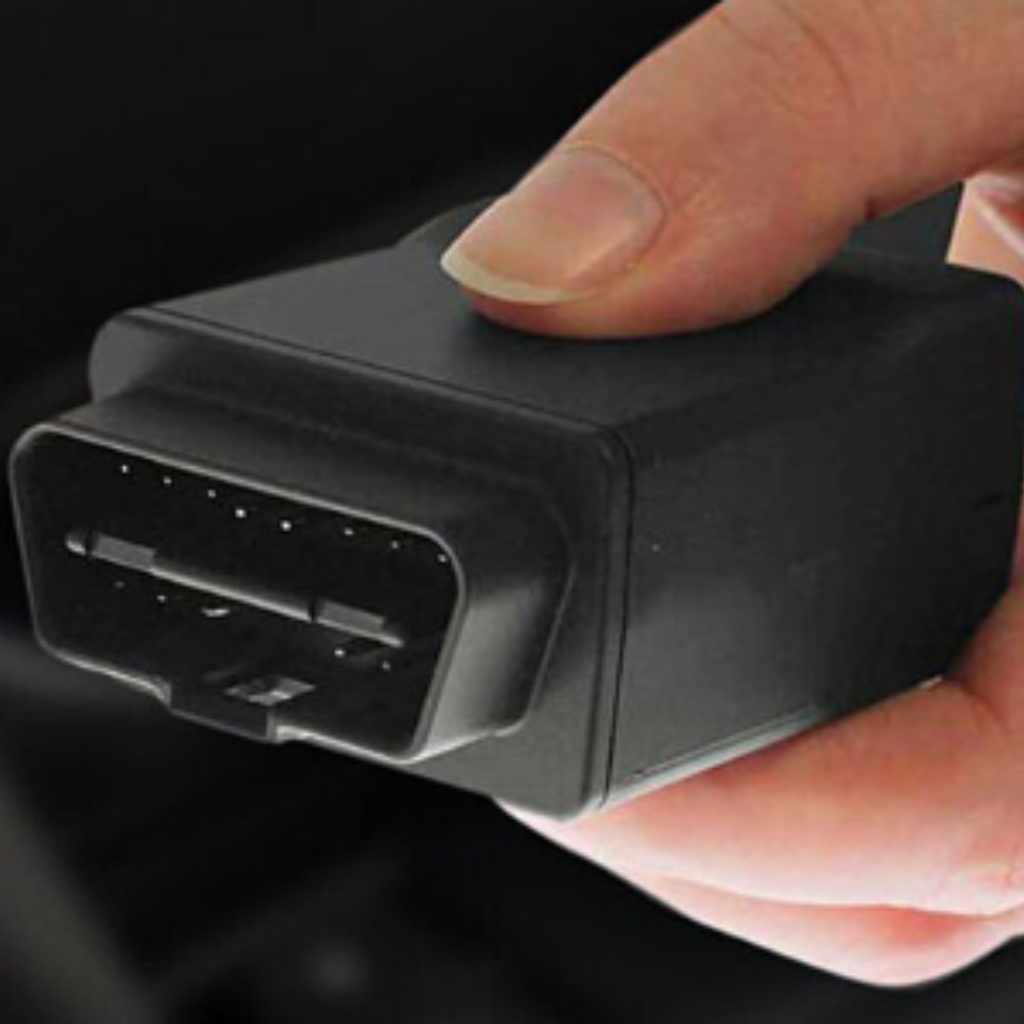
A car black box is a small device inside many vehicles. It records important information about the car’s operation and activity. This device helps understand what happens during a crash or unusual event. Not all cars have one, but many modern vehicles do.
Function And Purpose
The car black box collects data about the vehicle’s speed, braking, and steering. It also tracks seatbelt use and airbag deployment. This data helps experts figure out how an accident happened. It can improve car safety and help with insurance claims.
How It Works
The black box records information continuously while the car runs. It stores data in a protected memory that cannot be erased easily. If a crash occurs, the device saves the last few minutes of data. Investigators can access this data to analyze the event.
Types Of Black Boxes In Vehicles
Vehicles today often come with different types of black boxes. These devices record important information. They help in understanding accidents and monitoring car performance. Not all black boxes are the same. Each type serves a unique purpose. Knowing these types helps car owners and drivers stay informed.
Event Data Recorders (edrs)
EDRs are the most common black boxes in cars. They record data during crashes. This includes speed, brake use, and seatbelt status. EDRs help investigators find out what happened. They only save data from moments before and after a crash. These devices are built into many modern vehicles.
Telematics Devices
Telematics devices track a car’s location and movements. They send real-time data to fleet managers or owners. This data includes speed, routes, and driving habits. Some insurance companies use telematics for monitoring drivers. These devices often help improve safety and reduce costs. They work continuously, not just during accidents.
Dash Cams And Other Recorders
Dash cams record video inside and outside the car. They capture driving events and road conditions. These cameras can provide clear evidence in disputes. Some dash cams also record audio and GPS data. Other recorders may track tire pressure or engine health. These tools add extra layers of information for drivers.
Which Cars Have Black Boxes?
Black boxes in cars record important data during driving and crashes. Not all cars have these devices, but many do. Knowing which cars have black boxes helps drivers understand their vehicle’s safety features and data tracking.
New Vs. Older Models
Most new cars come with black boxes installed. They track speed, brake use, and airbag status. Older cars usually lack these devices. Some older models may have aftermarket black boxes added later. Regulations have pushed new cars to include black boxes for safety.
Luxury Vs. Economy Cars
Luxury cars often include advanced black boxes. These record more detailed data for crash analysis. Economy cars sometimes have simpler black boxes or none at all. The cost of the car affects the type and quality of black box technology installed.
Regional Differences
Some countries require black boxes in new cars by law. Others do not have strict rules about them. In the US and Europe, many cars have black boxes due to regulations. Cars in regions without such rules may not have black boxes installed.
Benefits Of Black Boxes
Black boxes in cars provide many useful benefits. They help improve safety and make driving clearer for everyone. These devices record key information about the car’s movements and conditions. This data can prove very helpful after accidents or for monitoring driving habits.
Accident Analysis
Black boxes store data from just before and during a crash. This helps experts understand what happened. They can see speed, braking, and steering actions. This clear picture helps find the cause of the accident. It also helps prevent similar crashes in the future.
Insurance Claims
Insurance companies use black box data to check claims. The recorded information shows how the accident occurred. This reduces disputes and speeds up claim processing. It also helps stop false claims. Drivers with black boxes may get fairer insurance rates too.
Driver Behavior Monitoring
Black boxes track how a person drives every day. They record data on speed, sharp turns, and sudden stops. This helps drivers see areas to improve. Parents can monitor teen drivers for safer habits. Fleet managers use this to keep drivers responsible and safe.
Privacy Concerns And Regulations
Cars with black boxes raise important privacy questions. These devices record data about driving and vehicle use. The data can include speed, braking, and location. People worry about who owns this data and how it is used. Laws try to protect drivers but rules vary widely. Understanding privacy concerns helps drivers stay informed and safe.
Data Ownership
Who owns the data collected by a black box? Usually, the car manufacturer or service provider holds ownership. Drivers often do not control the data. This situation creates concerns about privacy and data misuse. Some regions require clear rules about data ownership. Drivers need to know their rights about their driving data.
Legal Restrictions
Many countries have laws to protect data privacy. These laws limit how companies use black box data. Restrictions may prevent selling or sharing data without consent. Some laws require data to be deleted after a period. Legal rules aim to balance safety benefits with privacy rights. Drivers should check local laws about black box data.
User Control
Can drivers control the data their black box records? Some systems allow users to turn off data recording. Others provide access to view or download their data. User control varies by car make and model. More control means better privacy protection. Knowing how to manage black box data helps drivers protect themselves.
How To Check If Your Car Has A Black Box
Checking if your car has a black box is easier than many think. This device records important data about your vehicle’s performance and accidents. Knowing if your car has one helps in understanding your vehicle better. Here are simple ways to find out.
Locating The Device
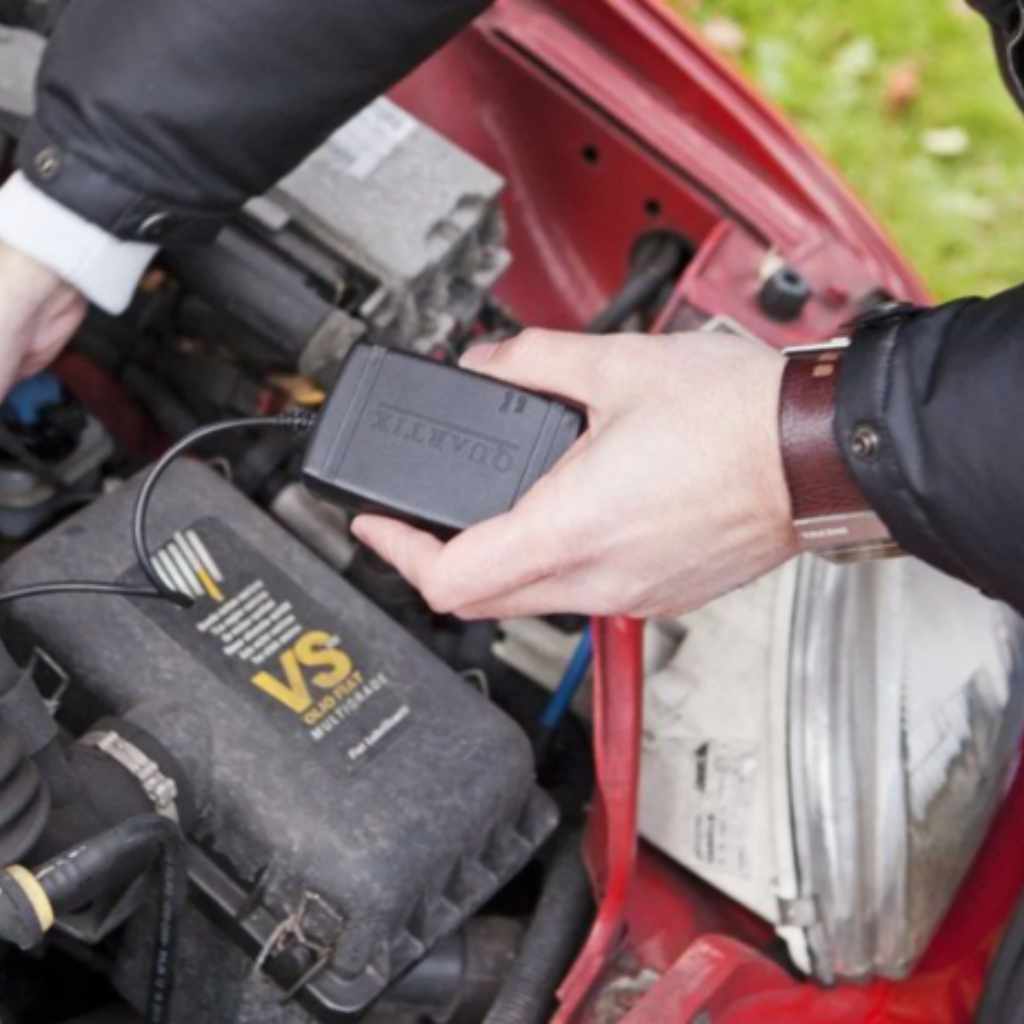
Most black boxes are hidden inside the car. Common spots include under the dashboard or near the center console. Look for a small black box with wires connected. It may also be behind the glove box or under the seats. Use a flashlight to help see in dark areas. Be careful not to damage any parts while checking.
Consulting The Manufacturer
Car makers usually know if a black box is installed. Check the owner’s manual first for any mention of it. Contact the dealership or manufacturer’s customer service for clear answers. Provide your car’s model and year for accurate information. They can confirm if your vehicle has the device and its location.
Using Diagnostic Tools
Diagnostic tools can scan your car’s system for a black box. These tools plug into the car’s OBD-II port, usually under the dashboard. They read data stored in the vehicle’s computer. Many auto shops have these tools and can check for you. Some apps also connect to these devices for easy access.
Future Of Black Boxes In Cars
The future of black boxes in cars is promising and full of innovation. These devices will play a bigger role in vehicle safety and technology. They will collect more data and help cars become smarter. Black boxes will support new driving systems and improve accident analysis. This evolution will make driving safer for everyone.
Integration With Autonomous Vehicles
Black boxes will work closely with self-driving cars. They will track how the vehicle makes decisions and reacts to road conditions. This data will help developers improve autonomous systems. It will also give clear proof of what happened during incidents. Black boxes will become essential tools for managing driverless cars.
Advancements In Data Collection
Future black boxes will gather more detailed information. Sensors will monitor speed, brake usage, and steering angles. They may even record environmental factors like weather and road quality. This richer data helps understand accidents better. It also supports insurance claims and vehicle maintenance.
Enhanced Safety Features
Black boxes will aid in activating safety systems faster. They can detect sudden stops or collisions immediately. This quick response can alert emergency services right away. Some systems might warn drivers of potential dangers before accidents occur. Overall, black boxes will strengthen car safety and protect lives.
Frequently Asked Questions
Do All Cars Have A Black Box Installed?
Not all cars have a black box. Most modern vehicles made after 2010 include an Event Data Recorder (EDR). Older or basic models often lack this feature. Black boxes record crash data and help improve vehicle safety.
What Information Does A Car’s Black Box Record?
A car’s black box records speed, brake usage, seatbelt status, and airbag deployment. It captures data seconds before and during a crash. This information helps investigators understand accident causes and improves car safety designs.
Can I Access My Car’s Black Box Data?
Access to black box data varies by car manufacturer and region. Typically, authorized personnel or accident investigators retrieve it. Some car owners can access data through dealerships or specialized tools, but privacy laws regulate its use.
Are Black Boxes Mandatory In All Vehicles?
Black boxes are mandatory in many countries for new vehicles, especially in the US and EU. Regulations require automakers to install Event Data Recorders to enhance road safety. However, older cars and some regions may not have this requirement.
Conclusion
Not all cars have a black box, but many do today. These devices record important data during driving. They help understand accidents better and improve safety. Some cars have them built-in, while others do not. Knowing which cars have black boxes can be useful.
It helps drivers stay informed and prepared. Technology keeps changing, so more cars may have black boxes soon. Keep an eye on your car’s features. Safety matters for every driver on the road.