How Much Does a Car Bumper Cost? Real Part Prices (2026)
A bumper bill is four separate costs: the plastic cover you can see, the reinforcement bar and absorber behind it, paint and labor, and any sensor work. Listed prices for a genuine front cover on a 2022 Honda Civic and a 2022 Toyota Camry ran from $136.88 to $247.25 when read on October 20, 2026, before paint and labor. This guide shows those listed prices, explains how a shop estimate is built line by line, and covers when repairing stops making sense.
What a Bumper Bill Is Made Of
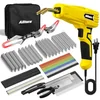 |
BEST DIY COVER CRACK REPAIR PICK Allturn Plastic Welder 2-in-1 Kit (38 rods, 800 staples) Best for: A cracked plastic bumper cover you want to try repairing before paying for a new cover. Why we picked it: The listing says it handles thermoplastics such as car bumpers, includes 38 welding rods and 800 staples, and has a UL-certified cord with overheat protection. Main drawback: The listing advises no more than five minutes of continuous use on the tips, and a repaired area still needs refinishing; skip it near parking sensors or radar. View Our Pick on Amazon |
As an Amazon Associate we earn from qualifying purchases. Spec-based pick from the listing, not a hands-on test.
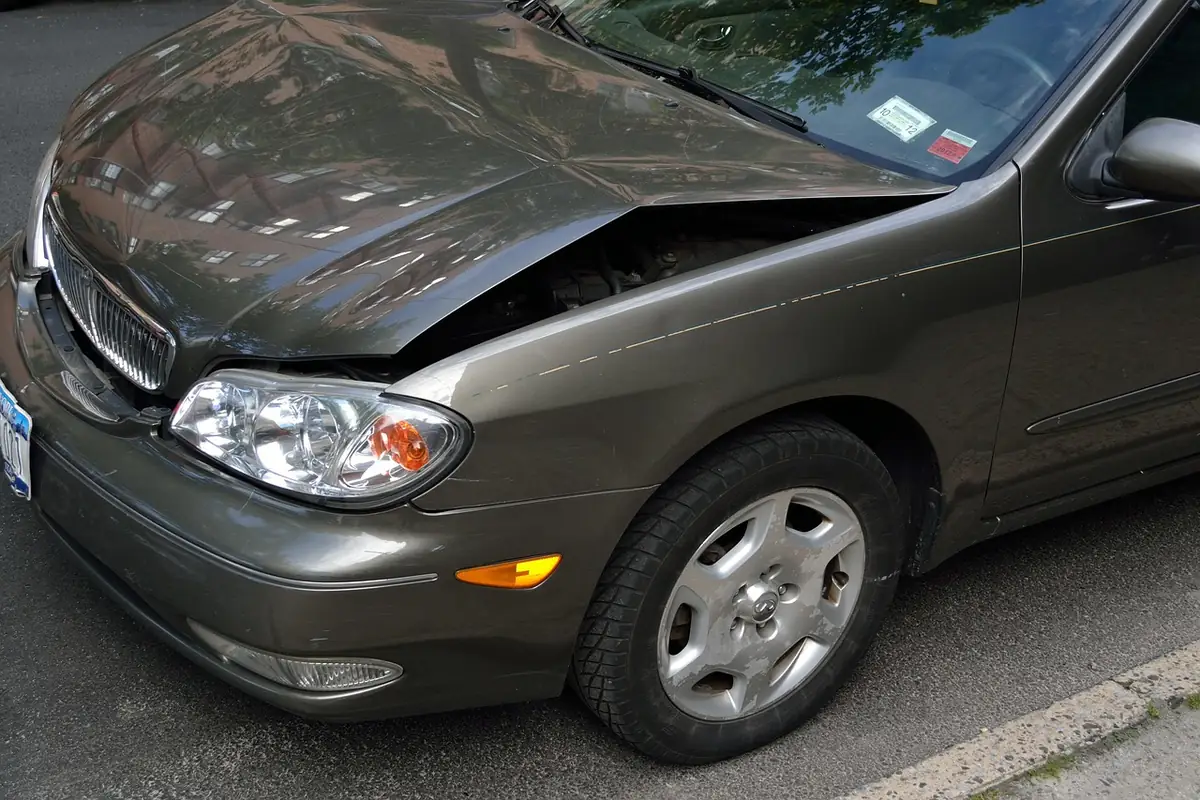
A modern bumper is a system, not one part. The outer plastic cover is the piece that scratches and cracks, but the CAPA 501 standard for bumper parts lists bumpers (front and rear), bumper reinforcements (rebars), bumper brackets and energy absorbers together as bumper parts. A collision estimate can therefore include more than the cover. The Insurance Institute for Highway Safety (IIHS) builds its own bumper-test estimates the way a repair shop would: each bumper assembly is generally removed and dismantled to check for hidden damage. A scuffed cover can sit in front of a bent bracket.
There is also a common misunderstanding that bumpers are required to survive a bump unharmed. The federal bumper standard, 49 CFR Part 581, states its purpose as reducing physical damage to the front and rear ends of a passenger motor vehicle from low-speed collisions. It tests with a pendulum at 1.5 mph and a barrier impact at 2.5 mph, and it limits damage to lamps, the hood, trunk and doors, and the fuel, cooling, exhaust and brake systems. It also carves out damage to the bumper face bar and the parts that attach it to the frame. In plain terms, the rule keeps a minor bump from damaging the rest of the car; it does not promise the bumper itself will come through clean. The standard also excludes multipurpose passenger vehicles as defined in 49 CFR 571.3(b).
Factors That Influence Car Bumper Costs
- Damage type: a surface scuff, a through-crack and a bent bracket behind the cover are three very different repairs, and only a teardown shows which one you have.
- Part source: genuine OEM, aftermarket, or aftermarket certified by CAPA, the Certified Automotive Parts Association. CAPA describes itself as a non-profit that tests replacement parts rather than making or selling them; its CAPA 201 standard covers plastic parts (including appearance, size, fasteners and vehicle test fit) and CAPA 501 adds crash testing for bumper parts. Ask the shop which source each line uses and whether a CAPA seal can go on the invoice.
- Paint: many new covers are sold unpainted. Several Toyota Camry listings carry the note “PAINT REQ.”, which means the cover needs refinishing before it matches. In IIHS estimates the cost of paint and related materials is directly proportional to total refinishing time, and a clear-coat finish adds labor time.
- Sensors and cameras: radar, parking sensors and cameras can sit in or behind the cover, which adds parts and calibration (see the replacement section below).
- Labor rate: IIHS uses an average of the body-repair and refinishing labor rates its estimating system reports for actual client estimates in the most recent quarter. Your shop’s rate will differ, so ask for hours as well as dollars.
Our guides on how much it costs to paint a car bumper and on fixing a misaligned bumper go deeper on those two common jobs.
Bumper Repair Costs: What to Expect
Repair prices depend heavily on the shop, the finish and the damage, so no single national number is reliable. The useful question is what each line of the estimate is paying for. An itemized estimate usually breaks down the way IIHS builds its own, shown below.
| Estimate line | How IIHS calculates it (2010 protocol) | What to ask your shop |
|---|---|---|
| Parts | New original-equipment parts at full list price, with no discounts, taxes or storage fees | Is each part OEM, aftermarket or CAPA certified? |
| Body labor | Hours from industry-standard appraisal techniques multiplied by an average body labor rate | How many hours, and at what hourly rate? |
| Refinish labor | Refinishing hours, with extra time added for clear-coat paint | Is blending into the next panel included? |
| Paint and materials | Directly proportional to total refinishing time | Is it charged per refinish hour? |
| Teardown | The bumper assembly is generally removed and dismantled to check for hidden damage | What did the teardown find behind the cover? |
IIHS publishes these methods in its bumper test and rating protocol (version VIII, September 2010). Shop practice varies, so treat the table as a checklist for reading a quote, not as a price list.
- Scuffs and scratches: if the damage stays in the paint, a refinish repair is often enough. See our guide to repairing scratches on a plastic car bumper.
- Dents: shallow dents in a flexible cover sometimes pop back out; our dent-popping guide covers the options.
- Cracks and holes: plastic welding or filler can close a crack, and plastic fillers for car bumpers explains what each product is meant for.
One catch applies to newer cars. Consumer Reports (January 2020) reported that body-filler compound and fresh paint could impair vehicle sensors, so some bumper repairs now require the more costly option of replacing the cover. If your bumper holds radar, parking sensors or a camera, ask the shop to confirm in writing that a repair is acceptable for your vehicle.
Bumper Replacement Costs: When Repairs Won’t Cut It
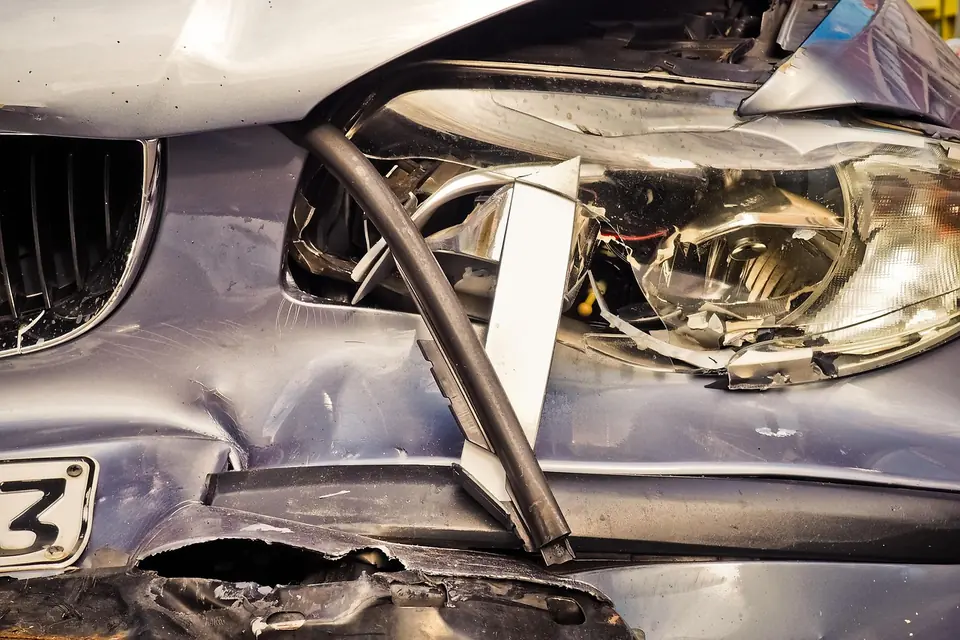
Replacement makes sense when the cover is cracked through, torn at the mounts, or when the teardown finds damage to the brackets, absorber or reinforcement bar. In that case the estimate adds the new part, paint, and any sensor work. Reinforcement bar prices are not part of the cover listings below, so ask for that line item separately instead of assuming it is included in the cover price.
Sensor work can matter as much as the cover. Toyota’s 2023 RAV4 owner’s manual says the front radar sensor must be recalibrated when the front bumper is replaced, and tells owners to contact a Toyota dealer. Other makers have different procedures, so check the repair information for your exact vehicle. Sensors can also be replaced on their own: genuine parking sensor listings for a 2022 Honda Civic ranged from $33.63 to $62.41 each on October 20, 2026, and some listings noted that two are required.
Buying the part yourself changes the math only if the shop will install it and warrant the work, so ask before you order. IIHS estimates assume full list prices, which is why a shop quote for a genuine cover can come in above the web listing prices below.
Average Bumper Price by Vehicle Type
The table lists genuine-part prices read in full from two retailer catalog pages (HondaPartsNow and ToyotaPartsDeal) on October 20, 2026. Each row is a named model, year and part number, because covers differ by trim and equipment. A pickup, SUV or luxury model needs its own part-number lookup by VIN.
| Vehicle and position | Part number | Listed price | MSRP shown | Listing note |
|---|---|---|---|---|
| 2022 Honda Civic, front cover | 04711-T20-A00ZZ | $247.25 | $358.33 | Fits 4-door and 5-door trims |
| 2022 Honda Civic, rear cover | 04715-T20-A00ZZ | $457.40 | $668.72 | 4-door trims except Touring |
| 2022 Honda Civic, rear cover | 04715-T20-A50ZZ | $514.50 | $752.20 | 4-door Touring only |
| 2022 Toyota Camry, front cover | 52119-0X953 | $136.88 | $194.60 | PAINT REQ. |
| 2022 Toyota Camry, front cover | 52119-0X956 | $143.90 | $204.58 | PAINT REQ., driver assist package |
| 2022 Toyota Camry, front cover | 52119-0X954 | $211.11 | $302.71 | PAINT REQ. |
| 2022 Toyota Camry, front cover | 52119-0X952 | $235.47 | $337.64 | Listed as a cover “without color” |
| 2022 Toyota Camry, rear cover | 52159-0X913 | $186.75 | $267.78 | Listed position: rear driver side |
| 2022 Toyota Camry, rear cover | 52159-0X915 | $250.55 | $359.27 | Listed position: rear driver side |
Three things stand out. First, the same car, year and bumper position can have several part numbers: the Camry front covers above span $136.88 to $235.47, a gap of $98.59, depending on the variant. Ordering the wrong variant is a real risk, so match the part number to your VIN. Second, the Civic rear cover costs about 1.8 times as much as the front one in these listings ($457.40 against $247.25 for the base parts). Third, none of these prices include paint, labor, sensors or a reinforcement bar.
Prices on parts sites change often and differ from what a shop charges. Treat every figure here as a dated example, not a quote.
Repair or Replace? A Quick Checklist
- Repair is realistic when damage stays in the paint or a shallow dent, the mounts are intact, and there are no sensors or cameras behind the damaged area.
- Replace is likely when the cover is cracked through or torn at the mounts, when sensors sit in the damaged area, or when the teardown shows bracket or absorber damage.
- Ask for the teardown result before approving either route, because hidden damage is what turns a cosmetic estimate into a structural one.
- Ask for an itemized estimate that lists the part source, hours, refinish time and any calibration.
Low-speed bumps can cost more than they look. In IIHS bumper ratings (2010 protocol) each vehicle is hit four times: front and rear full-width at 10 km/h (about 6 mph) and front and rear corner impacts at 5 km/h (about 3 mph). The weighted repair estimate decides the rating: under $500 is good, under $1,000 acceptable, under $1,500 marginal, and above that poor. The protocol also says no vehicle can earn good or acceptable if it is undrivable or unsafe after a test, for example from severe headlamp or taillamp damage, hood buckling or coolant loss.
Does Insurance Cover Bumper Repair?
It depends on how the damage happened. Per the Insurance Information Institute (Triple-I), collision coverage pays for damage to your car from a collision with another car or an object such as a tree or pole, and from flipping over, and it also covers pothole damage. Even if you are at fault, collision coverage reimburses the repair cost minus your deductible. Comprehensive covers damage from something other than a collision, such as fire, falling objects, hail, vandalism or contact with animals like deer. Liability coverage pays for damage you cause to someone else’s property, not for your own bumper.
Collision and comprehensive are usually sold with separate deductibles. Compare the itemized estimate with your deductible before filing: if the repair costs less than the deductible, a claim pays nothing, and you may prefer to pay the shop directly. Your policy documents and your insurer decide what applies in your case, and this guide is not insurance or financial advice.
Frequently Asked Questions
How much does a car bumper cost?
It depends on the car, the part source, paint, sensors and labor. As dated examples, listed genuine front covers for a 2022 Honda Civic and a 2022 Toyota Camry ran from $136.88 to $247.25 on October 20, 2026, before paint, labor and sensor work. Get an itemized estimate for your own vehicle.
Is it cheaper to repair or replace a bumper?
Repair is usually the lower-cost route for damage that stays in the paint or a shallow dent, but there is no universal rule. Consumer Reports notes that filler and fresh paint can impair sensors, so some bumpers with sensors need a replacement cover, and a teardown can reveal hidden damage behind the cover.
Does insurance cover bumper repair?
Collision coverage pays for damage from hitting a car or an object, minus your deductible, even if you caused the accident. Comprehensive covers non-collision damage such as hail, falling objects or vandalism. Liability does not pay for your own bumper.
Do I need sensor calibration after a bumper replacement?
Often, if the bumper holds a radar sensor or camera. Toyota’s 2023 RAV4 owner’s manual says the front radar sensor must be recalibrated when the front bumper is replaced. Procedures differ by maker, so check the repair information for your vehicle.
What is a CAPA-certified bumper?
CAPA is the Certified Automotive Parts Association, a non-profit that tests aftermarket replacement parts. Its CAPA 501 standard covers bumpers, reinforcements, brackets and energy absorbers, including crash testing. Ask the shop whether a CAPA seal can be attached to your invoice.
The Bottom Line
A bumper replacement is a stack of costs: cover, hidden parts, paint, labor and sensor work. Read the itemized estimate line by line, match part numbers to your VIN, and ask what the teardown found before you choose repair or replacement.
This guide does not cover used or salvage cover prices, aftermarket or CAPA price comparisons, shop labor rates in your area, or the price of a pickup, SUV or luxury-model cover. Prices change and vary by region; ask a collision shop for a written, itemized estimate.
Products related to this article
Sponsored / affiliate links. As an Amazon Associate I earn from qualifying purchases. I may earn additional commission from eligible campaigns.