Do Car Batteries Have A Date On Them How To Check
Ever wondered if your car battery is getting old? It’s a common question for many car owners. Knowing how to check your car battery’s age can save you from unexpected breakdowns.
For beginners, figuring out if there’s a date on a car battery and how to find it can seem a bit tricky. But don’t worry! This guide makes it super simple.
We’ll walk you through exactly what to look for and how to find that important date. Get ready to learn a skill that will keep your car running smoothly.
Finding Your Car Battery’s Age And Manufacturing Date
Understanding the age of your car battery is key to preventing roadside emergencies. Batteries don’t last forever, and knowing their manufacturing date helps you predict when a replacement might be needed. This section will show you where to look for this information and what the different markings mean.
Why Battery Age Matters
Car batteries have a limited lifespan, typically between 3 to 5 years. This lifespan can be affected by various factors like climate, driving habits, and the quality of the battery itself. A battery that is too old is more likely to fail, especially in extreme weather conditions.
This can leave you stranded, which is never a good experience.
When a battery gets older, its internal components begin to degrade. The lead plates can sulfate, and the electrolyte can lose its effectiveness. This reduces the battery’s ability to hold a charge and deliver the necessary power to start your car.
Ignoring an aging battery can lead to starting problems, electrical issues, and ultimately, a dead car.
By checking the manufacturing date, you can get a good idea of how much life the battery likely has left. It’s a proactive step that can save you time, money, and stress. Imagine knowing your battery is nearing its end and replacing it before it dies on a cold morning or a hot afternoon.
That’s the benefit of knowing your battery’s age.
Common Places To Find The Date Code
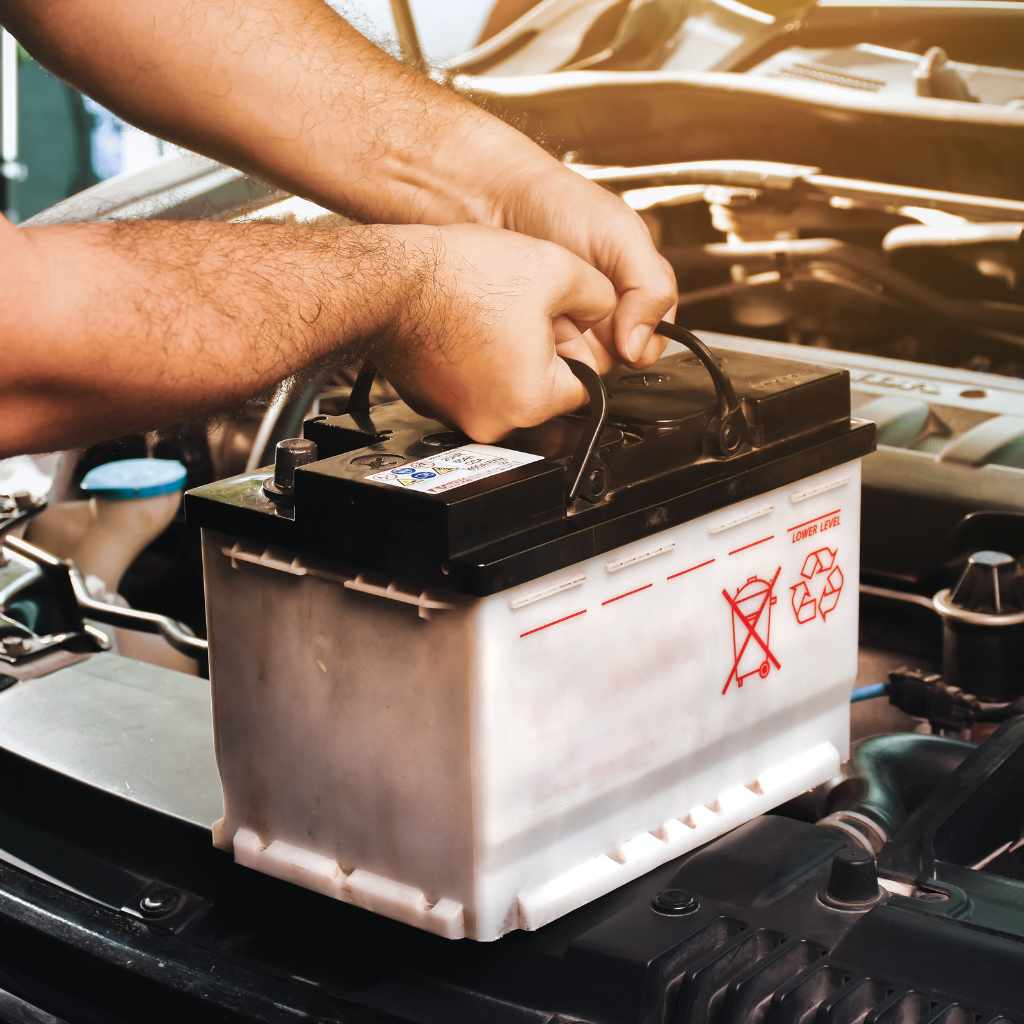
Car batteries usually have a date code stamped or stickered directly onto their casing. These codes can be a bit cryptic at first glance, but they follow a general system. You’ll typically find this information on the top or side of the battery.
Sometimes, it’s printed in a small font, so you might need good lighting and possibly a flashlight to see it clearly. Don’t forget to check all sides of the battery, as the code can be in different locations depending on the manufacturer.
The most common location for a date code is on the top surface of the battery. Look for small numbers or letters etched into the plastic. It might be near the terminals or along the edge.
If you don’t see anything on top, carefully inspect the sides of the battery. Some manufacturers place the code on a sticker, while others engrave it directly into the plastic. The key is to look for a series of numbers and letters that look like a code rather than a serial number.
The battery’s model number or brand name will often be nearby, which can help you distinguish the date code.
It’s also worth noting that some batteries have a small sticker with a QR code. While this might not directly show you the date, scanning it with your smartphone could potentially lead you to more information about the battery, including its manufacturing date. However, the most reliable method is usually finding the stamped or stickered alphanumeric code directly on the battery itself.
Decoding The Date Code
Date codes on car batteries are not always straightforward. They often use a letter and number system to represent the month and year of manufacture. For example, a common format is a letter representing the month and a number representing the year.
The first letter might correspond to January, the second to February, and so on. The number following the letter often indicates the last digit of the year it was made. For instance, ‘A2’ could mean January of a year ending in ‘2’, like 2022 or 2012.
Another system might use a number for the month and a number for the year. For example, ‘0323’ could mean March of 2023. Some manufacturers use more complex codes, sometimes including the week of the year as well.
If you’re having trouble deciphering the code, the best approach is to consult the battery manufacturer’s website. They usually have a section explaining how to read their specific date codes. You can often find the manufacturer’s name prominently displayed on the battery itself.
It’s important to remember that the date code indicates when the battery was manufactured, not necessarily when it was purchased or installed. Batteries can sit on shelves for some time before being sold. While manufacturers have processes to keep batteries fresh, their age still starts from the manufacturing date.
Understanding this distinction is vital for accurately assessing the remaining lifespan of your battery.
How To Check Your Car Battery For The Date
Now that you know why the date is important and how codes generally work, let’s get practical. This part will guide you step-by-step on how to physically locate and interpret the date code on your car battery. It’s a simple process once you know where to look and what to search for.
Step-by-Step Guide To Locating The Date
First, ensure your car is parked safely and the engine is off. Open your car’s hood to access the engine compartment. Locate the car battery.
It’s usually a rectangular, black box with two large terminals, positive and negative, often covered by red and black caps. Take a moment to visually scan the entire surface of the battery. You’re looking for any stamped numbers, etched codes, or stickers.
Use a flashlight if the lighting in the engine bay is dim. Pay close attention to the top and sides of the battery casing.
Once you find a series of numbers and letters that seem like a code, examine it closely. Try to identify a pattern that might represent a month and a year. For example, you might see a letter followed by a number (e.g., ‘B4’) or a sequence of numbers (e.g., ‘0722’).
If the code is unclear, gently wipe away any dirt or debris from the surface with a clean cloth. Sometimes, dirt can obscure the markings. If you find a sticker, check if it has any readable text or symbols indicating the date.
If you’re still unsure after a thorough visual inspection, consider taking a clear photo of the code you found and looking up the battery manufacturer online. Most major battery brands have websites that explain their date code conventions. Having the brand name readily available on the battery will be very helpful in this step.
With a little patience, you’ll be able to find and understand the date code.
What If You Can’t Find A Date Code
Not all car batteries display a date code in an easily recognizable format. Some manufacturers use proprietary coding systems that are not publicly disclosed, or the marking might be very subtle and easily missed. If you’ve searched thoroughly and can’t find anything that clearly resembles a date, don’t panic.
There are other ways to estimate your battery’s age. The battery’s warranty sticker, if still present, can offer clues. Manufacturers often offer different warranty periods based on the battery’s age.
Another indicator is the battery’s condition. If the battery looks very old, corroded, or has swollen sides, it’s likely past its prime, regardless of a visible date. You can also check the vehicle’s maintenance records.
The date of the last battery replacement should be documented there. If you purchased the car used and there are no records, you might have to rely on visual cues and professional assessment.
In cases where the date is unreadable or absent, you can always ask a professional mechanic or a battery specialist. They have the experience to identify date codes on various battery models and can often give you a good estimate of the battery’s age based on its appearance and performance. They might also have access to manufacturer databases.
So, if the code is elusive, external help is readily available.
Understanding Battery Warranty Stickers
Many new car batteries come with a sticker that indicates the warranty period. This sticker can indirectly tell you about the battery’s age or at least its purchase date. For example, a sticker might say “3 Year Free Replacement” or “5 Year Pro-rated.” While this doesn’t give you the manufacturing date, it gives you an idea of when it was sold.
If the warranty has expired or is close to expiring, it’s a clear sign that the battery is nearing the end of its reliable service life.
Some warranty stickers might have a date stamped on them, indicating when the battery was installed or purchased. This is usually more reliable than the date code for determining when the battery started its service. If you see a sticker with numbers that look like a date, such as “08/20” for August 2020, this is a strong indicator of the battery’s age relative to its installation.
This is especially helpful if the battery itself has no clear manufacturing date code.
It is important to note that the warranty sticker is often removed or fades over time. If it’s gone, you’ll need to rely on the manufacturing date code or other methods. However, if you can find it, the warranty sticker provides valuable information about the battery’s service life and can help you anticipate when it might need replacement.
The Mechanics Behind Car Battery Dates
Car batteries, like any manufactured product, have a lifespan determined by the materials used and the manufacturing process. The date on the battery isn’t just a random number; it’s a critical piece of information tied to chemical processes and material degradation. This section explains why manufacturers put dates on batteries and what those dates signify in terms of performance and longevity.
How Batteries Degrade Over Time
Car batteries are essentially electrochemical devices. They store and release energy through chemical reactions. The primary active materials are lead and lead dioxide, immersed in an electrolyte solution of sulfuric acid and water.
Over time, these chemical components naturally degrade. The most common form of degradation is sulfation. When a battery discharges, lead sulfate crystals form on the lead plates.
Ideally, these crystals dissolve back into the electrolyte when the battery is recharged. However, if a battery sits discharged for extended periods, or undergoes frequent deep discharges, these crystals can harden and grow, forming a permanent layer of lead sulfate.
This hardened sulfate layer on the plates acts as an insulator, reducing the surface area available for chemical reactions. Consequently, the battery’s capacity to store and deliver power diminishes. The electrolyte itself can also degrade.
Water can be lost through gassing during charging, and the concentration of sulfuric acid can change, affecting its conductivity and ability to participate in the electrochemical process. Temperature also plays a significant role. High temperatures accelerate chemical reactions, including degradation processes, while extreme cold can reduce the battery’s performance and increase the risk of freezing if the charge level is low.
Battery manufacturers account for these degradation factors when setting expected lifespans. The manufacturing date is a way to track how long a battery has been in existence, allowing consumers and technicians to estimate its remaining useful life based on typical degradation rates. It’s a universal indicator of age, similar to how expiration dates on food items signal freshness.
The Role Of Manufacturing Date In Battery Performance
The manufacturing date is a primary indicator of a car battery’s potential performance and longevity. A newly manufactured battery will be at its peak capacity and efficiency. As time passes from the manufacturing date, even if the battery is stored correctly and not in use, internal chemical changes begin to occur.
These changes, as mentioned, can lead to sulfation and other forms of degradation. Therefore, a battery manufactured more recently will generally perform better and last longer than one manufactured several years ago.
When you are purchasing a new battery, especially from a general retailer, it’s always a good idea to check the date code. A battery that has been sitting on a shelf for two years, even if never installed in a car, is already two years into its potential lifespan. This could mean it has significantly less remaining service life compared to a battery manufactured just a few months prior.
Technicians often look for batteries manufactured within the last 6-12 months to ensure they are providing the customer with a product at or near its optimal condition. This is why some auto parts stores might rotate their stock or offer discounts on older batteries.
Moreover, manufacturers often use the manufacturing date to manage their inventory and product recalls. Knowing when a batch of batteries was produced helps them track potential issues and ensure that older stock is sold first. For the consumer, using this date empowers informed purchasing decisions and helps in planning for future replacements, avoiding sudden failures.
Why Some Batteries Age Faster Than Others
Several factors contribute to why some car batteries age faster than others, even if they share the same manufacturing date. Driving habits are a major contributor. Frequent short trips, where the engine doesn’t run long enough to fully recharge the battery, can lead to a state of constant discharge, accelerating sulfation.
Conversely, frequent deep discharges, like leaving lights on or draining the battery with accessories, also stress the battery and reduce its lifespan.
Climate plays a significant role. Batteries in very hot climates tend to degrade faster due to the increased chemical reaction rates at higher temperatures. Conversely, very cold climates can strain a battery’s ability to deliver power, and if a battery is already weak, extreme cold can cause it to fail completely.
Alternator issues are another culprit. If the alternator is not charging the battery properly (either overcharging or undercharging), it can significantly shorten the battery’s life. An undercharged battery is prone to sulfation, while an overcharged battery can lose electrolyte and overheat.
The quality of the battery itself is also a factor. Premium batteries often use higher-quality materials and construction methods that can make them more resistant to the effects of time and use. For example, some batteries might have thicker lead plates or additives in the electrolyte that help prevent sulfation.
Finally, how a battery is treated after installation matters. Ensuring connections are clean and tight, and the battery is properly secured to prevent vibration, can all contribute to a longer, healthier life for the battery.
Replacing An Old Car Battery
Knowing your car battery’s age is the first step; the next is knowing when it’s time for a replacement. This section covers the signs that indicate your battery might be nearing its end and how to go about replacing it. Proactive replacement can prevent inconvenient breakdowns.
Signs Your Car Battery Needs Replacing
There are several tell-tale signs that your car battery is on its way out. The most common symptom is a slow engine crank. When you turn the key, the engine might sound sluggish, like it’s struggling to turn over.
This indicates the battery doesn’t have enough power to crank the engine with its usual vigor. Another sign is dimming headlights or interior lights, especially when the engine is off or at idle. This suggests the battery is not holding a strong charge.
Warning lights on your dashboard can also be an indicator. Many modern cars have a battery warning light that illuminates when there’s an issue with the charging system or the battery itself. You might also notice a sulfuric smell coming from the battery area, which can indicate a leak or overheating.
Physically inspecting the battery for swelling or corrosion around the terminals is also important. Swollen sides can mean the battery has been overcharged or exposed to extreme temperatures. Excessive corrosion on the terminals can interfere with electrical connections and is often a sign of a failing battery.
If your car has been starting fine but suddenly struggles on cold mornings, that’s a major red flag. Extreme cold significantly reduces a battery’s performance, and an aging battery will show its weakness under such conditions. If you experience any of these symptoms, it’s wise to get your battery tested.
Most auto parts stores can perform a quick battery test for free, which will tell you its current health and whether it needs replacement.
Choosing The Right Replacement Battery
Selecting the correct replacement battery is crucial for your car’s performance and the longevity of the electrical system. The most important factor is to choose a battery that meets your vehicle’s specifications. You can find this information in your car’s owner’s manual.
It will specify the battery group size, which refers to its physical dimensions and terminal placement, as well as the required Cold Cranking Amps (CCA) and Reserve Capacity (RC).
CCA is a measure of the battery’s ability to start an engine in cold temperatures. Your car’s manual will list the minimum CCA required. Reserve Capacity indicates how long the battery can run essential accessories if the alternator fails.
Aim to match or slightly exceed the manufacturer’s recommendations for CCA and RC. Also, consider the type of battery: flooded lead-acid, AGM (Absorbent Glass Mat), or gel cell. Most standard vehicles use flooded lead-acid batteries, but some newer cars with advanced features like start-stop technology require AGM batteries.
When purchasing, always check the date code on the battery. As discussed earlier, a newer battery is preferable. Look for brands with a good reputation for reliability and a decent warranty.
Warranties can range from one to five years, and a longer warranty often indicates a higher-quality battery. Don’t hesitate to ask the store’s staff for recommendations based on your vehicle and driving conditions. They can help you compare options and make an informed choice.
The Battery Replacement Process
Replacing a car battery is a relatively straightforward process that many DIYers can handle. First, ensure your car is turned off and the key is out of the ignition. You’ll need a few basic tools, typically a socket wrench set with various sizes.
It’s highly recommended to wear safety glasses and gloves, as battery acid can be corrosive. Before you begin, locate the battery and identify the positive (+) and negative (-) terminals.
Start by disconnecting the negative (-) terminal first. This is usually a black cable. Use your wrench to loosen the nut on the clamp and carefully remove the cable from the terminal.
Then, disconnect the positive (+) terminal (red cable). After disconnecting the cables, you’ll need to unfasten the battery hold-down clamp, which secures the battery in place. This might be a bracket at the base of the battery or a strap across the top.
Once it’s unfastened, carefully lift the old battery out of its tray. Batteries are heavy, so lift with your legs.
Place the new battery into the tray, ensuring it’s correctly oriented with the positive and negative terminals in the right positions. Reinstall the hold-down clamp to secure the new battery. Connect the positive (+) cable to the positive terminal first, then tighten the clamp.
Finally, connect the negative (-) cable to the negative terminal and tighten its clamp. Ensure all connections are snug. You might want to clean any corrosion from the terminals and cables before reconnecting.
After replacing, start your car to ensure everything is working correctly. Some vehicles may require you to reset certain electronic systems, like the radio presets or power windows.
Frequently Asked Questions
Question: How long should a car battery last
Answer: A car battery typically lasts between 3 to 5 years. However, this can vary greatly depending on factors like climate, driving habits, and the quality of the battery.
Question: Can I check my battery age online
Answer: While you can’t directly check your specific battery’s age online without its identifier, you can often find information on how to decode date stamps and read warranty stickers by visiting the battery manufacturer’s website.
Question: What does a date code like ‘C3’ mean on a battery
Answer: In many common date coding systems, ‘C’ represents the third month (March), and ‘3’ represents the year (e.g., 2023). So, ‘C3’ would likely mean March 2023.
Question: Should I replace my battery if the date code is old but it still works
Answer: If your battery’s date code indicates it’s older than 5 years, it’s generally a good idea to consider replacing it proactively. Even if it’s still working, its performance and reliability may be compromised, and it could fail unexpectedly.
Question: Where is the date code usually located on a battery
Answer: The date code is typically stamped or stickered on the top or side surface of the battery casing. Look for a series of letters and numbers that might indicate the month and year of manufacture.
Final Thoughts
Taking a moment to understand your car battery’s age can prevent a lot of headaches down the road. We’ve seen that finding the date code involves a careful visual inspection of the battery’s casing, looking for specific markings that represent the month and year of manufacture. While these codes might seem a bit cryptic at first, with a little practice and by knowing common decoding methods, you can decipher them.
Remember, if the code is unclear, the battery’s warranty sticker or even a chat with a professional can offer valuable insights into its age and condition.
Knowing when your battery was made is not just about satisfying curiosity; it’s a practical step towards maintaining your vehicle. An aging battery is more prone to failure, especially in harsh weather, leading to unexpected breakdowns. By identifying older batteries, you can plan for a replacement before it leaves you stranded.
This proactive approach saves time, money, and reduces stress. So next time you’re under the hood, take a few minutes to check that date. It’s a simple action with significant benefits for keeping your car running reliably.