Do Cars Have Reserve Gas? How It Really Works
No. Most cars do not have a second, separate reserve gas tank. What people call “reserve gas” is simply the last 10–15% of fuel sitting in the main tank, the point where a sensor tells the dashboard to turn on the low-fuel light. It is a built-in buffer, not a switchable backup supply like the reserve setting on an old motorcycle. This guide covers how that buffer actually works, how far it can take you, and why leaning on it too often can wear out your fuel pump.
What Is Reserve Gas, Really?
BEST FOR CARRYING BACKUP FUEL
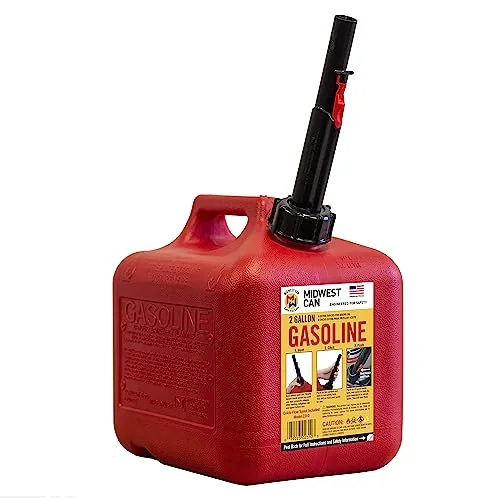 |
Midwest Can 2-Gallon Gas Can – $24.99 A small can of backup fuel in the trunk means you never have to gamble on reserve fuel getting you to a station in time.
|
Reserve gas is just the fuel left in the tank once the gauge reads “E” or the low-fuel light comes on. It is not stored in a separate compartment; it is the bottom portion of the same main tank, still reachable by the fuel pump. Automakers calibrate the warning to trigger with roughly 10–15% of the tank still full, which usually works out to about 1–3 gallons depending on the vehicle. Check your owner’s manual for the exact figure on your car, since the calibration varies by model.
Reserve Gas vs. a True Mechanical Reserve Tank
The word “reserve” comes from older motorcycles, which really did have a mechanical reserve: a petcock valve on the tank with a short pickup tube that could scavenge the last bit of fuel the main pickup tube could no longer reach. Flip the valve to “reserve” and the bike kept running on that final gallon. Cars have never worked that way. A car’s fuel pump sits at the bottom of a single tank and draws from the same spot the whole time, so there is no valve to flip and no separate supply to switch on. The low-fuel light is only a warning sensor, not a mechanism that unlocks new fuel.
Why the Low-Fuel Reserve Exists
The reserve buffer exists to give you a chance to find a gas station instead of stranding you the instant the tank runs low. Once the light comes on, you are drawing from that last slice of fuel, which typically buys 20–50 miles depending on the car. Driving on reserve regularly is not risk-free, though. Fuel helps cool and lubricate an in-tank fuel pump, and running the tank low again and again can shorten the pump’s life over time.
How Far Can You Actually Drive on Reserve?
The distance varies a lot by vehicle. A fuel-efficient compact car can sometimes stretch 40–50 miles on reserve, while a large SUV or truck might only manage 15–20 miles. Here is a simple way to estimate your own range:
- Check your tank size: Look in your owner’s manual (for example, 12 gallons).
- Estimate the reserve: Assume roughly 10% (about 1.2 gallons for a 12-gallon tank).
- Multiply by MPG: At 30 miles per gallon, 1.2 gallons × 30 MPG comes out to about 36 miles.
Driving style matters too. Highway speeds, hard acceleration, and running the air conditioning all burn through that last bit of fuel faster, which shrinks the range you can actually count on.
What Happens If You Keep Driving on Reserve
Running on reserve once in a while will not hurt anything. The problem is doing it as a habit. Older in-tank fuel pumps rely on the surrounding fuel to stay cool, so repeatedly letting the tank run low can cause the pump to run hotter than it should and wear out sooner than it would with a healthier fuel level. Sediment that settles at the bottom of the tank over the years can also get pulled toward the pickup more easily once the fuel level drops that low, which raises the odds of a clogged fuel filter. A simple habit fixes both problems: refuel around a quarter tank instead of waiting for the warning light.
Benefits of the Reserve Buffer
The built-in reserve buffer has some real upsides:
- Extra miles: It gives you a window to find a gas station instead of stopping instantly.
- Peace of mind: You will not be stranded the second the gauge touches empty.
- Built-in reminder: The warning light nudges you to keep an eye on the fuel gauge.
Treat it as a safety margin, not a habit to lean on every week.
Risks of Relying on It Too Often
Driving on reserve regularly can cause real problems:
- Fuel pump wear: Low fuel means less cooling for an in-tank pump, which can shorten its life.
- Sediment issues: Dirt that settles at the bottom of the tank can get pulled into the fuel filter.
- Stranding risk: It is easy to misjudge the remaining range and run out completely.
A tow after running completely dry typically costs somewhere around $75 to $150, on top of whatever it takes to get fuel to the vehicle. Refueling before the light comes on avoids that entirely.
How to Estimate Your Own Reserve Range
You can estimate your car’s reserve range with a few simple steps:
- Find your tank size: Check your owner’s manual or the car’s specs online.
- Note your MPG: Look up your car’s average combined miles per gallon.
- Calculate reserve: Multiply tank size by 10–15% to estimate reserve gallons.
- Estimate range: Multiply reserve gallons by MPG for an approximate mileage figure.
For example, a car with a 12.4-gallon tank and a 10% reserve (about 1.24 gallons) getting 30 MPG combined would have roughly 37 miles left once the light comes on. Treat that as a rough planning number, not something to test by running the tank dry on purpose.
Table 1: Illustrative Reserve Ranges by Vehicle Type
| Vehicle Type | Typical Tank Size (Gallons) | Reserve (10–15%) | Typical Combined MPG | Rough Estimated Range (Miles) |
|---|---|---|---|---|
| Compact car | 12–13 | 1.2–2.0 | 32–38 | 40–70 |
| Midsize sedan or crossover | 14–16 | 1.4–2.4 | 27–33 | 40–75 |
| Full-size truck or SUV | 23–26 | 2.3–3.9 | 17–21 | 40–70 |
These are rough, illustrative estimates based on typical tank sizes and fuel economy for each category, not manufacturer-published figures. Check your own owner’s manual for your exact tank size and reserve calibration.
Tips to Avoid Running on Reserve
A few habits keep you from ever needing the reserve buffer:
- Refuel at a quarter tank: This keeps the fuel pump cooled and reduces long-term wear.
- Use a fuel-price app: Apps like GasBuddy show nearby stations and current prices.
- Plan long trips ahead: Map out gas stations along your route before you leave.
Table 2: Fuel-Saving Tips for Reserve Driving
| Tip | Why It Helps | How to Do It |
|---|---|---|
| Drive gently | Reduces engine strain and fuel burn | Keep speed at 50–60 mph where possible |
| Avoid quick stops | Prevents fuel waste from hard braking | Brake gently and coast when you can |
| Turn off the AC | Reduces engine load for better MPG | Use the windows for air instead, briefly |
These small habits help stretch reserve gas a bit further and lower the odds of running out completely.
Common Mistakes to Avoid
Many drivers make these errors with reserve fuel:
- Ignoring the low-fuel light: It is a warning, not a challenge to beat.
- Assuming every car is the same: Reserve amounts and warning thresholds differ by model.
- Driving fast on reserve: Higher speeds burn through the remaining fuel faster.
Slowing down and refueling at the first opportunity does more to stretch reserve fuel than trying to outrun the warning light.
Table 3: Costs of Driving on Reserve vs. Refueling Early
| Action | Cost | Risk |
|---|---|---|
| Driving on reserve | Free in the short term | $200–$500 for fuel pump repair if it happens often |
| Refueling at 1/4 tank | $30–$50 per fill-up | Low risk of pump damage or stranding |
| Carrying a gas can | $20–$30 one-time cost | No added risk, extra safety margin |
Refueling early and carrying a small backup can are both cheaper, in the long run, than repeatedly driving on reserve.
Alternatives to Relying on Reserve Gas
Instead of counting on the reserve buffer, consider these options:
- Keep a gas can in the trunk: A small 2-gallon can is a real backup for road trips or remote areas.
- Check the gauge regularly: A quick glance every drive keeps you ahead of the warning light.
- Consider a more efficient vehicle: Hybrids and efficient compacts stretch every gallon, including the reserve, further.
None of these require touching the reserve buffer at all, which is the safest way to treat it.
Frequently Asked Questions
Do cars have reserve gas?
Yes, in the sense that most cars keep a buffer of about 10–15% of the tank’s capacity once the low-fuel light comes on. It is not a separate tank, though; it is simply the bottom portion of the main tank, still reachable by the fuel pump. That buffer usually gives you 20–50 miles to find a station. Check your owner’s manual for the specifics on your vehicle.
How far can I drive on reserve gas?
It depends on your car. A 12-gallon tank with a 10% reserve (1.2 gallons) at 30 MPG works out to roughly 36 miles. Larger tanks and more efficient cars can go farther, while trucks and SUVs often go less far. Driving gently stretches the distance, but refuel as soon as you reasonably can.
Is driving on reserve gas bad for my car?
Doing it occasionally will not cause damage. Doing it often can wear out an in-tank fuel pump faster, since the fuel around the pump helps keep it cool, and it can pull more sediment from the bottom of the tank into the fuel filter. Refueling around a quarter tank avoids both issues.
Do all cars have the same reserve amount?
No, reserve amounts vary by model. A compact car might have roughly 1–2 gallons in reserve, while a full-size truck could have closer to 2–4 gallons. Check your owner’s manual or the manufacturer’s specifications for your specific vehicle.
Can I add a reserve tank to my car?
Modern cars already build a reserve into the main tank, so there is nothing to add there. A true auxiliary fuel tank is possible on some vehicles, but it is a complex, costly modification, often well over $500. Carrying a gas can or refueling earlier is a simpler way to add a safety margin.
What happens if I run out of gas completely?
The engine stalls and the car will not restart until it gets fuel. Running completely dry can also introduce air into the fuel lines and, in some cars, stress the fuel pump. Keep a gas can on hand or call roadside assistance rather than letting the tank run all the way to empty.
How can I avoid running out of gas?
Refuel once the tank drops to around a quarter full, use an app like GasBuddy to find nearby stations, and plan gas stops in advance for long trips. These simple habits keep you well ahead of ever needing the reserve buffer.
Is a car’s reserve gas the same as a motorcycle’s reserve tank?
No. Older motorcycles have an actual mechanical reserve: a petcock valve you switch to a shorter pickup tube that reaches the last bit of fuel in the tank. Cars do not have that valve. A car’s fuel pump always draws from the same spot in the tank, so the “reserve” is only the last portion of fuel before the tank runs dry, flagged by a sensor rather than unlocked by a switch.
Conclusion
Reserve gas is a handy buffer, not a hidden second tank. It is the last 10–15% of your main tank, giving you a stretch of extra miles to find a station once the low-fuel light comes on. Leaning on it too often can wear out your fuel pump over time, so refueling at a quarter tank is the simpler, cheaper habit. Car enthusiasts who like exact numbers can find their vehicle’s precise reserve threshold in the owner’s manual; everyone else can just watch the gauge and top off before it gets close to empty.
Products related to this article
Sponsored / affiliate links. As an Amazon Associate I earn from qualifying purchases. I may earn additional commission from eligible campaigns.