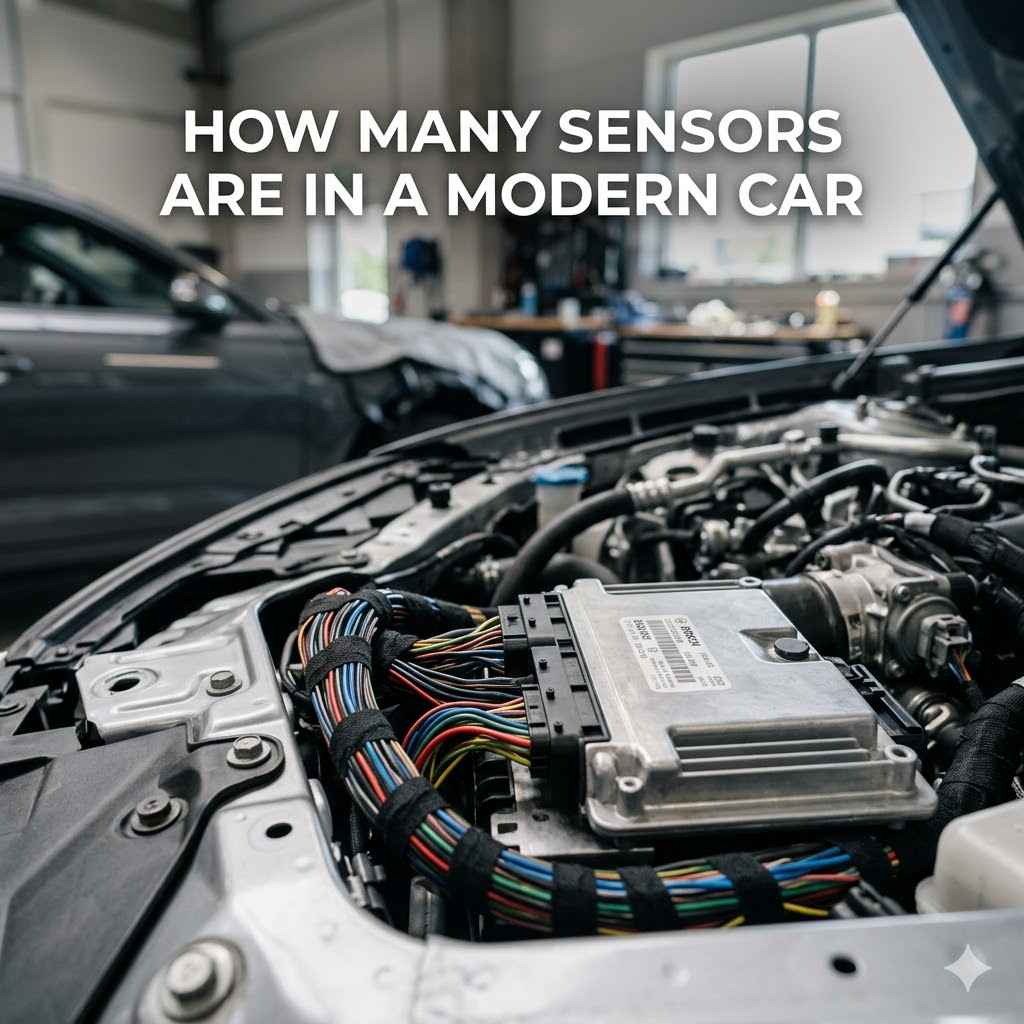
How Many Sensors Are in a Modern Car
It’s a question many car owners wonder about. How many sensors are in a modern car? This might seem like a tricky question, especially if you’re new to car tech.
But don’t worry, we’re going to break it down. We’ll explain it all in a simple, step-by-step way. Get ready to learn what makes your car tick under the hood and behind the scenes.
The Big Number How Many Sensors Are in a Modern Car
Modern cars are incredibly sophisticated machines. They rely on a vast network of electronic components to operate safely and efficiently. At the heart of this system are sensors.
These tiny devices are constantly collecting data about everything happening in and around the vehicle. This data is then sent to the car’s main computer, known as the Engine Control Unit (ECU) or Powertrain Control Module (PCM), which uses it to make real-time adjustments. The exact number of sensors can vary widely depending on the make, model, and trim level of the car.
However, estimates suggest that a typical modern vehicle can have anywhere from 50 to over 150 sensors. This sheer volume highlights the complexity and technological advancement packed into the cars we drive every day. Understanding this number gives us a glimpse into the intricate workings that ensure our vehicles perform optimally.
Why So Many Sensors
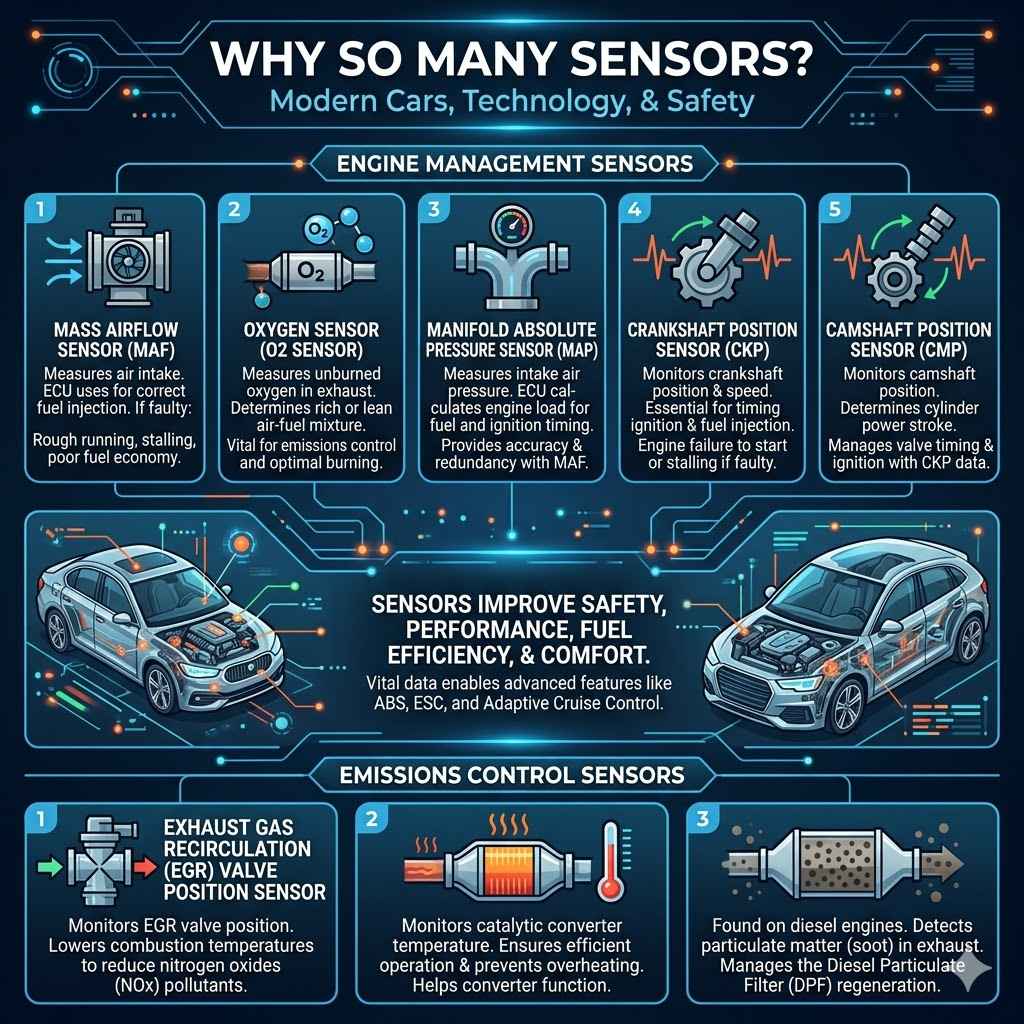
The primary reason for the high number of sensors in modern cars is to improve safety, performance, fuel efficiency, and driver comfort. Each sensor plays a specific role, feeding vital information to the car’s computer systems. For instance, sensors monitor engine temperature, oil pressure, tire pressure, exhaust emissions, wheel speed, and even the presence of objects around the vehicle.
This constant stream of data allows the car to react instantly to changing conditions, prevent accidents, and optimize its operation. Without these sensors, advanced features like anti-lock braking systems (ABS), electronic stability control (ESC), adaptive cruise control, and even basic functions like engine management would not be possible. The more advanced the car, the more sensors it typically contains to support its sophisticated driver-assistance and convenience features.
Engine Management Sensors
Engine management sensors are crucial for the efficient and clean operation of the engine. They monitor various aspects of combustion and engine performance, allowing the car’s computer to fine-tune fuel injection, ignition timing, and other parameters.
Mass Airflow Sensor MAF
The Mass Airflow Sensor (MAF) measures the amount of air entering the engine. This is a critical piece of information for the engine control unit (ECU) to calculate the correct amount of fuel to inject. If the MAF sensor is faulty, the engine might run rough, stall, or have poor fuel economy.
Oxygen Sensor O2 Sensor
Oxygen sensors, also known as O2 sensors, are located in the exhaust system. They measure the amount of unburned oxygen in the exhaust gases. This helps the ECU determine if the air-fuel mixture is too rich (too much fuel) or too lean (too little fuel).
Proper O2 sensor function is vital for emissions control and optimal fuel burning. A failing O2 sensor can lead to increased emissions and poor gas mileage.
Manifold Absolute Pressure Sensor MAP
The Manifold Absolute Pressure (MAP) sensor measures the air pressure inside the intake manifold. This measurement is used by the ECU to calculate engine load, which in turn helps determine the amount of fuel to inject and the timing of ignition. It works in conjunction with the MAF sensor, providing redundancy and better accuracy in some conditions.
Crankshaft Position Sensor CKP
The Crankshaft Position Sensor (CKP) tells the ECU the position and rotational speed of the crankshaft. This information is essential for timing the ignition and fuel injection. If the CKP sensor fails, the engine may not start at all or may stall while running.
Camshaft Position Sensor CMP
Similar to the CKP sensor, the Camshaft Position Sensor (CMP) monitors the position of the camshafts. This sensor is important for determining which cylinder is on its power stroke, allowing the ECU to manage valve timing and ignition. Combined with CKP data, CMP data enables precise engine timing for optimal performance and emissions.
Emissions Control Sensors
Emissions control sensors are designed to monitor and reduce the harmful pollutants emitted by a vehicle’s engine. They work closely with the engine management system to ensure that exhaust gases meet environmental standards.
Exhaust Gas Recirculation EGR Valve Position Sensor
This sensor monitors the position of the EGR valve, which helps to recirculate a small amount of exhaust gas back into the engine’s combustion chambers. This process lowers combustion temperatures, reducing the formation of nitrogen oxides (NOx), a major air pollutant. The sensor ensures the EGR valve is functioning correctly within its specified range.
Catalytic Converter Temperature Sensor
This sensor monitors the temperature of the catalytic converter. The catalytic converter is a device that converts harmful exhaust gases into less harmful substances. Knowing its temperature helps the ECU ensure it’s operating efficiently and not overheating, which could damage the converter or lead to reduced performance.
Particulate Matter Sensor
Found on diesel engines, this sensor detects the amount of particulate matter (soot) in the exhaust. It helps the engine management system manage the diesel particulate filter (DPF), which traps soot. When the DPF becomes full, the system initiates a regeneration process to burn off the trapped soot, often triggered by readings from this sensor.
Safety and Driver Assistance Sensors
Safety features in modern cars have dramatically improved thanks to an array of sensors that help prevent accidents and protect occupants. These sensors gather information about the vehicle’s surroundings and its own dynamics to intervene when necessary.
Collision Avoidance and Warning Systems
These systems use various sensors to detect potential hazards and alert the driver, or even take evasive action.
Radar Sensors
Radar sensors use radio waves to detect the distance and speed of objects ahead of or behind the vehicle. They are commonly used in adaptive cruise control systems, forward collision warning systems, and automatic emergency braking. These sensors can work effectively in various weather conditions, including rain and fog, where other sensors might struggle.
Lidar Sensors
Lidar (Light Detection and Ranging) sensors use laser pulses to create a detailed 3D map of the vehicle’s surroundings. They offer high precision and can detect objects with great accuracy. Lidar is increasingly used in advanced driver-assistance systems (ADAS) for features like lane keeping assist and pedestrian detection.
The detailed point cloud data generated by Lidar allows for sophisticated object recognition and tracking.
Ultrasonic Sensors
These sensors emit sound waves and measure the time it takes for them to bounce back. They are typically used for short-range detection, such as in parking assist systems and blind-spot monitoring. Ultrasonic sensors are excellent for detecting obstacles very close to the vehicle, helping drivers maneuver in tight spaces safely.
Stability and Control Sensors
These sensors monitor the vehicle’s movement and its interaction with the road to help maintain control.
Wheel Speed Sensors
Each wheel is equipped with a sensor that monitors its rotational speed. This data is vital for systems like Anti-lock Braking System (ABS), Electronic Stability Control (ESC), and traction control. If one wheel is spinning faster or slower than the others, it indicates a loss of traction or a potential skid, allowing these systems to react and prevent accidents.
Yaw Rate Sensor
A yaw rate sensor measures the rate at which the vehicle is rotating around its vertical axis (turning left or right). This information is crucial for ESC systems to detect and correct oversteer or understeer situations, helping to keep the vehicle stable during sharp turns or evasive maneuvers.
Steering Angle Sensor
This sensor detects the position and angle of the steering wheel. This input is used by various systems, including ESC, to understand the driver’s intended direction of travel. It helps the ESC system differentiate between the driver’s input and an uncontrolled skid, allowing for more precise interventions.
Accelerometers
Accelerometers measure linear acceleration in one or more directions. In a car, they detect forward, backward, and lateral (sideways) movements. This data is used by ESC to understand how the car is behaving on the road and to detect sudden changes in motion that could indicate a loss of control.
Comfort and Convenience Sensors
Beyond safety, sensors also contribute significantly to driver and passenger comfort, making the driving experience more enjoyable and less stressful.
Climate Control and Cabin Environment
These sensors manage the interior environment for optimal comfort.
Cabin Temperature Sensor
This sensor measures the air temperature inside the car’s cabin. It works with the automatic climate control system to maintain the desired temperature set by the occupants. Multiple sensors might be used to account for different zones within the cabin.
Outside Temperature Sensor
Located typically near the front of the car, this sensor measures the ambient temperature outside the vehicle. This information is displayed to the driver and also used by the climate control system to adjust heating and cooling needs. It can also be used by other vehicle systems, like for engine management or tire pressure monitoring.
Humidity Sensor
Some advanced climate control systems include humidity sensors to measure the moisture level in the cabin air. This helps the system dehumidify the air when necessary, improving comfort and preventing windows from fogging up. It contributes to a more pleasant interior environment, especially in humid conditions.
Sunload Sensor
This sensor detects the intensity of sunlight hitting the dashboard. It helps the automatic climate control system adjust the airflow and temperature to compensate for heat gain from the sun, ensuring a more consistent temperature regardless of sun exposure.
Lighting and Visibility
Sensors that automate lighting and improve visibility enhance both convenience and safety.
Rain Sensor
This sensor detects the presence of raindrops on the windshield. It automatically activates and adjusts the speed of the windshield wipers based on the intensity of the rainfall, saving the driver from manual operation. Some systems can even detect heavy spray from other vehicles.
Ambient Light Sensor
The ambient light sensor measures the brightness of the surrounding light. This is used to automatically adjust the dashboard illumination and headlights. When it gets dark outside, the headlights can turn on, and the interior lights dim, providing optimal visibility without driver input.
Headlight Leveling Sensor
This sensor monitors the vehicle’s ride height, often by detecting suspension travel. It communicates with the automatic headlight leveling system to ensure the headlights are always aimed correctly, regardless of whether the car is loaded with passengers or cargo. This prevents blinding oncoming drivers and ensures proper illumination of the road ahead.
Other Convenience Features
Many other sensors contribute to the overall user experience.
Tire Pressure Monitoring System TPMS Sensor
TPMS sensors are installed in each wheel and continuously monitor the air pressure. If the pressure in any tire drops below a safe level, the system alerts the driver. This is crucial for safety, fuel efficiency, and tire longevity.
Early detection of low tire pressure can prevent blowouts and improve handling.
Parking Assist Sensors
As mentioned earlier, ultrasonic sensors are key here. They provide audible or visual cues to the driver, indicating the proximity of obstacles when parking. Some systems can even automatically steer the vehicle into a parking spot, a feature known as autonomous parking.
Fuel Level Sensor
This sensor is located in the fuel tank and measures the amount of gasoline or diesel fuel remaining. It sends this information to the fuel gauge on the dashboard, so the driver knows when to refuel. It’s a fundamental sensor for any vehicle.
Oil Level and Quality Sensor
More advanced vehicles may have sensors that not only monitor the oil level but also its quality and temperature. This can help predict when an oil change is needed based on actual driving conditions rather than just mileage. It contributes to better engine health and longevity.
The Future of Automotive Sensors
The number and sophistication of sensors in cars are only expected to increase. As vehicles become more autonomous and connected, they will require even more data to operate safely and effectively.
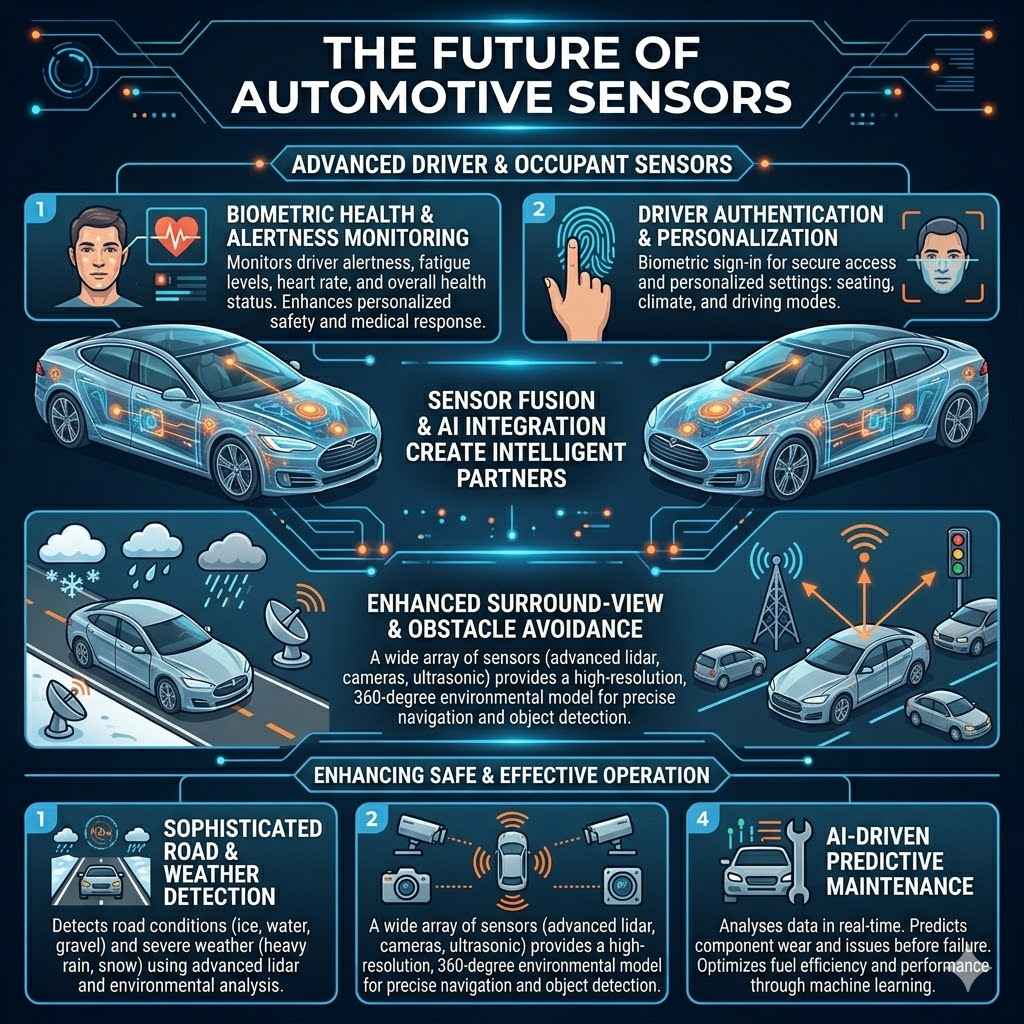
Future vehicles will likely incorporate an even wider array of sensors. Think about advanced biometric sensors that monitor driver alertness and health, sophisticated environmental sensors that can detect road conditions like ice or water before they become apparent, and advanced sensor fusion technologies that combine data from multiple sensor types to create an even clearer picture of the vehicle’s surroundings and status. The integration of artificial intelligence and machine learning will further enhance the capabilities of these sensors, allowing cars to predict and react to situations with unprecedented accuracy.
The ongoing research and development in automotive sensor technology promise a future where cars are not just transportation but intelligent partners on the road, offering enhanced safety, efficiency, and personalized experiences.
Frequently Asked Questions
Question: How many sensors are in a typical modern car
Answer: A typical modern car can have anywhere from 50 to over 150 sensors, depending on its make, model, and features.
Question: What is the role of sensors in a car
Answer: Sensors collect data about the vehicle and its surroundings, which is then used by the car’s computer to control engine performance, safety features, comfort, and more.
Question: Are there sensors in older cars
Answer: Older cars had significantly fewer sensors, typically focusing only on essential engine management functions. Modern cars have many more for advanced safety and convenience.
Question: How do sensors improve car safety
Answer: Sensors enable features like ABS, ESC, collision warnings, and automatic emergency braking by detecting potential hazards and vehicle dynamics, allowing the car to intervene.
Question: Can a faulty sensor affect how my car drives
Answer: Yes, a faulty sensor can cause various issues, from poor engine performance and reduced fuel economy to the malfunction of critical safety systems, often triggering a check engine light.
Summary
Modern cars contain a vast array of sensors, often numbering between 50 and 150. These sensors are essential for managing engine performance, ensuring safety through advanced driver assistance systems, and providing comfort and convenience features. The trend is towards even more sensors in the future as cars become smarter and more autonomous.
Products related to this article
Sponsored / affiliate links. As an Amazon Associate I earn from qualifying purchases. I may earn additional commission from eligible campaigns.