Do Electric Cars Electrocute You? Essential Guide
Electric cars are remarkably safe and designed with multiple layers of protection, meaning the risk of accidental electrocution for the average driver or pedestrian is extremely low. High-voltage systems are sealed and heavily insulated, making it nearly impossible to come into contact with dangerous voltage during normal operation or charging.
It is a very common worry. When you hear about high-voltage batteries, it is natural to wonder if driving an electric car, or even standing next to one while it charges, could pose an electric shock danger. If you are new to EVs, these concerns can feel frustrating. You want to drive a green car, but safety comes first! The good news is that modern electric vehicle (EV) engineering takes safety incredibly seriously. We are here to break down exactly how these systems work in simple terms. You will finish reading feeling much more confident about plugging in and hitting the road. Let’s clear up the confusion right now.
Understanding the Shock Factor: Comparing Cars You Know to EVs
Most drivers are completely comfortable around their gasoline car. Why? Because the main electrical system in a traditional car runs on 12 volts. That’s roughly what a few AA batteries put out—not enough to hurt you. Electric cars, however, use a large battery to power the motor, and that requires much higher voltage, often ranging from 400 volts up to 800 volts. This difference is where the concern comes from.
However, just because a system uses high voltage doesn’t mean it’s dangerous to you. Think of it like water pressure. A garden hose uses pressure, but it’s safe. A massive fire hose uses much higher pressure, but if you touch the hose, you don’t get electrocuted. The danger only happens when the electricity leaves its safe path. In an EV, that path is extremely well-guarded.
The Low-Voltage vs. High-Voltage Systems in an EV
Every car, electric or gas, has a low-voltage system (12V) for things like your lights, radio, and interior electronics. EVs have this same system. The part that gets the attention is the High-Voltage (HV) system. This system directly moves power from the main battery pack to the motor.
Here is a simple breakdown:
- Low Voltage (12V): Runs everyday accessories. If you accidentally cross wires here (like when installing a new stereo), you might blow a fuse, but you won’t get shocked.
- High Voltage (HV): Powers the propulsion system (the motor). This is the energy source that demands respect, but it is totally isolated from you during normal use.
How Electric Cars Keep You Safe from High Voltage
Automakers use incredibly strict engineering standards to ensure that the high-voltage system never comes into contact with the driver, passengers, or anyone outside the vehicle during charging or driving. These safety mechanisms are mandatory under global regulations.
Layered Insulation: The Safety Blanket
The primary defense against electric shock is insulation. Think of the high-voltage cables in an EV like pipes carrying incredibly hot water in a power plant—they are heavily wrapped and protected.
- Inner Conductor: The actual wire carrying the current.
- Primary Insulation: A thick, durable plastic or rubber sleeve directly around the wire.
- Shielding: Often includes a metallic layer to contain electromagnetic fields and provide another barrier.
- Outer Jacket: A final, heavy-duty casing, often colored bright orange or blue (so technicians know to approach with caution), which protects against physical damage, moisture, and heat.
These multiple layers mean that for you to get shocked, this complex system would need to have multiple, simultaneous, major failures, which is what the next layers of protection are designed to prevent.
Smart Disconnects and Sensors
EVs are not just passive tubes of wires; they have computers monitoring everything constantly. These computers watch for any sign of trouble.
- Crash Sensors: If the car detects a severe impact (like a significant crash), the Battery Management System (BMS) immediately receives a signal to disconnect the main battery contactors. This instantly cuts off the high-voltage connection, preventing injury from live wires in the wreckage.
- Ground Fault Detection: The car constantly monitors electricity flow. If current “leaks” out of the sealed system and into the vehicle chassis (a ground fault), sensors immediately shut down the power flow. This prevents the car body itself from becoming energized. This is a key safety feature similar to a GFCI outlet in your bathroom.
Water and Weatherproofing
A big concern for many drivers is what happens when it rains or if the car gets wet. Batteries and charging ports are designed to handle this with extreme care.
The battery pack itself is sealed and often liquid-cooled, making it airtight and waterproof. Charging ports must pass rigorous testing—often achieving IP67 or IP68 ratings—meaning they are protected completely against dust and continuous immersion in water. The car will not let you charge if the system detects moisture inside critical connection points.
What About Charging Stations and Cables?
The second biggest area of concern is the charging process itself. Is the pump dangerous?
Managed Handshake for Safety
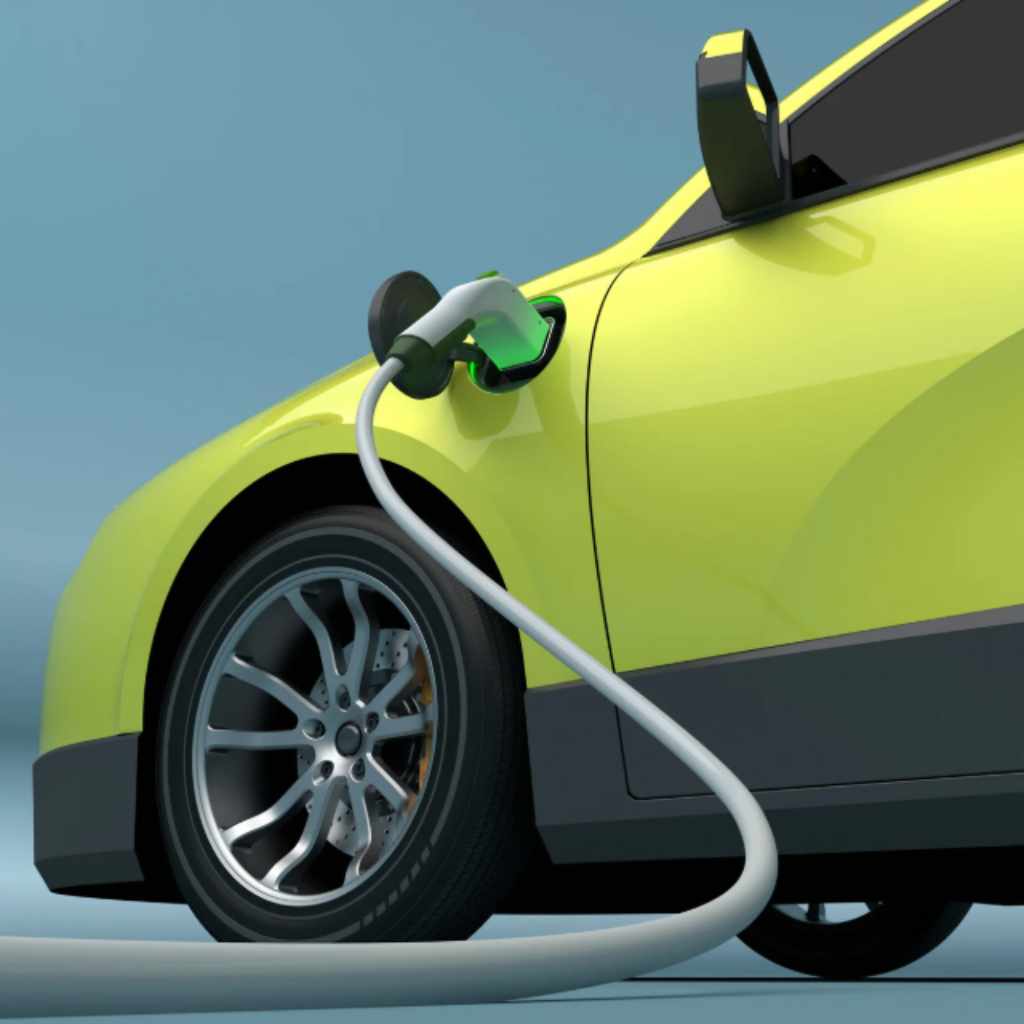
Unlike simply plugging a lamp into a wall socket, EV charging is a carefully managed conversation between the car and the charger.
Before electricity flows, four key steps must occur in sequence:
- Connection Confirmed: The charger verifies that the plug is seated correctly in the car’s inlet.
- Communication Established: The car and the charger “talk” to each other using communication wires, confirming voltage requirements and maximum amperage limits.
- System Check: The car verifies that its internal high-voltage contactors are ready to safely receive power.
- Power Transfer: Only once all these checks pass does the charger send the electricity.
If any step fails, the connection is refused, and no high voltage passes through the charging handle. The handle itself is completely dead until the car requests power. This “handshake” process makes public and home charging extremely safe.
The Role of Grounding
Every EV charging cable and station uses a dedicated safety ground wire, which is standard electrical practice. This ground connection is the first pathway electricity will take if insulation fails. If a fault occurs, the current flows safely to the ground, tripping the circuit breaker or shutting down the charger instantly, long before a person could be affected. For more details on the standards that govern this safety, organizations like the National Fire Protection Association (NFPA) publish essential guidelines on EV charging infrastructure safety [Source: NFPA EV Safety].
Real-World Scenarios: When Could Trouble Happen?
To be completely truthful, danger only arises in extremely rare, abnormal situations. Understanding these helps you avoid them.
Scenario 1: Major Physical Damage (Accidents)
As mentioned, internal systems are designed to isolate the HV battery in a crash. However, if a vehicle is involved in a catastrophic accident severe enough to breach the structural integrity of the battery enclosure—or if emergency responders cut into the wrong area while trying to extricate a passenger—there is a potential risk. This is why emergency guides exist for first responders.
What you should know: Never attempt to cut or pry open any part of a damaged EV battery pack yourself. If you are ever in a severe accident, inform first responders immediately that you are driving an EV so they can follow proper safety protocols.
Scenario 2: DIY Repair Gone Wrong
This is where the average driver has the most potential exposure, though it is still highly unlikely.
If you are attempting complex, unsupervised repairs on the high-voltage system—for instance, trying to replace a charging port yourself without understanding the safety procedures—you could risk injury. This is why manufacturers strongly advise that any service touching the orange high-voltage cables or components be performed only by certified technicians.
What you should know: For basic maintenance (tires, windshield fluid, cabin filter changes), you are completely safe. Leave any servicing of the powertrain or battery pack to trained professionals.
Scenario 3: Damaged Charging Equipment
If you find a public charging station with a visibly cracked screen, bent levers, or frayed cables, do not use it. While the car’s internal safety systems should stop power flow, using damaged equipment introduces variables you cannot control.
Always inspect your charging equipment before plugging in.
Safety Ratings and EV Construction Comparison
To put the safety into context, let’s look at how EVs stack up against traditional vehicles in crash tests. Safety organizations rate vehicles based on how well they protect occupants, including how well they manage potential hazards like battery contact.
| Safety Feature | Gasoline Vehicle | Electric Vehicle (EV) | Benefit for Driver |
|---|---|---|---|
| Fuel Storage | Liquid fuel tank (potential fire risk upon rupture) | Robust, sealed battery pack (low fire risk under normal conditions) | Reduced risk of fuel-related hazards in collisions. |
| System Isolation | Simple 12V system. | Complex HV system with multiple layers of digital and physical isolation. | Energy is cut off immediately upon crash detection. |
| Weight Distribution | Heavier engine up front. | Low center of gravity due to battery placement in the floor. | Improved stability and reduced rollover risk. |
The robust, flat battery pack placed low in the chassis actually enhances the structural integrity of the vehicle, often leading to better performance in frontal and side-impact tests conducted by groups like the Insurance Institute for Highway Safety (IIHS).
Tips for Safe, Everyday EV Ownership
Driving an EV safely is often easier than driving a traditional car because so much of the real-time power management is handled by computers. Here are practical tips to maintain your confidence.
When Driving and Parking
- Listen for the Sounds: EVs are very quiet! Many countries mandate they emit low-speed warning sounds (AVAS) up to about 19 mph so pedestrians and cyclists can hear you coming. This is a safety feature, not a flaw.
- Never Ignore Warnings: If your dashboard displays a high-voltage system warning, treat it seriously. While it may just be a sensor glitch, it’s time to have a certified technician look at it.
- Keep the Battery Dry During Charging: While the EV is waterproof, avoid using damaged charging equipment outdoors during major thunderstorms, just as standard safety advice recommends you keep electrical appliances away from standing water.
When Charging at Home (Level 1 or Level 2)
Home charging uses dedicated, listed charging equipment (like the wall connector provided by the manufacturer or a certified Level 2 installed by an electrician). These are inherently safe because your home’s circuit panel has Ground Fault Circuit Interrupters (GFCIs) built in, which provide an immediate backup shutoff.
- Ensure your home charging station is professionally installed by a licensed electrician who follows Underwriters Laboratories (UL) standards for safety.
- Never use extension cords with Level 2 chargers. They are designed to plug directly into the wall outlet or be hardwired.
- If you ever touch the charger handle and feel a slight tingle (similar to static that might happen with an old appliance), immediately stop charging, unplug, and have the charger unit inspected—this is extremely rare but indicates a fault.
When Using Public Chargers
Public charging should feel as easy as placing your phone on a wireless pad. Here is how to make it routine:
- Visually inspect the charging handle and cable for cracks or damage before inserting the connector.
- If the system refuses to initiate charging, unplug the cable fully, wait a few seconds, and try again. Communication errors happen, but they rarely signal danger.
- If a public station appears damaged or wet, notify the site operator immediately and use a different station.
EV Maintenance vs. Traditional Maintenance: Where Safety Overlaps
Maintaining an EV generally involves fewer high-risk tasks for the DIY driver. You do not have to worry about draining hot engine oil or dealing with explosive under-the-hood components common in combustion engines.
Here is what you do handle, and where you should be cautious:
| Maintenance Task | Standard Car | Electric Car | Safety Note |
|---|---|---|---|
| Brake Fluid Change | Standard procedure. | Less frequent due to regenerative braking. | Standard precautions needed (wear eye protection). |
| Oil Change | Required, involves hot/flammable fluids. | Not applicable. | Zero fire risk associated with this maintenance. |
| Battery Check (12V) | Standard 12V battery inspection. | Standard 12V battery inspection (often in the trunk or under the hood). | Treat the 12V battery like any standard car battery (wear gloves). |
| High Voltage Service | N/A | Required for major repairs (motor, inverter). | Must only be done by certified mechanics who follow LOTO (Lock-Out/Tag-Out) procedures. |
The key takeaway is that the components that could electrocute you are clearly marked (usually with bright orange jacketing) and are physically inaccessible to you during routine driving and maintenance.
Dispelling Common Electrocution Myths
Fears often linger because of misinformation. Let’s tackle the most common myths directly and calmly.
Myth 1: EV Batteries Explode Like Phone Batteries
While EV batteries (lithium-ion) can experience thermal runaway (fire) if severely damaged or if internal cells fail, the massive scale, cooling systems, and sturdy metal enclosures of a car battery pack make this rare. A phone battery is small and unprotected; an EV battery is a fortress.
Myth 2: Rain Causes Road Shock
This is completely false. The entire high-voltage system is housed inside sealed, insulated components. If the EV system detects that water has somehow breached the system and caused a short circuit, it immediately shuts down power transmission—it does not energize the road surface.
Myth 3: You Can Get Shocked While Standing Near a Charging Car
If the charger and car are working correctly, standing ten feet away from a charging vehicle presents no more electrical risk than standing near your refrigerator. All dangerous connections are physically coupled via the plug and port.
Frequently Asked Questions (FAQ) About EV Safety
Q1: If lightning strikes an EV while it’s charging, what happens?
A: Lightning carries immense current. While the car’s system will attempt to shunt the massive energy surge to the ground path through the charger or chassis, the energy is so powerful that it poses a severe risk to everything nearby, including the charger, utility pole, and surrounding area. Standard safety advice applies: avoid being near power lines or metal charging equipment during a severe thunderstorm.
Q2: Do I need special insurance for an EV because of the battery?
A: Not usually. Standard comprehensive and collision insurance covers EVs just like gas cars regarding physical accidents. Insurance companies are already familiar with the risks associated with battery packs from a post-crash fire perspective, not an electrocution risk perspective for the driver.
Q3: Can I safely wash my EV while it’s plugged in?
A: Most manufacturers advise against washing your EV while actively connected to a charger, especially using a high-pressure washer near the charging port. While the port is usually waterproof, it is best practice to unplug the car before applying direct water streams for maintenance tasks.
Q4: How do I safely “turn off” the high voltage system myself?
A: You don’t need to. Most EVs require no user intervention to shut the HV system down—it does it automatically on detection of a crash, or when you put the car in park and open the door after driving. For service, certified technicians use specific procedures to safely de-energize the system before opening any access panels.
Q5: Are EVs louder than gas cars on the road because they are quiet?
A: At very low speeds (under 20 mph), they must emit an artificial sound to warn pedestrians. Above that speed, the wind and tire noise usually make them as loud as comparable gasoline cars. This is regulated to ensure pedestrians are not surprised by silent movement.