Do Rental Cars Have Smoke Detectors: Essential Safety
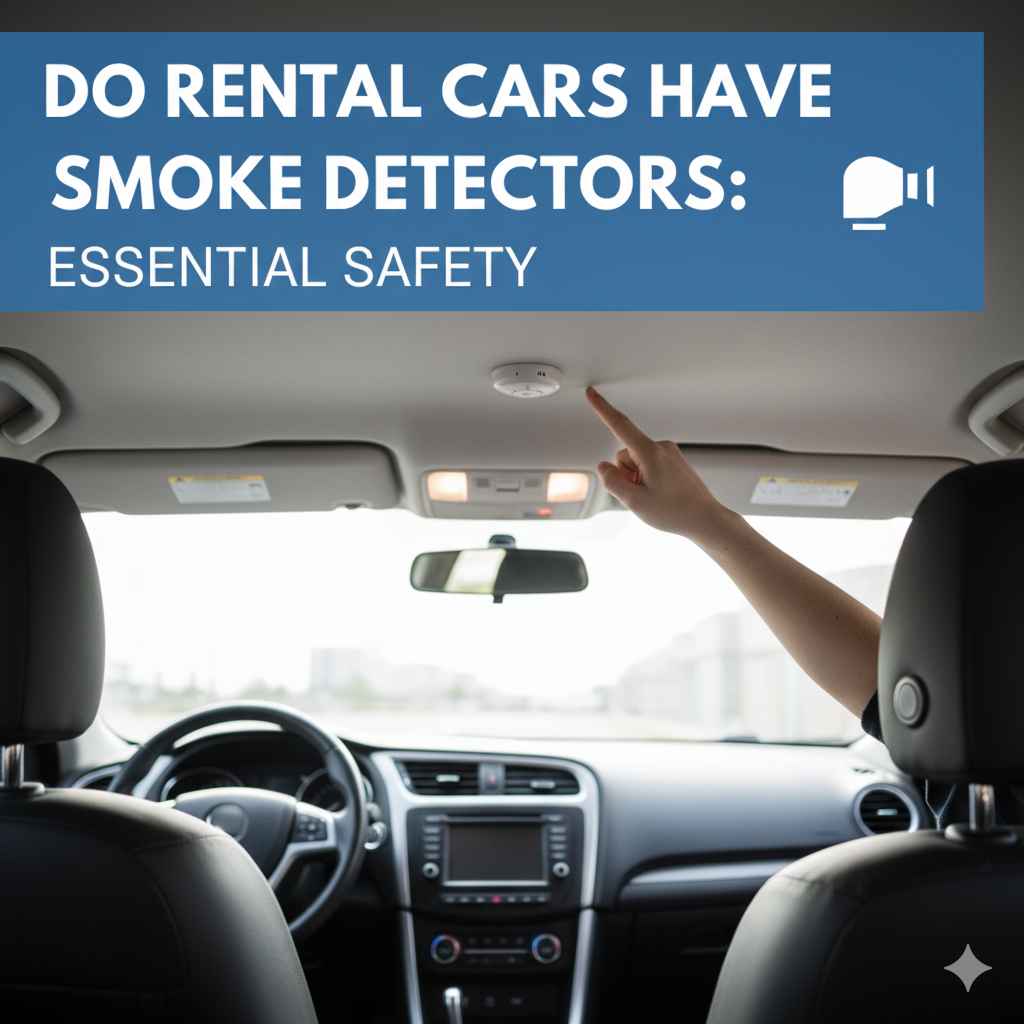
Yes, rental cars are equipped with smoke detectors as a crucial safety feature, mandated by regulations to protect occupants from fire hazards. While you won’t typically “see” them as a distinct device like in a home, their presence is standard for your well-being.
Many drivers and travelers wonder about the safety features in rental cars. It’s a valid question, especially when you’re in an unfamiliar vehicle. One common thought that pops into mind is: “Do rental cars have smoke detectors?” It’s easy to imagine them looking like the ones you have at home, mounted on the ceiling. But the reality is a bit different, and it’s all about ensuring your safety on the road. Let’s take a closer look at why this is an important topic and what you need to know to feel secure during your rental car journey. We’ll break down the safety standards and what to expect.
Understanding Rental Car Safety Standards
When you rent a car, you’re entrusting your safety to the rental company and the vehicle’s manufacturer. These companies have a significant responsibility to ensure their fleet meets stringent safety regulations. These regulations are in place to protect everyone who drives their cars. Think of it like this: just as you expect seatbelts and airbags, other passive and active safety systems are standard. This includes measures to alert you and protect you in the event of a fire. The goal is always to minimize risk and maximize occupant safety, making sure that you have a secure and pleasant driving experience, no matter how short or long your trip may be.
The Role of Smoke Detectors in Vehicles
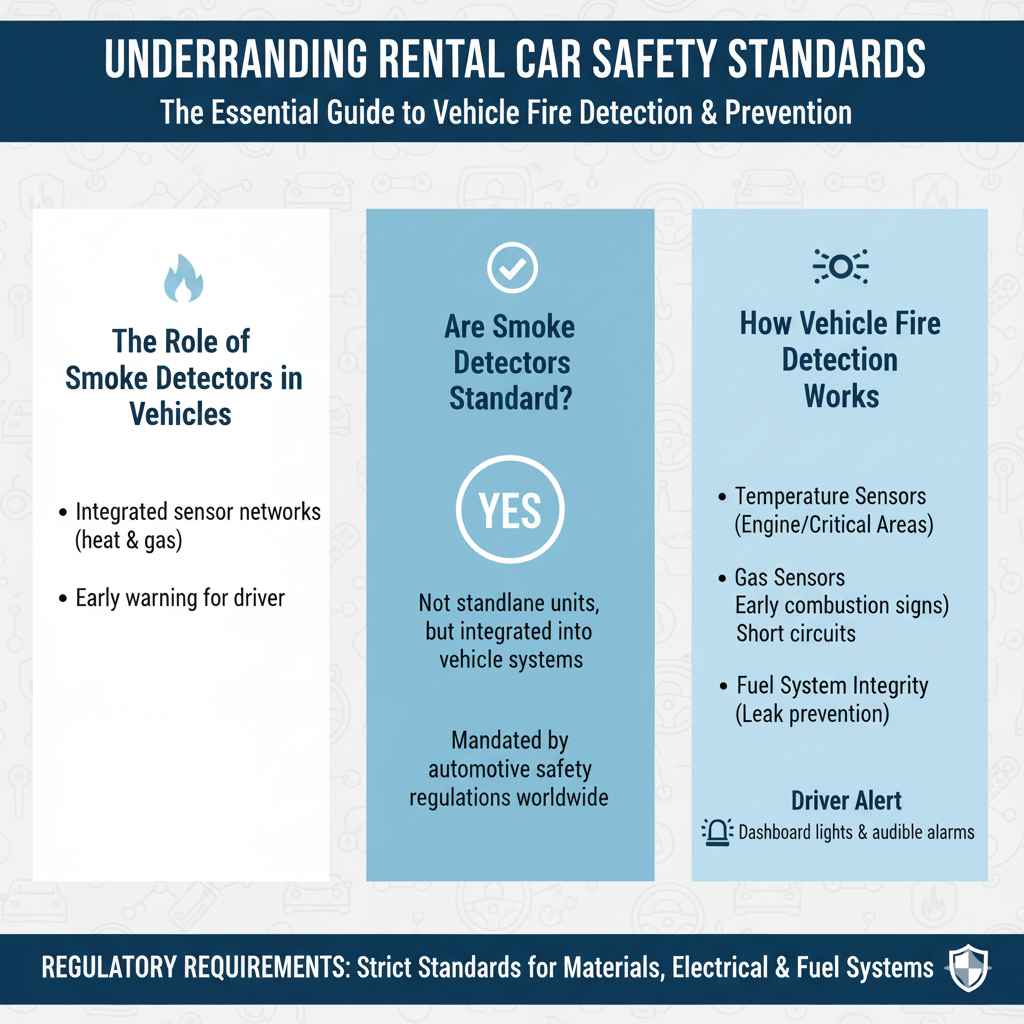
The idea of a “smoke detector” in a car might conjure images of bulky devices, but vehicle fire detection is far more integrated and sophisticated. Instead of single, prominent units, vehicles utilize a network of sensors that monitor various conditions, including heat and gases indicative of a fire. These systems are designed to detect early signs of a fire, whether it originates from an electrical fault, a fluid leak, or another cause. The primary objective is to provide a warning to the driver as soon as possible, allowing them to react safely by pulling over and evacuating the vehicle if necessary. This proactive approach to fire safety is a vital component of overall automotive safety standards, ensuring that potential hazards are identified and addressed promptly.
Are Smoke Detectors Standard in Rental Cars?
The short answer is yes, in a way. While you won’t typically find a standalone smoke alarm unit bolted to the roof liner like in your home, rental cars are equipped with advanced fire detection and suppression systems that serve the same purpose. These systems are mandated by automotive safety regulations in most developed countries. They are designed to detect the conditions that lead to a fire – such as rapid temperature increases or the presence of specific gases – and alert the driver. Therefore, rental cars adhere to the same rigorous safety standards as privately owned vehicles. The technology might be subtle, but its presence is a non-negotiable aspect of vehicle manufacturing and rental fleet management, ensuring your safety is paramount.
How Vehicle Fire Detection Works
Modern vehicles, including those in rental fleets, are equipped with sophisticated systems that go beyond simple smoke detection. These systems often involve a combination of:
- Temperature Sensors: Placed strategically throughout the engine compartment and other critical areas, these sensors monitor for abnormal temperature spikes. A rapid increase in temperature is a primary indicator of a potential fire.
- Gas Sensors: Certain sensors can detect specific gases released during the initial stages of combustion. These gases can be present even before visible smoke appears.
- Electrical System Monitoring: The vehicle’s onboard computer constantly monitors the electrical system for short circuits or overheating components, which are common sources of vehicle fires. Warning lights on the dashboard can indicate these issues.
- Fuel System Integrity: Systems are designed to prevent fuel leaks, a significant fire hazard.
When these integrated systems detect an anomaly that suggests a fire risk, they are programmed to alert the driver through dashboard warning lights, audible alarms, or a combination of both. This immediate notification gives the driver crucial time to take appropriate action, such as safely pulling over and assessing the situation. These safety mechanisms are a testament to the continuous advancements in automotive safety engineering, prioritizing occupant well-being.
Regulatory Requirements for Fire Safety in Vehicles
Automotive fire safety is not left to chance; it’s a heavily regulated field. Governments worldwide, through agencies like the National Highway Traffic Safety Administration (NHTSA) in the United States and similar bodies internationally, establish strict standards for vehicle fire prevention and detection. These regulations cover aspects such as:
- Material Flammability: Interior materials like upholstery and insulation must meet specific flammability resistance standards to slow the spread of fire.
- Electrical System Safety: Wiring harnesses and electrical components must be designed to minimize the risk of short circuits and overheating.
- Fuel System Integrity: Regulations ensure fuel lines and tanks are robust and designed to prevent leaks.
- Component Placement: Critical components prone to heat, like exhaust systems, are positioned to reduce the risk of igniting nearby materials.
Rental car companies are legally obligated to ensure their vehicles comply with these automotive safety standards. They conduct regular maintenance and inspections to verify that all safety systems, including those related to fire detection and prevention, are in optimal working condition. This commitment to regulatory compliance is a cornerstone of their operation, ensuring that every vehicle they put on the road is as safe as possible.
What to Look For (and What Not To) in a Rental Car
When you pick up a rental car, your focus is often on the cleanliness, functionality, and perhaps the GPS. However, understanding basic safety signs can give you extra peace of mind. While you won’t be looking for a distinct smoke detector unit, be aware of the standard safety features and what might indicate an issue.
Visible Safety Features to Check
Before you drive away, it’s always a good idea to do a quick visual check of essential safety components. While you won’t find a smoke detector, you should look for:
- Dashboard Warning Lights: Ensure no warning lights (like the engine light, ABS light, or airbag light) are illuminated when you start the car. Some might briefly light up as part of a system check upon ignition, but they should turn off.
- Seatbelts: Check that all seatbelts are present, retract properly, and buckle securely.
- Tires: Give the tires a quick visual inspection to ensure they don’t appear significantly under-inflated or damaged.
- Mirrors: Confirm that all mirrors (rearview and side mirrors) are present and properly adjusted.
- Windshield Wipers and Fluid: Test the wipers and ensure there’s washer fluid available, especially if you’re traveling to an area where rain is expected.
These are quick checks that can make a difference in your driving experience and safety. The absence of warning lights is a good indicator that fundamental systems are functioning correctly.
Signs of Potential Fire Hazards (and what to do)
While highly unlikely in a well-maintained rental car, it’s good to be aware of potential signs that could indicate a fire risk. These are usually related to issues with the car’s mechanical or electrical systems. If you notice any of the following, pull over in a safe location as soon as possible and contact the rental company or roadside assistance:
- Smell of Burning: This is the most critical sign. A burning smell, whether it’s like oil, rubber, or plastic, warrants immediate attention.
- Smoke: Any visible smoke coming from under the hood, from the exhaust, or from within the cabin is a serious warning sign.
- Unusual Noises: Strange sounds like grinding, hissing, or popping, especially when accompanied by other signs, should not be ignored.
- Overheating Engine: If the temperature gauge on your dashboard rises into the red zone, it indicates the engine is overheating, which can be a precursor to a fire.
- Electrical Malfunctions: If lights flicker, the radio cuts out unexpectedly, or other electrical components behave erratically, it could point to an electrical fault.
Remember, rental cars undergo regular maintenance. However, if you experience any of these, your immediate priority is to get yourself and any passengers to safety.
The Rental Company’s Responsibility
Rental car agencies have a vested interest in keeping their vehicles safe and well-maintained. This responsibility extends to ensuring all safety regulations are met, including those related to fire prevention and detection. Their fleet management typically involves:
- Regular Maintenance Checks: Vehicles are regularly serviced by qualified mechanics.
- Pre-Rental Inspections: Before each rental, cars are often inspected for obvious issues.
- Compliance with Regulations: They must adhere to all local and federal automotive safety laws.
- Recall Management: They are responsible for addressing any safety recalls issued by vehicle manufacturers.
If you have specific concerns about a rental car’s safety features, don’t hesitate to ask the rental agency staff when you pick up the vehicle. They can often provide reassurance or a quick demonstration of key safety indicators on the dashboard.
Essential Safety Tips for Rental Car Drivers
Beyond the built-in safety features of a rental car, your own awareness and actions play a huge role in ensuring a safe journey. Here are some practical tips to keep in mind:
Before You Drive Off
Once you’ve completed the typical paperwork and are about to take possession of your rental car, take a moment to:
- Familiarize Yourself with Controls: Adjust the seat, mirrors, and steering wheel. Locate the headlights, turn signals, windshield wipers, and hazard lights. Understanding where these are without looking can be crucial in an emergency.
- Check Dashboard Indicators: As mentioned earlier, ensure no critical warning lights remain illuminated after starting the engine.
- Inspect for Damage: Document any existing damage to the car (scratches, dents) with photos or videos before leaving the lot. This protects you from being charged for pre-existing issues.
- Understand Fuel Policy: Know whether you need to return the car with a full tank or if you pre-paid for fuel.
During Your Rental Period
Your responsibility for safety continues throughout your rental:
- Drive Defensively: Always assume other drivers might not see you. Maintain safe following distances and be aware of your surroundings.
- Obey Traffic Laws: Adhere to speed limits and all traffic regulations in the area you’re driving.
- Avoid Distractions: This includes mobile phones, eating, or adjusting the radio excessively. Focus on the road.
- Stow Luggage Securely: Loose items can become dangerous projectiles in a sudden stop or accident.
- Be Aware of Your Location: Especially when in an unfamiliar city, be mindful of your surroundings, particularly at night.
In Case of Emergency
If you experience a mechanical issue, breakdown, or witness anything concerning, remember these steps:
- Prioritize Safety: If possible, pull over to a safe location away from traffic. Turn on your hazard lights.
- Assess the Situation: If you suspect overheating or a fire risk, turn off the engine immediately.
- Evacuate if Necessary: If there’s any sign of fire, evacuate the vehicle and move to a safe distance.
- Contact Assistance: Call the rental company’s roadside assistance number (usually provided at pickup). If it’s a life-threatening emergency, call emergency services (911 or your local equivalent).
Having these numbers readily accessible on your phone or a printed card can save critical time in an emergency.
Comparing Rental Car Safety to Your Personal Vehicle
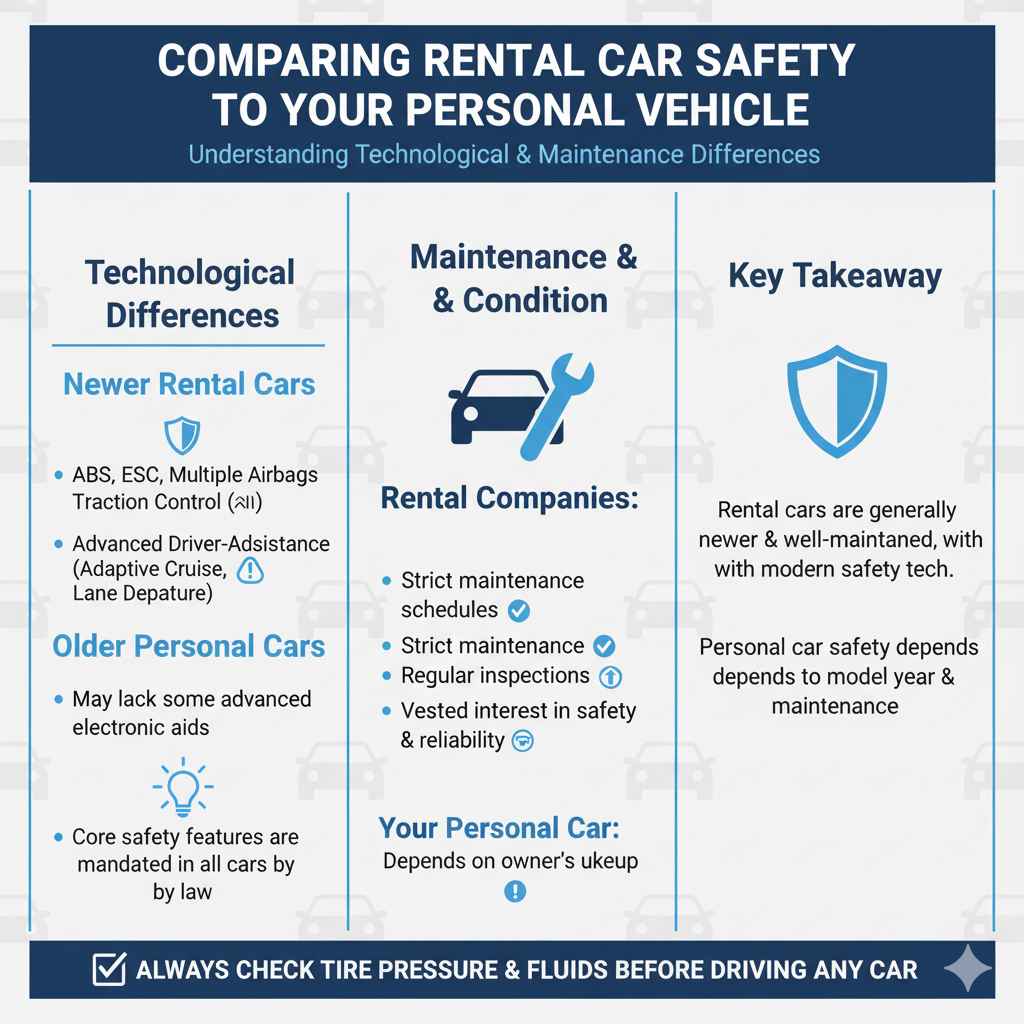
It’s natural to compare the safety of a rental car to your own car. While manufacturers strive for high safety standards across all vehicles, there can be differences, especially in technology and specific features. Rental car fleets are typically comprised of relatively new vehicles, benefiting from recent advancements in safety engineering. This means they often come equipped with modern safety systems, potentially including more advanced driver-assistance features than an older personal car might have.
Technological Differences
Newer cars, which make up the bulk of rental fleets, often incorporate the latest safety technologies as standard. These can include:
- Anti-lock Braking Systems (ABS)
- Electronic Stability Control (ESC)
- Multiple Airbags (front, side, curtain)
- Traction Control Systems
- Advanced Driver-Assistance Systems (ADAS): Some newer rentals might feature adaptive cruise control, lane departure warning, or automatic emergency braking, though these are less common in economy or standard vehicle classes.
Your personal vehicle, depending on its age and model, might have some or all of these features. However, older cars might lack some of the more sophisticated electronic safety aids. The critical point is that core safety features, including fire detection and prevention systems mandated by law, are present across the board regardless of whether it’s a rental or a privately owned car.
Maintenance and Condition
A significant factor is maintenance. Rental car companies have a vested interest in keeping their vehicles in good working order to ensure customer satisfaction and safety. This often translates to rigorous and frequent maintenance schedules. However, because vehicles are used by many different drivers, wear and tear can sometimes be higher than in a personal car that’s driven by a single, careful owner. The integrated fire detection systems are part of this regular maintenance regimen. They are checked during routine inspections, ensuring their continued functionality.
For your personal vehicle, its condition depends entirely on your own maintenance habits or those of your trusted mechanic. If you meticulously maintain your car, it’s likely in excellent mechanical and safety condition. If maintenance has been neglected, even a newer car can pose more risks. The key takeaway is that rental cars are generally well-maintained and equipped with standard safety features, including those related to fire safety, often aligning with or exceeding the capabilities of average personal vehicles.
Frequently Asked Questions (FAQ)
Here are some common questions drivers have about safety features in rental cars:
Q1: Do rental cars have smoke detectors like at home?
A: No, rental cars do not have the standalone, ceiling-mounted smoke detectors you find in homes. However, they are equipped with integrated fire detection systems that monitor temperature and gases, alerting the driver to potential fire hazards.
Q2: How can I be sure the fire detection system in a rental car is working?
A: Rental cars are subject to regular maintenance checks by the rental company to ensure all safety systems are functioning correctly, including fire detection mechanisms. You can also look for any dashboard warning lights when you start the car; a lack of illuminated warning lights generally indicates systems are operational.
Q3: What should I do if I smell smoke or see smoke coming from a rental car?
A: If you notice any signs of smoke or a burning smell, pull over to a safe location immediately, turn off the engine, and evacuate the vehicle if necessary. Then, contact the rental company’s roadside assistance or emergency services.
Q4: Are there specific fire safety features I should check before driving a rental car?
A: While you won’t see a smoke detector, you should check for basic automotive safety items like ensuring all dashboard warning lights turn off after starting the engine and confirming seatbelts are functional. Familiarize yourself with the location of hazard lights as well.
Q5: Does the age of a rental car affect its fire safety features?
A: Rental car companies typically maintain modern fleets with recent model vehicles. Newer cars often benefit from the latest advancements in fire prevention and detection technology, making them generally very safe. Regulations ensure that all vehicles, regardless of age, meet minimum fire safety standards.
Q6: What if my rental car breaks down?
A: Most rental agreements include roadside assistance. You should have a contact number provided by the rental company. Call them for assistance, and if there’s an immediate danger, contact local emergency services.
Q7: Can I request a rental car with specific extra safety features?
A: For standard safety features like airbags and ABS, all rental cars are equipped. For advanced features like lane departure warning or adaptive cruise control, you may need to rent a higher-tier vehicle (e.g., luxury car, SUV) and should verify availability with the rental company when booking.
Conclusion
Navigating the safety features of a rental car can seem daunting, but understanding the essentials makes it simple. The crucial takeaway about smoke detectors is that while they aren’t the home-style units you might picture, rental cars are definitively equipped with integrated fire detection technology designed to keep you safe. These systems are a standard part of modern vehicle design, reinforced by strict regulations and diligent maintenance practices by rental agencies.
As a driver, your role in maintaining safety is also vital. A quick pre-drive check of dashboard indicators and familiarization with essential controls can go a long way. Being aware of potential warning signs and knowing how to react in an emergency are the most important steps you can take.