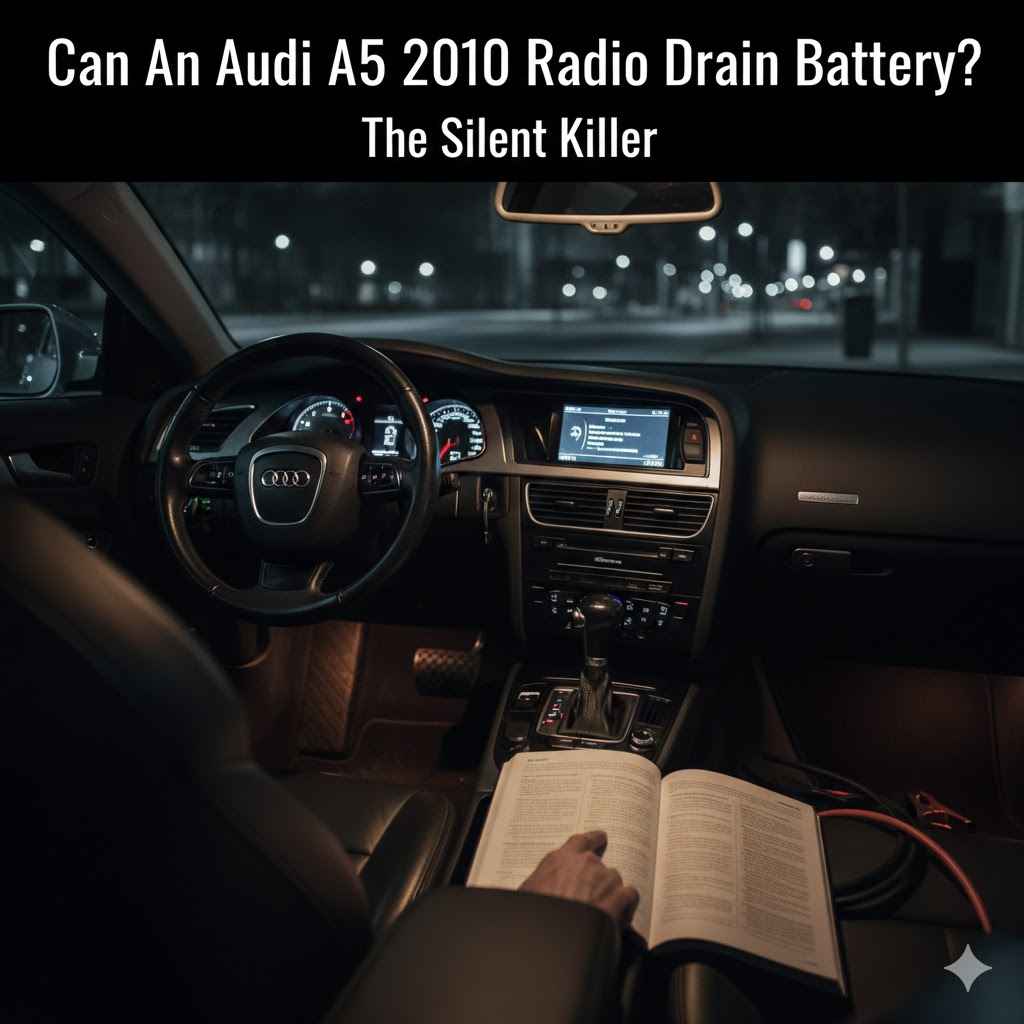
Can An Audi A5 2010 Radio Drain Battery
Figuring out why your car battery keeps dying can be tricky, especially if you’re new to car problems. You might wonder, Can an Audi A5 2010 radio drain the battery? It’s a common question that can leave you scratching your head. Don’t worry, we’ll break it down simply and show you exactly what to look for.
Get ready for a clear, step-by-step guide to help you find the fix.
Investigating Battery Drain Issues
When your car battery acts up, it can be frustrating. A common culprit people worry about is the car’s radio system. This section helps you understand why such issues arise and what basic checks you can perform.
We’ll explore how different parts of your car’s electrical system can affect the battery. This will give you a clearer picture of potential problems and solutions.
Understanding Parasitic Drain
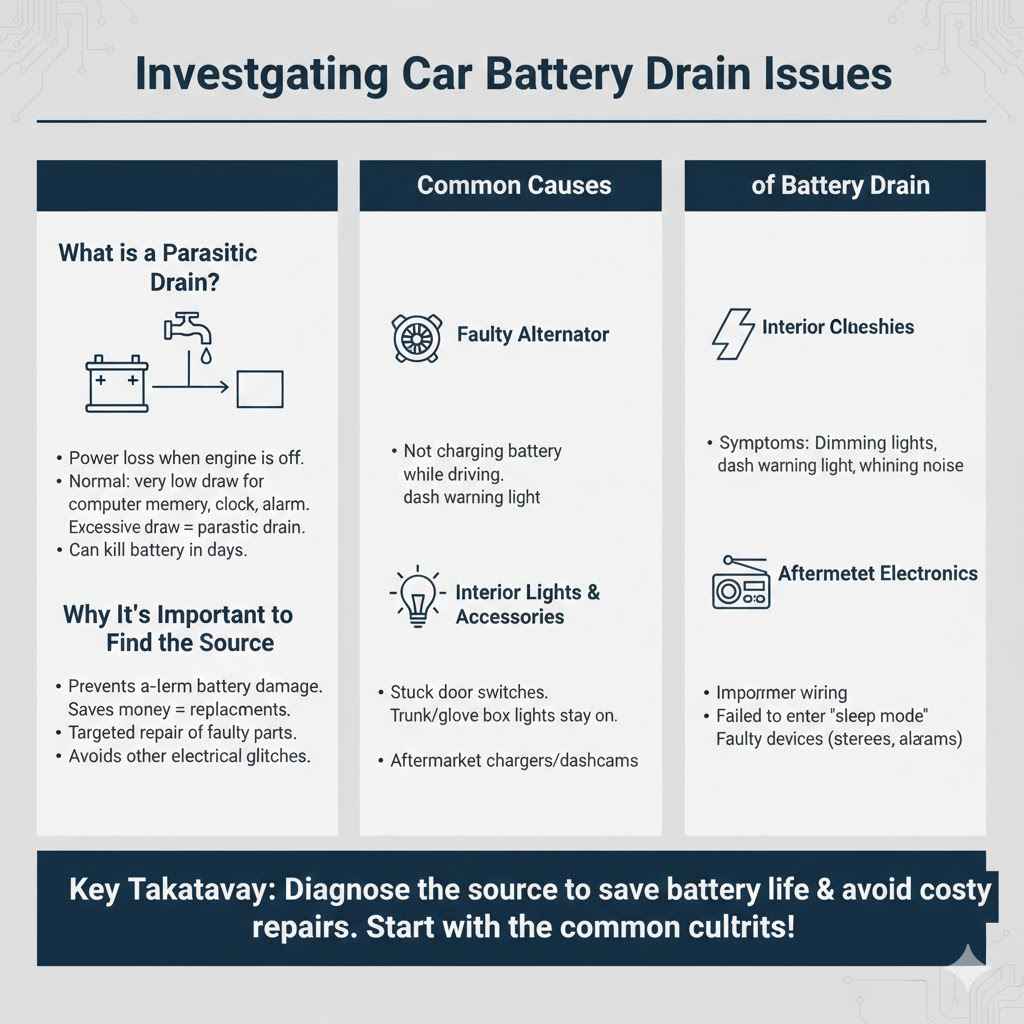
Parasitic drain is when your car’s battery loses power when the engine is off. Think of it like a tiny leak in a faucet that slowly empties a bucket. Even when your car is sleeping, some components are still drawing a small amount of electricity.
This is normal to some extent, as systems like your car’s computer or alarm need a little power to stay ready. However, if this draw is too high, it will drain your battery over time, leaving you with a dead car.
This constant drain, even if small, can deplete a car battery if the vehicle sits for an extended period without being driven. A healthy battery should be able to withstand this minimal draw for weeks. But if a component is not shutting down properly, it can drain the battery much faster, sometimes within a day or two.
This is where the suspicion of a faulty radio or other electronic part comes into play.
For a car owner, especially one new to auto mechanics, identifying the source of this drain can seem like a big task. You might not know which systems are supposed to be active and which should be off. This uncertainty can make troubleshooting difficult.
The goal here is to simplify this process, making it understandable and manageable for anyone.
We will walk through how to check for this drain step by step. You’ll learn to identify if a particular component, like the Audi A5 2010 radio, is the cause. By understanding the basics of how these systems work, you can become more confident in diagnosing and fixing these common car issues.
This knowledge empowers you to take better care of your vehicle.
What is a Parasitic Drain?
A parasitic drain happens when electrical components in your car continue to use power even when the ignition is off and the car is parked. Every car has a small amount of this drain, which is needed for essential functions. These include maintaining memory for the car’s computer, keeping the clock set, and powering the security alarm system.
This expected draw is very low, usually measured in milliamps.
When this drain becomes excessive, it’s called a parasitic draw. This means something is using much more power than it should. It’s like leaving a light on in your house that you don’t realize is on.
Over time, this extra power consumption can completely drain your car battery. This can happen surprisingly quickly, leading to your car not starting when you need it.
For example, a door light switch that is stuck in the “on” position would keep the interior lights illuminated, creating a parasitic drain. Another common issue is a faulty module that fails to go into “sleep mode” after the car is turned off. These components should power down automatically, but if they malfunction, they continue to draw power.
Why It’s Important to Find the Source
Finding the source of a parasitic drain is vital for the health of your car’s battery and your peace of mind. A constantly drained battery can suffer long-term damage, reducing its lifespan and overall performance. If you constantly need to jump-start your car or replace the battery, it becomes a costly and inconvenient problem.
Identifying the specific component causing the drain allows for a targeted repair. Instead of guessing, you can focus on fixing or replacing the faulty part. This saves time and money.
It also prevents potential damage to other electrical systems in your car that can occur when a battery is repeatedly discharged and recharged.
Moreover, a persistent battery drain can lead to other electronic glitches. Modern cars have many interconnected electronic systems. A problem in one area can sometimes affect others.
By addressing the parasitic drain early, you help maintain the stability and reliability of your car’s entire electrical network. This ensures all your car’s features work as intended.
Common Causes of Battery Drain
Several electrical components in your Audi A5 can be responsible for draining your battery when the engine is off. Understanding these common culprits is the first step in diagnosing the problem. We’ll look at how various systems can malfunction and lead to unwanted power consumption.
Faulty Alternator
While an alternator’s primary job is to charge the battery while the engine is running, a faulty one can indirectly cause battery issues. If the alternator isn’t charging properly, the battery won’t get enough power during driving. This means the battery is always running on low charge, making it more susceptible to draining from other sources.
A failing alternator can also sometimes send an improper voltage, which can stress the battery.
A key symptom of a bad alternator is a battery warning light on your dashboard. You might also notice dimming headlights or other electrical components acting strangely while driving. If your alternator is weak, the battery may seem to drain overnight, but the real problem lies in the charging system’s inability to replenish the battery’s power.
Interior Lights and Accessories
Simple things like interior lights, trunk lights, or glove box lights that stay on can cause a significant drain. If a door switch is faulty or not aligned properly, it might not signal to the car that the door is closed. This tricks the car into thinking a light should be on, even when it’s not needed.
Similarly, accessories that are left plugged in and draw power even when the car is off can contribute. This includes things like aftermarket chargers, dashcams that don’t have a proper shut-off mechanism, or even faulty power outlets. It’s easy to forget about these items, but they can be a source of continuous power draw.
Aftermarket Electronics
The installation of aftermarket electronics, such as stereos, alarms, or navigation systems, can sometimes be the root cause of battery drain. If these systems are not wired correctly, they might not be properly cut off from power when the ignition is turned off. This can lead to them drawing power continuously.
Even factory-installed systems can develop issues. However, aftermarket installations add an extra layer of complexity. If you’ve recently had such a device installed, it’s a prime suspect.
The installer might have overlooked a detail, or the device itself might be malfunctioning and not entering its low-power standby mode.
It’s important to note that not all aftermarket electronics are problematic. Many are designed to work seamlessly with a vehicle’s electrical system. The issue arises when the installation is flawed or the component itself has a defect.
This is why professional installation is often recommended for complex aftermarket systems.
Can An Audi A5 2010 Radio Drain the Battery?
This is the central question many Audi A5 owners face. The car’s audio system, especially the radio and its associated components, is a significant electrical consumer. When it’s on, it uses power.
But the real concern is whether it continues to use excessive power when the car is supposed to be off and asleep. This section delves into how the radio system in your 2010 Audi A5 might be causing battery drain.
How Car Radios Use Power
Your car’s radio system is more than just the head unit you interact with. It includes amplifiers, speakers, antennas, and often integrated navigation or Bluetooth modules. When the radio is on, it draws power to illuminate its display, power its internal processors, send signals to amplifiers, and drive the speakers.
The louder you play music, the more power is consumed.
When you turn off the car, most modern car radios are designed to go into a low-power standby mode. This is to maintain settings like radio presets, clock time, and equalizer preferences. This standby mode uses a very minimal amount of power, similar to how your TV uses a small amount of energy when it’s in standby with the remote control ready.
However, this is where the problem can arise. If a component within the radio system fails to properly enter or stay in its standby mode, it can continue to draw a significant amount of current. This continuous draw, even if it’s a few hundred milliamps, can be enough to drain a car battery over a period of hours or days, especially if the battery is not fully charged or is nearing the end of its lifespan.
Components of the Audi A5 Radio System
The radio system in a 2010 Audi A5 is a sophisticated assembly. Understanding its parts helps pinpoint potential issues. The primary component is the head unit, which contains the tuner, CD player (if equipped), and user controls.
Connected to this are amplifiers, which boost the audio signal to drive the speakers.
The speakers themselves also draw power. Then there’s the antenna system, which might include powered antennas or diversity systems. Modern cars also integrate features like Bluetooth modules for phone calls and audio streaming, GPS receivers for navigation, and sometimes even satellite radio tuners.
All these add to the system’s complexity and power requirements.
When the car is turned off, these components should all transition to a low-power state. For example, the amplifier should power down, and the head unit should enter standby. The car’s body control module (BCM) usually manages this process, sending signals to tell various modules when to wake up and when to sleep.
When the Radio Fails to Sleep
The term “fails to sleep” is used when a car’s electronic module, like the radio or amplifier, does not correctly shut down its power consumption after the ignition is turned off. This is a common cause of parasitic battery drain. Instead of dropping to a very low milliamps draw, the component continues to pull amps, equivalent to leaving a small appliance plugged in.
This malfunction can be due to several reasons. Internal failure of the electronic control unit within the radio or amplifier is one possibility. Another is a communication error between the head unit and the BCM, where the BCM signals the module to sleep, but it doesn’t receive or obey the command.
Sometimes, a faulty power supply wire or a ground issue can also prevent proper shutdown.
The key indicator that your Audi A5 radio might be the culprit is if the battery drain is significantly reduced or eliminated when the radio’s fuse is pulled. This suggests that the radio system, or a part of it controlled by that fuse, is indeed the source of the problem.
Testing for Radio Battery Drain
To definitively know if your Audi A5 2010 radio is draining the battery, you need to perform a specific test. This involves using a multimeter to measure the current draw when the car is off. It’s a straightforward process that can confirm if the radio is the problem.
Using a Multimeter
A multimeter is an essential tool for diagnosing electrical issues. For measuring current draw, you’ll need to set it to the “Amps” or “mA” (milliamps) setting. You will also need to know how to safely connect it in series with a circuit to measure the flow of electricity.
It’s crucial to use a multimeter that can handle the expected current draw; most automotive applications require a 10A or 20A range.
The process involves disconnecting the negative battery terminal and then connecting the multimeter between the terminal and the disconnected cable. This way, all the electricity leaving the battery must pass through the multimeter, allowing it to measure the total current draw. It’s important to ensure the car is completely “off” and all doors are closed (you might need to manually latch them to simulate this) before taking readings.
The Fuse Pull Test
The fuse pull test is one of the most effective ways to isolate a parasitic drain. You will need your car’s fuse box diagrams to identify the fuses related to the radio and audio system. Start with the car off and the multimeter connected as described above to get a baseline reading of the total current draw.
Then, one by one, pull out each fuse associated with the radio system. After pulling a fuse, observe the multimeter reading. If the reading drops significantly (ideally to a very low level, typically less than 50 milliamps), you have found the circuit responsible for the drain.
This pinpoints the issue to the components protected by that specific fuse, most likely your radio.
For instance, there might be separate fuses for the head unit, the amplifier, and other audio-related modules. You might need to pull multiple fuses to completely eliminate the drain. If pulling a particular fuse causes the multimeter reading to drop dramatically, then the problem is almost certainly within the system that fuse protects.
This is a highly reliable method for isolating specific circuits causing battery drain.
Interpreting the Results
Once you’ve performed the fuse pull test, interpreting the readings is key. A normal parasitic draw for a modern car is typically between 25 and 50 milliamps (mA). If your initial reading with the multimeter is significantly higher, say over 100 mA, then there is a parasitic drain present.
When you pull a fuse and the current draw drops to within the normal range (below 50 mA), you’ve successfully identified the problematic circuit. If pulling the fuse for the radio causes the draw to drop to an acceptable level, it strongly indicates that the radio system is the source of your battery drain. You’ve answered the question “Can an Audi A5 2010 radio drain the battery?” with a resounding yes, if this is the outcome.
If pulling the radio fuse does not significantly reduce the drain, the problem might lie elsewhere. You would then continue the fuse pull test with other circuits or investigate other potential causes like interior lights, door locks, or the car’s computer modules. This systematic approach helps eliminate variables until the culprit is found.
Troubleshooting and Solutions
Once you’ve confirmed that your Audi A5 2010 radio is indeed causing the battery drain, it’s time to find a solution. This section will guide you through the repair process, from simple fixes to more complex repairs, and what to do next.
Simple Fixes for Radio Issues
Sometimes, the problem isn’t a major component failure but a minor glitch that can be easily reset. This can save you time and money on unnecessary repairs.
Resetting the Radio Unit
A common and simple solution is to reset the radio unit. This is like rebooting a computer. It can clear temporary software glitches that might be preventing the radio from entering its low-power mode.
To do this, you typically need to remove the fuse for the radio for a period of about 5-10 minutes. This completely cuts power to the unit, allowing its internal memory to reset.
After waiting, re the radio unit “hangs” in an active state.
Checking Connections and Wiring
Poor connections or damaged wiring can cause a variety of electrical problems, including battery drain. Inspect the wiring harness that connects to the back of the radio unit. Look for any signs of damage, such as frayed wires, loose connections, or corrosion.
Corrosion on electrical contacts can impede the flow of electricity or create unintended pathways, leading to power loss. If you find any damaged wires, they may need to be repaired or replaced. Loose connections should be secured.
Ensure that all plugs are firmly seated into their sockets. This visual inspection can often reveal the source of the problem.
When Professional Help Is Needed
If simple fixes don’t resolve the battery drain, it’s likely a more complex issue within the radio system itself or its integration with the car’s electronics.
Repairing or Replacing the Radio Unit
If the radio unit itself is faulty and not shutting down properly, it might need to be repaired or
Software Updates and Module Re-coding
Modern car electronics are heavily reliant on software. Sometimes, a software bug in the radio’s or the car’s control module can cause power management issues. Audi dealerships have the specialized tools to check for and install software updates for your car’s various control modules, including the infotainment system.
In some cases, the module might need to be re-coded or re-calibrated to the vehicle. This process ensures that the module communicates correctly with other systems and follows the proper power management protocols. This is a service best performed by a professional who understands the specific coding requirements for your Audi A5.
Software issues are becoming increasingly common as cars become more digitized. A glitch in the code could be telling the radio to stay active when it should be idle. A software update or re-coding can effectively reset the module’s behavior to its intended operational parameters.
Common Scenarios and Solutions
Here are a couple of scenarios detailing how radio drain issues are diagnosed and resolved:
Scenario 1: The Faint Glow. A 2010 Audi A5 owner notices their car battery is dead every morning. After performing a fuse pull test, they discover that pulling the fuse labeled “Infotainment” causes the parasitic drain to drop from 300mA to 30mA. This indicates the radio system is the culprit. Upon further inspection by a car audio shop, it’s found that the amplifier’s standby circuit is faulty and failing to power down. The solution is to replace the amplifier.
Scenario 2: The Mysterious Drain. Another owner experiences intermittent battery drain. After a week of troubleshooting, including a successful fuse pull test isolating the radio fuse, they attempt a simple fuse pull and reinsertion. The battery drain problem disappears for three weeks. This suggests a temporary software glitch in the radio head unit that was resolved by the power cycle. They continue to monitor the situation, but no further issues arise.
Preventing Future Battery Drain
Once you’ve resolved the issue, it’s good practice to take steps to prevent it from happening again. Proactive maintenance and smart usage habits can save you from future battery troubles.
Regular Maintenance Checks
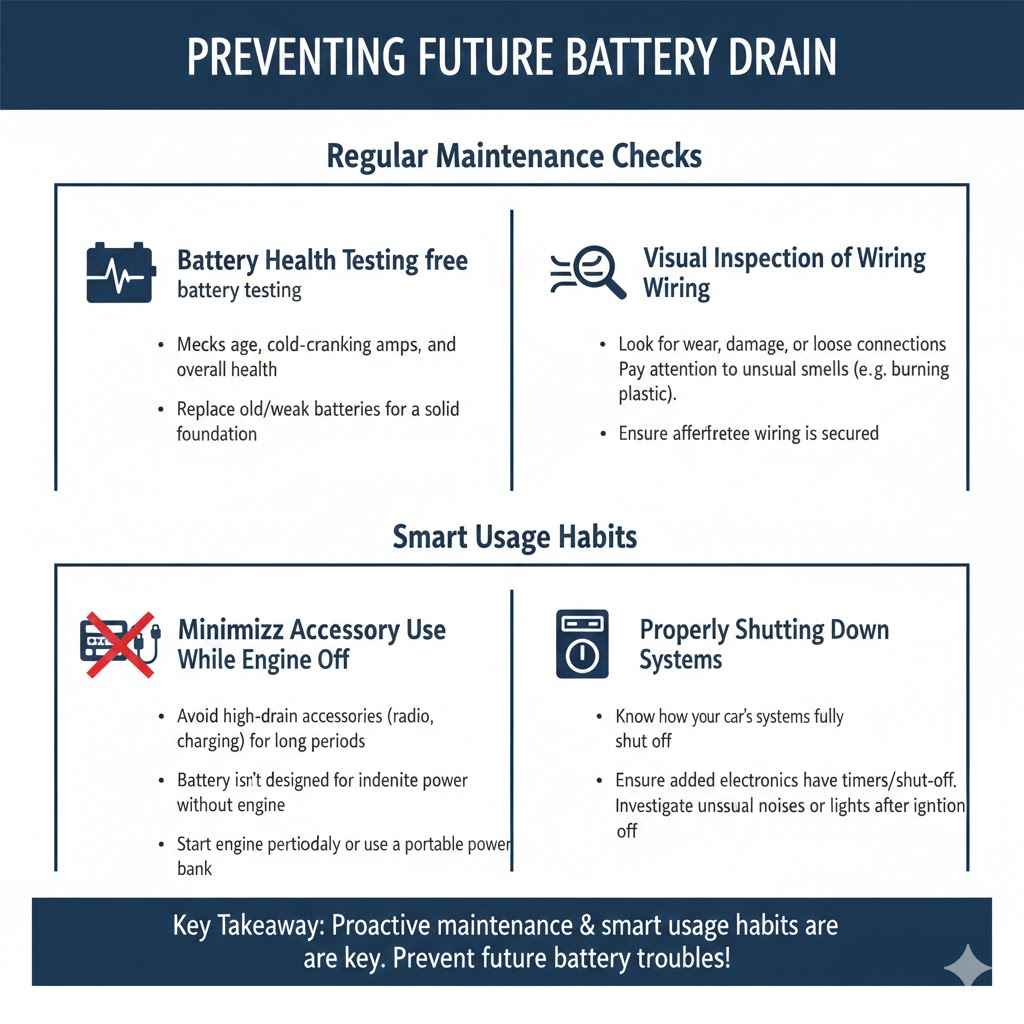
Routine checks of your car’s electrical system can catch potential problems early. This includes having your battery tested periodically to check its health and charge capacity.
Battery Health Testing
A car battery’s ability to hold a charge degrades over time. Most auto parts stores offer free battery testing. A healthy battery can better withstand minor parasitic draws without dying.
If your battery is old or failing, it will be more susceptible to drain.
A battery test can reveal its age, its cold-cranking amps (CCA), and its overall health. If the battery is weak, replacing it might be the best course of action, especially if you’re experiencing frequent drain issues. A new, healthy battery provides a solid foundation for the car’s electrical system.
Visual Inspection of Wiring
Periodically, take a quick look at visible wiring harnesses, especially around the radio and any aftermarket accessories. Look for any signs of wear, damage, or loose connections. Catching these early can prevent larger problems down the line.
Pay attention to any unusual smells, like burning plastic, which can indicate electrical issues. Ensure that any aftermarket wiring is neatly done and secured, not dangling loosely where it could be pinched or damaged.
Smart Usage Habits
How you use your car’s electronics can also impact battery life.
Minimizing Accessory Use While Engine Off
Avoid using high-drain accessories for extended periods when the engine is off. This includes the radio playing at high volume, using power outlets for charging devices, or running other electrical features. The car’s battery is not designed to power these indefinitely without the engine running to recharge it.
If you need to listen to music for a long time without running the engine, consider using a portable power bank or ensuring the engine is started periodically to keep the battery topped up. This applies to any car, not just your Audi A5.
Properly Shutting Down Systems
Make sure you are aware of how your car’s systems work. For example, know if your radio has a “power off” button that fully deactivates it, or if it simply goes into standby when you turn the ignition off. Always ensure that any added electronics have their own proper shut-off mechanisms or timers.
Understanding your car’s behavior is key. If you notice any unusual noises or lights staying on after turning off the ignition, investigate them promptly. Early detection of such anomalies can prevent significant battery drain and costly repairs.
Frequently Asked Questions
Question: Can a faulty antenna cause my Audi A5 radio to drain the battery?
Answer: While less common than issues with the head unit or amplifier, a faulty or shorted antenna system could potentially cause increased current draw. If the antenna’s internal wiring or connection is compromised, it might draw power even when the radio is off. This would be detected during a fuse pull test if the antenna system is on its own circuit.
Question: How long does it typically take for a faulty radio to drain a 2010 Audi A5 battery?
Answer: This depends on the specific fault and the battery’s condition. A severe fault could drain the battery in a matter of hours, while a moderate issue might take a day or two of sitting idle. A healthy battery will last longer than a weak one under the same drain conditions.
Question: What is the normal standby current draw for an Audi A5 2010 radio?
Answer: For a 2010 Audi A5, the normal standby current draw for the entire vehicle, including the radio system when off, should be below 50 milliamps (mA). The radio’s contribution to this should be a small fraction of that amount.
Question: If I pull the radio fuse, will my car alarm still work?
Answer: Many car alarms have their own dedicated power source or circuit that is independent of the radio’s fuse. However, it’s best to check your car’s fuse box diagram to confirm. In some integrated systems, disabling the radio might affect certain alarm features, but the core alarm function usually remains operational.
Question: Should I replace my entire Audi A5 2010 radio if it’s draining the battery, or can it be repaired?
Answer: It depends on the specific issue. Minor problems like a faulty switch or a simple software glitch might be repairable. However, if an internal component like an amplifier or processor fails, replacement of the radio unit or amplifier is often more cost-effective than a complex repair, especially given the age of the vehicle.
Wrap Up
Figuring out Can an Audi A5 2010 radio drain the battery? involves checking for parasitic draw. If your multimeter shows high current and pulling the radio fuse drops it, your radio is the likely problem. Solutions range from simple resets to professional repair or replacement.
Regular checks and smart usage prevent future issues.
Products related to this article
Sponsored / affiliate links. As an Amazon Associate I earn from qualifying purchases. I may earn additional commission from eligible campaigns.