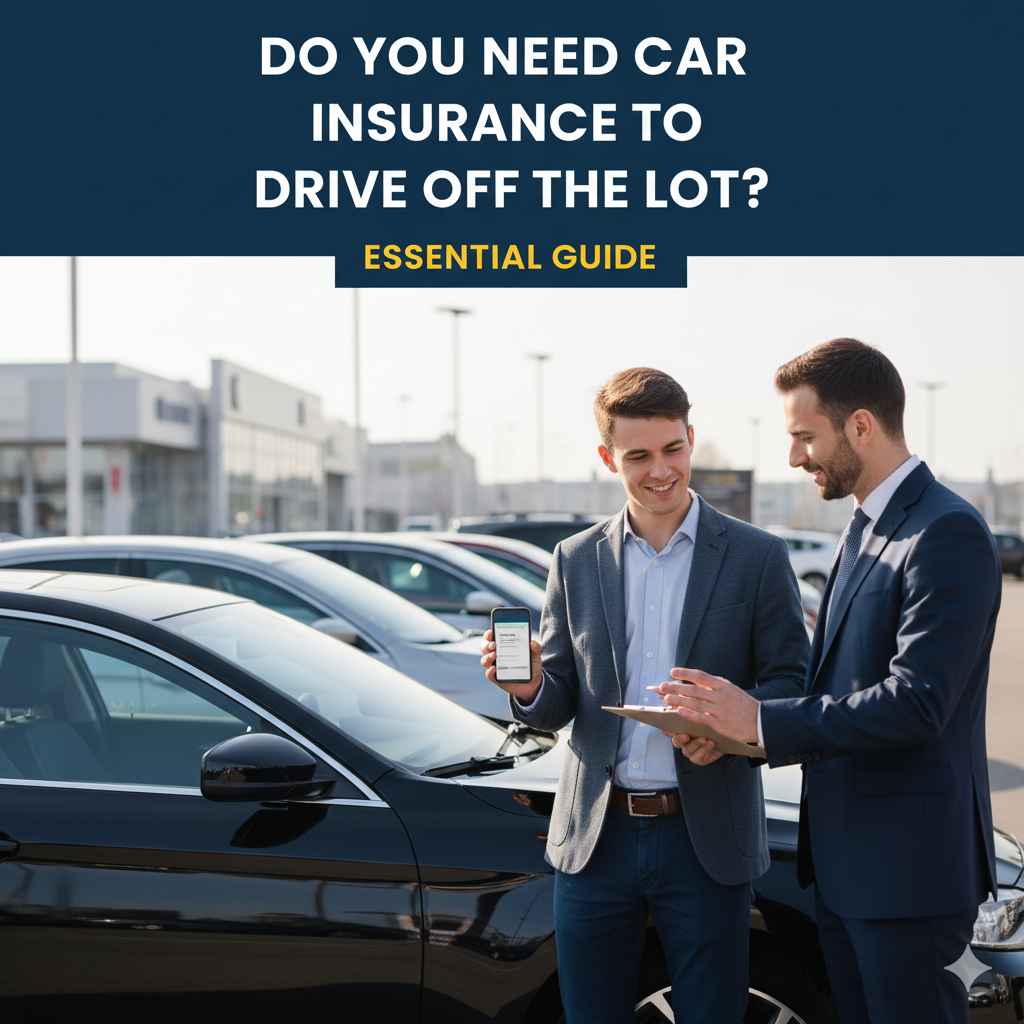
Do You Need Car Insurance To Drive Off The Lot? Essential Guide
Yes, you absolutely need car insurance before you drive your new or used car off the dealership lot. Driving without it is illegal and incredibly risky. This guide will break down why it’s required and what you need to know.
Buying a car is exciting! Whether it’s a brand-new gleaming beauty or a reliable pre-owned gem, that feeling of keys in your hand is fantastic. But before you can cruise down the road, a crucial step awaits, and many first-time car buyers wonder: “Do I really need car insurance to drive off the lot?” It’s a common question, and the answer is a resounding, non-negotiable YES!
Driving a vehicle, even for the very first time as a new owner, without insurance is not only against the law in nearly every state but also leaves you incredibly vulnerable to financial disaster. Think of it as putting on a seatbelt – it’s a safety measure for you and everyone else on the road. We’ll walk you through exactly why this is the case and what you need to have in place before you even think about leaving the dealership with your new ride.
Why Insurance is a Must-Have Before Driving Off
This isn’t just a suggestion; it’s a legal requirement for a very good reason. Imagine you’re driving your new car home and, unfortunately, a small accident happens. Without insurance, you’d be personally responsible for all the costs – your car repairs, the other person’s car repairs, and any medical bills if someone gets hurt. That could easily add up to thousands, even tens of thousands, of dollars, putting you in serious debt.
Insurance acts as your financial safety net. It’s a contract between you and an insurance company where you pay a regular premium, and in return, they agree to cover certain costs if you have an accident or your car is stolen or damaged. This protection is essential right from the moment you take possession of your vehicle.
Legal Requirements Vary by State
The specific types and minimum amounts of car insurance required by law differ from state to state in the U.S. However, all states (except New Hampshire, which has different financial responsibility laws) mandate that you carry at least a minimum level of liability coverage. This is the most basic form of insurance and covers damage or injuries you cause to others.
Here’s a general overview of what most states expect:
- Liability Coverage: This is typically split into two parts: Bodily Injury Liability and Property Damage Liability.
- Bodily Injury Liability (BI): Helps pay for medical expenses, lost wages, and pain and suffering for people injured in an accident you cause.
- Property Damage Liability (PD): Helps pay to repair or replace property damaged in an accident you cause, such as another car, a fence, or a building.
Many states require you to have proof of this insurance before they will let you register your vehicle and get license plates. This is why dealerships will insist on seeing your insurance policy information before you can drive away.
Dealerships Require Proof of Insurance
Car dealerships are legally obligated to ensure that vehicles leaving their lot are insured. They can face significant penalties if they allow a car to be driven away uninsured. When you finalize your car purchase, the dealership will ask for your insurance company’s name and policy number. They may even call your insurance agent to verify coverage before you hand over the keys.
This is not them being difficult; it’s a standard part of the sales process that protects both you and the dealership. Without this proof, they simply cannot let you take the car.
What Insurance Do You Need Before Driving Off?
The absolute minimum you’ll need when driving off the lot is liability insurance. However, most experts, including myself, highly recommend having more than just the state minimum. Why? Because state minimums are often very low and might not be enough to cover the costs of a serious accident. If the damages exceed your liability limits, you could still be held personally responsible for the difference.
Here are the essential types of coverage to consider:
1. Liability Coverage (Bodily Injury & Property Damage)
As mentioned, this is the legally required coverage. It pays for damages and injuries you cause to others if you are at fault in an accident. We’ll delve into recommended coverage levels shortly.
2. Collision Coverage
This is an optional coverage, but it’s crucial if you want your own car repaired or replaced after an accident, regardless of who is at fault. If you get a loan or lease on your car, the lender or leasing company will almost always require you to carry collision coverage to protect their investment.
3. Comprehensive Coverage
This is also optional but highly recommended, especially for newer or high-value vehicles. Comprehensive coverage helps pay for damage to your car caused by events other than a collision. This includes things like theft, vandalism, fire, falling objects, and natural disasters (like hail or floods). Similar to collision, lenders and leasing companies will likely require this.
4. Uninsured/Underinsured Motorist Coverage (UM/UIM)
This is very important and is required in some states. It protects you if you’re hit by a driver who has no insurance (uninsured) or not enough insurance (underinsured) to cover your damages. This can cover your medical bills, and in some cases, damage to your car.
5. Personal Injury Protection (PIP) or Medical Payments (MedPay)
Depending on your state, you might have PIP or MedPay. PIP is common in “no-fault” states and covers medical expenses, and sometimes lost wages and other related expenses, for you and your passengers, regardless of who caused the accident. MedPay is similar but generally only covers medical bills.
Recommended Coverage Levels: Beyond the Minimum
While state minimums are there, they are often just that – the bare minimum. For true peace of mind and robust protection, consider these recommendations:
For Liability Coverage:
- Bodily Injury: Aim for at least $100,000 per person / $300,000 per accident.
- Property Damage: Aim for at least $100,000 per accident.
These higher limits offer much better protection against potentially devastating financial losses, especially if serious injuries occur or expensive vehicles are involved.
For Collision and Comprehensive:
If you’re financing or leasing your car, carrying both is almost always mandatory. Even if you own your car outright, these coverages are wise for newer or valuable vehicles. The cost of these coverages is often worth the protection against costly repairs or replacement.
Understanding Deductibles
For collision and comprehensive coverage, you’ll choose a deductible. This is the amount you pay out-of-pocket before your insurance coverage kicks in. Common deductibles are $500 or $1,000. A higher deductible usually means a lower premium, and vice-versa. Choose a deductible you can comfortably afford to pay if you need to file a claim.
How to Get Car Insurance Before Driving Off the Lot
The key is to handle this before you go to the dealership or at least well in advance of picking up your car. Here’s a simple plan:
Step 1: Get Quotes
This is arguably the most important step to ensure you’re getting the best coverage at a good price. You can get quotes from:
- Direct Insurers: Companies like Geico or Progressive that you buy directly from.
- Independent Agents/Brokers: These agents work with multiple insurance companies and can compare policies for you.
- Online Comparison Sites: Websites that allow you to enter your information once and get quotes from several insurers.
When getting quotes, have the following information ready:
- Your driver’s license number.
- Information about your current or previous vehicles.
- Your current auto insurance information (if any).
- The exact Year, Make, and Model of the car you plan to buy (dealerships can often provide this VIN).
- Your Social Security Number (for a more accurate quote, though some initial quotes don’t require it).
- Your address and driving history.
Step 2: Choose Your Coverage and Policy
Based on your quotes and our recommendations, select the coverage levels that best fit your needs and budget. Don’t just pick the cheapest option; ensure you have adequate protection. You can save money by bundling your auto insurance with your homeowner’s or renter’s insurance, if you have it, through the same company.
Step 3: Purchase Your Policy
Once you’ve decided on an insurer and policy, you’ll purchase it. This might be over the phone, online, or in person with an agent. You’ll typically need to pay your first premium or a down payment to activate the coverage.
Step 4: Get Proof of Insurance
After purchasing, your insurance company will send you an insurance card (usually electronically and also by mail). This card shows your policy number, coverage details, and effective dates. You’ll need to present this card or a digital copy to the dealership.
This proof is critical. It’s your confirmation that you are legally insured and ready to drive your new car home.
A Snapshot of Insurance Needs: New vs. Used Cars
The type of car you’re buying can influence your insurance choices, even though the need for liability coverage remains constant.
| Car Type | Essential Coverage (Legally Required) | Highly Recommended Coverage | Notes |
|---|---|---|---|
| Brand New Car (Financed/Leased) | Liability (BI/PD) | Collision, Comprehensive, UM/UIM, PIP/MedPay | Lenders/lessors require Collision & Comprehensive. Higher value means more to protect. |
| Newer Used Car (Financed/Leased) | Liability (BI/PD) | Collision, Comprehensive, UM/UIM, PIP/MedPay | Similar to new cars regarding lender requirements. Value might be slightly lower. |
| Older Used Car (Owned Outright) | Liability (BI/PD) | UM/UIM, PIP/MedPay (consider Collision/Comprehensive if value is still significant) | Collision/Comprehensive might be optional if car’s value is low and repair costs exceed its worth. However, UM/UIM and PIP/MedPay are still vital. |
| Older Used Car (Financed) | Liability (BI/PD) | Collision, Comprehensive, UM/UIM, PIP/MedPay | Even if older, if financed, lender will require Collision & Comprehensive. |
Are There Exceptions? “Driving it Home” Insurance?
Sometimes, people ask about temporary insurance or “driving it home” insurance. While some dealerships might offer very short-term, basic coverage to get you to a different insurer, it’s generally not a substitute for a full policy. It’s always best to have your own insurance policy in place before you even visit the dealership.
The insurance you secure is active the moment it’s bound, meaning at the exact moment you drive off the lot, you are covered. This ensures there’s no gap in protection. For the most detailed information on your state’s specific requirements, you can visit the USA.gov website, which compiles links to state motor vehicle agencies and their insurance mandates.
Frequently Asked Questions (FAQs) About Driving Off the Lot
Q1: Can I drive my new car home from the dealership without insurance?
No. It is illegal and against dealership policy to drive a car off the lot without having active car insurance. Dealerships are required to verify your insurance coverage before you take possession of the vehicle.
Q2: How much car insurance do I absolutely need to drive off the lot?
You legally need at least the minimum liability coverage required by your state. However, for your financial protection, it’s strongly advised to have higher liability limits, plus comprehensive and collision coverage, especially if the car is financed or leased.
Q3: What if I’m buying a used car from a private seller, not a dealership?
The rules are the same. You still need insurance before you can legally drive the car on public roads. Whether it’s a dealership or a private seller, you must arrange insurance beforehand. You can arrange for it to start on the exact day you plan to pick up the car.
Q4: How long does it take to get car insurance?
You can usually obtain car insurance coverage very quickly, often within minutes. Many insurers allow you to complete the application and set up your policy online or over the phone, with coverage starting the same day. It’s best to do this before you finalize your purchase or immediately after agreeing on a price.
Q5: Will my old car insurance cover my new car?
Sometimes, but it’s not guaranteed and can be risky. Your current policy might have an “inherent risk period” (often 14-30 days) where it can extend coverage to a newly purchased vehicle. However, this coverage might not be for the correct limits, and it’s essential to inform your insurer immediately. It’s always best to have a policy specifically for the new car set up and active before you drive it off the lot.
Q6: What happens if I drive off the lot without insurance?
If you’re caught driving without insurance, you face significant penalties. These can include hefty fines, suspension of your driver’s license, vehicle impoundment, and having to file an SR-22 form (proof of financial responsibility) for several years. Most importantly, if you cause an accident, you will be personally liable for all damages and injuries, which can lead to severe financial ruin.
A Smooth Transition to the Road
Purchasing a car marks an exciting milestone. Ensuring you have the right car insurance in place before you drive off the dealership lot is a fundamental step that protects your investment and, more importantly, your financial well-being and legal standing. It’s not just about checking a box; it’s about safeguarding yourself against unexpected events.
By understanding the legal requirements, considering recommended coverage levels beyond the bare minimum, and following a straightforward process to get insured beforehand, you can confidently drive away with your new vehicle. Remember, a little preparation goes a long way in ensuring your car ownership journey starts on the right foot. Drive safely, and drive insured!