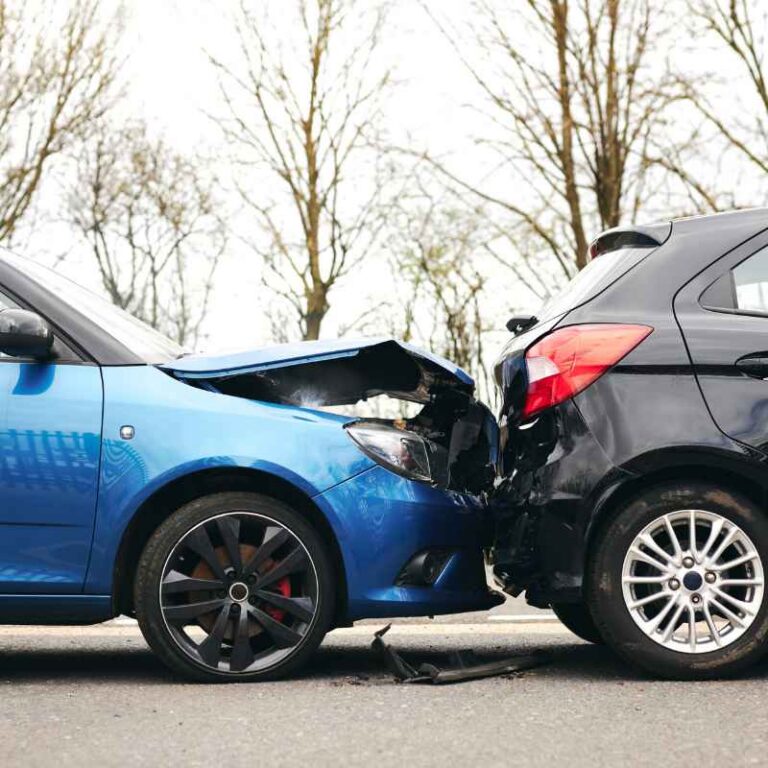
Do Car Dealerships Take Cash? Limits and IRS Rules Explained
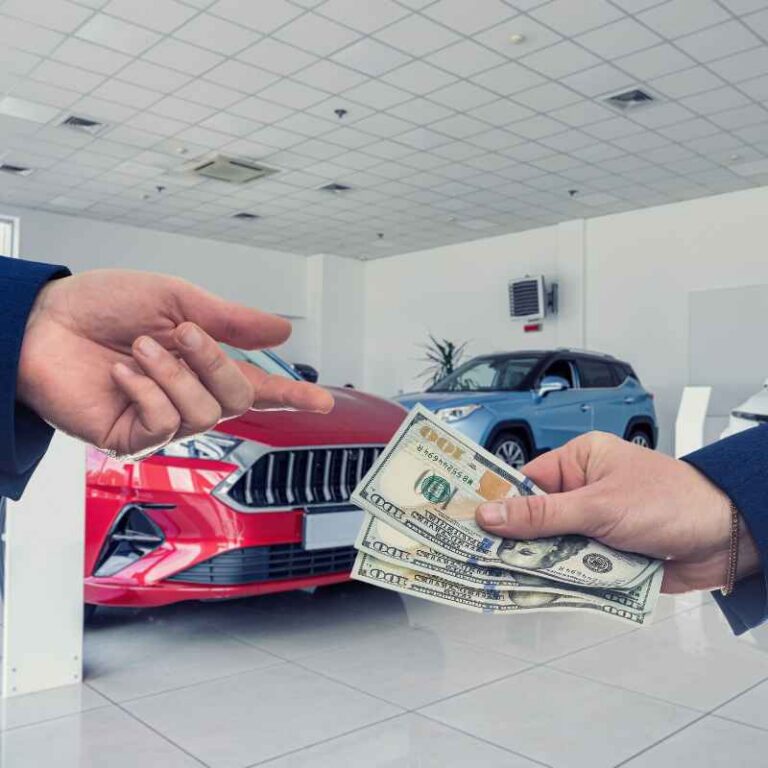
Yes, most car dealerships accept cash, but few will let you walk in and hand over $30,000 in bills for a new car without extra paperwork. Any single cash payment over $10,000 (or a series of related payments that add up to more) triggers a mandatory IRS report, and many dealerships cap how much physical currency they’ll take at the counter for security reasons.
That $10,000 line matters because it is a federal law, not a dealership policy – the dealer has no choice about reporting it once you cross that threshold, and trying to split a large purchase into smaller cash payments to dodge the report is a felony called structuring. Knowing the real rules before you show up saves you an awkward conversation at the finance desk.
This guide covers which payment methods dealerships actually accept, why many salespeople quietly prefer financing over cash, exactly how the IRS reporting rule works (including a nuance about cashier’s checks that most articles skip), what happens when a dealer pays you cash for your car, and safer ways to complete a large purchase without carrying a shoebox of bills.
Which Payment Methods Do Dealerships Actually Accept?
Almost every dealership will take physical cash for a deposit, a down payment, or the “we’ll pay the difference” part of a trade. Where policies diverge is on the full purchase price. Many dealerships set an internal cap – often somewhere between $2,000 and $5,000 in physical bills – above which they’ll ask you to bring a cashier’s check, wire the funds, or arrange financing instead.
That is not the dealership trying to force you into a loan. Handling tens of thousands of dollars in loose bills creates real security and cash-handling problems for a business: it has to be counted, verified, stored in a safe, and deposited, and every one of those steps carries theft and fraud risk that a bank wire or cashier’s check simply does not. Call the dealership’s finance office before you go and ask directly what their cash limit is – policies vary by store, not just by brand.
- Physical cash – usually fine for deposits and smaller amounts; often capped for the full purchase price
- Cashier’s check or bank draft – the most common way to pay the full amount in one visit
- Wire transfer or ACH – increasingly preferred by dealerships for large purchases
- Debit card – usually accepted, sometimes with a processing fee on large amounts
- Credit card – accepted by some dealers, but often capped at a few thousand dollars because of swipe fees
FOR CARRYING A LARGE CASH PAYMENT
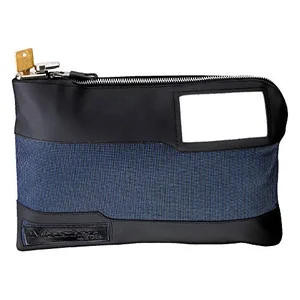 |
Master Lock Money Bag with Key Lock & Zipper – $21.32 If you’re bringing a deposit or down payment in cash, as this guide explains below, carrying it loose in your pocket or a plain envelope is exactly the kind of risk that pushes dealers toward requiring a cashier’s check for larger amounts.
|
Why Many Dealers Prefer Financing Over Cash
Dealers are not being difficult when they steer you toward financing – it’s usually about the money they make behind the scenes. When a dealership arranges your loan through its finance and insurance (F&I) department, it typically marks up the interest rate above what the lender actually requires and keeps the difference, a practice called dealer reserve or dealer participation. On a typical five-year, $25,000 loan, a 2-percentage-point markup can add over $1,000 in profit for the dealership. F&I departments have become one of the most dependable profit centers in the car business, especially as margins on the vehicles themselves have gotten thinner.
Financing also opens the door to add-on products – extended warranties, gap insurance, paint protection – that are usually rolled into the monthly payment and are far easier to sell to a financed buyer than to someone writing a single check. None of this means paying cash is a bad idea; it just explains why a salesperson might ask “are you financing?” before you’ve even discussed the price.
The upside for you as a cash buyer is real leverage. Once financing and its markup are off the table, a dealer negotiating with a buyer who can close the deal today, with no loan approval to wait on, has a strong incentive to move the price. For a deeper walkthrough of using that leverage during the actual negotiation, see our guide on how to pay cash for a car at a dealership.
How Much Cash Can You Pay Before It Gets Reported to the IRS?
Federal law requires any business, including a car dealership, to file IRS Form 8300 whenever it receives more than $10,000 in cash in a single transaction or in a series of related transactions. The dealership must file within 15 days of the payment, and as of January 2024 that filing has to be done electronically. This is not optional and not a judgment call the dealer gets to make – it’s federal anti-money-laundering law, and it applies whether you’re buying a $12,000 used sedan or a $90,000 truck.
What most articles on this topic miss is that “cash” for Form 8300 purposes is broader than paper currency. A cashier’s check, bank draft, traveler’s check, or money order with a face value of $10,000 or less also counts as cash if it’s used in what the IRS calls a “designated reporting transaction,” which specifically includes buying a car. That rule exists precisely to close the loophole of paying with a $9,500 cashier’s check plus a bit of cash to stay under the line – it doesn’t work, and a dealer who knows the rule will still report it.
| Payment Form | Counts as “Cash” for the $10,000 Rule? | Why |
|---|---|---|
| U.S. or foreign currency | Yes | Directly covered by the statute, any amount, single or related payments |
| Cashier’s check, money order, or bank draft, $10,000 or less | Yes, for a car purchase | Treated as cash specifically to stop buyers from splitting payments to avoid reporting |
| Cashier’s check over $10,000 | No | The issuing bank already files its own Currency Transaction Report |
| Personal check | No | Not defined as cash under Form 8300 rules |
| Wire transfer or ACH | No | Not defined as cash under Form 8300 rules |
| Credit or debit card | No | Not defined as cash under Form 8300 rules |
Being reported on Form 8300 does not mean you did anything wrong or that you’ll be audited – it’s a routine filing that happens thousands of times a day at car dealerships, jewelers, and other cash-heavy businesses across the country. The form asks for your name, address, Social Security number or taxpayer ID, and a description of the transaction, so bring a photo ID. What does get flagged is deliberately breaking a payment into smaller pieces to duck the report – that’s called structuring, and it’s a federal crime on its own even if the underlying money is entirely legitimate. If your down payment is genuinely at or near the reporting line, our guide on buying a car with cash without IRS problems walks through documentation that makes the process smoother, not how to avoid the report.
Will a Dealership Pay You Cash When They Buy Your Car?
If you’re selling your car outright or trading it in, expect a check or a direct bank transfer, not a stack of bills. When a dealership makes you an “instant cash offer” for your vehicle, that language describes the type of deal – a straightforward purchase instead of a trade-in credit – rather than literal cash changing hands. Most dealers pay by dealership check or ACH deposit to your bank account within a few business days.
The mechanics are a little different if you’re trading a car that still has a loan on it. Instead of paying you directly, the dealer sends a payoff check to your lender, usually within 10 to 21 days depending on state law, and any remaining equity above your loan balance is what goes to you (again, typically by check, not cash). Follow up with your lender about a week later to confirm the payoff check arrived – delayed or lost payoff checks are a well-documented source of consumer complaints, and you’re still on the hook for the loan until your lender confirms it’s paid off.
Tips for Negotiating When You Are Paying Cash
Cash is a genuine bargaining chip, but only if you use it correctly. The biggest mistake cash buyers make is announcing it too early – once a salesperson knows there’s no financing to negotiate through, they may push harder on the sale price itself to make up the difference. Negotiate the out-the-door price first, as if you were financing, and only reveal that you’re paying cash once you’re close to a number you’d accept.
- Research the car’s fair market value beforehand using pricing tools like Kelley Blue Book or Edmunds so you know what a good number actually looks like
- Negotiate the total price before mentioning your payment method
- Be prepared to walk away – a buyer who can leave without a loan approval hanging over them has more leverage, not less
- Ask directly whether the dealership offers a cash discount, since some do to avoid the cost of arranging financing
- Get everything in writing before you hand over a cashier’s check or wire the funds
Safer Alternatives to Carrying Large Amounts of Cash
For anything beyond a modest deposit, a cashier’s check from your own bank is almost always the better move. It’s treated the same as cash by the dealership for negotiating purposes, it doesn’t require you to physically transport thousands of dollars, and if it’s lost or stolen your bank can usually stop payment and reissue it – something that’s impossible once cash is gone. A wire transfer arranged a day or two in advance works the same way and skips the trip to the bank entirely.
Whichever method you choose, call the dealership’s finance office the day before to confirm exactly what they’ll accept and how they want it presented, so you’re not standing at the counter working it out on the spot. For a full comparison of whether paying in cash is even the right financial move for your situation versus financing, see should you pay cash for a car.

Frequently Asked Questions
Do Car Dealerships Accept Cash for the Full Purchase Price?
Most dealerships accept cash for a deposit or down payment, but many cap how much physical currency they’ll take for the full purchase – often between $2,000 and $5,000 – and ask for a cashier’s check or wire transfer above that. Call the finance office ahead of time to confirm the specific store’s limit.
How Much Cash Can I Pay a Car Dealer Without It Being Reported?
Dealers must file IRS Form 8300 for any cash payment, or related series of payments, over $10,000. This includes cashier’s checks or money orders of $10,000 or less used to pay for the car. It’s a routine federal filing, not a sign of wrongdoing, and it applies no matter which dealership you use.
Do Car Dealerships Prefer Cash or Financing?
Many dealers quietly prefer financing because arranging your loan lets them mark up the interest rate and earn a commission, plus sell add-on products like extended warranties more easily. That said, a cash buyer who’s ready to close the deal on the spot still has real negotiating leverage.
Will a Dealership Pay Me Cash If They Buy My Car?
Almost never in literal cash. Dealerships typically pay by check or direct bank deposit, and if the car being traded still has a loan on it, the dealer sends a payoff check straight to your lender rather than to you.
Can I Use a Cashier’s Check Instead of Cash?
Yes, and most dealerships prefer it for large amounts. A cashier’s check is treated the same as cash for negotiating purposes but is far safer to carry, and it’s still subject to the same $10,000 IRS reporting rule if the amount qualifies.
Is It Illegal to Pay Cash for a Car?
No, paying cash for a car is completely legal. What’s illegal is deliberately breaking a payment into smaller amounts specifically to avoid the $10,000 reporting threshold, a federal crime known as structuring, even if the money itself is entirely legitimate.
Conclusion
Car dealerships do take cash, but the details matter more than the yes-or-no answer. Expect a store-specific limit on how much physical currency they’ll accept for a full purchase, a mandatory IRS Form 8300 filing on any payment over $10,000 (cashier’s checks included), and a dealership that pays you by check rather than cash if they’re the one buying your car. Call ahead, negotiate the price before mentioning your payment method, and consider a cashier’s check for anything beyond a modest deposit – it gives you the same negotiating power as cash with far less risk.
Products related to this article
Sponsored / affiliate links. As an Amazon Associate I earn from qualifying purchases. I may earn additional commission from eligible campaigns.