Do You Need to Plug in a Hybrid Car? Depends on the Type
Standard hybrids never need to be plugged in, but plug-in hybrids should be charged regularly.
Skipping the charge on a plug-in hybrid means you lose its electric-only range and burn more gas. This guide covers the difference between the two hybrid types and how each one charges.
Introduction To Hybrid Cars
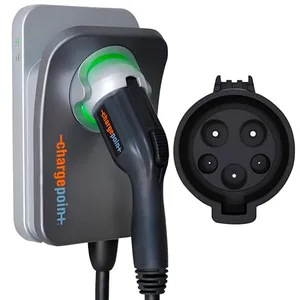
- Best for: Widely used by dealerships and utilities, works with nearly every plug-in hybrid
- Why we picked it: Smart WiFi app lets you schedule off-peak charging
- Main drawback: Needs professional hardwired installation, adding to the total cost
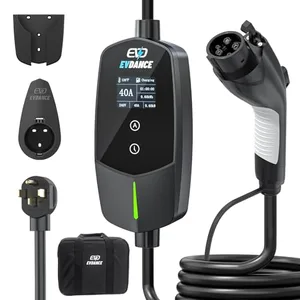
- Best for: Portable plug-in design, no electrician required if you already have a 240V outlet
- Why we picked it: Portable plug-in design, no electrician required if you already have a 240V outlet
- Main drawback: Lower 40A rating charges slower than hardwired units
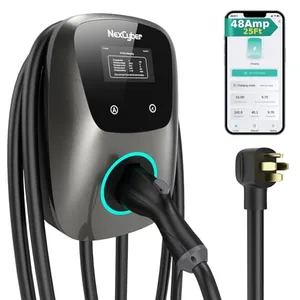
- Best for: WiFi app control and a long 25ft cable reach the outlet from most driveways
- Why we picked it: WiFi app control and a long 25ft cable reach the outlet from most driveways
- Main drawback: Newer brand with a shorter track record than ChargePoint
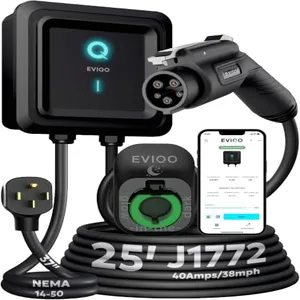
- Best for: Hardwired 40A option charges a plug-in hybrid battery in a few hours overnight
- Why we picked it: Hardwired 40A option charges a plug-in hybrid battery in a few hours overnight
- Main drawback: Installation cost is separate from the unit price
Hybrid cars use two power sources. They combine a gasoline engine with an electric motor. This helps to save fuel. It also reduces emissions. Many people like them for these reasons. They are popular in cities and towns. They are also quiet and smooth to drive.
What Is A Hybrid Car?
A hybrid car uses both gas and electric power. It can switch between the two. This makes it very efficient. It uses less fuel than a regular car. The electric motor helps when extra power is needed. This makes it great for different driving conditions. It is also good for the environment.
Types Of Hybrid Cars
| Type | Description |
|---|---|
| Full Hybrid | Uses both engines together or separately |
| Mild Hybrid | Uses electric motor to assist the gas engine |
| Plug-in Hybrid | Can be charged from an outlet |
How Hybrid Cars Work
Hybrid cars use both gas and electric power. This combination helps save fuel. The gas engine works with an electric motor. They share the work. Sometimes, only the electric motor runs the car. Other times, the gas engine helps. This makes the car more efficient. It uses less fuel and produces fewer emissions. Hybrids are different from fully electric cars. They do not need to be plugged in. They charge their batteries while driving.
Regenerative braking helps charge the car’s battery. When the car slows down, it uses this system. The brakes turn energy into electricity. This electricity goes back into the battery. It helps keep the battery charged. This means the car uses less fuel. It is a smart way to save energy. Hybrids are good for the environment. They use less gas and produce fewer emissions. This makes them a popular choice.
Plug-in Hybrid Vs. Traditional Hybrid
A plug-in hybrid car can be charged with electricity. This is done by plugging it into a power source. A traditional hybrid car charges itself. It uses its own engine and brakes to do this. Plug-in hybrids have larger batteries. This means they can drive further on electric power. Traditional hybrids have smaller batteries. They rely more on their gasoline engine.
| Feature | Plug-in Hybrid | Traditional Hybrid |
|---|---|---|
| Charging | External power source needed | Self-charging |
| Battery Size | Large | Small |
| Electric Range | Longer | Shorter |
| Fuel Dependence | Less | More |
Charging A Plug-in Hybrid
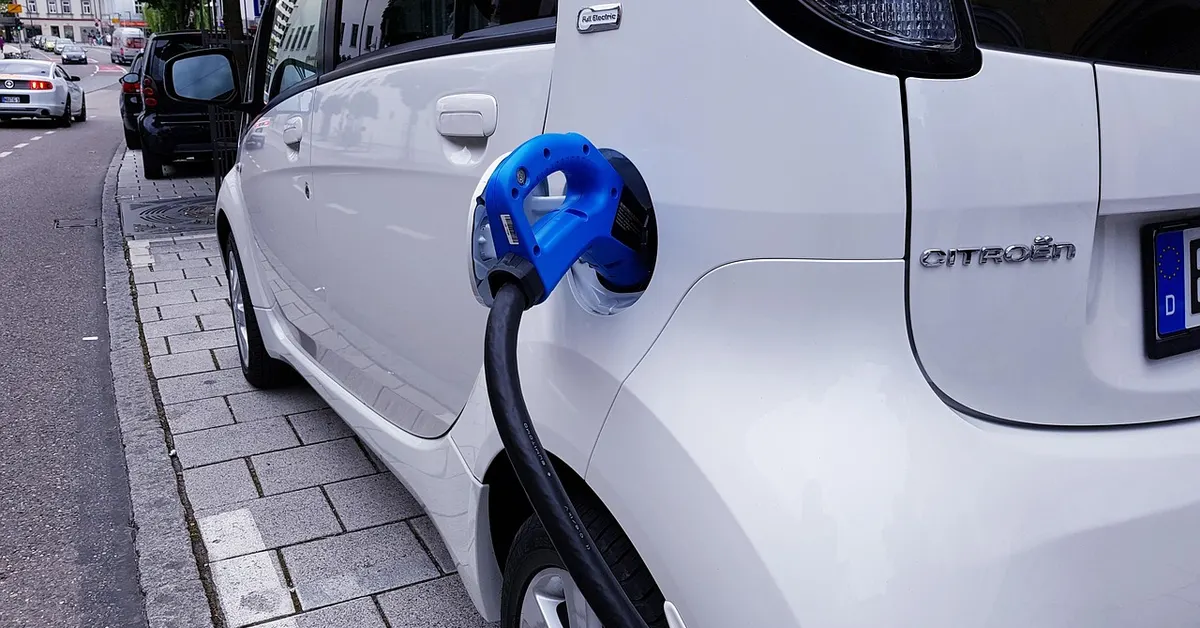
Plug-in hybrids can be charged at home. Use a standard outlet or a special charging unit. Charging at home is easy. It is also convenient. A standard outlet takes longer to charge. A special unit charges faster. Many people install these units at home. They are safe and reliable. They save time too. Charging at home is best for many drivers.
Public charging stations are available in many places. They are in parking lots, malls, and workplaces. These stations are very useful. They charge cars quickly. Some stations are free to use. Others may charge a fee. Many apps help find public stations. These apps show the nearest locations. Charging in public is convenient. It helps on long trips. Always check for nearby stations when planning a trip. This ensures you never run out of power.
Benefits Of Plugging In
Plugging in a hybrid car can give you a longer electric range. This means you can drive more miles on electric power. It helps in reducing fuel consumption. You can avoid using gas for short trips. It makes the car eco-friendly.
Using the electric mode more often can save money on fuel. Electric power is cheaper than gasoline. This also means fewer trips to the gas station. Over time, the savings can be significant. Plugging in your hybrid can save you money.
Potential Drawbacks
Plugging in a hybrid car can be inconvenient for some users. It requires access to a charging station. This may limit flexibility for long trips.
Charging Time
Charging a hybrid car takes time. Electric batteries need hours to charge. Fast chargers can reduce this time. But they are rare. Slow chargers take longer. This can be inconvenient. Planning your trips becomes important. You may need to wait for charging. This can delay your journey. Patience is required when using chargers.
Access To Charging Stations
Charging stations are not everywhere. Some areas have few or none. Finding a station can be hard. Public stations may be busy. You might wait for your turn. Home chargers are an option. But they are costly. Not everyone can afford them. Limited access affects travel plans. It’s a problem for many drivers.
Maintenance And Longevity
Hybrid cars can run without being plugged in, using their gasoline engine and regenerative braking to recharge the battery. Plugging in can increase efficiency and lower fuel costs. Regular maintenance ensures the longevity of both the engine and the battery.
Battery Lifespan
The battery lifespan of a hybrid car is important. Most hybrid batteries last 8 to 10 years. Regular checks help maintain battery health. If you drive often, the battery may degrade faster. Replacement costs can be high. Proper care can extend the battery’s life. Keep an eye on battery performance. Visit a mechanic if you notice issues.
Cost Of Maintenance
Maintenance costs for hybrid cars are usually lower. They have fewer parts than gas cars. Oil changes are less frequent. Brake wear is reduced due to regenerative braking. But, hybrid-specific parts can be expensive. Always follow the service schedule. Regular maintenance prevents costly repairs. Keep your car in good shape for longer life.
Making The Right Choice
Think about how often you drive. Short trips or long drives? Hybrid cars are great for short trips. Electric mode works best for city driving. Gas engine helps on long highways. Consider your daily routes. A hybrid might save you gas money. But, electric cars need charging.
Look at your budget. Hybrid cars can be expensive. But they save on fuel. Electricity costs less than gas. Over time, you might save more. Maintenance is also cheaper. Batteries last long. But they can be costly to replace. Weigh the pros and cons. Think long-term. Make a smart choice.
Future Of Hybrid Technology
Hybrid car batteries are getting better. Newer batteries last longer and charge faster. These improvements help cars run more miles on electric power. Better batteries also mean less time at charging stations. This makes hybrid cars more convenient for daily use. The technology is growing quickly. Soon, hybrids will be even more efficient.
Hybrid cars are changing the auto industry. More people are buying them because they save on fuel. Car makers are now making more hybrids. This shift helps reduce pollution. It also pushes for more research in green tech. The industry is moving towards a greener future. Traditional cars may become less common over time.
Frequently Asked Questions
Do Hybrid Cars Need To Be Plugged In?
Not all hybrid cars need to be plugged in. Only plug-in hybrid vehicles (PHEVs) require charging. Regular hybrids recharge their batteries through regenerative braking.
How Often Should You Charge A Plug-in Hybrid?
The frequency of charging depends on your driving habits. For optimal performance, charge your plug-in hybrid daily if possible. This ensures you maximize electric-only driving.
Can You Drive A Hybrid Without Charging?
Yes, you can drive a hybrid without charging. Regular hybrids and plug-in hybrids will use their gasoline engine when the battery is low or depleted.
What Is The Benefit Of Plugging In A Hybrid?
Plugging in a hybrid allows for extended electric-only driving. This can reduce fuel consumption, save money on gas, and lower emissions.
Conclusion
Plugging in a hybrid car depends on the model. Some hybrids need it. Others charge while driving. Understand your car’s needs. Check the manual. Plugging in can save fuel. It may extend battery life too. Consider your driving habits. Learn about your car.
Make an informed choice. Your car and wallet will thank you.
Products related to this article
Sponsored / affiliate links. As an Amazon Associate I earn from qualifying purchases. I may earn additional commission from eligible campaigns.