Does a Kia Picanto Need Antifreeze
Figuring out car maintenance can sometimes feel tricky, especially for new drivers. You might wonder, Does a 2025 Kia Picanto Need Antifreeze? It sounds like a big question, but don’t worry. We’ll break it down simply.
This guide will show you exactly what you need to know, step by step, so you can take care of your car with confidence. Let’s get started on making this easy.
Understanding Your Kia Picanto’s Cooling System
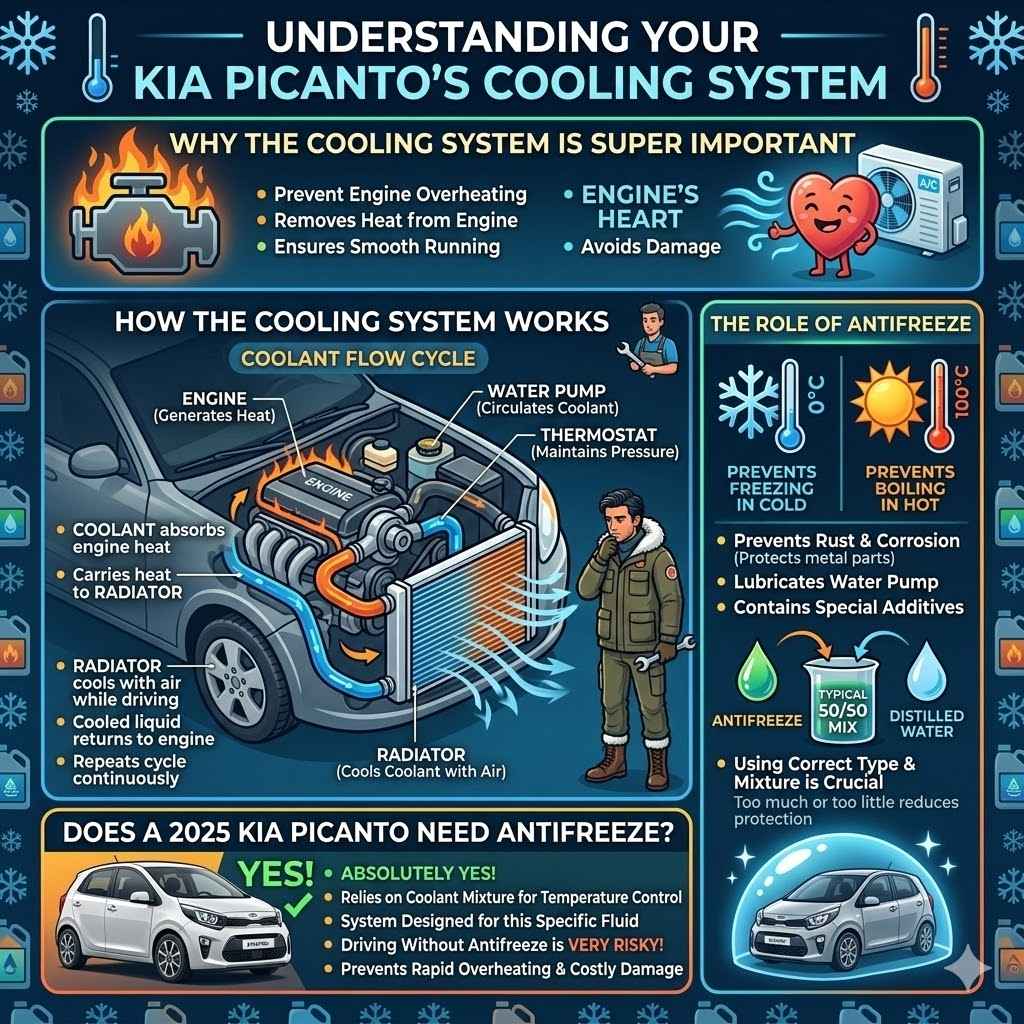
The cooling system in your Kia Picanto is super important. It keeps your engine from getting too hot. Think of it like your car’s air conditioning for its heart.
When the engine runs, it creates a lot of heat. The cooling system works to take that heat away so the engine can keep running smoothly. Without it, the engine could overheat and get damaged.
How the Cooling System Works
The main job of the cooling system is to circulate a special liquid, called coolant or antifreeze, through the engine. This liquid absorbs the heat from the engine. Then, it carries the heat to the radiator, which is usually at the front of the car.
The radiator has fins that help to cool down the liquid with air as you drive. Once cooled, the liquid goes back into the engine to pick up more heat. This cycle keeps happening, regulating the engine’s temperature.
This system has several key parts working together. There’s the coolant itself, which is a mix of antifreeze and water. You also have the water pump, which pushes the coolant around.
The thermostat controls when the coolant flows to the radiator, making sure the engine reaches its ideal working temperature quickly. Hoses connect all these parts, letting the coolant travel where it needs to go. The radiator cap also plays a role, maintaining pressure in the system.
The Role of Antifreeze
Antifreeze is not just a fancy name; it’s a vital component. Its primary function is to prevent the coolant from freezing in cold weather and boiling in hot weather. This dual protection is why it’s often called “antifreeze/coolant.” Water alone would freeze and expand in winter, potentially cracking engine parts.
In summer, water would boil away too easily under the engine’s heat, leaving the engine unprotected.
The chemical makeup of antifreeze also helps to prevent rust and corrosion within the cooling system. Over time, metal parts in the engine and radiator can degrade. The additives in antifreeze create a protective layer on these surfaces.
This keeps your cooling system in good shape for longer. It also helps to lubricate the water pump, ensuring it runs smoothly.
Using the correct type and mixture of antifreeze is crucial. It’s typically a 50/50 mix of antifreeze and distilled water. This ratio provides the best protection against freezing and boiling.
Too much antifreeze can reduce the coolant’s ability to transfer heat. Too little means it won’t protect against extreme temperatures.
Does a 2025 Kia Picanto Need Antifreeze?
Yes, your 2025 Kia Picanto absolutely needs antifreeze. Like almost all modern vehicles, it relies on a coolant mixture to maintain optimal engine temperature. The cooling system is designed to work with this specific type of fluid.
Driving without antifreeze in the system would be very risky.
The engine creates a lot of heat during normal operation. This heat needs to be managed effectively. Antifreeze is the substance that makes this possible, especially under varying weather conditions.
Without it, the engine would overheat quickly. This could lead to severe and costly damage. So, the question isn’t if it needs it, but rather ensuring it’s properly maintained.
Checking and Maintaining Your Antifreeze Levels
Keeping an eye on your antifreeze level is one of the easiest and most important car checks you can do. It doesn’t require special tools and can save you from big problems down the road. Low antifreeze levels are a common issue that can be spotted and fixed quickly.
How to Check the Antifreeze Level
First, make sure your car’s engine is completely cool. Never open the radiator cap when the engine is hot, as the pressurized hot liquid can cause severe burns. Locate the coolant reservoir.
This is usually a translucent plastic tank connected to the radiator by a hose. It will have “MIN” and “MAX” lines marked on it.
Look at the level of the coolant in the reservoir. If it’s below the “MIN” line, you need to add more. If it’s between the “MIN” and “MAX” lines, the level is good.
If it’s above the “MAX” line, it might be overfilled, but usually, this isn’t a major concern unless it’s significantly over. Make sure to check the owner’s manual for the specific location and type of coolant recommended for your Kia Picanto.
When to Add Antifreeze
You should add antifreeze if the level in the reservoir is below the “MIN” mark. It’s also a good idea to top it off if it’s getting close to the minimum line. If you notice the level dropping regularly, it could mean there’s a leak somewhere in the cooling system, which needs to be checked by a mechanic.
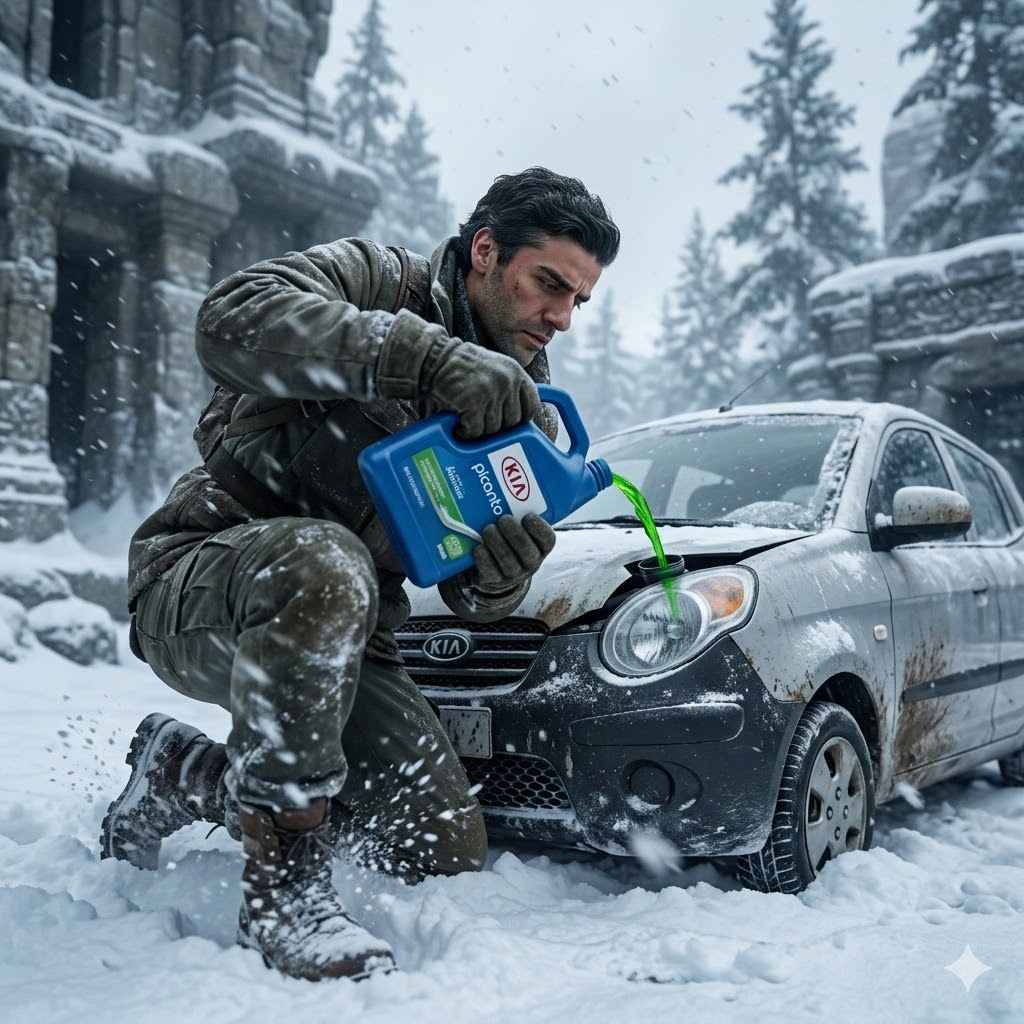
When adding antifreeze, always use the type recommended in your Kia Picanto’s owner’s manual. Usually, this is a 50/50 pre-mixed solution of ethylene glycol antifreeze and distilled water. If you buy concentrated antifreeze, you will need to mix it with distilled water in the correct ratio.
Never use tap water, as its minerals can cause damage to the cooling system over time.
Signs of Low Antifreeze
There are a few signs that might indicate your antifreeze level is low. The most obvious is the temperature gauge on your dashboard rising into the red zone. This means the engine is overheating.
You might also notice a sweet smell coming from under the hood, which can be a sign of a coolant leak. Sometimes, you might see a puddle of brightly colored liquid (coolant is often green, orange, or pink) under your car when it’s parked.
Another sign could be your heater not blowing hot air. The heater core relies on hot coolant to warm the cabin. If there isn’t enough coolant, the heater won’t work effectively.
If you notice any of these symptoms, it’s important to check your antifreeze level immediately. If it’s low, add coolant. If you find a leak, get it repaired promptly.
Importance of the Correct Antifreeze Type
Different car manufacturers use different types of antifreeze. These have different chemical compositions and colors, and they are not always interchangeable. Using the wrong type of antifreeze in your 2025 Kia Picanto can cause serious damage to the cooling system.
It can lead to corrosion, blockages, and component failure.
For your Kia Picanto, it’s crucial to use a long-life coolant that meets Kia’s specifications. This is usually an OAT (Organic Acid Technology) or HOAT (Hybrid Organic Acid Technology) coolant. Always consult your owner’s manual to confirm the exact type and color.
If you’re unsure, ask a qualified mechanic to check for you. Using the correct coolant ensures maximum protection and longevity for your engine.
When to Change Your Antifreeze
Antifreeze doesn’t last forever. Over time, its protective properties break down, and it becomes less effective. Regular changes are necessary to keep your cooling system working optimally and to prevent damage.
Recommended Change Intervals
Your 2025 Kia Picanto’s owner’s manual will specify the recommended antifreeze change interval. Generally, modern long-life coolants can last for many years or miles. For many vehicles, this is around every 5 years or 100,000 miles, whichever comes first.
However, some older vehicles might require more frequent changes, perhaps every 2 years or 30,000 miles.
It’s vital to follow these recommendations. Skipping coolant changes can lead to reduced cooling efficiency and increased risk of corrosion. If you’re unsure about the last time the coolant was changed, it’s best to have it flushed and replaced.
This ensures your engine is protected.
Signs Your Antifreeze Needs Changing
Besides following the recommended schedule, there are visual cues that suggest your antifreeze is due for a change. If the coolant looks dirty, rusty, or has particles floating in it, it’s a sign that it’s no longer effective and may be causing internal corrosion. The color of the coolant can also change over time, becoming dull or cloudy.
Another indicator is if you notice a sweet, syrupy smell more frequently, even when the coolant level appears normal. This can signify that the coolant is degrading or leaking internally. If your car has been running hotter than usual, or if the heater isn’t working as well, old or contaminated coolant could be the culprit.
A mechanic can test the coolant’s condition and pH level to determine if it needs changing.
The Coolant Flush Process
A coolant flush is a service where the old antifreeze is completely drained from the system, and the system is flushed with a cleaning solution. Then, fresh, new antifreeze mixed with distilled water is added. This process removes any rust, scale, or debris that may have accumulated in the radiator, engine block, and hoses.
During a flush, a mechanic will connect specialized equipment to your cooling system. They will run a flushing agent through the system to break down deposits. After the flush, they will drain all the old fluid and the cleaning solution.
Then, they refill the system with the correct type and amount of new coolant. This is a more thorough way to ensure your cooling system is clean and filled with fresh, protective fluid.
Why Regular Changes Matter
Regularly changing your antifreeze is crucial for preventing costly repairs. Old coolant loses its anti-corrosive properties, allowing rust and scale to build up inside the engine and radiator. This buildup can restrict coolant flow, leading to overheating.
Overheating can cause serious damage, such as warped cylinder heads or blown head gaskets.
Furthermore, the freezing and boiling point protection of the antifreeze degrades over time. This leaves your engine vulnerable to freezing in winter or boiling in summer. By adhering to the recommended change intervals, you ensure your engine remains at its optimal operating temperature in all conditions.
This prolongs the life of your engine and its components, saving you money on repairs.
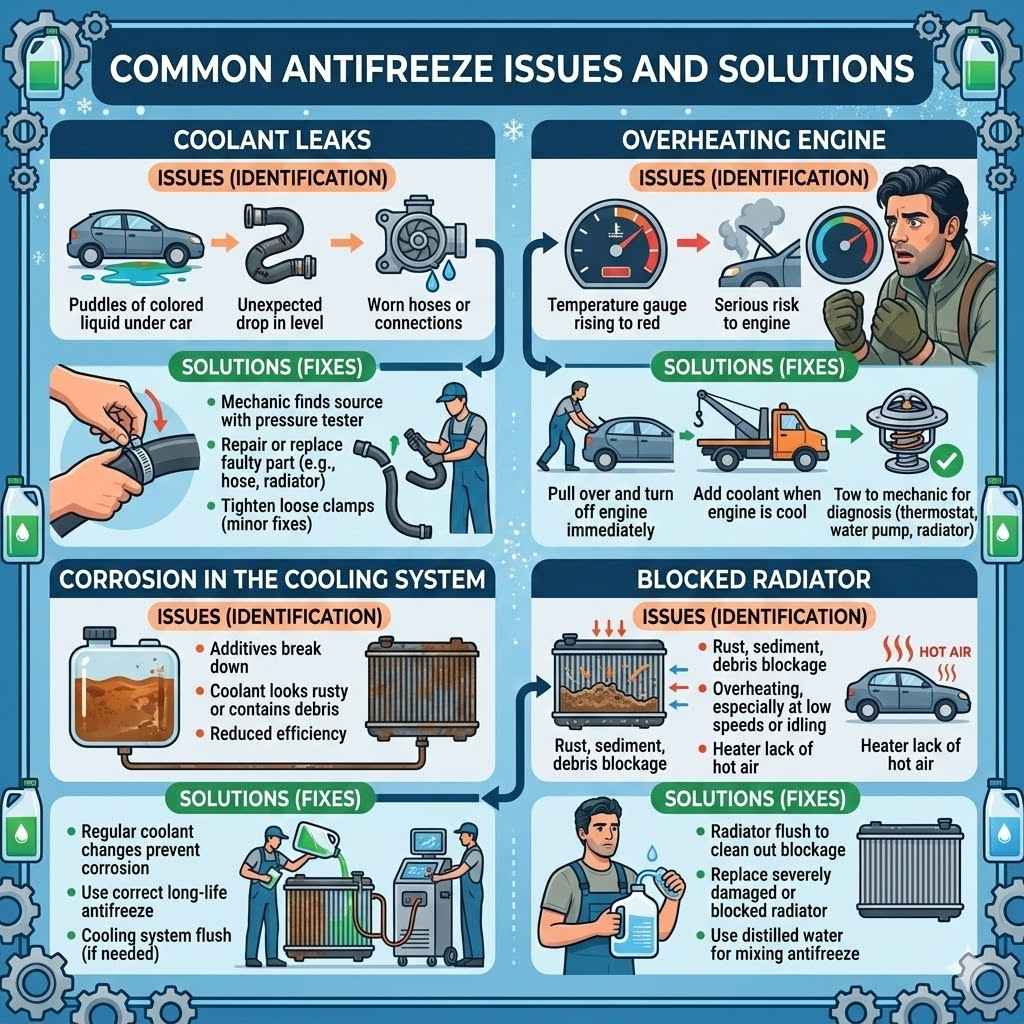
Common Antifreeze Issues and Solutions
Even with regular maintenance, cooling systems can sometimes develop problems. Understanding these common issues can help you identify them early and get them fixed before they cause significant damage.
Coolant Leaks
One of the most frequent problems is a coolant leak. Leaks can occur from various parts of the cooling system, including hoses, the radiator, the water pump, or the heater core. If you see puddles of colored liquid under your car, or if your antifreeze level drops unexpectedly, you likely have a leak.
To find a leak, a mechanic might use a pressure tester on the cooling system. This tool pressurizes the system, forcing any leaks to become more apparent. Once the source of the leak is found, the faulty part will need to be repaired or replaced.
For minor hose leaks, sometimes tightening a clamp can fix it, but often a worn hose needs replacing.
Overheating Engine
An overheating engine is a serious issue. It’s often a symptom of a problem within the cooling system. This could be a coolant leak, a faulty thermostat that isn’t opening, a malfunctioning water pump, or a clogged radiator.
The temperature gauge rising into the red is the most obvious sign.
If your engine starts to overheat, pull over to a safe location and turn off the engine immediately. Do not continue driving, as this can cause severe damage. Once the engine has cooled down, you can check the coolant level.
If it’s low, add coolant if you have it. However, it’s best to have the car towed to a mechanic to diagnose and fix the underlying cause of the overheating.
Corrosion in the Cooling System
Corrosion occurs when the protective additives in the antifreeze break down, allowing the metal components of the cooling system to rust. This can lead to leaks, clogs, and reduced efficiency. If the coolant looks rusty or contains debris, corrosion is likely occurring.
Regular coolant changes are the best way to prevent corrosion. Using the correct type of long-life antifreeze also helps. If corrosion is already present, a mechanic may recommend a thorough cooling system flush.
In severe cases, some components might need to be replaced to prevent further damage.
Blocked Radiator
The radiator can become blocked over time by rust, sediment, or debris. This blockage prevents coolant from flowing freely, reducing the system’s ability to cool the engine. Symptoms include overheating, especially at low speeds or when idling, and a lack of hot air from the heater.
A blocked radiator can sometimes be cleaned with a radiator flush. However, if the blockage is severe or if the radiator is damaged, it may need to be replaced. Ensuring you use clean distilled water when mixing antifreeze and performing regular coolant flushes can help prevent radiator blockages.
Frequently Asked Questions
Question: Can I use plain water in my Kia Picanto’s cooling system?
Answer: No, you should never use plain water in your Kia Picanto’s cooling system. Water alone will freeze in cold temperatures, potentially cracking engine components. It will also boil at a lower temperature than antifreeze, leading to overheating in hot weather.
Only use the specific antifreeze/coolant mixture recommended by Kia.
Question: What color should my Kia Picanto’s antifreeze be?
Answer: The color of antifreeze can vary depending on the type and manufacturer. For Kia vehicles, long-life coolants are often pink, red, or orange. However, the most important thing is to use the type specified in your owner’s manual, regardless of its color.
Do not mix different colors of antifreeze unless specifically advised to do so.
Question: How do I know if my antifreeze is leaking?
Answer: Signs of an antifreeze leak include seeing puddles of colored liquid under your car, noticing a sweet smell coming from your engine, or seeing the coolant level in the reservoir drop over time. Your car’s temperature gauge might also climb into the red zone, indicating overheating due to low coolant.
Question: Is it okay to add a different brand of antifreeze if it’s the same color?
Answer: It is generally not recommended to mix different brands of antifreeze, even if they are the same color. Different brands can have different chemical formulations that may not be compatible. Always refer to your owner’s manual for the specific type and specifications of antifreeze required for your Kia Picanto to avoid potential damage.
Question: How often should I check my antifreeze level?
Answer: It’s a good practice to check your antifreeze level at least once a month, or before any long road trip. You should also check it whenever you notice potential signs of a leak or if your car’s temperature gauge seems higher than usual. Checking when the engine is cool is always important.
Conclusion
Your 2025 Kia Picanto absolutely needs antifreeze to keep its engine running at the right temperature. This vital fluid prevents freezing in winter and boiling in summer. Regularly checking your coolant level and topping it up with the correct type is an easy maintenance task.
Following the recommended service schedule for changing your antifreeze ensures your car’s cooling system remains protected and efficient.