How Does a Car Act With a Blown Head Gasket? Signs and When to Stop
A car with a blown head gasket usually shows some mix of coolant loss with no puddle, overheating, milky oil, white exhaust smoke and a rough-running engine, but not every car shows every sign. The gasket seals oil, coolant and combustion pressure between the engine block and cylinder head, so when it fails those three things start to cross over, and a single symptom on its own is never proof.
Below: each symptom, what else can cause it, how it is confirmed, and when to stop driving. For how long a car can keep running see will a car run with a blown head gasket, and for A/C trouble start with why a car A/C stops working.
Quick Answer
Look for coolant that keeps dropping with no leak under the car, an engine that overheats, milky oil, and white exhaust smoke with a coolant smell. A General Motors service bulletin lists these as conditions a customer “may” notice, “one or more” at a time. Confirm with a combustion-gas test and a compression or cylinder leakage test. If the temperature gauge is in the red, or oil and coolant have mixed, stop driving and have the car towed.
What Is a Head Gasket and Why Does It Matter?
| Best Block Tester Pick | |
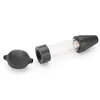 |
OEMTOOLS 27145 Combustion Leak Detector Best for: checking whether combustion gas is getting into the coolant before you pay for a teardown Why we picked it: the Amazon listing says the fluid turns from blue to yellow when a combustion leak is present, it ships in a plastic carrying case, and it was the in-stock buy-box offer at $24.99 when checked on 2026-10-13 Main drawback: it only shows combustion gas in the coolant, so a clean result does not clear the gasket, and the listing does not say how diesel engines change the fluid color, so read the maker’s instructions first |
As an Amazon Associate we earn from qualifying purchases. Spec-based pick from the listing, not a hands-on test.
A head gasket is a thin seal that sits between the engine block and the cylinder head. It has three jobs: keep the combustion pressure in the cylinder, keep engine oil in its passages, and keep coolant in its passages, with none of the three leaking into another. That is why a failure can look so different from car to car. One gasket may let coolant seep into a cylinder, another may let combustion gas push into the cooling system, and another may let oil and coolant touch.
General Motors service bulletin 22-NA-030 (February 2022, 2021 Buick Enclave and Chevrolet Traverse) shows the gasket is only part of the story. It blames an engine block deck out of flatness specification, which gave a poor seal around one cylinder bore, and the correction was replacing the engine assembly. A failed seal can come from a machined surface, not only a worn-out gasket.
How Does a Car Act With a Blown Head Gasket?
That bulletin is a useful checklist because it comes from a maker. For those vehicles it lists overheating with the warning light on, coolant or oil leaking at the head and gasket, discolored, thick, milky coolant or oil, and thick white exhaust smoke with a coolant smell. It introduces them with “one or more”, so you do not need all of them, and missing one does not rule the gasket out.
- Coolant going down with no puddle: it can leave as vapor through the exhaust or move into the oil.
- Overheating: the gauge climbs or the warning light comes on.
- Milky or discolored oil: a thick, milkshake look on the dipstick or under the filler cap points to coolant in the oil.
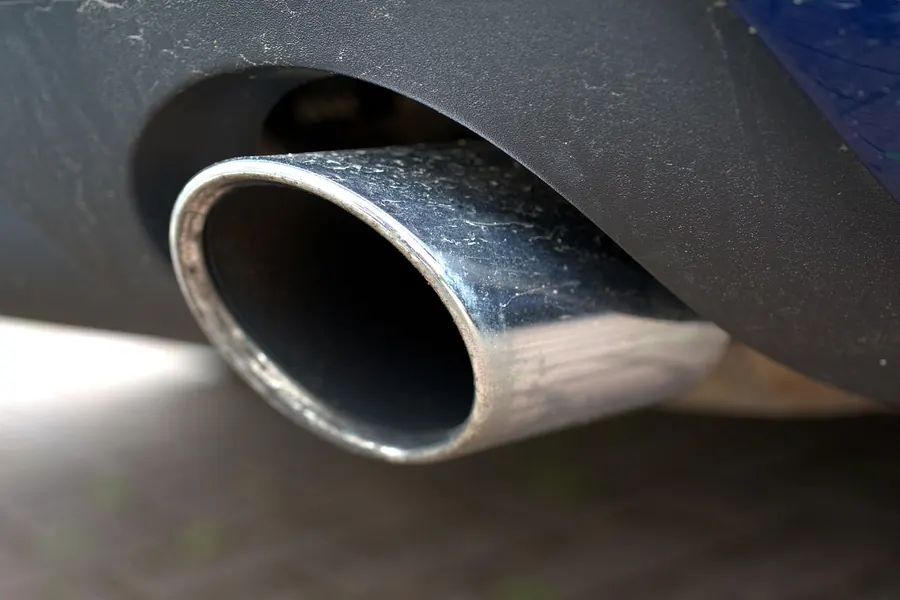
- White exhaust smoke with a coolant smell: thin vapor on a cold morning is normal, thick smoke after warm-up is not.
- Bubbles in the coolant: combustion gas can push into the cooling system.
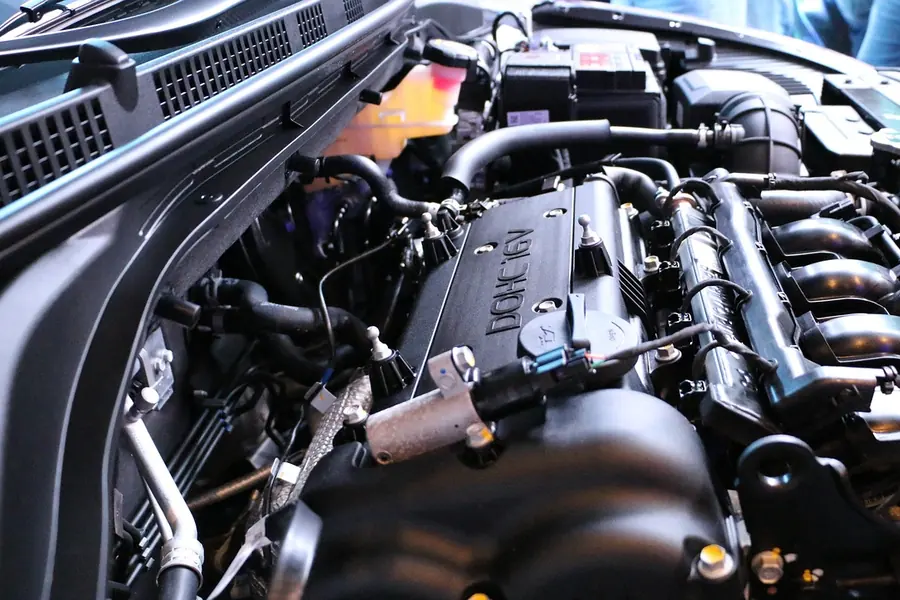
- Misfire or rough idle: coolant or gas in a cylinder can disturb the burn.
One correction: coolant is often called sweet-smelling, but the ATSDR ToxFAQs sheet says ethylene glycol is odorless with a sweet taste. GM says “coolant smell”. Never taste coolant to check.
Symptom, Other Causes and How Each Is Checked
Each sign can also come from something cheaper. The “other causes” column is general mechanical knowledge, not from the GM bulletin, so use it as a rule-out list.
| Symptom | Gasket meaning | Other causes | How it is checked | Who |
|---|---|---|---|---|
| Coolant drops, no puddle | Burned in a cylinder or moved into oil | Hidden hose, radiator or pump leak; bad cap | Pressure test, then combustion-gas test | Pro |
| Overheating | Gas displacing coolant | Low coolant, stuck thermostat, dead fan, weak pump | Cold level check, fan and thermostat checks | Pro |
| Milky oil | Coolant in the oil | Short-trip condensation, cracked head or block | Dipstick, filler cap, shop oil analysis | Pro, do not drive |
| Thick white smoke | Coolant burning | Cold-start vapor, other internal leaks | Smoke after warm-up plus block test | Test: you; repair: pro |
| Bubbles in coolant | Gas in cooling system | Air after a refill, bad cap | Block test on a cold engine | You, per kit |
| Misfire, rough idle | Coolant or gas in a cylinder | Plugs, coils, fuel, vacuum leaks | Misfire codes; compression and leakage tests | Pro |
More on the cooling side: what causes an engine to overheat, overheating with full coolant and why a car blows white smoke.
How to Spot a Blown Head Gasket: Easy Steps
Go from the safest check to the most involved, and stop if something looks serious. Anything touching the cooling system assumes a fully cold engine.
- Track coolant over a week. A steady drop with a dry driveway is the pattern to report to a shop.
- Check the oil on a cold engine. Look at the dipstick and under the filler cap. Milky or discolored oil means coolant may be in it: do not drive the car.
- Watch the exhaust after warm-up. Thick white smoke with a coolant smell that does not clear is the sign GM lists.
- Run a combustion-gas (block) test. Lisle says its fluid changes from blue to yellow when exposed to combustion gases from the radiator. UView says gasoline engines turn blue to yellow and diesels blue to green.
- Ask a shop for the confirming tests. GM names an engine compression test, a cylinder leakage test and a cooling system leak test.
Combustion-Leak Tester Listings Checked Today
A block tester is the one check most owners can run, so here are three listings on Amazon today (2026-10-13, prices from the Amazon Creators API, which change). Notes come from the listing or maker page we read, not hands-on tests.
| Tester | Price today | What the listing or maker page says | Watch for |
|---|---|---|---|
| OEMTOOLS 27145 | $24.99, in stock | Fluid turns blue to yellow when a combustion leak is present; plastic carrying case | No diesel color stated in the listing |
| Lisle 75500 | $32.88, low stock | Checks for combustion leaks from bad head gaskets, cracked blocks and cracked or warped heads; blue to yellow | Tapered end goes in the radiator opening with the engine running, so the cap is off |
| UView 560000 | $66.99, low stock | Dual-chamber design: the first chamber filters alkaline particles that could give a false reading; gasoline blue to yellow, diesel blue to green | Highest price of the four |
These testers work through the radiator or coolant opening. The Nissan Juke owner’s manual says never to remove the radiator cap while the engine is hot because pressurized hot water can spurt out and cause serious injury. Let the car cool fully, then follow your kit’s instructions. If coolant rises or steam appears, stop. For a compression tester see affordable engine compression testers.
Common Causes of a Blown Head Gasket
There is rarely one cause, and only the first below has a source here.
- A machined surface out of specification. GM bulletin 22-NA-030 attributes the symptoms on the listed 2021 vehicles to deck flatness out of specification at cylinder 6.
- Overheating. Most guides name it as the usual cause, but it is also a symptom, so a shop has to work out which came first.
- Neglected or low coolant. See what happens if a car is low on antifreeze.
- A design or production issue. Makers publish service bulletins for specific models; search yours by VIN on the NHTSA website or ask a dealer.
Prevention: check the coolant level when cold, fix small leaks early, and stop at the first overheating warning. The Nissan manual says not to continue driving an overheating vehicle, which could cause engine damage or a vehicle fire.
Can You Drive With a Blown Head Gasket?
Not far, and not at all in two cases. How long an engine survives is covered in will a car run with a blown head gasket; these are the stop lines.
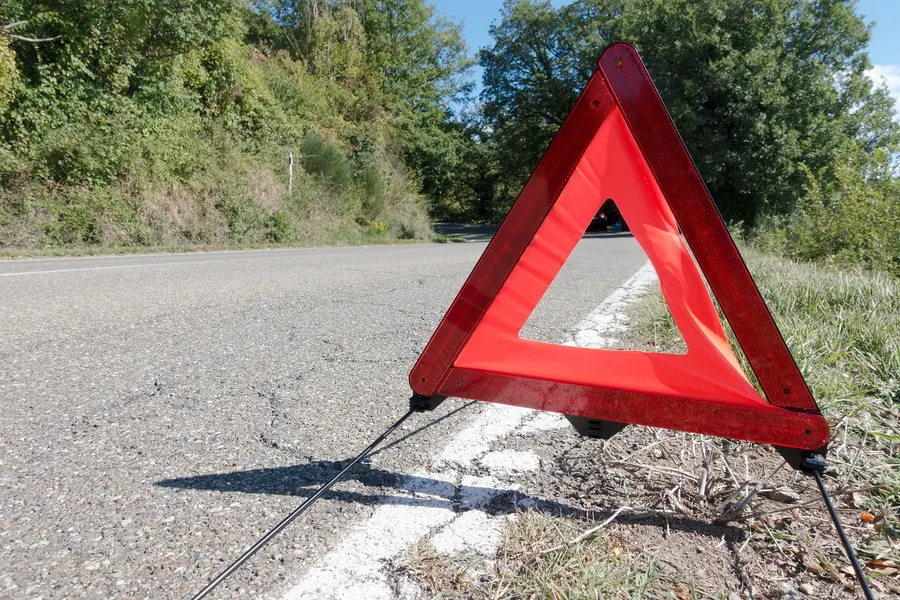
- Gauge in the red or warning light on: move safely off the road and apply the parking brake, then follow your owner’s manual. The Nissan Juke manual says to turn off the A/C, set the heater to hot with the fan high, get out, and look and listen for steam or coolant before opening the hood; if either is escaping, turn the engine off. Manuals differ. If you cannot check yours, or steam is visible, shut the engine off.
- Steam from under the hood: do not open the hood, and stand clear.
- Never open a hot radiator or reservoir cap. Wait until the engine has fully cooled.
- Oil and coolant mixing: do not drive; have it towed. This is our cautious advice, not a quoted manual rule.
- After it cools: the manual says to check the reservoir level and have the car repaired.
For what the heater trick does and does not do, see does turning the heater on help an overheating car.
Coolant Safety: Children, Pets and Spills
A leak can put coolant on the ground and your hands. The ATSDR fact sheet on ethylene glycol says antifreeze is a sweet-tasting, brightly colored liquid that can be swallowed by accident, that large amounts can damage the kidneys, nervous system, lungs and heart, and that early diagnosis and treatment have been very successful.
- Keep antifreeze and drained coolant out of children’s reach, and do not leave open bottles on or near the ground.
- Do not spill or drain it where children can play in a puddle, as ATSDR advises.
- For known or suspected swallowing, get medical attention as soon as possible; ATSDR says tests need to happen within a few hours.
- For a pet that licked a spill, call a veterinarian or animal poison hotline right away. The ATSDR sheet does not cover pets.
Ask the shop or your local hazardous-waste program how to dispose of used coolant. For topping off, see should the car be running when adding coolant.
Do Head Gasket Sealers Work?
We did not read the sealer makers’ pages, so we repeat no claim about how long they hold. The one repair outcome we sourced, the GM bulletin, was replacing the engine assembly, not adding a liquid. Have a shop confirm where the leak is first. See best car head gaskets for sealing for replacement parts.
Repair Costs and What to Expect
We quote no dollar figure because we could not tie one to a named, dated source. Cost depends on the engine and whether the head must be machined or replaced. Ask for a written estimate that separates diagnosis, parts and labor, and ask which of the compression, cylinder leakage and cooling system leak tests confirmed the diagnosis.
Frequently Asked Questions
What Does a Blown Head Gasket Look Like?
You may see thick white exhaust smoke, coolant that keeps dropping, or milky, discolored oil on the dipstick or under the filler cap. Bubbles or oil in the coolant reservoir are other signs. Only a combustion-gas test or compression and cylinder leakage tests confirm it, because each sign has cheaper causes.
Can I Fix a Blown Head Gasket Myself?
An owner can test with a block tester on a cold engine. The repair means removing the cylinder head and checking the mating surfaces, which is professional work. The GM bulletin is written for trained technicians and ends in engine replacement for the vehicles it covers.
How Long Can I Drive With a Blown Head Gasket?
We cannot give a safe distance. If the gauge is in the red or the warning light is on, pull over and stop. If oil and coolant have mixed, do not drive; have the car towed.
Why Does a Head Gasket Blow?
One sourced cause is a block deck out of flatness specification, named in GM bulletin 22-NA-030 for the 2021 vehicles it covers. Overheating is the cause most guides name, and it can also be a result, so a shop must work out which came first.
How Much Does It Cost to Fix a Blown Head Gasket?
We quote no figure because we could not source one. Cost depends on the engine and whether the head needs machining or replacement. Ask for a written estimate that separates diagnosis, parts and labor.
Can a Head Gasket Sealer Really Work?
We did not read the sealer makers’ pages, so we make no claim. In the one repair outcome we sourced, a GM bulletin, the correction was replacing the engine assembly. Have a shop confirm the leak first.
Is Coolant Dangerous to Children and Pets?
Yes. ATSDR says antifreeze is sweet-tasting and brightly colored, and swallowing larger amounts can cause serious illness or death. Keep it out of reach, avoid puddles, and seek medical care at once for known or suspected swallowing. For a pet, call a veterinarian or animal poison hotline.
Conclusion
A blown head gasket is a pattern, not one sign. Rule out cheaper causes with the table, confirm with a combustion-gas test or the compression, cylinder leakage and cooling system leak tests, and follow the stop lines above. Check your owner’s manual first.
Products related to this article
Sponsored / affiliate links. As an Amazon Associate I earn from qualifying purchases. I may earn additional commission from eligible campaigns.