My Cold Morning Wake-Up Call
A few winters ago, I hopped into my Civic on a freezing Chicago morning, teeth chattering, and cranked the AC button, thinking it would warm me up. Nope—just icy air in my face. I felt silly, but it sparked my curiosity about how my car’s heating and cooling system works. I started digging into manuals, talking to my mechanic, and even experimenting with my car’s controls.
Turns out, the AC does play a role in heating, but it’s not as straightforward as I thought. Let me walk you through what I’ve learned so you can avoid my chilly mistake and keep your car comfortable year-round.
How Your Car’s Climate System Works
To understand if your AC helps with heat, let’s start with the basics of your car’s climate system. Your car has two main systems for temperature control: the air conditioning system for cooling and the heater system for warming. They work together to keep you comfortable, and they share some parts, which is where the confusion comes in.
The AC system uses a compressor, condenser, and evaporator to cool air. It pulls warm air from inside or outside the car, removes heat and moisture, and blows cool air through the vents. The heater, on the other hand, uses heat from the engine. Coolant (that antifreeze stuff) absorbs heat from the engine, flows through a heater core (like a mini radiator), and warm air is blown over it into the cabin.
Here’s the key: both systems use the same blower fan and vents. That’s why you might wonder if the AC is involved when you turn on the heat. In some cars, the AC does kick in to help with heating, especially in modern vehicles with automatic climate control. Let’s explore that next.
Does the AC Work for Heat in a Car?
Yes, the AC can play a role in heating your car, but it depends on your car’s setup and how you use the controls. I was surprised to learn this after my Civic experiment. Here’s the deal:
In most cars, when you turn on the heat, the AC stays off. The heater core provides all the warmth by using engine heat. But in certain situations, the AC system helps improve heating or air quality. For example, when you turn on the defroster to clear a foggy windshield, the AC often kicks on automatically. The AC removes moisture from the air, which helps defog the glass faster, even if you’re blasting hot air. I noticed this in my Civic—when I hit the defrost button, I heard the AC compressor click on, and the windshield cleared up quickly.
Some cars, especially newer ones with automatic climate control, use the AC to regulate cabin temperature. If you set the temperature to, say, 70°F, the AC might run briefly to dehumidify the air, making the heat feel more comfortable. My friend’s 2020 Toyota RAV4 does this, and it keeps the cabin cozy without feeling stuffy.
So, while the AC doesn’t create heat, it can work alongside the heater to improve air quality or defog windows. Let’s break down when and why this happens.
When Does the AC Kick In for Heat?
I found a few scenarios where the AC gets involved with heating:
Defrosting Windows
Foggy windows are a pain, especially in cold or humid weather. When you turn on the front or rear defroster, the AC often activates to dry the air. Dry air clears condensation faster than warm air alone. In my Civic, I noticed the AC light comes on with the defrost setting, and my windshield clears in minutes.
Automatic Climate Control
If your car has automatic climate control, you set a temperature, and the system decides how to get there. I borrowed my cousin’s Audi Q5, which has this feature. When I set it to 72°F, the AC sometimes ran to remove humidity, making the warm air feel crisp. This is common in newer cars like Audis, BMWs, or Hondas from the last few years.
Max A/C with Heat
Some cars let you turn on the AC while using the heater manually. I tried this in my Civic by pressing the AC button and turning the temperature dial to hot. It dehumidified the air, which was great during rainy weather, but it used more fuel since the AC compressor was running.
Electric and Hybrid Vehicles
Electric cars like Teslas or hybrids like the Prius are different. They often use a heat pump, which is part of the AC system, to generate heat. My neighbor’s Tesla Model 3 uses its AC system to both cool and heat the cabin, which is super efficient but relies on the AC compressor working overtime.
Here’s a quick table to summarize:
| Situation | Does AC Kick In? | Why It Happens |
|---|---|---|
| Defrosting Windows | Yes | Removes moisture to clear fog faster |
| Automatic Climate Control | Sometimes | Dehumidifies air for consistent comfort |
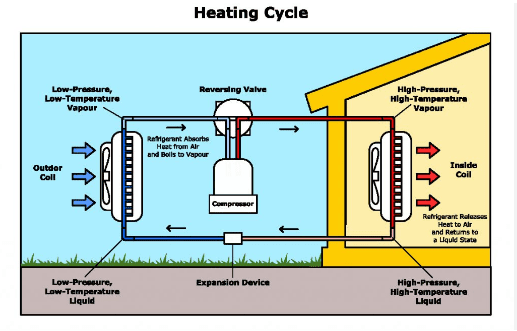
| Max A/C with Heat | Yes, if you choose | A heat pump uses AC system to generate heat |
| Electric/Hybrid Vehicles | Yes | A heat pump uses an AC system to generate heat |
Why Your AC Might Not Help with Heat
Sometimes, the AC doesn’t seem to help when you’re trying to warm up. I ran into this with my Civic during a cold snap. Here’s why it might happen:
Low Coolant Levels
Your heater relies on engine coolant to produce warm air. If the coolant is low, you won’t get much heat, and the AC won’t make a difference. I checked my Civic’s coolant reservoir after a chilly drive and found it was almost empty. Topping it off fixed the heat.
Faulty Heater Core
The heater core can clog or fail, stopping warm air from reaching the cabin. My friend’s Chevy Malibu had this issue, and no amount of AC fiddling helped. A mechanic replaced the heater core for $500.
Broken AC Compressor
If the AC is supposed to kick in (like for defrosting) but doesn’t, the compressor might be faulty. I heard a weird clicking noise in my Civic when the AC was off, and my mechanic said the compressor clutch was worn. It cost $300 to fix.
Climate Control Malfunctions
In cars with automatic climate control, a glitchy system might not use the AC correctly. My cousin’s Audi had a sensor issue that made the AC run too much, even when heating. A dealer reset fixed it for $150.
Cold Engine
Your heater needs a warm engine to work. If you just started the car, it takes a few minutes for the coolant to heat up. I learned to let my Civic idle for 5–10 minutes in winter before expecting warm air.
How to Use Your Car’s AC and Heat Effectively
After figuring out how the AC and heater work together, I came up with some tips to stay comfortable:
Use Defrost Wisely
Turn on the front or rear defroster to clear foggy windows. The AC will likely kick in, which is normal. I aim the vents at the windshield and set the temperature to warm for best results.
Set Automatic Climate Control
If your car has it, set a comfortable temperature (like 68–72°F) and let the system handle the rest. My friend’s RAV4 keeps the cabin perfect without me touching the AC or heat buttons.
Avoid Max A/C Unless Needed
Running the AC with heat uses more fuel. I only use it in humid weather to keep the air dry. Otherwise, I stick to the heater alone.
Check Coolant Regularly
Low coolant was my Civic’s problem. I check the reservoir monthly (it’s that plastic tank under the hood) to make sure it’s between the “MIN” and “MAX” lines.
Keep Vents Clear
Make sure nothing blocks your vents, like bags or coats. I once had a scarf blocking a vent, and it made the heat uneven.
Warm Up the Engine
Let your car idle for a few minutes in cold weather. I give my Civic 5 minutes on freezing days to get the heater going strong.
Troubleshooting Heat Issues in Your Car
If your car isn’t heating up, the AC might not be the issue. Here’s how I troubleshoot:
Check the Coolant
Pop the hood when the engine is cool and look at the coolant reservoir. If it’s low, top it off with the right coolant (check your manual). I used a 50/50 antifreeze mix for my Civic, costing $15.
Test the Heater
Turn the temperature to max heat and the fan to high. If you get cold air after 10 minutes, the heater core or thermostat might be faulty. My friend’s Malibu needed a $200 thermostat replacement to fix this.
Listen for the AC Compressor
If you’re using defrost and the AC light is on but you don’t hear a faint click (the compressor engaging), it might be broken. I had a mechanic check my Civic’s compressor when it failed.
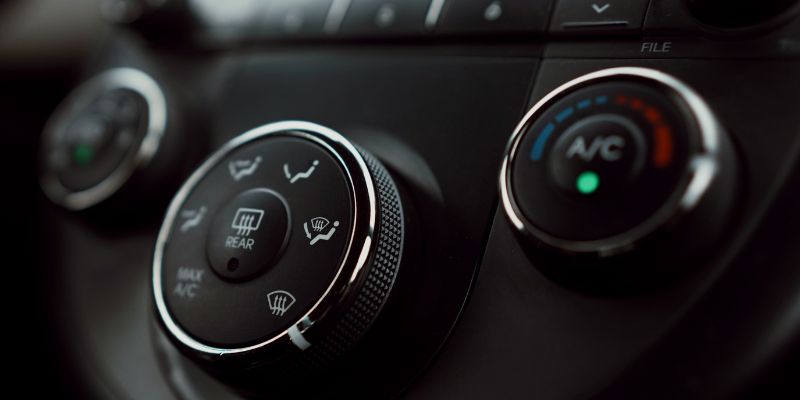
Inspect the Climate Controls
If buttons or dials aren’t responding, the climate control system might need a reset or repair. My cousin’s Audi dealer fixed a glitch for $150.
Look for Leaks
A coolant leak can stop your heater. Check for puddles under your car or a sweet smell. I found a small hose leak in my Civic, fixed for $50.
Costs of Fixing Heat or AC Issues
Here’s what I’ve spent or seen others pay for related fixes:
- Coolant Top-Off: $10–$20 for a gallon of antifreeze.
- Thermostat Replacement: $100–$300, including labor.
- Heater Core Repair: $300–$800, depending on the car.
- AC Compressor Fix: $200–$600, as it’s complex.
- Climate Control Repair: $100–$400 for sensors or resets.
DIY coolant top-offs are cheap, but heater core or AC repairs need a pro.
What Other Drivers Say
I poked around forums like Reddit and CarTalk to see what others experienced. Many drivers were confused, like me, thinking the AC would heat the car. One user said their Ford F-150’s defroster worked better with the AC on, clearing fog in minutes. Another had a Prius where the heat pump (part of the AC system) kept the cabin toasty. Some complained about weak heat due to low coolant or clogged heater cores, echoing my Civic’s issues. The advice? Checkthe coolant first and don’t ignore warning signs like fogged windows or cold air.
Heat and AC Across Car Brands
From my research, AC and heat behavior vary:
- Honda/Toyota: Simple systems where AC helps with defrost but isn’t needed for heat. My Civic is like this.
- Ford/Chevy: Similar to Honda, but older models may have weaker heater cores.
- Luxury Brands (Audi, BMW): Advanced climate control uses AC more often for dehumidifying.
- Electric Vehicles (Tesla, Nissan Leaf): Heat pumps rely on the AC system for both heating and cooling.
Check your car’s manual for specific controls and quirks.
Tips for a Comfortable Cabin
Here’s what I do to stay cozy:
- Use Defrost for Fog: Clears windows fast with AC assistance.
- Set a Consistent Temperature: Automatic climate control makes it easy.
- Check Coolant Monthly: Prevents heat loss and engine damage.
- Clean Vents: Dust can block airflow, so vacuum vents yearly.
- Warm Up in Winter: Idle for 5–10 minutes to get heat flowing.
- Avoid Overusing AC: Saves fuel when heating isn’t needed.
My Final Thoughts
Figuring out whether the AC works for heat in a car was an eye-opener for me. That freezing morning in my Civic taught me the AC isn’t about heating but plays a supporting role, like clearing foggy windows or keeping air crisp in modern cars. Your heater does the heavy lifting with engine heat, while the AC helps in specific situations like defrosting or climate control. By checking coolant, using controls wisely, and watching for issues, you can keep your car cozy no matter the weather.
I hope my experience helps you avoid cold drives and stay comfortable on the road. Next time you’re shivering, you’ll know exactly what to do!
FAQs
Does my car’s AC produce heat?
No, the AC cools air, but it can work with the heater to dehumidify air or clear foggy windows, especially in defrost mode.
Why does my car’s heat feel weak?
Low coolant, a clogged heater core, or a faulty thermostat could be the issue. Check the coolant first, then consult a mechanic.
Should I turn on the AC when using the heater?
Usually, no—it uses extra fuel. But for defrosting or in cars with automatic climate control, the AC might kick in automatically.
Why does my defroster use the AC?
The AC removes moisture from the air, which clears condensation on windows faster when paired with warm air.
Can low coolant stop my heater from working?
Yes, the heater needs coolant to produce warm air. Check your reservoir and top it off if it’s below the “MIN” line.
How much does it cost to fix a car’s heater?
Coolant top-offs are $10–$20. Thermostat or heater core repairs range from $100–$800, depending on the issue and car model.