Does Bologna Take Paint Off Cars? The Shocking Truth
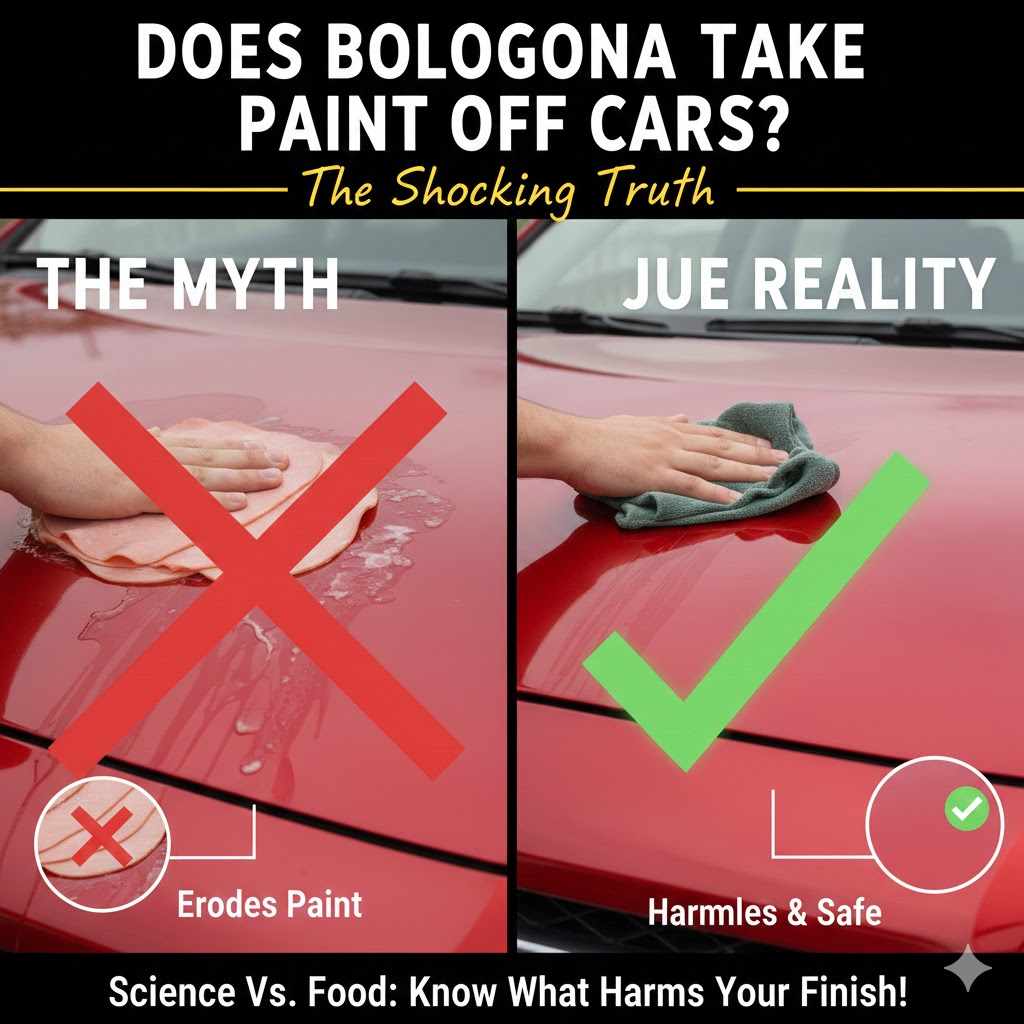
Yes, bologna can seriously damage and take paint off cars. The acids, salts, and fats in the meat break down your car’s protective clear coat. When baked in the sun, the damage happens faster, leading to permanent staining, etching, and even paint failure if not removed quickly and correctly.
It sounds like a silly prank, right? Someone slaps a slice of bologna on a car as a joke. But if you’re the car owner, it’s not funny at all. You’re left wondering if this strange situation can actually harm your vehicle. Can a simple piece of lunch meat really ruin your expensive paint job? The answer is a surprising and firm yes.
Don’t worry, though. If you’ve found a meaty surprise on your hood or door, you’ve come to the right place. I’m Md Meraj, and I’m here to guide you through this weirdly specific car problem. We’ll look at exactly why bologna is so bad for your paint and, most importantly, I’ll give you a simple, step-by-step plan to safely clean it off and protect your car. Let’s get this sorted out.
What’s the Story Behind the Bologna Prank?
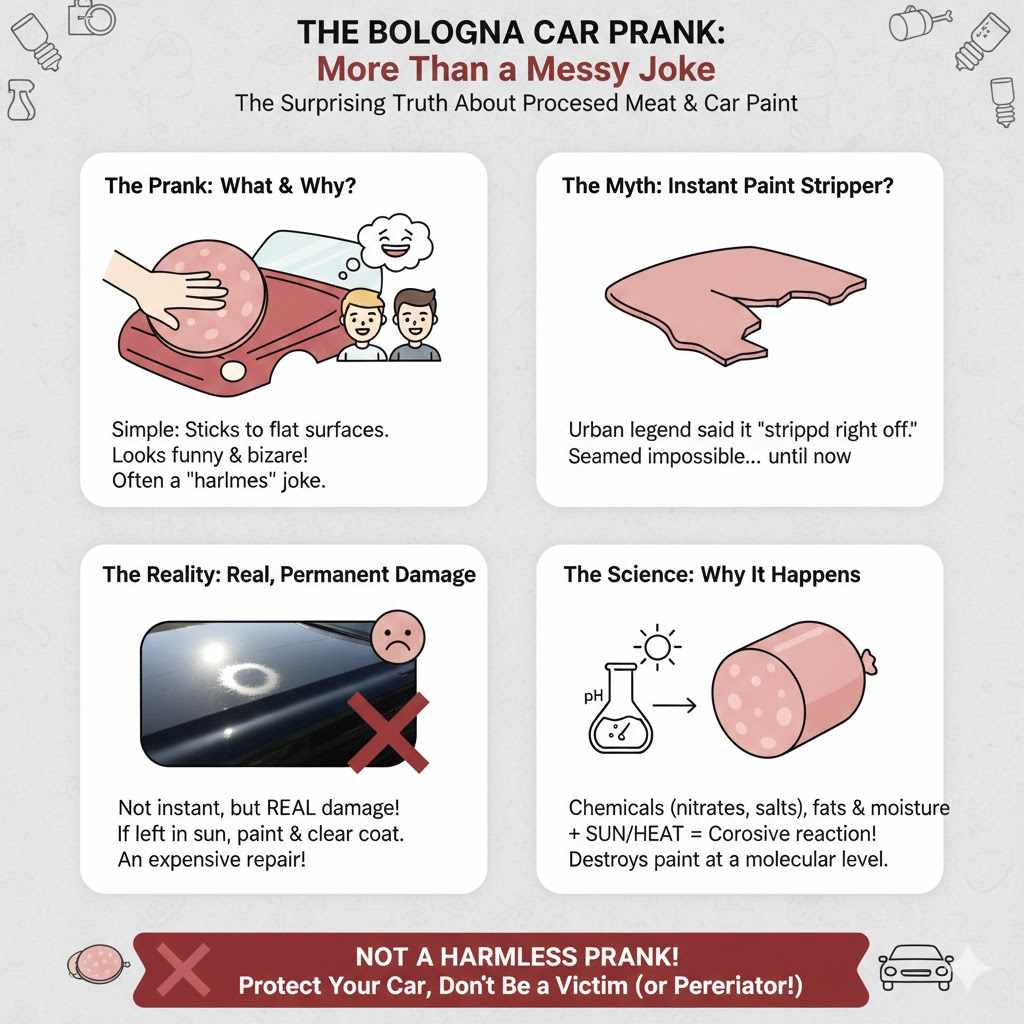
The “bologna on a car” prank is a strange bit of automotive folklore that has been around for decades. It’s often passed down as a harmless high school prank, something silly to do to a friend’s car or a rival school’s mascot statue. The idea is simple: the floppy, round slice of lunch meat sticks surprisingly well to a flat surface, making for a funny and bizarre sight.
Most people who do this prank probably think it’s just a messy inconvenience. They assume the owner will just peel it off and wash the spot, no harm done. The legend often includes the myth that bologna can strip paint right off, a tale told to scare new drivers or add a little edge to the prank. For a long time, many people dismissed this as an urban legend. How could a sandwich ingredient possibly compete with durable automotive paint?
However, as many unfortunate car owners have discovered, there’s a shocking amount of truth to the legend. While it won’t instantly peel paint off like a chemical stripper, the damage it causes is real, significant, and can be permanent if ignored. The combination of ingredients in this processed meat creates a perfect storm for paint destruction, turning a foolish joke into a potentially expensive repair.
The Science: Why Bologna is a Threat to Your Car’s Paint
To understand why bologna is so destructive, we need to look at what’s inside it and how those ingredients react with your car’s paint. Your car’s paint isn’t just a single layer of color. It’s a multi-layer system, with the most important protective layer being the clear coat on top. This clear coat is what gives your car its shine and protects the colored paint underneath from sun, rain, and scratches. Bologna attacks this crucial defensive layer.
Here’s a breakdown of the culprits:
- Acids: Processed meats like bologna contain various acids. These come from preservatives like sodium nitrite and spices used for flavoring. These acids are the primary villain. Just like acidic bird droppings or bug guts, they slowly eat away at the clear coat. This process is called “etching.” It creates tiny microscopic divots in the surface, which ruins the smooth, glossy finish and makes the paint look dull and cloudy.
- Fats and Oils: Bologna is a fatty meat. The oils and animal fats in the slice can seep into the pores of your car’s clear coat. Over time, these oils can soften and weaken the protective layer, making it more vulnerable to other types of damage. When heated by the sun, these oils can polymerize, essentially turning into a sticky, varnish-like substance that is very difficult to remove.
- Salts: Bologna is high in sodium. Salt is famously corrosive. While the salt itself might not directly eat the paint, if the acids have already etched the clear coat, the salt can then get to the layers underneath. If it reaches the metal body of the car, it can accelerate the formation of rust.
- Sunlight (The Catalyst): This is the factor that turns a minor issue into a major problem. When the sun beats down on a car with a slice of bologna on it, it’s like putting it in an oven. The heat bakes the acids, fats, and salts directly into the paint. This dramatically speeds up the chemical reactions, causing the etching and staining to happen in a matter of hours instead of days.
Think of it like this: leaving a slice of bologna on your car is like leaving a small, greasy, acidic sponge on the paint and then putting it under a heat lamp. The combination is a recipe for disaster for your car’s finish.
The Stages of Bologna-Induced Paint Damage
The damage from bologna doesn’t happen all at once. It progresses through several stages, and the speed of this progression depends heavily on factors like temperature, sunlight, and how long the meat is left on the car. Understanding these stages can help you know what to expect and why acting fast is so important.
| Stage & Timeframe | What’s Happening | Visible Signs |
|---|---|---|
| Stage 1: The First Few Hours | The oils and moisture from the bologna start to soak into the very top layer of the clear coat. Mild acids begin to soften the surface. | A greasy, pinkish or reddish ring or stain. The stain might seem superficial and easy to wipe away. The paint might still feel smooth. |
| Stage 2: 24-48 Hours | The acids have now had time to work, creating microscopic etching in the clear coat. The fats have penetrated deeper, and if exposed to sun, they have started to “bake” into the paint. | The stain is darker and more defined. The area might feel slightly rough or tacky to the touch. The paint’s reflection may look distorted or dull in that spot. |
| Stage 3: A Week or More | The damage is now severe. The clear coat has been permanently etched and may have failed completely in that spot, exposing the color coat underneath. The pigments in the bologna have caused deep, permanent staining. | A very dull, cloudy, or hazy circle that won’t wash off. You may see a clear outline of where the bologna was. In extreme cases, the clear coat might look like it’s peeling or flaking. |
As you can see, time is your biggest enemy. What starts as a simple cleaning job can quickly become a task that requires professional paint correction or even a repaint of the panel if left for too long.
How to Safely Remove Bologna From Your Car: A Step-by-Step Guide
Okay, you’ve found the bologna. Your first instinct might be to panic and scrape it off, but that’s the worst thing you can do. Take a deep breath. We can handle this with the right tools and a gentle approach. The goal is to lift the residue off the paint, not scrub it in.
Before You Start: Gather Your Supplies
Having the right tools on hand will make this job easier and safer for your paint. You probably have most of these already.
- A bucket of clean water: You’ll need plenty of water to rinse the area.
- A hose with a gentle spray nozzle (if available): This is the best way to rinse the area without applying too much pressure.
- High-quality automotive car wash soap: Do NOT use dish soap. Car wash soap is designed to be gentle on your car’s paint and wax.
- Several clean, soft microfiber towels: You’ll need one for washing, one for drying, and a few extras. Microfiber is essential because it traps dirt without scratching the paint.
- A dedicated bug and tar remover (optional but helpful): If a greasy residue remains after washing, this is your next step.
- A detailing clay bar kit (optional, for advanced residue): This is for removing embedded contaminants that washing can’t handle.
- A quality car polish and wax: You’ll need this last step to restore shine and protect the paint.
Step 1: Act Quickly, but Gently
The sooner you can get to it, the better. If the bologna is still moist, the job will be much easier. Do not try to peel or scrape it if it’s dried and baked on. This will almost certainly scratch your paint. Your goal is to rehydrate it first.
Step 2: Rinse the Area Thoroughly
Using your hose on a gentle setting, or by pouring water from your bucket, thoroughly soak the bologna and the area around it. Let the water run over it for a few minutes. This will help to soften the meat and loosen its grip on the paint. If it’s very stuck, you can lay a microfiber towel soaked in warm (not hot) water over the spot for 5-10 minutes to help rehydrate it.
Step 3: Use a Gentle Car Wash Solution
Mix your car wash soap with water in your bucket according to the product’s directions. Soak a clean microfiber towel in the soapy water. Gently lay the soapy towel over the bologna residue. Don’t scrub yet. Let the soap solution work for a minute to break down the oils. Then, using very light pressure, gently wipe the area. The bologna should slide off. Rinse the area immediately with clean water.
Step 4: Deal with Stubborn Residue
After washing, you might still see a greasy film or a faint pink ring. This is where a specialized cleaner comes in. Spray a small amount of bug and tar remover onto a clean microfiber towel (not directly onto the paint). Gently wipe the stained area. The solvents in the remover are designed to break down oils and proteins without harming your paint. Once the residue is gone, wash the area again with your car soap to remove any leftover chemicals from the remover.
For more information on car care products, the Federal Trade Commission (FTC) provides guidance on evaluating product claims to help you choose wisely.
Step 5: Inspect for Damage
Dry the area completely with a clean, dry microfiber towel. Now, look at the paint from different angles under good light. Are you seeing a dull spot? Does the reflection look hazy or distorted compared to the surrounding paint? If so, you’re seeing acid etching. Don’t panic; light etching can often be fixed.
Step 6: Polish and Protect
If you have light etching, a quality automotive polish can fix it. Polish contains very fine abrasives that gently level the clear coat, removing the microscopic scratches and dullness. Apply a small amount of polish to a foam applicator pad and work it into the affected area in small, circular motions. Wipe away the residue with a clean microfiber towel. The shine should be restored.
Finally, and this is a crucial step, you must protect the area. Polishing removes any wax or sealant that was there. Apply a thin layer of car wax or paint sealant to the area to protect it from future damage. This creates a barrier between the elements and your clear coat.
What NOT to Do When Removing Bologna
Just as important as knowing what to do is knowing what to avoid. Using the wrong tools or chemicals can turn a minor problem into a major one. Here is a clear comparison of safe versus harmful methods.
| The Right Way (Safe for Paint) ✅ | The Wrong Way (Damages Paint) ❌ |
|---|---|
| Use plenty of water to soak and soften the residue. | Scrape or peel the dried bologna off with your fingernails or a sharp object. |
| Use pH-neutral automotive car wash soap. | Use household cleaners like dish soap, Windex, or all-purpose cleaner. These can strip wax and dry out the paint. |
| Use soft, clean microfiber towels. | Use abrasive materials like paper towels, kitchen sponges, or old t-shirts, which can cause swirl marks and scratches. |
| Use a dedicated bug and tar remover for greasy residue. | Use harsh solvents like gasoline, acetone, or rubbing alcohol. These can melt or permanently damage the clear coat. |
| Gently wipe and blot the area. | Scrub aggressively back and forth. This grinds any remaining particles into the paint. |
When is the Damage Too Severe for a DIY Fix?
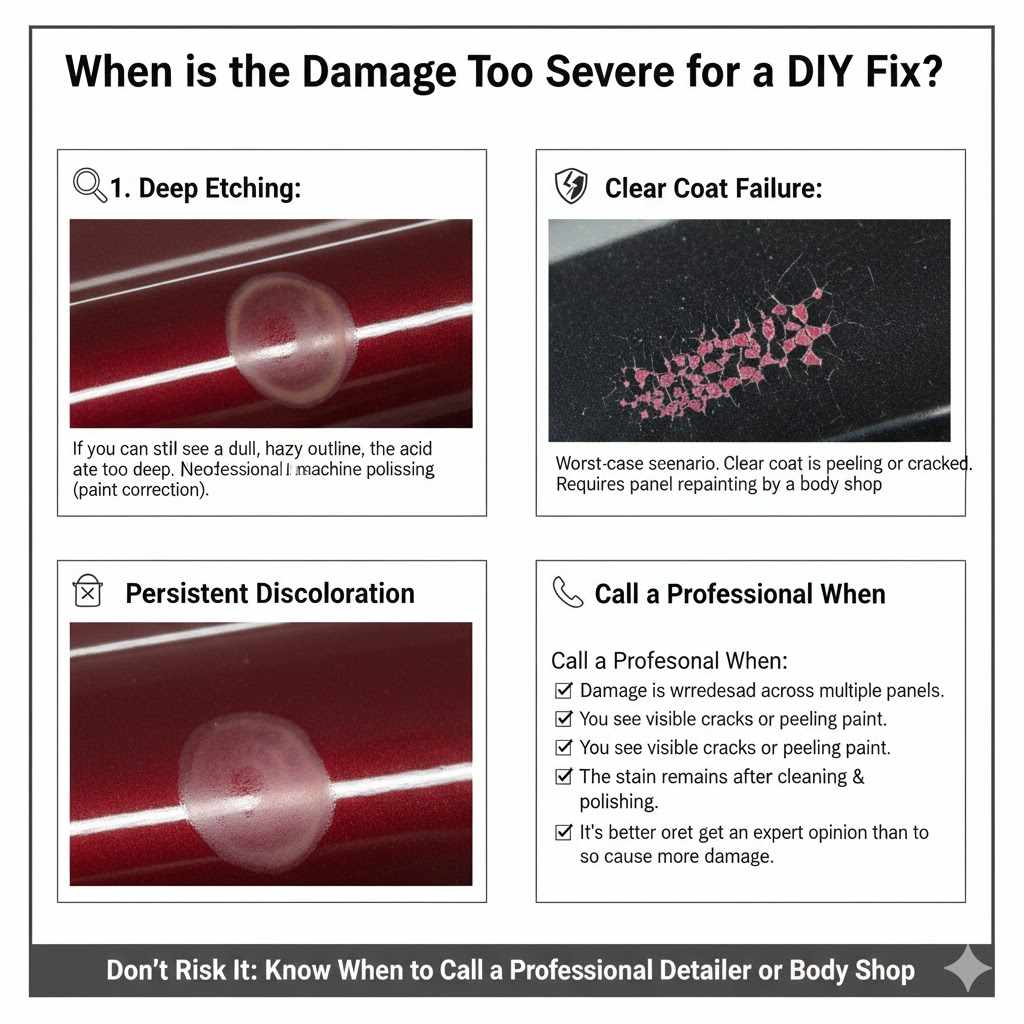
Sometimes, the damage is just too much to handle at home, especially if the bologna was left on for a long time in the hot sun. You need to know when to stop and call in a professional car detailer or a body shop. Trying to fix severe damage yourself without the right tools and experience can make things worse.
Call a professional if you see:
- Deep Etching: If you’ve washed and polished the area but can still clearly see a dull, hazy outline of the bologna, the acid has eaten too deep into the clear coat. This may require professional machine polishing (paint correction) to fix.
- Clear Coat Failure: This is the worst-case scenario. If the clear coat looks like it is peeling, flaking, or has a cracked texture, it has failed. The only fix for this is to have the panel sanded down and repainted by a body shop.
- Persistent Discoloration: If the pink or red stain from the bologna’s dyes won’t come out even after using a bug and tar remover and polish, it has penetrated deep into the paint. A professional may have more advanced techniques, but this can also sometimes require a repaint.
It’s always better to get a professional opinion than to risk causing more damage. A good detailer can assess the spot and tell you what your options are.
Frequently Asked Questions (FAQ)
1. Can other lunch meats damage car paint?
Yes, absolutely. Any processed meat like salami, pepperoni, or ham can cause similar damage. They all contain a mixture of acids, fats, and salts that are harmful to your car’s clear coat. The general rule is if it’s not supposed to be on your car, clean it off as soon as possible.
2. How long does it take for bologna to damage paint?
Damage can begin in just a few hours, especially on a hot, sunny day. Noticeable staining can appear in under 24 hours, and permanent etching can occur within 48-72 hours. The hotter the weather, the faster the chemical reactions will occur and cause damage.
3. Will car insurance cover damage from a bologna prank?
Maybe. This type of damage would typically fall under the “vandalism” section of your comprehensive insurance coverage. However, whether it’s worth filing a claim depends on the cost of the repair versus your deductible. For minor damage that a detailer can fix for a couple of hundred dollars, it may be cheaper to pay out-of-pocket than to pay your deductible and risk a potential rate increase. Always check with your insurance provider.
4. Is it safe to use bug and tar remover on my car?
Yes, products specifically labeled as “automotive bug and tar remover” are formulated to be safe for modern clear coats when used as directed. Always follow the instructions on the label. Typically, you apply it to a towel, gently wipe the area, and then wash the area afterward to neutralize the chemicals.
5. What’s the difference between polishing and waxing?
Polishing corrects, and waxing protects. A polish is a mildly abrasive compound that smooths out the paint surface by removing a microscopic layer of the clear coat, which gets rid of light scratches, swirl marks, and etching. A wax is a non-abrasive protective layer that you apply on top of the paint to shield it from sun, water, and dirt. You should always wax after you polish.
6. Can I use hot water to remove the bologna?
You should use warm water, but avoid very hot or boiling water. Extreme, sudden temperature changes can cause the paint and clear coat to expand or contract rapidly, which can lead to cracking or other damage. Lukewarm water is perfectly safe and effective for softening the residue.
Conclusion: The Final Word on Bologna and Your Car
So, does bologna take paint off cars? The shocking truth is that it absolutely can. It’s not just an urban legend or a harmless prank. The combination of acids, fats, salts, and the baking effect of the sun creates a potent paint-destroying cocktail that can lead to costly repairs.
But there’s no need to feel helpless. Your best defense is knowledge and quick action. By understanding why the damage happens and by following the safe and gentle removal steps we’ve outlined, you can tackle this bizarre problem like a pro. Remember to wash, inspect, and protect. By treating the area with care, you can often prevent any lasting harm and keep your car looking its best.
Car care is all about being prepared and proactive. While you can’t prevent every prank, knowing how to respond correctly puts you in control. Now you have the confidence and the know-how to handle even the weirdest things that get thrown—or slapped—onto your car.