Why Summer Heat Destroys Car Batteries (And How to Stop It)
You park your car in the driveway on a 95-degree afternoon. Two weeks later, you turn the key and get nothing but a clicking sound. The battery is dead. It didn’t die during the heatwave—it died after. That’s the confusing part for most drivers.
Here’s what’s happening: heat is the single biggest killer of car batteries, and it works on a delay. The damage gets done in July, but the failure shows up in August. This article walks through the chemical breakdown, the warning signs, and the exact steps to test and protect your battery. You’ll learn why heat beats cold as an enemy, how vibration plays a role, and what to do when you’re stranded.

AOPEC
40"x7" Universal Car Battery Insulation Kit, Car…
- 【Upgraded Thickened Material】Constructed with premium elastic insulation material 30% thicker than comparable products, delivering…
- 【All-Season Protection】Engineered for extreme temperatures, this car battery insulation kit prevents freezing in winter and overhe…
- 【Durable Protection】Crafted from high-quality, durable materials, this battery insulation sleeve is engineered to withstand harsh…
One simple tool can slow this whole process down. A battery insulation blanket wraps around the case and keeps internal temperatures closer to ideal, which is roughly 77°F. It’s a cheap insurance policy for anyone living in a hot climate.
Why Summer Heat Is Your Battery’s Worst Enemy
Most people assume winter is the hard season for batteries. Cold weather makes engines harder to crank and exposes a weak battery fast. But the permanent, chemical damage happened months earlier—during summer.
Heat accelerates every chemical reaction inside a battery. That sounds good in theory, but it’s not. The accelerated reactions cause the internal plates to corrode and shed active material at a much faster rate. The battery loses capacity permanently. Cold, on the other hand, only slows the chemical reaction temporarily. A fully charged battery in good condition will still start a car at 0°F. The same battery in 100°F engine bay heat is slowly dying every single day.
Think of it like a piece of meat left on the counter. It doesn’t spoil instantly, but the clock starts ticking the moment it warms up. Your battery’s clock starts ticking the moment summer hits.
The Hidden Physics: What Heat Does Inside the Battery
Inside a flooded lead-acid battery, you have lead plates submerged in a liquid electrolyte (sulfuric acid and water). Heat does three specific things to this setup.
1. Water loss and plate exposure. High temperatures cause the water in the electrolyte to evaporate faster. If the fluid level drops below the top of the plates, those exposed sections sulfate and lose their ability to hold a charge. This is called heat-induced water loss, and it’s the most common physical failure for flooded batteries.
2. Grid corrosion. The lead grids inside the plates corrode faster when hot. This corrosion eats away the structural support, weakening the plates and reducing the active surface area. Over time, the battery can’t deliver enough current to crank the engine.
3. Case softening and vibration damage. The plastic case gets softer in extreme heat. A soft case flexes more, and when combined with engine vibration or rough roads, the internal plates can shift, crack, or short out. The battery tray exists for a reason—if it’s loose or missing, vibration will kill a battery twice as fast in summer.
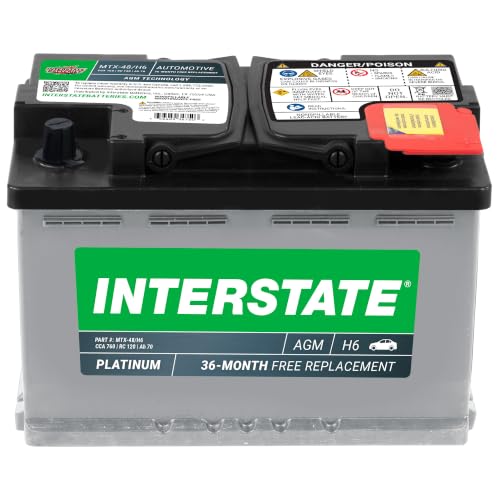
For AGM (Absorbent Glass Mat) batteries, the risk is slightly different. They don’t have free liquid to lose, but they still suffer from grid corrosion and thermal runaway—a condition where internal heat builds up faster than it can dissipate, leading to a bulging case or even rupture.
6 Early Warning Signs of Heat Stress (Beyond the Slow Crank)
A slow crank is the classic symptom, but it’s often the last one. By the time the starter struggles, the battery is already on its way out. Watch for these earlier signals.
- Battery terminal corrosion: A blue-green or white crusty buildup on the terminals. Heat accelerates the chemical reaction that causes it.
- A swollen or bulging case: Pick up the battery and look at the sides. If they’re not flat, the internal pressure is dangerously high.
- A rotten egg smell: That sulfur odor means the battery is venting gas. It’s a sign of overcharging or internal failure.
- Electrical gremlins: Dim headlights at idle, flickering interior lights, or the radio resetting itself. These happen when the battery can’t hold a stable voltage.
- Fluid levels dropping fast: For flooded batteries only. If you’re topping off distilled water every month in summer, the heat is cooking it.
- Age plus heat exposure: If the battery is over three years old and you live somewhere hot, it’s living on borrowed time. Don’t wait for a warning light.
The Delayed Failure: Why Your Battery Dies After the Heatwave
Here’s the forensic part. The battery doesn’t fail on the hottest day of the year. It fails three weeks later, on a mild Tuesday morning. Why?
The heat causes sulfation. As the battery discharges, lead sulfate crystals form on the plates. That’s normal. But in extreme heat, those crystals harden and become permanent. They coat the plates like a layer of scale in a kettle. This reduces the plate’s surface area and blocks the chemical reaction needed to deliver current.
The battery still works for a while because enough plate area remains. But each hot day adds another layer. Eventually, the remaining active area drops below the threshold needed to deliver cold cranking amps to the starter motor. The failure point often comes on the first cooler morning, when the engine oil is thicker and demands more from the battery.
So the heatwave did the damage. The cool morning just delivered the verdict.
How to Test Your Battery’s True Health at Home (DIY Multimeter Guide)
You don’t need a fancy diagnostic tool. A $15 digital multimeter gives you a solid picture of battery health. Here’s the exact protocol.
Step 1: Resting voltage. Let the car sit for at least 4 hours (overnight is better). Set the multimeter to 20V DC. Touch the red probe to the positive terminal and the black probe to the negative. A healthy battery reads between 12.4V and 12.7V. Below 12.4V means it’s undercharged. Below 12.2V means it’s sulfated and losing capacity.
Step 2: Cranking voltage. Have someone turn the key to start the car while you watch the multimeter. The voltage will drop. A good battery should stay above 9.6V during cranking. If it dips below that, the battery can’t deliver enough current, even if the resting voltage looks fine.
Step 3: Charging voltage. With the engine running, the multimeter should read between 13.8V and 14.4V. If it’s lower, the alternator isn’t charging properly. If it’s higher, the alternator is overcharging and cooking the battery.
This test catches a failing battery before it strands you. For a more precise check, take it to a shop for a battery load test. That measures reserve capacity—how long the battery can hold up under a simulated load. It’s worth doing if the battery is older than three years.
7 Proactive Maintenance Tips for Hot Climates
Park Smart & Secure the Tray
Park in the shade whenever possible. An open garage is better than a driveway. The engine bay can reach 140°F to 160°F in summer, and shade drops that by 15-20 degrees. Check the battery tray and hold-down clamp. A loose battery rattles and vibrates, and as we covered, a hot case flexes more. Tighten the clamp so the battery doesn’t move more than a fraction of an inch.
Clean Corrosion & Check Fluid Levels (Flooded Only)
Battery terminal corrosion acts as an insulator and a current leak. Mix a tablespoon of baking soda with a cup of water, brush it on the terminals with an old toothbrush, and rinse with clean water. Dry it off and coat the terminals with a thin layer of dielectric grease.
For flooded batteries, pop the caps and check the electrolyte level. Top it off with distilled water—not tap water—until the plates are covered. Never overfill. This is a summer car care task you should do monthly.
Limit Short Trips & Use a Trickle Charger
Short trips are murder on a battery. The starter draws a huge burst of current, and the alternator needs time to put it back. A 5-minute drive doesn’t do it. If your commute is short, take the long way once a week or plug in a trickle charger overnight.
A parasitic drain—things like the clock, alarm system, and computer memory—pulls 20-50 milliamps even when the car is off. That’s fine for a healthy battery, but it accelerates sulfation in a heat-stressed one. A trickle charger keeps the battery topped off and prevents the plates from sulfating.
AGM vs. Flooded: Which Battery Survives the Heat?
If you’re replacing a battery in a hot climate, you have two main choices. They handle heat differently.
| Feature | Flooded Battery | AGM Battery |
|---|---|---|
| Heat resistance | Loses water, plates corrode faster | Sealed, no water loss, slower corrosion |
| Vibration tolerance | Lower—plates can shift and short | Higher—plates are tightly packed |
| Lifespan in heat | 3-4 years typical | 5-7 years typical |
| Cost | Cheaper upfront | More expensive, but longer life |
| Maintenance | Requires checking fluid levels | Sealed, zero maintenance |
| Best for | Budget-conscious drivers, mild climates | Hot climates, vehicles with high electrical demand |
AGM batteries handle heat better because they’re sealed. No water to lose, no free liquid to slosh around and cause vibration damage. They also charge faster, which helps recover from the starter’s current draw. The downside is price—expect to pay 50-100% more than a comparable flooded battery.
If you live in Phoenix, Las Vegas, or anywhere that sees consistent 100°F days, an AGM is worth the extra money. If you’re in a milder climate, a quality flooded battery with regular maintenance is fine.
What to Do If Your Battery Dies on the Road
First, don’t panic. Turn on your hazard lights and get the car to a safe spot. If you have jumper cables, find a good Samaritan or call a friend. Connect the red clamp to the dead battery’s positive terminal, then the other red clamp to the good battery’s positive. Connect the black clamp to the good battery’s negative, and the final black clamp to an unpainted metal surface on your car—not the dead battery’s negative terminal. This prevents sparks near the battery, which can ignite hydrogen gas.
Start the good car, let it run for a minute, then try starting yours. Once it’s running, keep it running for at least 15 minutes to let the alternator recharge the battery. If it dies again immediately, the battery is done—you’ll need a jump start and a direct drive to a parts store.
If you have a dead battery and a modern car with lots of electronics, be careful. Jump starting a car with a severely depleted battery can cause voltage spikes that damage sensitive modules. Some manufacturers recommend against jump starting at all and suggest a battery charger instead.
Quick FAQ: Heat, Lifespan, and Replacement
At what temperature does heat start damaging a car battery?
Damage starts above 80°F. The ideal operating temperature is around 77°F. Every 15°F increase above that roughly doubles the rate of grid corrosion. Engine bays routinely hit 140°F+ in summer, so the battery is almost always operating in the danger zone.
How long should a car battery last in a hot climate?
In a moderate climate, 5-6 years is normal. In a hot climate, expect 3-4 years from a flooded battery and 5-7 from an AGM. The heat is relentless, and there’s no way around the chemistry.
Does a battery insulation blanket actually help in summer?
Yes, but it’s not a miracle cure. It slows the heating and cooling cycle, which reduces the stress on the internal components. It’s more effective at keeping the battery warm in winter, but the summer benefit is real—it keeps the case from hitting those extreme peak temperatures.
Can a heat-damaged battery be revived?
Sometimes, partially. If the damage is from sulfation, a smart charger with a desulfation mode can break down some of the crystals. But if the plates are physically warped or the grids are corroded, no charger can fix that. Once the case is bulged, replace it immediately—it’s a safety hazard.
How does extreme heat affect an electric vehicle’s battery?
EV high-voltage batteries use thermal management systems to keep the cells cool. In extreme heat, the system works harder, which drains range and can cause thermal throttling—the car limits power to protect the battery. The 12V auxiliary battery in an EV is still a standard lead-acid or AGM battery, and it suffers the same heat damage as any other car battery.
The Bottom Line: Beat the Heat, Not Your Battery
Heat is the silent killer. It doesn’t announce itself with a warning light or a strange noise. It just corrodes, evaporates, and sulfates until one morning, your car won’t start.
- Treat your battery like a consumable part with a 3-5 year lifespan in hot climates.
- Test the resting and cranking voltage with a multimeter at the start of every summer.
- Keep the battery tray tight and the terminals clean—vibration and corrosion accelerate heat damage.
- Check electrolyte levels monthly on flooded batteries and top off with distilled water only.
- Park in shade and consider a battery insulation blanket to moderate temperature swings.
- If your battery is over 3 years old and you live somewhere hot, replace it before summer, not after.
- Understand the delayed failure—if your battery dies after a heatwave, the heatwave is what killed it.
The good news is that this is all preventable. A little attention in June saves you from a tow truck in August.
Products related to this article
Sponsored / affiliate links. As an Amazon Associate I earn from qualifying purchases. I may earn additional commission from eligible campaigns.