What Are Sinkholes and Why Should You Care?
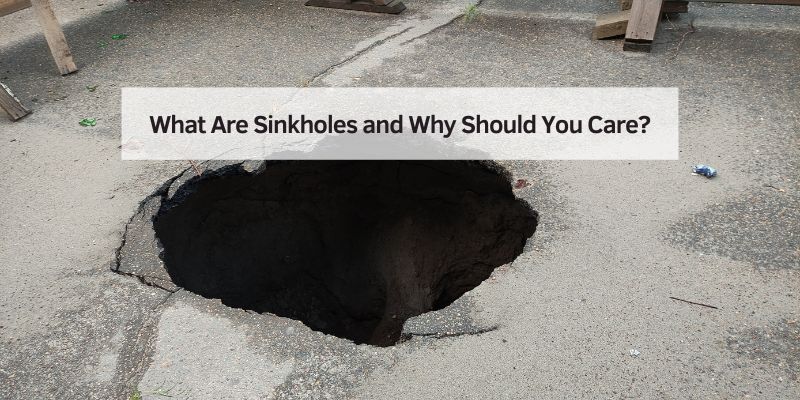
Sinkholes are holes in the ground that form when water washes away soil or rock underneath. They can swallow cars, yards, or even houses! I saw one in my town that looked like a monster took a bite out of the street. Sinkholes are rare but scary, especially in states like Florida or Texas. They matter because they can wreck your car, and fixing it costs a ton. Knowing if your insurance covers sinkholes can save you from a big headache.
Why Do Sinkholes Happen?
Sinkholes form when water dissolves soft rock like limestone underground. Think of it like a sponge getting hollowed out. Rain, drought, or even leaky pipes can make it worse. In Arizona, I read about a sinkhole that gobbled up two cars on a highway! The U.S. Geological Survey says 35–40% of U.S. land could get sinkholes, so it’s worth checking your risk.
Does Car Insurance Cover Sinkholes?
Good news: if you have comprehensive car insurance, sinkholes are usually covered. This type of insurance pays for damage not caused by crashes, like theft, storms, or sinkholes. I learned this when my cousin’s car got stuck in a small sinkhole. His comprehensive coverage saved him thousands! But if you only have basic liability insurance, you’re out of luck. Let’s break it down.
What’s Comprehensive Coverage?
Comprehensive coverage is like a superhero for your car. It covers:
- Sinkholes swallowing your vehicle.
- Weather damage like hail or floods.
- Theft or vandalism.
It’s not required by law, but it’s a must for new or pricey cars. Check your policy to see if you have it. Call your insurance agent—it’s a quick chat!
What’s Not Covered?
Basic liability insurance only covers damage you cause to others, not your car. So, if a sinkhole eats your sedan, you’ll pay for repairs yourself. Homeowners insurance also doesn’t cover sinkholes for your car, though it might help with your house in some states. Always read the fine print!
How to Check If Your Insurance Covers Sinkholes
Not sure if you’re covered? Here’s a simple plan I use to double-check my policy:
- Grab Your Policy: Find your insurance papers or log into your account online.
- Look for “Comprehensive”: Check if it’s listed. If not, you may need to add it.
- Call Your Agent: Ask, “Does my policy cover sinkholes?” It’s a quick call.
- Ask About Costs: Find out your deductible (usually $500–$1,000).
I once forgot to check my policy and panicked when a tree fell on my car. Don’t make my mistake—check now!
Table 1: Liability vs. Comprehensive Coverage
| Coverage Type | Covers Sinkholes? | Other Perks | Average Cost |
|---|---|---|---|
| Liability | No | Covers damage to others | $50/month |
| Comprehensive | Yes | Covers theft, weather, sinkholes | $100/month |
Caption: Compare liability and comprehensive coverage to see what protects your car from sinkholes. Costs vary by state and driver.
Steps to File a Sinkhole Claim
If a sinkhole damages your car, don’t freak out. Follow these steps to file a claim, based on my cousin’s experience:
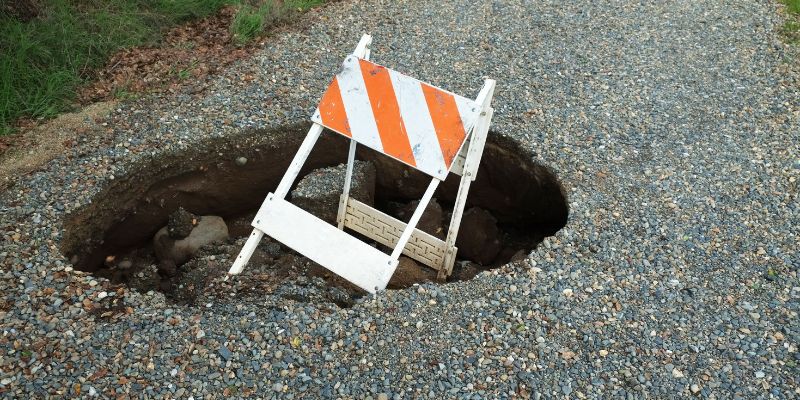
- Take Pictures: Snap photos of the sinkhole and car damage. Note the location and size.
- Call Your Insurer: Tell them what happened. Most let you file online, too.
- Meet the Adjuster: They’ll check your car or photos to estimate repair costs.
- Sign a Form: You’ll sign a “proof of loss” statement to get paid.
My cousin got his claim approved in a week, and his deductible was only $500. Not bad!
Common Mistakes to Avoid
- Not Taking Photos: Without proof, your claim might get denied.
- Waiting Too Long: Report the damage right away to avoid delays.
- Skipping Comprehensive: Basic insurance won’t help with sinkholes.
Benefits and Drawbacks of Comprehensive Coverage
Comprehensive coverage is awesome but not perfect. Here’s the scoop:
Benefits
- Peace of Mind: You’re covered for sinkholes, storms, and more.
- Saves Money: Repairs can cost thousands, but you pay just the deductible.
- Wide Coverage: Protects against theft, animals, and vandalism, too.
Drawbacks
- Extra Cost: Premiums are higher than liability-only plans.
- Deductibles: You’ll pay $500 or more before insurance kicks in.
- Not Always Needed: If you live in a low-risk area, you might skip it.
I live in a sinkhole-prone area, so comprehensive coverage is a no-brainer for me. Check your area’s risk on the USGS website.
Table 2: Sinkhole Risk by State
| State | Sinkhole Risk | Comprehensive Coverage Recommended? |
|---|---|---|
| Florida | High | Yes |
| Texas | Medium | Yes |
| Arizona | Low | Maybe |
| Ohio | Low | No |
Caption: Some states have higher sinkhole risks, making comprehensive coverage a smart choice.
My Top Tips for Sinkhole Insurance
After years of dealing with insurance, here are my best tips:
- Shop Around: Compare quotes from companies like Nationwide or Travelers. It’s a piece of cake online!
- Bundle Policies: Pair car and home insurance to save money.
- Ask About Discounts: Some insurers cut rates for safe drivers or new cars.
- Check Your Area: Use Insurance Information Institute to learn about sinkhole risks near you.
I saved $200 a year by bundling my policies. It’s worth a try!
Visual Ideas (Not Included)
- Flowchart: A simple chart showing steps to file a sinkhole claim.
- Map: A U.S. map highlighting sinkhole-prone states like Florida and Texas.
- Photo Guide: A diagram of how to take good claim photos (e.g., angles, lighting).
Frequently Asked Questions
Does Comprehensive Coverage Include Sinkholes?
Yes, comprehensive coverage usually includes sinkholes. It pays for repairs if a sinkhole damages your car, minus your deductible. Check your policy or call your agent to confirm.
What If I Only Have Liability Insurance?
Liability insurance doesn’t cover sinkholes. It only pays for damage you cause to others. You’ll need comprehensive coverage to protect your car from sinkholes or other non-crash damage.
How Much Does a Sinkhole Claim Cost?
A sinkhole claim costs your deductible, usually $500–$1,000. Repairs can run thousands, but comprehensive coverage handles most of it. The average claim in Florida is around $140,000.
Are Sinkholes Common in My State?
Sinkholes are common in states like Florida, Texas, and Kentucky. Check the USGS website or ask your local insurance agent to see if your area is at risk.
Can Homeowners Insurance Cover Sinkhole Car Damage?
No, homeowners insurance doesn’t cover cars damaged by sinkholes. You need comprehensive car insurance. Home policies might cover house damage, but it varies by state.
How Long Does a Sinkhole Claim Take?
A sinkhole claim takes about 1–2 weeks to process. After you submit photos and meet the adjuster, your insurer will estimate repairs and send payment.
What If My Car Is Totaled by a Sinkhole?
If your car is totaled, comprehensive coverage pays its current value, minus your deductible. You can use the money to replace your car. Always document the damage well.
Conclusion
Sinkholes are scary, but Does Car Insurance Cover Sinkholes doesn’t have to be a mystery. With comprehensive coverage, you’re protected from these sneaky holes and other surprises. Check your policy, take photos if disaster strikes, and call your insurer fast. My neighbor’s SUV survived that sinkhole, and his insurance made it affordable. You can be ready, too! Share your insurance tips or stories in the comments—I’d love to hear them. Stay safe and keep your car covered!