Is a Dent Covered by Car Insurance? What It Actually Costs You
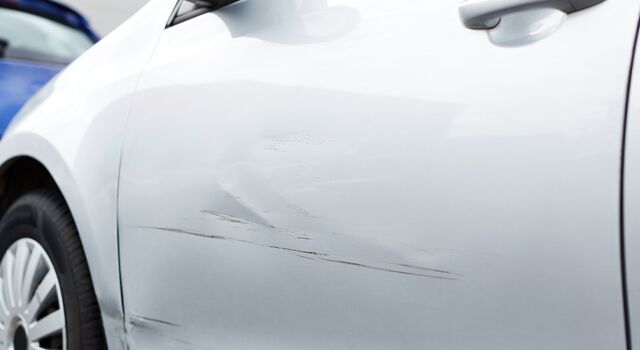
Yes, a dent is covered by car insurance — but only if you carry collision or comprehensive coverage, and only after you pay your deductible. Liability-only policies, which are the legal minimum in most states, never pay for damage to your own car, dents included.
The bigger question is whether filing a claim is worth it. A single comprehensive claim typically adds $30 to $70 to your premium every six months, while an at-fault collision claim can raise your rate 20% to 40% a year for three to five years. On a $1,500 annual policy, a 30% increase adds roughly $450 a year, which means a $600 dent repair filed as a claim can end up costing well over $1,300 once the higher premiums are added up.
This guide walks through what collision and comprehensive coverage actually pay for, which dents are excluded, what repairs really cost in 2026, and a break-even calculation you can use to decide whether to file a claim or just pay the shop yourself.
How Car Insurance Actually Covers a Dent
Car insurance is not one blanket policy — it is a bundle of separate coverages, and only two of them ever pay for a dent in your own vehicle.
Collision coverage pays for damage from an impact, whether you hit another car, a curb, a shopping cart, or a mailbox, regardless of who is at fault. If a dent came from you backing into a pole or another driver clipping your bumper, collision is the coverage that applies.
Comprehensive coverage pays for damage that did not come from a collision with another vehicle or object you were driving into. Hail dents, a tree branch falling on your hood, vandalism, and a shopping cart rolling into your door in a parking lot (when you were not driving) all fall under comprehensive (the same logic applies to a cracked windshield — see our full guide on does car insurance cover windshield replacement).
Liability coverage, by contrast, only pays for damage you cause to someone else’s car or property. It never pays to fix your own dent, no matter how the damage happened. If liability is the only coverage on your policy, you are paying for every dent out of pocket.
| Coverage Type | Pays for Your Own Dent? | Typical Examples | Typical Deductible |
|---|---|---|---|
| Collision | Yes | Hitting another car, a curb, a pole, a parking structure | $500 (range $100–$2,000) |
| Comprehensive | Yes | Hail, falling branches, vandalism, an unattended shopping cart | $500 (range $100–$2,000) |
| Liability | No | Never covers damage to your own vehicle | N/A |
DIY OPTION FOR SMALL DENTS
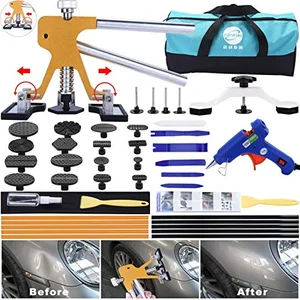 |
GLISTON 45pc Paintless Dent Repair Kit – $35.99 If your dent is below your deductible or you would rather not risk a rate increase, a glue-pull kit like this handles small door dings and shallow panel dents without repainting.
|
Which Dents Are Covered and Which Are Excluded
Insurers draw a clear line between sudden, accidental damage and damage that built up over time. The first is covered under collision or comprehensive; the second almost never is.
| Usually Covered | Usually Excluded |
|---|---|
| Collision with another car or object | Wear and tear from age or repeated minor door dings |
| Hail damage | Rust that developed into a dent-shaped weak spot |
| A tree branch or other falling object | Damage from mechanical neglect (e.g., a loose part hitting the body) |
| Vandalism (keying, kicking, baseball bats) | Any accident you never reported to your insurer |
| A shopping cart or another vehicle in a parking lot | Pre-existing damage present before the policy started |
If you are not sure which category your situation falls into, call your agent and describe exactly what happened before you file anything. Some insurers will give you a preliminary read on whether a claim is likely to be approved, which saves you from a wasted claim that still shows up on your CLUE report (the industry-wide claims history insurers share with each other).
Should You File a Claim, or Just Pay for the Dent Yourself?
This is the part most guides skip, and it is the most important decision you will actually make. Filing a claim is not free just because you have coverage — every claim you file gets reported to CLUE, and insurers use that history to set your renewal price.
For a comprehensive claim (hail, vandalism, a falling branch), expect your premium to rise roughly $30 to $70 every six-month renewal period, and that increase can stick around for three to five years depending on your insurer and state. Comprehensive claims are treated more leniently than at-fault claims, but they are not free of consequences.
For an at-fault collision claim, the hit is much bigger: a single at-fault claim commonly raises your annual premium 20% to 40% for three to five years. On a $1,500-a-year policy, a 30% increase is about $450 extra every year. Multiply that by three years and a $600 door dent that you filed as a claim has effectively cost you around $1,350 or more once the deductible and the premium increases are both counted.
A simple way to decide: if the repair estimate is close to your deductible, or less than roughly half of what three years of a premium increase would cost you, it is almost always cheaper to pay the shop directly and skip the claim entirely. Filing only clearly makes sense when the damage is large — multi-panel hail damage, a caved-in door, or anything running into the thousands — where the deductible savings outweigh the rate hike.
What It Actually Costs to Fix a Dent in 2026
Most dents today are fixed with paintless dent repair (PDR), a technique where a technician uses specialized tools to massage the metal back into shape from behind the panel, without cutting, filling, or repainting. PDR runs 40% to 60% cheaper than a traditional body-shop repair and, because the factory paint is never disturbed, it does not trigger the “panel repainted” flag that shows up on a vehicle history report when you eventually sell the car.
| Dent Type | Typical Repair Cost |
|---|---|
| Small ding (coin-sized) | $60 – $100 |
| Palm-sized dent | $75 – $150 |
| Larger dent under 4 inches, no crease | $125 – $350 |
| Single door ding (body shop, repaint needed) | $100 – $250 |
| Multi-panel hail damage | $1,200 – $4,000+ |
PDR only works when the paint is intact and the dent has not stretched or creased the metal. If your dent has cracked paint, a sharp crease, or sits right on a body line, a technician will usually recommend a conventional body-shop repair with filler and repaint instead.
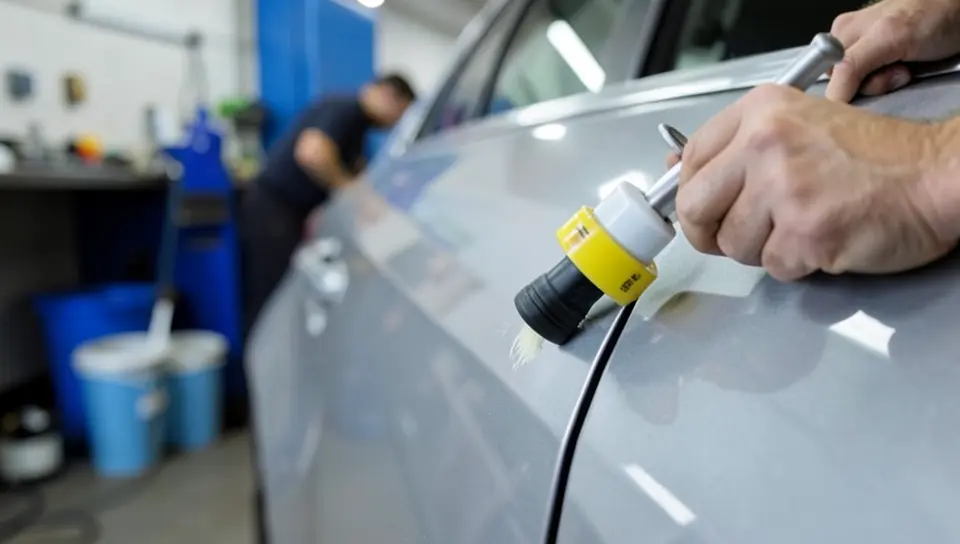
For dents that are small, shallow, and away from a body line, a consumer-grade glue-pull kit can get the same result yourself for the one-time cost of the tool instead of paying a shop $75 to $150 every time. It will not fix a creased or paint-damaged dent, but for the everyday door ding that is below your deductible anyway, it is the more economical route.
How to File a Dent Insurance Claim
If you have decided the damage is worth filing on, here is the process most insurers follow from start to finish.
- Photograph the dent from multiple angles in good light, including a wide shot that shows its location on the car.
- Contact your insurer through their app, website, or a claims phone line, and report the date, location, and cause of the damage.
- Complete the claim form with accurate details — inconsistent explanations are one of the fastest ways to get a claim delayed or denied.
- Submit a police report if the dent came from a hit-and-run, vandalism, or any incident involving another driver.
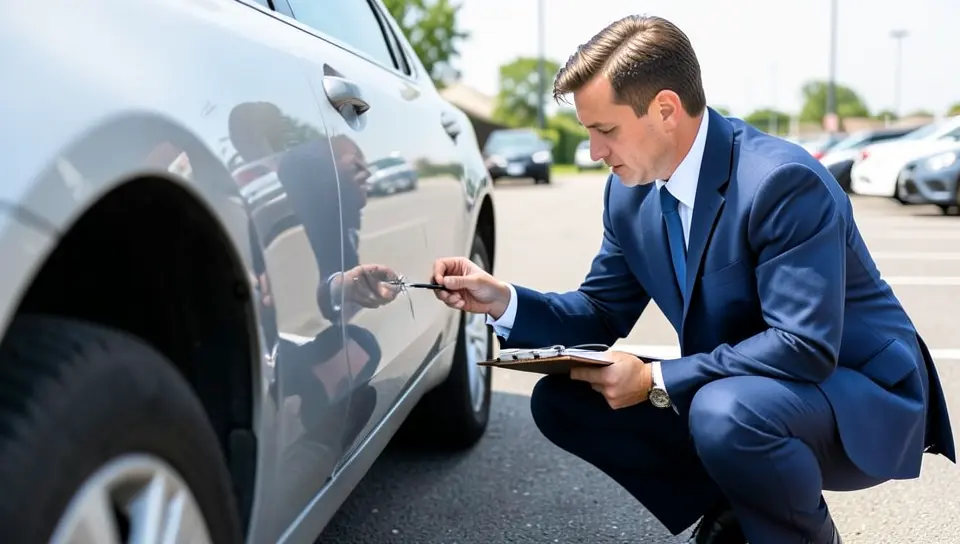
- Wait for the adjuster’s review; many insurers can approve straightforward dent claims from photos alone, while others send someone to inspect the car in person.
- Choose a repair shop — using one on your insurer’s approved list can speed up both the estimate and the payment.
- Pay your deductible to the shop; the insurer covers the remaining approved repair cost directly or reimburses you.
Keep copies of every photo, the claim number, the adjuster’s estimate, and the final repair invoice. If a dispute comes up later — over the repair quality or a related insurance question — that paper trail is what settles it.
How to Reduce Your Chances of Getting a Dent
- Park at the end of a row or in a spot away from shopping cart corrals, where carts are most likely to roll loose.
- Avoid parking directly under trees during storm season or near dead or overhanging branches.
- Leave extra space when parking next to larger vehicles, which have wider doors that can swing into your panels.
- Use a garage or covered carport when hail is in the forecast; even a thick moving blanket over the hood and roof helps in a pinch.
- Keep a safe following distance and check mirrors before backing up, since low-speed backing accidents are one of the most common sources of dent claims.
Frequently Asked Questions
Will insurance cover a dent in my car?
Yes, if you carry collision or comprehensive coverage. Collision pays for dents from hitting another vehicle or object; comprehensive pays for dents from hail, falling branches, vandalism, or a runaway shopping cart. Liability-only policies never cover damage to your own car.
Does filing a claim for a dent raise my insurance rate?
It can. A comprehensive claim (hail, vandalism) typically adds $30 to $70 per six-month renewal for a few years. An at-fault collision claim is more expensive, often raising your annual premium 20% to 40% for three to five years, which is why small dents are frequently cheaper to pay for out of pocket.
Is it worth filing an insurance claim for a small dent?
Usually not. If the repair cost is close to your deductible, or less than about half of what the resulting premium increase would cost over three years, paying the shop directly almost always saves money. Filing makes more sense for larger, expensive damage where the payout clearly outweighs the rate hike.
Does a car warranty cover dents?
No. A manufacturer’s warranty covers mechanical defects and factory workmanship, not cosmetic damage from an outside impact. Dents, scratches, and hail damage are handled through your car insurance policy, not your warranty.
How much does paintless dent repair cost?
Paintless dent repair (PDR) generally runs $60 to $100 for a coin-sized ding, $75 to $150 for a palm-sized dent, and up to $350 for a larger dent without a crease. PDR costs 40% to 60% less than a traditional body-shop repair because it does not require filler or repainting.
Can I get a dent fixed without filing an insurance claim?
Yes. Most PDR shops and body shops will give you a cash estimate and repair the dent with no insurance involved at all. For small, shallow dents away from a body line, a DIY glue-pull dent repair kit can also remove the dent yourself for the cost of the tool.
Conclusion
A dent is covered by car insurance whenever you carry collision or comprehensive coverage and the damage clears your deductible — but coverage existing and coverage being worth using are two different things. Before you file anything, get a repair estimate, check your deductible, and weigh it against a realistic three-year premium increase. For most everyday dings, paying out of pocket or fixing it yourself with a PDR kit costs less than a claim ever will. Save the claim for the damage that is genuinely expensive to fix.
Products related to this article
Sponsored / affiliate links. As an Amazon Associate I earn from qualifying purchases. I may earn additional commission from eligible campaigns.