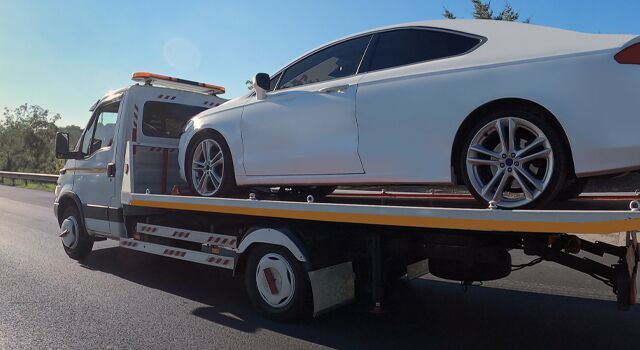
Does Car Insurance Cover Towing? Accident vs. Breakdown
Car insurance covers towing in two very different ways: automatically, as part of a collision or comprehensive claim after an accident, and only if you have paid for it, when your car simply breaks down.
Most standard policies do not pay to tow a car that won’t start, runs out of gas, or gets a flat tire. That kind of tow needs a separate towing and labor (sometimes called TL&R) or roadside assistance add-on, which typically costs $10 to $25 a year and reimburses $75 to $125 per tow.
Here is how the two situations actually differ, what a typical roadside plan includes, and how to check whether your own policy already has you covered.
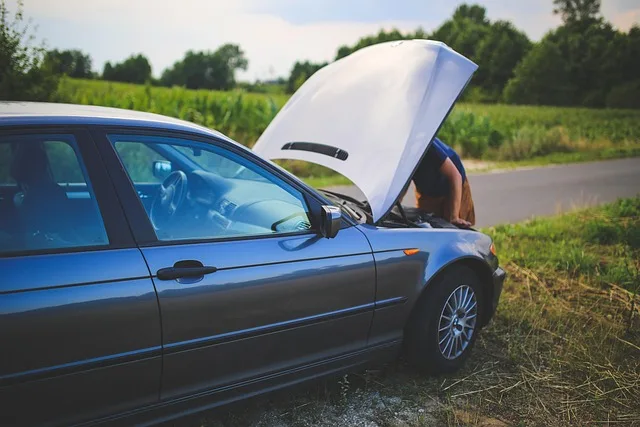
Basics Of Car Insurance
A standard auto policy is really several coverages bundled together, and only some of them ever touch towing. Liability coverage pays for damage or injuries you cause to someone else, and it never pays to move your own car. Collision coverage repairs your vehicle after a crash, regardless of fault, while comprehensive coverage handles non-collision losses like theft, fire, hail, or hitting an animal. Personal injury protection or medical payments coverage pays medical bills for you and your passengers.
None of these is called “towing coverage,” but two of them can end up paying for a tow anyway. If collision or comprehensive coverage approves a claim and your car cannot be driven, the cost of towing it to a repair shop is normally rolled into that claim rather than billed to you separately. The mistake most drivers make is assuming that means towing is covered in general. It isn’t. A tow for a dead battery, an empty tank, or a car that simply won’t start has nothing to do with a claim, so collision and comprehensive never apply to it.
Towing Services Overview
Towing itself is a broader service than just hauling a disabled car to a garage. A driver dispatched through roadside assistance will often try a jump-start, swap on a spare tire, deliver a gallon of gas, or unlock a car with the keys locked inside before ever hooking the vehicle up for a tow. The actual tow only happens once none of those quick fixes get the car moving again.
Breakdowns fall into a fairly predictable list of causes: a dead battery, a flat tire, running out of fuel, engine or transmission failure, and being in an accident that leaves the car undrivable. The first four are breakdown scenarios that only roadside assistance or a dedicated towing add-on will pay for. The last one, an accident, is the one case where collision or comprehensive coverage typically steps in on its own.
Standard Insurance Coverage
Collision and comprehensive are the two coverages people mistakenly lump in with “towing coverage.” Collision pays to repair your car after you hit another vehicle or object, or after a rollover, regardless of who caused it. Comprehensive pays for damage from theft, vandalism, fire, flooding, or hitting an animal. When either one approves a claim and your car can’t be driven, towing it to the shop that will handle the repair is standard practice, and it is typically paid as part of settling that claim.
Liability insurance and uninsured motorist coverage work differently. Liability only pays for damage or injuries you cause to someone else, and uninsured motorist coverage only reimburses you if the other driver had no insurance. Neither one pays to move your own car under any circumstances. If you don’t carry collision or comprehensive, or your car breaks down outside of a covered accident, towing and labor coverage or roadside assistance is the only thing that will pay the bill.

Roadside Assistance Coverage
Roadside assistance is a low-cost add-on that most major insurers sell separately from your core coverage, and towing is usually its headline benefit. A typical plan also includes jump-starts, a spare tire swap, fuel delivery if you run dry, and lockout help if you’re locked out of the car. Plans mainly differ in how many miles of towing they’ll pay for per incident and how many service calls you get in a policy year.
Because it isn’t tied to an accident, roadside assistance is the coverage that actually answers most drivers’ real question: what happens if my car just won’t start? For a sense of scale, auto clubs cap how far they’ll tow for free based on membership tier — AAA’s own mileage limits are a useful benchmark even if you’re insured elsewhere, since many insurer-sold roadside plans use similar per-tow mileage caps.
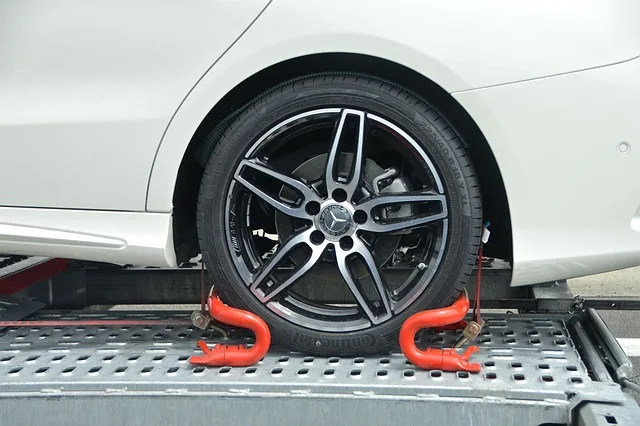
Towing Costs And Insurance
Without any coverage, a tow typically runs $75 to $125 for a short, in-town distance, and climbs quickly if the car needs to travel farther or has to be winched out of a ditch or median. If you’re moving a vehicle a long way, towing a car across state lines costs far more than a local tow and is worth pricing out separately.
Adding towing and labor coverage to an existing policy is inexpensive by comparison: most insurers charge roughly $10 to $25 a year for the endorsement, and it typically reimburses $75 to $125 per tow, which is often enough to cover the whole bill for an in-town breakdown. The trade-off is that reimbursement usually caps out at a set dollar amount or mileage per tow, so a long-distance haul can still leave you with a balance to pay out of pocket even with the add-on in place.
How To Check Your Policy
The fastest way to find out is to open your declarations page and look for a line labeled “towing,” “towing and labor,” or “roadside assistance.” If it’s listed with a dollar limit next to it, you already have it. If you don’t see it at all, call your agent or insurer and ask two specific questions: does my policy include towing and labor coverage, and if not, what would it cost to add it. Most companies can add the endorsement over the phone in a few minutes, and it’s worth doing before you actually need a tow rather than after.
Factors Affecting Coverage
A few details determine how much help you’ll actually get. Policy limits set the maximum dollar amount an insurer will pay per tow, often somewhere between $75 and $150, so a longer or more complicated tow can exceed the payout. Some policies also apply a deductible specifically to towing and labor claims, meaning you pay a set amount out of pocket before the coverage kicks in. The number of service calls allowed per policy year is usually capped as well, commonly at three or four, after which any additional tow is paid at full price.
Steps To Take After A Breakdown
Get the car as far off the travel lane as possible and turn on your hazard lights before doing anything else. A disabled car on the shoulder is genuinely dangerous, and being struck while stopped is one of the leading causes of injury in breakdown situations. Note your exact location using mile markers, an exit number, or your phone’s GPS, since that’s the first thing dispatch will ask for.
Call your insurer or roadside assistance line before calling an independent tow company if you have coverage, since using an outside company first can mean paying up front and filing for reimbursement later instead of a direct, cashless dispatch. Keep your policy number handy, and hold onto the tow receipt regardless of who pays, since your insurer may ask for it to process reimbursement.
Choosing The Right Coverage
Towing and labor coverage makes the most sense for older vehicles that are more prone to breakdowns, for anyone who drives long distances regularly, or for a household with only one reliable car where being stranded isn’t an option. It matters less if your car is still under a manufacturer’s roadside assistance program, which most new vehicles include free for the first several years.
When comparing providers, look past the sticker price to the actual mileage and dollar caps per tow, how many service calls are included per year, and whether claims are handled through direct dispatch or reimbursement after the fact. A slightly cheaper plan with a low mileage cap and a reimbursement-only process can end up costing more in practice than a plan that costs a few dollars more per year.
Frequently Asked Questions
What Does Towing Mean In Car Insurance?
In car insurance, towing coverage (often called towing and labor coverage) is a separate add-on that pays to have your car towed after a breakdown, not after an accident. Post-accident towing is instead handled through your collision or comprehensive coverage as part of that claim.
Do I Need Towing Coverage On My Car Insurance?
No, towing and labor coverage is optional in every state, unlike liability insurance, which most states do require. It’s worth adding if your car is older or you don’t already have roadside assistance through your automaker, a credit card, or an auto club, since the add-on typically costs only $10 to $25 a year.
What Happens When Your Car Gets Towed After An Accident?
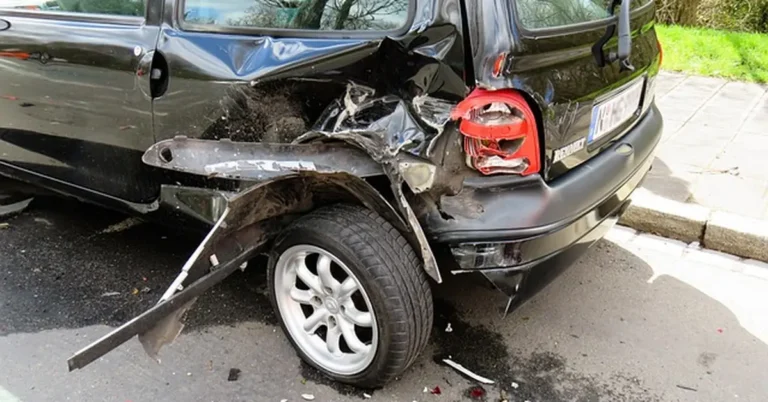
After an accident that leaves your car undrivable, it’s usually towed to a storage lot or a repair shop, and the towing cost is typically included in your collision or comprehensive claim. Remove any personal belongings as soon as you can, since storage lots often charge a daily fee, and contact your insurer promptly to start the claim and confirm where the car is being taken.
Does Calling A Tow Truck Make Your Insurance Go Up?
Calling a tow truck by itself doesn’t raise your rates. Your premium is only affected if you file a claim connected to the tow, such as a collision or comprehensive claim after an accident. Simply using a towing and labor add-on for a breakdown, without filing any other claim, generally has little to no effect on renewal pricing.
Conclusion
Whether car insurance covers your tow comes down to why you needed one. An accident that triggers a collision or comprehensive claim is towed at no separate cost as part of that claim. A breakdown is not, and it needs a dedicated towing and labor add-on or a roadside assistance plan to be covered. Check your declarations page for either term, and if neither is listed, adding one usually costs less per year than a single unplanned tow would.
Products related to this article
Sponsored / affiliate links. As an Amazon Associate I earn from qualifying purchases. I may earn additional commission from eligible campaigns.