Does Car Warranty Cover Windshield Damage? What To Know
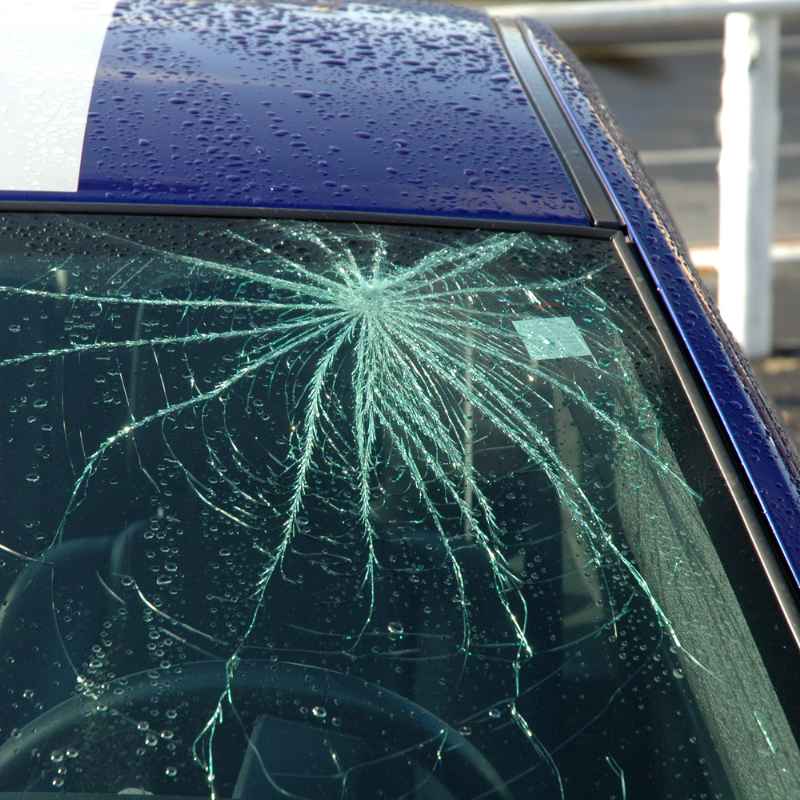
It’s a sinking feeling. You hear a pop, then see a crack spiderwebbing across your car’s windshield. The first thought is often, “Will my car warranty help with this?” It’s a common question, and the answer isn’t always a simple yes or no.
Many drivers assume their comprehensive warranty covers everything. But the reality is often more nuanced, and understanding the details can save you a lot of money and hassle down the road.
This guide will break down what you need to know about car warranties and windshield damage. We’ll explore what’s typically covered, what’s not, and how to figure out your specific situation. By the end, you’ll feel much more confident about dealing with a damaged windshield.
A car warranty usually doesn’t directly cover windshield damage like chips or cracks. Standard new car warranties focus on manufacturing defects, not wear-and-tear or accidental damage. However, some comprehensive policies, tire and rim protection plans, or optional add-ons might offer coverage. Always check your specific warranty contract.
Understanding What a Car Warranty Actually Covers
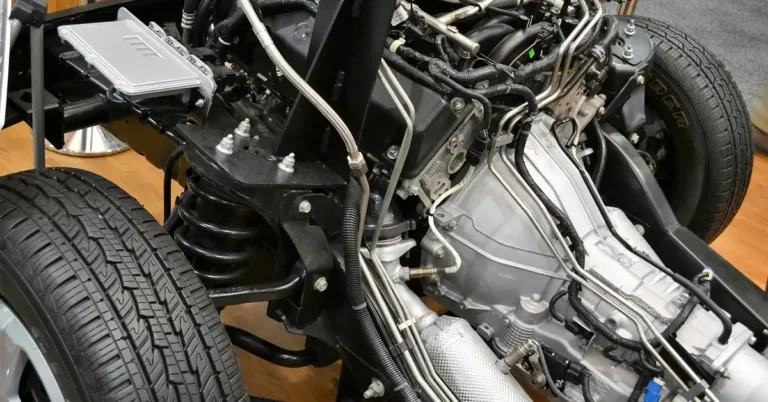
When you buy a new car, it often comes with a manufacturer’s warranty. This warranty is your protection against problems that were there from the start. It’s designed to cover parts that fail due to a defect in how the car was made or assembled.
Think of engine issues, transmission problems, or electrical glitches that appear soon after you get the car.
These warranties are usually split into different types. There’s the bumper-to-bumper warranty. This is the most comprehensive.
It covers most components of your vehicle. Then there’s the powertrain warranty. This focuses just on the engine, transmission, and drive systems.
Both are meant to give you peace of mind about the car’s core functions.
What they generally don’t cover are things that happen due to normal use. This includes wear and tear. It also includes damage from accidents, weather, or everyday road hazards.
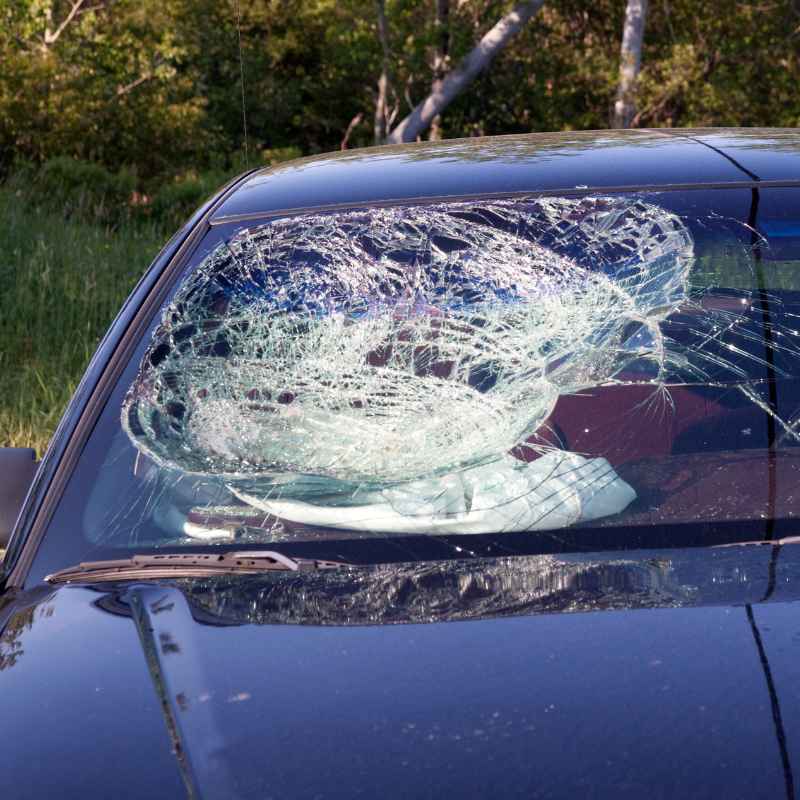
This is where windshields often fall. A rock hitting your windshield is an external event, not a manufacturing flaw.
Why Windshield Damage Is Tricky for Warranties
Windshields are a critical safety part of your car. They provide structural support and keep you safe from the elements. But they are also constantly exposed.
Rocks, debris, and even harsh weather can cause damage. This kind of damage is often considered accidental or wear-and-tear.
Manufacturers design warranties to cover what they can control. They control the quality of parts and the assembly process. They can’t control what happens on the road.
This is why a chip from a flying stone or a crack from extreme temperature changes usually falls outside the standard warranty.
Think about it this way: if your car’s paint gets scratched by a shopping cart, your warranty won’t fix it. It’s similar for your windshield. The damage didn’t come from the factory being faulty.
It came from an outside force.
This is a point of confusion for many car owners. They see a major component like the windshield and assume it must be covered. But warranties are specific.
You have to read the fine print to understand the boundaries.
Experience: That One Time a Chip Turned into a Disaster
I remember driving home on a Tuesday evening. It was late, and the highway was mostly empty. Suddenly, I heard a sharp ping sound against my car.
My heart sank. I knew immediately it was a rock. I pulled over at the next exit, even though it was dark.
There it was. A small, circular chip on the driver’s side of my windshield. At first, I thought, “Okay, it’s small.
I’ll get it fixed soon.” I was annoyed but figured it wasn’t a big deal. I had a decent new car warranty, so I felt a little reassured, though I hadn’t actually checked if it covered chips.
Fast forward a week. We had a cold snap. The temperature dropped significantly overnight.
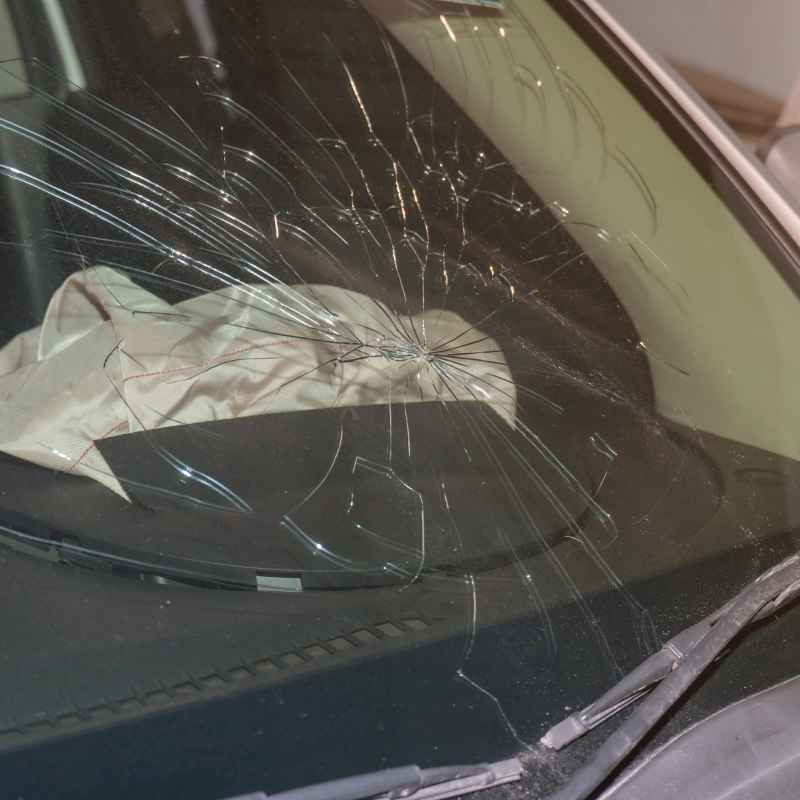
When I got into my car the next morning, I saw the chip had turned into a long, jagged crack. It ran almost halfway across the windshield. Panic set in.
That tiny chip had become a major problem. The cold had likely caused the glass to contract, and the existing damage became a weak point. Suddenly, the cost of replacement seemed huge, and I worried my warranty wouldn’t help at all.
Types of Coverage That Might Help with Windshields
While your standard new car warranty likely won’t help, there are other types of protection to consider. Many drivers overlook these or aren’t aware they exist. Understanding these can be a real lifesaver when a rock flies your way.
Comprehensive Auto Insurance: This is the most common way to get your windshield fixed. If you have comprehensive coverage on your auto insurance policy, it often covers glass damage. This includes chips and cracks.
Many insurance companies offer glass repair with no deductible. For
Tire and Rim Protection Plans: Some dealerships offer add-on plans. These might include coverage for tires, rims, and sometimes even glass. If you purchased this type of plan, review its terms carefully.
It might specifically mention windshield repairs or replacements.
GAP Insurance: While GAP insurance covers the difference between what you owe on your car and what your insurance pays out if it’s totaled, it doesn’t directly cover windshield damage. However, if windshield damage contributes to the car being totaled, GAP insurance might come into play later.
Specialty Glass Coverage: Some insurance providers offer standalone glass coverage. This is a good option if you want full protection for your windshield and other glass on your car without a high deductible on your main comprehensive policy.
Dealership Service Contracts: If you bought an extended warranty or a service contract from the dealership, read it. Some of these might have clauses for glass coverage. They are not part of the original manufacturer’s warranty.
They are often sold separately.
It’s crucial to remember that these are separate from the factory warranty. You need to look at the specific contract for each coverage type. What one plan covers, another might exclude entirely.
Windshield Coverage Checklist
Check your primary auto insurance: Does it include comprehensive coverage? Is there a specific glass rider?
Review any add-on plans: Did you buy tire/rim protection or a special service contract? Look for glass clauses.
Contact your insurer/dealer: Don’t guess. Ask directly about windshield coverage specifics.
Understand deductibles: Know what you’ll pay out-of-pocket for repair vs. replacement.
What Standard Car Warranties Typically Exclude
To really understand why your warranty probably won’t cover windshield damage, let’s look at common exclusions. These are items and situations that are almost always left out of new car and extended warranties. This helps manage expectations.
Wear and Tear: Items that degrade over time with normal use are usually not covered. This includes things like tires, brake pads, clutches, and of course, glass that might develop small issues from exposure.
Cosmetic Damage: Minor chips, scratches, or dents that don’t affect the function of a part are often excluded. A small windshield chip might fall into this category until it becomes a larger crack.
Environmental Factors: Damage caused by weather events like hail, falling branches, or extreme temperatures is generally not covered by a manufacturer’s warranty. These are acts of nature.
Accidents and Collisions: Any damage resulting from a car accident is the responsibility of the owner or their insurance. This is standard practice.
Aftermarket Modifications: If you’ve added accessories or made changes to the car not approved by the manufacturer, any damage related to those changes might not be covered.
Routine Maintenance Items: Things like oil changes, filter replacements, and fluid top-offs are the owner’s responsibility and never part of a warranty.
Knowing these exclusions helps you see why windshield damage, which often stems from external impact or environmental exposure, doesn’t fit the typical warranty coverage.
When a Windshield Issue Might Be Covered (Rare Cases)
While rare, there are a few scenarios where a manufacturer’s warranty might cover a windshield problem. These are exceptions, not the rule. They usually involve a defect that is clearly tied to the manufacturing process.
Manufacturing Defect in the Glass Itself: If the glass was made with an internal flaw, like a bubble or inclusion, that causes it to crack under normal conditions, this could be a warranty claim. However, proving this is difficult. You’d need strong evidence that the crack wasn’t caused by external impact.
Improper Installation by the Manufacturer: If the windshield was installed incorrectly at the factory, leading to stress points or a poor seal, and this then causes it to crack, it might be a warranty issue. Again, this is hard to prove and very uncommon.
Defect in the Frame or Seal: Sometimes, a problem with the car’s frame or the adhesive used to seal the windshield could cause stress. If this stress leads to the glass cracking, and the frame or seal is under warranty, there might be a claim. This is more likely to be covered under a body or structural warranty if applicable.
In most cases, the dealership will inspect the damage. They will look for signs of impact (like a stone chip) or stress that isn’t clearly linked to a manufacturing defect. If they find any evidence of external cause, the claim will likely be denied.
Real-World Context: Why Your Car’s Glass Breaks
Let’s look at the common ways windshields get damaged. This helps us understand why warranties typically don’t apply. It’s about the environment your car lives in and how it’s used.
Road Debris: This is the biggest culprit. Rocks, gravel, tire fragments, and metal pieces kicked up by other vehicles are a constant threat. Highways are notorious for this.
Even a small stone can cause a chip. Temperature changes can then turn that chip into a crack.
Weather Extremes: Rapid temperature shifts can cause the glass to expand and contract. This puts stress on the glass. A small existing chip can become a big crack during a heatwave or a deep freeze.
Large hailstones can also cause damage.
Installation Errors (Aftermarket): If your windshield was replaced after you bought the car, and it was installed poorly, this can cause problems. An improper seal or too much stress during installation can lead to cracks or leaks. This damage is usually linked to the repair, not the car’s original manufacturing.
Vehicle Stress: In rare cases, if the car’s body flexes significantly due to poor design or damage, it can put pressure on the windshield. This is more likely in older cars or those that have been in accidents.
Vandalism: Deliberate damage, like someone intentionally hitting your windshield, is obviously not covered by a warranty.
Understanding these common causes shows that most windshield damage isn’t the car manufacturer’s fault. It’s a result of the car interacting with the outside world.
Myth vs. Reality: Windshield Warranty Coverage
| Myth | Reality |
|---|---|
| My new car warranty will fix any windshield crack. | Standard warranties cover manufacturing defects, not accidental damage like chips or cracks from road debris. |
| All insurance covers windshield | Comprehensive insurance often covers it, sometimes with no deductible for repairs, but replacement might have a deductible. |
| A small chip is fine; it won’t spread. | Small chips are weak points. Temperature changes, vibrations, or bumps can easily turn them into large cracks. |
What This Means for You: When to Worry and When Not To
So, what’s the takeaway? When should you be concerned about a windshield issue, and when is it likely not a warranty problem?
When It’s Probably Not a Warranty Issue:
- You see a chip or crack that looks like it came from impact.
- The damage occurred during normal driving, especially on roads with debris.
- The crack is spreading due to temperature changes or minor bumps.
- The damage appeared suddenly with no clear cause other than road conditions.
When It Might Be a Warranty Issue (Again, Rare):
- The windshield has a clear manufacturing defect, like a bubble in the glass, that clearly caused the crack.
- You notice the crack appearing shortly after purchase, and the dealer agrees it’s related to an installation issue at the factory.
- The crack is accompanied by a failure of the car’s frame or a seal that is clearly under warranty.
Simple Checks You Can Do:
- Examine the damage: Look closely at the point of origin. Does it look like an impact point?
- Check your documents: Read your warranty and any service contracts. Look for sections on glass or exterior components.
- Contact your insurance: This is often your best bet for coverage.
Most of the time, a damaged windshield will fall outside the scope of a manufacturer’s warranty. This is why having good auto insurance with comprehensive coverage is so important for car owners.
Quick Fixes & Tips for Windshield Damage
If you find yourself with a damaged windshield, here are some practical steps to take. Acting fast can often save you money and prevent further damage.
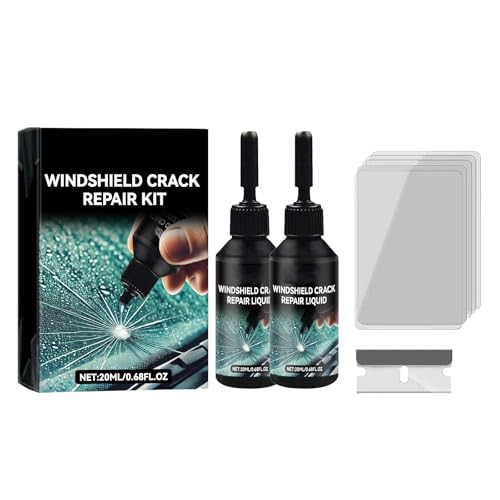
1. Act Fast on Chips: If you notice a small chip, get it repaired immediately. Many auto glass repair shops can fix chips for free or a very low cost. A DIY resin kit is also a fast, cheap option for small chips if you would rather not wait for a shop appointment — see our car glass repair and replacement guide for what is repairable yourself versus what needs a professional.
They inject a special resin into the chip. This stops it from spreading and restores the glass’s strength. Don’t wait!
2. Understand Repair vs. Replacement: A chip can usually be repaired if it’s smaller than a quarter and not in the driver’s direct line of sight.
Cracks longer than a few inches, or those near the edge of the windshield, usually require full replacement.
3. Know Your Insurance Policy: As mentioned, comprehensive insurance often covers glass. Call your insurance company.
They can tell you what your deductible is for windshield replacement and if there are preferred repair shops. Sometimes, they’ll waive the deductible for glass repair.
4. Use Reputable Repair Shops: Whether it’s an insurance-approved shop or one you found yourself, choose a place with good reviews. Improper installation can lead to new problems.
Ensure they use quality materials and follow best practices.
5. Protect Your Windshield: While you can’t prevent every rock, parking away from busy roads or construction zones can help. Keeping your car clean can also help spot damage early.
6. Check Extended Warranties Again: If you have an extended warranty or a service contract, dig into the details. Some do offer a glass rider or a specific benefit for chip repair.
It’s worth a thorough read.
These tips can help you manage the situation more effectively and affordably. The key is to be proactive.
Quick Scan: Windshield Repair vs. Replacement
- Chip Repair:
- Size: Usually smaller than a quarter.
- Location: Not in the driver’s direct view.
- Cost: Often free or low-cost.
- Benefit: Stops cracks, restores strength, maintains visibility.
- Windshield Replacement:
- When: Long cracks, damage near edges, severe chips.
- Cost: Varies greatly; often involves insurance deductible.
- Benefit: Full visibility and structural integrity restored.
- Important: Always consult a professional for diagnosis.
Frequent Questions About Car Warranties and Windshields
Is windshield damage covered by a typical bumper-to-bumper warranty?
No, a typical bumper-to-bumper warranty usually does not cover windshield damage like chips and cracks. These warranties are designed to cover manufacturing defects in parts and labor, not damage caused by external road hazards, accidents, or normal wear and tear. Windshield damage is generally considered accidental or environmental damage.
Does my car insurance cover windshield chips and cracks?
Yes, if you have comprehensive coverage on your auto insurance policy, it often covers windshield damage. Many insurance providers offer glass repair with no deductible, and replacement may have a small deductible. It is always best to check your specific policy details or contact your insurance agent to confirm your coverage.
What is the difference between a windshield chip repair and replacement?
A windshield chip repair is suitable for small chips (usually smaller than a quarter) that have not caused a significant crack. A special resin is injected to prevent the chip from spreading and restore structural integrity. A replacement is necessary for longer cracks (typically over 6 inches), damage near the edges of the windshield, or severely damaged areas.
Can a small windshield chip turn into a big crack?
Yes, absolutely. A small chip is a weak point in the glass. Changes in temperature (hot or cold), vibrations from driving, or minor impacts can cause the chip to spread into a long crack. It’s why getting chips repaired promptly is highly recommended.
What should I do if my windshield is damaged?
First, assess the damage. If it’s a small chip, seek professional repair as soon as possible. If it’s a crack, check your auto insurance policy for comprehensive coverage. Contact your insurance company to start a claim and find a reputable auto glass repair shop. If you don’t have comprehensive insurance, get quotes from several auto glass shops.
Are there any extended warranties that cover windshields?
Some extended warranties or service contracts offer optional add-ons or riders that specifically cover glass damage, including windshields. However, these are not standard and must be purchased as part of the contract. Always read the fine print of any extended warranty to understand its coverage for glass.
Can a dealership fix a chipped windshield under warranty?
Generally, no. Dealerships typically only cover windshield damage under the manufacturer’s warranty if there is a clear defect in the manufacturing or installation of the glass itself. Road hazard damage, which causes most chips and cracks, is almost always excluded from standard new car warranties.
Conclusion: Know Your Coverage, Act Fast
Dealing with a damaged windshield can be stressful. The main takeaway is that your car’s factory warranty usually won’t cover it. These warranties focus on manufacturing faults, not road hazards or wear and tear.
Your best bet for coverage is typically your comprehensive auto insurance. Get chips fixed quickly to prevent them from becoming costly cracks.
Always read your warranty and insurance documents carefully. Understanding your specific coverage will save you time and money. Be proactive with repairs.
A little attention to a small chip can prevent a much bigger problem down the road.
Products related to this article
Sponsored / affiliate links. As an Amazon Associate I earn from qualifying purchases. I may earn additional commission from eligible campaigns.