How Much Does an Electric Car Cost? 2026 Price Guide by Model
A new electric car costs anywhere from about $27,600 to well over $100,000 in 2026, and the average buyer paid roughly $56,200 for a new EV this year – still a real premium over the roughly $49,900 average price of any new vehicle, gas or electric.
That premium used to shrink fast at the register, because most buyers could claim a $7,500 federal tax credit. That credit is gone for anyone buying today – it ended on September 30, 2025. So the sticker price you see now is much closer to the price you actually pay.
This guide breaks down exactly what electric cars cost in 2026: real starting prices for 13 popular models across budget, mid-range, and luxury segments, what is actually included in that sticker price, what happened to the tax credit, and the extra costs – charger installation, insurance, tires, and eventual battery service – that show up after you drive off the lot.
How Much Does an Electric Car Cost in 2026?
Electric car prices span a huge range, but three numbers give you the shape of the market. The cheapest new EV sold in the U.S., the Chevrolet Bolt EV, starts at $27,600. The average new EV buyer paid about $56,200 in mid-2026, according to Kelley Blue Book and Cox Automotive transaction data. And a fully loaded luxury EV, like the 2026 Tesla Model S, starts above $109,990.
For comparison, the average transaction price across all new vehicles – gas, hybrid, and electric combined – was about $49,900 in mid-2026. That puts the typical EV premium at roughly $6,000 to $12,000 over a comparable gas vehicle, though the gap has narrowed as more automakers compete in the sub-$40,000 range.
| Price Point | 2026 Figure | Example |
|---|---|---|
| Cheapest new EV | $27,600 | Chevrolet Bolt EV |
| Average new EV transaction price | ~$56,200 | Across all EV models sold |
| Average new vehicle (all types) | ~$49,900 | Gas, hybrid, and electric combined |
| Typical luxury EV | $70,000–$110,000+ | Lucid Air, Tesla Model S |
BUDGET FOR THIS BEFORE YOU BUY
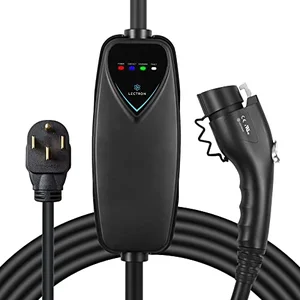 |
Lectron Level 2 EV Charger – $269.99 As this guide covers below, a home Level 2 charger is one of the biggest costs new EV owners forget to budget for on top of the purchase price.
|
Electric Car Prices by Model: Budget, Mid-Range and Luxury
Averages hide a lot. The real question for most buyers is what a specific model actually costs, so here are current starting prices (before any state incentives) for 13 of the most cross-shopped EVs on the market, grouped by segment.
Budget Electric Cars (Under $40,000)
| Model | 2026 Starting Price |
|---|---|
| Chevrolet Bolt EV | $27,600 |
| Nissan Leaf | $31,485 |
| Chevrolet Equinox EV | $34,995 |
| Hyundai Ioniq 5 | $36,600 |
| Tesla Model 3 | $36,990 |
| Ford Mustang Mach-E | $37,995 |
| Tesla Model Y | $39,990 |
Mid-Range Electric Cars ($40,000–$70,000)
| Model | 2026 Starting Price |
|---|---|
| Kia EV6 | $41,200 |
| Volkswagen ID.4 | $45,095 |
| BMW i4 | $59,075 |
Luxury Electric Cars ($70,000+)
| Model | 2026 Starting Price |
|---|---|
| Lucid Air | $70,900 |
| Rivian R1S | $76,990 |
| Tesla Model S | $109,990 |
A few things drive the spread inside each segment. Battery pack size is the single biggest factor – a bigger pack means more range but a much higher manufacturing cost, and battery cells still make up 15–30% of an EV’s total build cost. Brand positioning matters too: Tesla and legacy automakers with high production volume can spread costs across more units than a low-volume luxury brand like Lucid or Rivian. And trim level swings the final price as much as the base model does – a loaded Tesla Model Y Long Range AWD runs about $8,500 more than the base rear-wheel-drive version.

What Is Actually Included in an EVs Sticker Price?
The MSRP you see on a window sticker or manufacturer website is the starting point, not the final number. A few line items almost always get added on top:
- Destination fee: Typically $1,000–$1,700, charged by every automaker to cover shipping the car from the factory to the dealer. This is not optional and is not included in the advertised starting price.
- Home charging equipment: Most EVs ship with only a slow Level 1 charging cord. A faster Level 2 home charger and its installation is a separate purchase, covered in detail below.
- Taxes, title, and registration: Sales tax alone can add several thousand dollars on a $50,000 car, depending on your state.
- Options and trim upgrades: Larger battery packs, all-wheel drive, and driver-assist packages are frequently sold as separate add-ons rather than being standard equipment.
Add these together and the out-the-door price on a $40,000 EV can realistically land $3,000 to $6,000 above the advertised starting figure, before any incentives are applied.
What Happened to the $7,500 Federal EV Tax Credit?
The federal Clean Vehicle Tax Credit (Section 30D), which had offered up to $7,500 off a new EV, was eliminated effective September 30, 2025 by the One Big Beautiful Bill Act – years ahead of the 2032 expiration it was originally scheduled for under the Inflation Reduction Act. If you are shopping for an EV in 2026, that credit is simply not available at the point of sale, for new or used vehicles.
The one narrow exception: buyers who signed a binding purchase agreement and made a qualifying payment on or before September 30, 2025 may still be able to claim the credit even if delivery happened later. Outside that specific case, every price in this guide reflects what you actually pay, with no federal credit to subtract.
State-level incentives are a different story, and several are still active in 2026 – Colorado and California both run programs worth $750 to $7,500 depending on the vehicle and buyer income. Programs change often, so check your state energy office before you buy. For the full breakdown of what changed, what replaced the federal credit, and which state programs are still paying out, see our complete guide to whether electric cars are still worth the price in 2026.
Extra Costs to Budget For After You Buy
The purchase price is only the first bill. A few ongoing and one-time costs are specific to owning an EV rather than a gas car.
Home Charger Installation
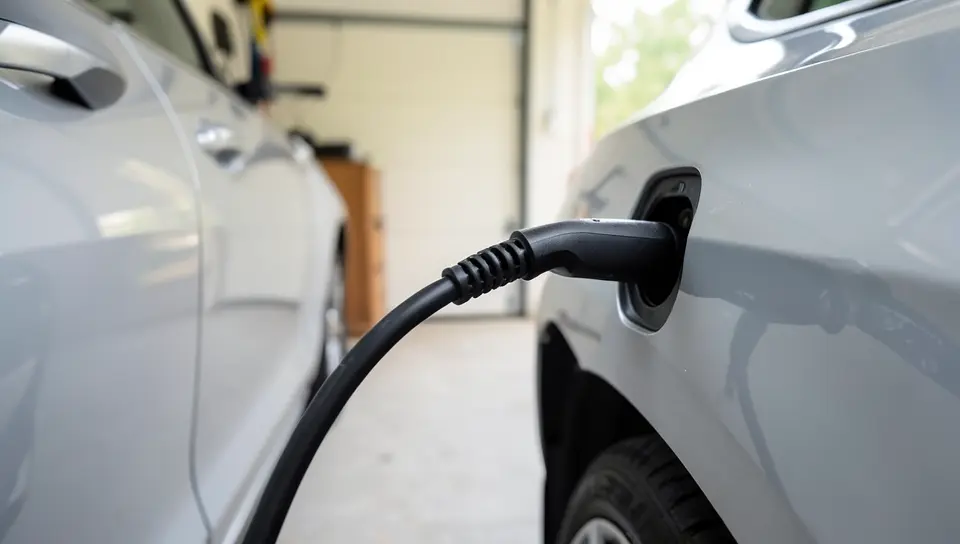
A Level 2 home charger and its installation typically runs $800 to $3,000 all-in for a home with an adequate electrical panel. If your panel needs an upgrade from 100A to 200A service to handle the load, add another $1,500 to $4,000 to that project. A federal tax credit (Section 30C) can cover 30% of installation costs, up to $1,000, but it only applies to homes in certain qualifying areas – confirm your address qualifies before assuming you will get it.
Insurance, Tires, and Battery Service
EVs generally cost more to insure than comparable gas cars, largely because of higher vehicle values and pricier repair parts. Tires wear faster too – EVs are heavier and deliver instant torque, both of which shorten tire life compared to a similarly sized gas car. Out-of-warranty battery replacement is genuinely expensive, ranging from roughly $4,000 for a small pack up to $25,000 or more for a large one, but federal rules require automakers to warranty the pack for at least 8 years or 100,000 miles, so most owners never pay this cost during typical ownership. For the full cost-of-ownership math on insurance, maintenance, and resale value, see our detailed breakdown of EV ownership costs.
Electric vs. Gas: Is the Higher Price Worth It?
The short version: EVs cost more to buy but less to run. Electricity is cheaper per mile than gasoline in nearly every U.S. market, especially if you charge at home overnight, and EVs need far less routine maintenance since there is no oil, no spark plugs, and no exhaust system to service. Whether those savings actually close the upfront price gap within a few years of ownership depends heavily on how many miles you drive, your local electricity rate, and whether you qualify for any state incentive. It is a genuinely different calculation for a 5,000-mile-a-year commuter than for someone who drives 20,000 miles a year on a road-tripping schedule.
Frequently Asked Questions
How much does an electric car cost on average in 2026?
The average new EV buyer paid about $56,200 in mid-2026, according to Kelley Blue Book and Cox Automotive data, compared to roughly $49,900 for the average new vehicle across all fuel types. Entry-level EVs start well below that average, closer to $27,600 to $37,000.
What is the cheapest electric car you can buy new?
The Chevrolet Bolt EV is the least expensive new EV sold in the U.S. in 2026, starting at $27,600 before any destination fee or state incentives.
Is the federal EV tax credit still available?
No. The federal $7,500 new EV tax credit and $4,000 used EV credit both ended on September 30, 2025. The only exception is for buyers who had a binding purchase agreement and made a qualifying payment before that date. Some state incentives are still active in 2026.
What extra costs come with owning an EV besides the purchase price?
Plan for a home Level 2 charger and installation ($800–$3,000), somewhat higher insurance premiums, more frequent tire replacement, and the small possibility of an out-of-warranty battery replacement, which most owners never actually pay for thanks to the mandatory 8-year or 100,000-mile battery warranty.
How much does it cost to install a home EV charger?
A Level 2 home charger and installation typically costs $800 to $3,000, including the hardware and electrician labor. If your electrical panel needs an upgrade to handle the added load, that can add $1,500 to $4,000 more to the project.
Are electric cars cheaper to own than gas cars long-term?
Often, but not always. EVs cost more to buy and typically more to insure, but save money on fuel and routine maintenance. Whether the total cost of ownership favors the EV depends on your annual mileage, local electricity rates, and any state incentives you qualify for.
Conclusion
Electric car prices in 2026 range from $27,600 for a Chevrolet Bolt EV to well over $100,000 for a flagship Tesla Model S, with the average new EV buyer paying around $56,200. The purchase price is just the starting point – destination fees, taxes, home charging equipment, and insurance all add to what you actually spend. With the federal tax credit gone, comparing a specific model against its closest gas equivalent, and checking whether your state still offers an incentive, is the most reliable way to know what an electric car will really cost you.
Products related to this article
Sponsored / affiliate links. As an Amazon Associate I earn from qualifying purchases. I may earn additional commission from eligible campaigns.