Does Firestone Tow Cars? Here’s What You Need To Know
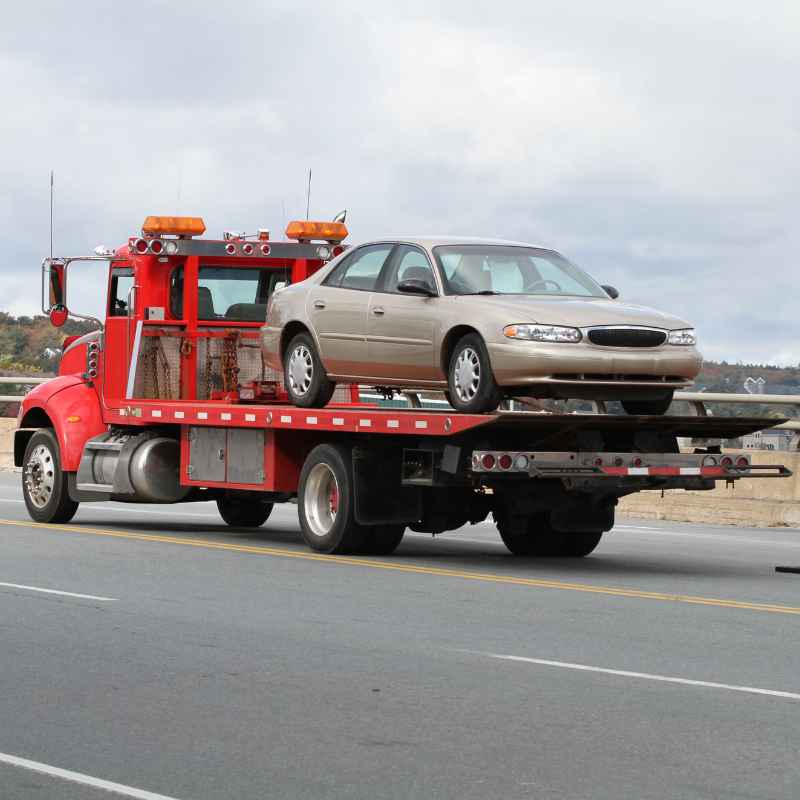
Firestone usually does not tow cars. It is mainly a repair and maintenance shop, so you need a separate tow service or roadside help. Waiting on the wrong transport plan can leave you stranded longer, add storage fees, or create a no-start safety risk. This guide explains what Firestone can handle, when to arrange a tow, and the safest next step for diagnosis or repair.
Quick answer


Firestone Complete Auto Care is not a towing company. Its role starts after the car reaches the shop, where it can inspect, diagnose, and repair many drivability problems. Some services are available at participating or select locations, including free courtesy checks with service, complete vehicle inspection, and state vehicle inspection options.
If your car cannot be driven, call a roadside service, a tow operator, or your insurer first. Firestone can still be the destination shop after the tow arrives, but it is not the dispatch point for a truck. That distinction matters when you are deciding whether to call for roadside help, arrange a repair drop-off, or contact an impound lot.
Tow decision table
| Situation | Best first call | Likely costs | Can Firestone inspect or repair after arrival? | What documents to bring |
|---|---|---|---|---|
| Roadside breakdown | Roadside assistance, tow operator, or insurer | Tow fee based on distance, hookup, and time of day | Yes, if the car is delivered to a participating shop and the store can accept it | Driver’s license, insurance card, keys, and any service notes |
| Impound tow | Local police or the tow yard that has the vehicle | Tow fee plus storage fees; payment may be due before release | Yes, after release, for inspection or repair triage | Photo ID, registration, proof of ownership, and release paperwork if required |
| Post-collision tow | Police, insurer, or tow operator arranged for the crash scene | Can include tow fees, after-hours charges, and possible storage | Yes, for inspection and repair estimates once the vehicle is released | Insurance details, police report number if available, ID, and keys |
| Car won’t start | Roadside assistance, tow operator, or shop appointment line | May be a short tow or a roadside service call; pricing varies by distance and timing | Yes, for battery, starter, charging, or other diagnosis | Keys, registration, insurance card, and any warning-light notes |
What Firestone can help with after the car arrives
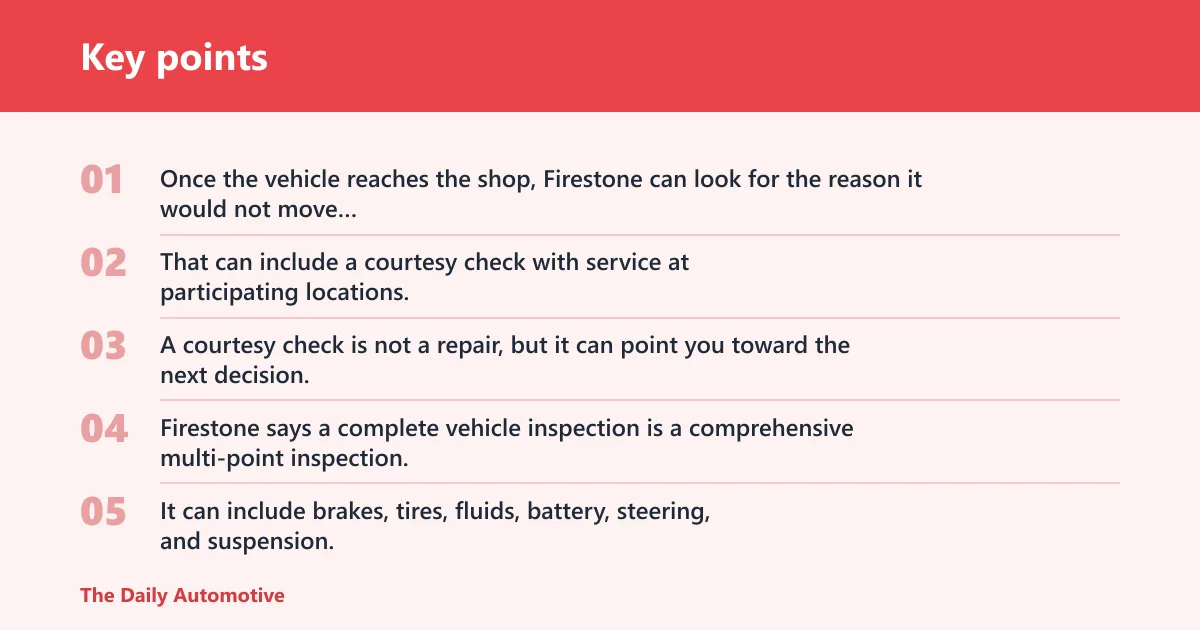
Once the vehicle reaches the shop, Firestone can look for the reason it would not move or would not start. That can include a courtesy check with service at participating locations, a complete vehicle inspection, or a state vehicle inspection at select locations. A courtesy check is not a repair, but it can point you toward the next decision.
Firestone says a complete vehicle inspection is a comprehensive multi-point inspection. It can include brakes, tires, fluids, battery, steering, and suspension. Firestone says inspection time can be 30–60 minutes or longer, and it recommends a vehicle inspection at least once a year. That makes it useful before a trip or a season change, but it does not replace repairs or a state inspection. (Firestonecompleteautocare)
Picture a sedan that sat overnight and now cranks slowly with a battery warning light. A shop can inspect the battery and charging system after the tow arrives. That is different from a full repair, because the inspection tells you what failed and what needs attention next.
When do you need a tow?
You need a tow when the car cannot be driven safely or legally to a shop. Flat tires without a usable spare, severe overheating, brake failure, visible collision damage, or a no-start condition in traffic are all situations where roadside assistance or a tow is the safer move. If the issue is minor and the car remains controllable, an inspection may be enough first.
Signs the car should not be driven
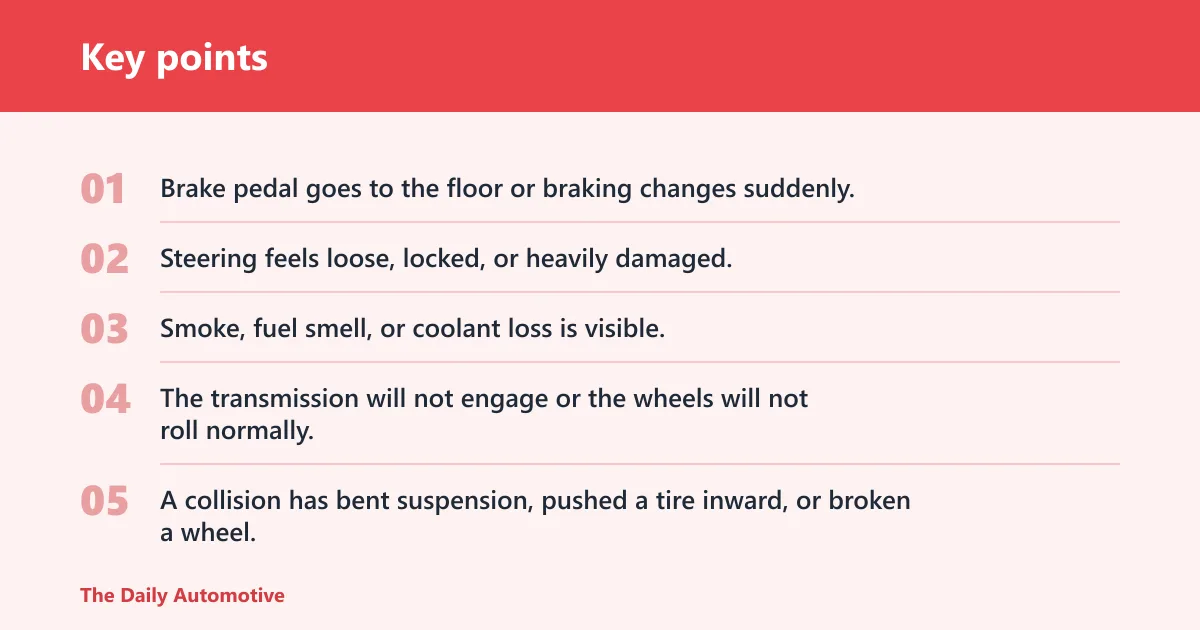
- Brake pedal goes to the floor or braking changes suddenly.
- Steering feels loose, locked, or heavily damaged.
- Smoke, fuel smell, or coolant loss is visible.
- The transmission will not engage or the wheels will not roll normally.
- A collision has bent suspension, pushed a tire inward, or broken a wheel.
Firestone’s own blog advises checking for car trouble before calling for a tow. That means looking for simple signs that the vehicle is unsafe to move, then choosing the right service call. If the problem is more than a quick roadside fix, towing is the safer choice.
When an inspection may be enough
An inspection may be enough when the car still drives normally but a warning light, vibration, or fluid concern needs a closer look. Firestone’s inspection services are built to sort out those problems. They can identify issues early, but they do not include full repairs, and they are not the same as a state inspection in every case.
Suppose the check engine light comes on after a fuel stop, but the car still starts and drives without noise or overheating. That is often a case for a shop visit and inspection, not a tow. A tow becomes the better choice once the car no longer moves safely under its own power.
How to choose between roadside help and a shop drop-off
- Check whether the car can move without creating a safety risk.
- If it cannot, call roadside assistance, a tow operator, or your insurer.
- Tell the shop, including Firestone, that the vehicle is arriving by tow.
- Ask whether the location can accept the vehicle and perform the needed inspection.
- Bring keys and paperwork so the shop can start diagnosis quickly.
How much does towing cost?
Towing costs change with the city, the miles hauled, the hour of the day, and the tow method needed. A short local tow can be relatively modest, while after-hours service, longer distances, or vehicle recovery can raise the bill quickly. If the vehicle goes to an impound lot, storage fees can add on each day until it is released.
Typical fee components
A tow bill can commonly include a hookup charge, mileage, and after-hours or weekend surcharges. Some companies also bill for winching, dollies, or vehicle recovery if the car is stuck in a ditch, parking barrier, or crash position. If the car is delivered to an impound lot, storage can begin the same day.
After-hours and storage charges
After-hours towing often costs more because the operator is responding outside standard business times. Storage charges can also rise fast, especially if the vehicle sits at an impound lot over a weekend or holiday. Hours and payment methods vary by lot, so confirm the location and release rules before you go.
Why impound tows cost more
Impound towing is different from a shop-arranged tow. It may involve police or a tow operator that moved the vehicle under legal authority, then storage until the owner clears the issue. That can mean tow fees plus daily storage, and the vehicle may not be released until payment or paperwork is complete.
What if the car is in an impound lot?
If your car was impounded, start by confirming where it was taken and who can release it. Contact local police, not 911, if your car was towed or stolen. Then call the tow yard or impound lot to confirm its hours, payment methods, and any required release paperwork before you travel there.
Who to call first
Local police can tell you whether the vehicle was impounded and which tow operator has it. The tow yard can then confirm whether the car is there, what it will cost to release, and whether there are limited operating hours. Do not assume the lot is open when you arrive.
What to bring before pickup
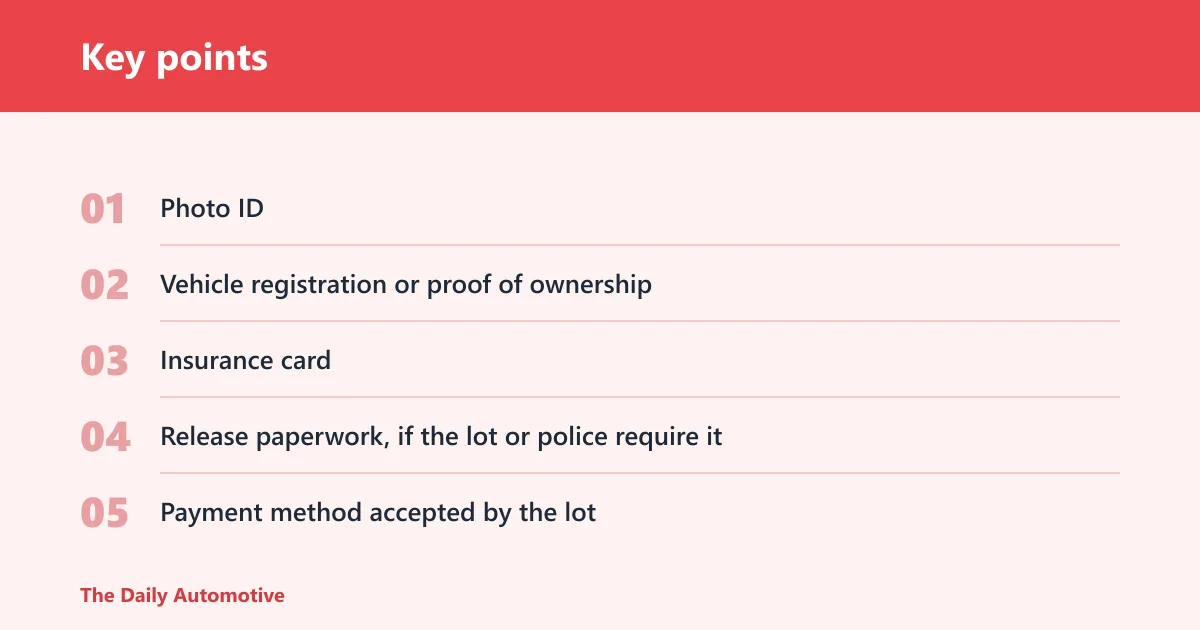
- Photo ID
- Vehicle registration or proof of ownership
- Insurance card
- Release paperwork, if the lot or police require it
- Payment method accepted by the lot
If the car was moved after a collision or police action, ask whether a report number is needed. Bring that information too. Some lots will not release a vehicle until the issue that led to the impound is resolved.
How storage and release rules affect cost
Storage fees can keep climbing until the vehicle leaves the lot. Some yards require payment before release, and some accept only specific payment methods. Confirm the details before arrival so you do not lose time or add another day of storage while you figure out the process on site.
Can towing damage your car?
Yes. Towing can cause damage if the vehicle is loaded, secured, or transported incorrectly, or if the car already has crash damage. Common tow-related issues can include bent suspension parts, scraped bumpers, tire damage, broken underbody components, and alignment problems. If you spot new damage after a tow, document it before the car is repaired.
When collision insurance may apply
Collision insurance may cover damage caused during towing, though a deductible can apply and a claim process may be required. Coverage varies by policy, so you should confirm the details with your insurer rather than assuming every tow-related loss is included. That matters most after a crash or a rough recovery from a ditch.
What to document before repairs
- Take clear photos of all visible damage from several angles.
- Note the date, time, tow company, and drop-off location.
- Keep the tow receipt, storage receipt, and any police or insurance paperwork.
- Tell the repair shop exactly when the damage appeared.
What Firestone offers instead of towing
Firestone’s value is what happens after transport, not the transport itself. It can inspect the car, identify likely causes, and recommend repairs or next steps. A vehicle inspection can help before a trip or season change, and a state vehicle inspection is available at select locations where required.
If your car is already at the shop, that is the right moment to use Firestone’s inspection services. If it is stranded roadside or sitting in an impound yard, get the transport problem solved first. Firestone can help after the vehicle arrives.
Frequently asked questions
Does Firestone tow cars?
Firestone does not usually tow cars. It is primarily a repair and maintenance destination, so you need a separate tow service, roadside assistance program, or insurer to move a disabled vehicle. Firestone can help after the car arrives by inspecting it, diagnosing the problem, and recommending repairs.
Can firestone Complete Auto Care tow my car to a shop?
Not as a general towing provider. Firestone Complete Auto Care can receive a vehicle once it is delivered, but the tow itself usually has to come from a roadside assistance company, tow operator, or insurance service. Check with the location if you need to confirm drop-off procedures or arrival timing.
Does Firestone offer roadside assistance or towing services?
Firestone’s core service is inspection, maintenance, and repair, not roadside dispatch. If your car cannot be driven, call a tow company, roadside assistance plan, or insurer. Firestone can then inspect the vehicle after it is delivered, including courtesy checks with service at participating locations.
How much does towing a car usually cost?
There is no single national price. Costs usually depend on distance, hookup, time of day, recovery difficulty, and whether storage is involved. A simple local tow is often cheaper than an impound tow, which can add daily storage charges and release fees before you get the vehicle back.
What should I do if my car is towed to an impound lot?
Call local police, not 911, to confirm where the car was taken, then contact the tow yard to verify hours, payment methods, and release rules. Bring ID, proof of ownership, registration, insurance, and any release paperwork. Expect storage fees to apply until the car is released.
Can Firestone inspect a car after a tow-related issue?
Yes. Once the car reaches the shop, Firestone can inspect it, look for damage or drivability problems, and suggest repair triage. A complete vehicle inspection can check brakes, tires, fluids, battery, steering, and suspension. That inspection is separate from any tow or impound process.
What kind of damage can happen during towing?
Common tow-related damage includes bent suspension parts, scraped bumpers, broken wheels, underbody scrapes, and alignment changes. If the tow or recovery caused new damage, take photos and save receipts. Collision insurance may apply, but policy terms and deductibles vary, so confirm coverage with the insurer.
How do I know whether my car needs a tow or just an inspection?
If the car cannot move safely, leaks fluid badly, has collision damage, or will not start in a way that roadside service can fix, arrange a tow. If it still drives and the issue is limited to a warning light, vibration, or maintenance concern, an inspection may be enough first.
Products related to this article
Sponsored / affiliate links. As an Amazon Associate I earn from qualifying purchases. I may earn additional commission from eligible campaigns.