Does Cold Weather Drain a Car Battery? Uncover the Truth
Picture this: you’re running late for work on a freezing winter morning, and your car refuses to start. Frustrating, right?
If you’ve ever wondered why your car battery seems to fail you just when you need it most, especially in cold weather, you’re not alone. The chill of winter doesn’t just send shivers down your spine; it can also sap the life out of your car battery.
But why does this happen, and what can you do to prevent it? Understanding the relationship between cold weather and your car battery can save you time, money, and a whole lot of stress. Stick around as we dive deep into the icy truth about car batteries and share tips to keep your vehicle running smoothly, even when the temperature drops.
Impact Of Cold Weather On Car Batteries
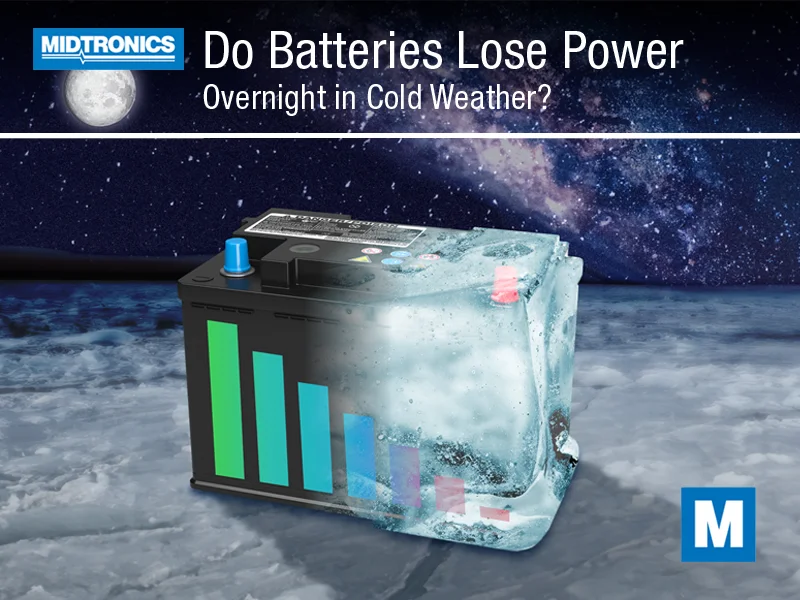
Cold weathercan make car batteries work harder. When it’s cold, the battery’s power drops. Car engines need more power in the cold. This means batteries must work extra hard. The cold makes the battery fluid thicker. Thicker fluid slows down the battery.
Most batteries need warmth to start cars. In winter, many batteries lose power. They lose power faster than in warm months. Batteries can also freeze. Frozen batteries might not work at all.
It’s smart to check batteries before winter. This keeps cars running well. A good battery helps start the car in cold weather. Keep your car battery warm to make it last longer.
Science Behind Battery Drain
Car batteries rely on chemical reactions to work. In cold weather, these reactions become slower. The battery’s power weakens. This means it can take longer to start the car. Cold temperatures make the battery’s chemicals move slowly. This affects the energy they provide. The car might struggle to start.
The electrolyte is a liquid inside the battery. It helps with the chemical reactions. In cold weather, this liquid can thicken. A thick electrolyte moves slowly. This slows down the battery’s power. Cars need strong batteries to start. Cold weather makes this hard. Keeping the battery warm can help. It keeps the electrolyte flowing well.
Signs Of A Drained Battery In Winter
The engine takes longer to start. This is a sign of a weak battery. You might hear a slow, whining sound. This happens because the battery struggles in the cold. A slow crank means it needs help. It’s important to check it soon. If ignored, the car might not start at all.
Headlights look dim. This means the battery is weak. Other electrical parts may not work well. The radio might stop or lights flicker. Cold weather makes it worse. Batteries lose power quickly in the cold. Check all lights and electronics often. This helps keep the battery strong.
Credit: www.whas11.com
Preventing Battery Drain In Cold Weather
Cold weather can be tough on car batteries. Regular checks are important. Make sure battery terminals are clean and tight. Dirt can cause problems. A visual inspection helps find cracks or leaks. These can lead to battery failure. Park in a garage if possible. It keeps the car warm. Reduce use of car accessories like radios. They drain the battery. Check fluid levels often. Low levels can cause trouble.
Battery chargers help when the car is parked for long. Use a trickle charger. It keeps the battery charged without overcharging. Choose a quality charger for best results. Follow instructions carefully. Wrong use can damage the battery. Chargers are great for cold nights. They ensure the battery stays charged. Safety first. Always unplug when done. Be cautious around electricity.
Choosing The Right Battery For Cold Climates
Cold weather can affect car batteries, making them drain faster. Choosing the right battery ensures better performance in chilly climates. Opting for a battery with high cold-cranking amps can help your car start easily even in freezing temperatures.
Features To Look For
Cold weather can be tough on car batteries. Choosing the right battery is key. Look for a high Cold Cranking Amps (CCA) rating. This helps the battery start in cold weather. Durability is important. You want a battery that lasts. Maintenance-free batteries are a good choice. No need to check water levels. Vibration resistance is crucial, especially in rough terrains. Warranty matters. Longer warranties offer peace of mind.
Comparing Brands And Models
Some brands work better in cold climates. Optima and DieHard are popular choices. Both offer strong performance. Interstate is known for durability. Bosch has good reviews. ACDelco offers reliable options. Compare warranties and prices. Read customer reviews online. Check battery size to fit your car. Consider installation ease. Some batteries are easier to install than others.

Credit: www.mathscinotes.com
Myths About Cold Weather And Batteries
Many people believe cold weather drains car batteries quickly. This is a common misconception. Cold weather can affect battery performance, but it doesn’t always drain it. A battery might struggle in cold conditions. But this doesn’t mean it’s drained. Heat can be harder on batteries than cold. High temperatures can cause battery fluid to evaporate. This can lead to damage over time. Cold weather makes batteries work harder to start engines.
But it doesn’t drain them instantly. Proper maintenance is important. Regular checks can keep your battery in good shape. Avoid leaving your car unused for long periods. Use a battery charger if needed. Understanding these facts can help manage your battery better.
Fiction often says cold kills batteries fast. But, this is not true. Extreme cold can slow battery power. It doesn’t mean the battery is dead. It’s just harder to start engines. Myths might say batteries need replacing every winter. Truth is, batteries can last many winters with care. Fiction says jump-starting is a must every cold morning. But, that’s not always needed. Regular checks are better. Fact is, batteries can work well in cold. Just keep them clean and charged. Simple maintenance can help your battery last longer. Understanding what affects batteries can save money.
Expert Advice For Winter Driving
Cold weather can affect car batteries, making them less efficient. Batteries struggle to generate power in low temperatures. Regular checks ensure your battery stays healthy in winter.
Tips From Automotive Specialists
Cold weather can be hard on car batteries. Experts suggest checking the battery’s health before winter. Cold temperatures make it harder for batteries to start cars. Have a mechanic inspect the battery terminals for corrosion. Clean them with a wire brush if needed. Battery blankets can help keep batteries warm. These are easy to install and very helpful.
Ensure your car’s oil is suitable for cold weather. Thicker oils can cause problems in winter. Use the right antifreeze for your vehicle. This protects the engine from freezing. Tires are also important. Check tire pressure regularly, as cold air can reduce it. Winter tires provide better grip on icy roads.
Prepare a winter emergency kit. Include items like blankets, food, and water. Jumper cables are handy for a dead battery. Stay safe and keep your car ready for winter.

Credit: boyceautorepair.com
Frequently Asked Questions
How Do I Keep My Car Battery From Dying In Cold Weather?
Park your car in a garage or sheltered area. Keep the battery terminals clean and tight. Use a battery blanket for added warmth. Regularly start your car to maintain the battery charge. Check the battery’s health and replace it if necessary.
How Fast Will A Car Battery Drain In Cold Weather?
Cold weather can drain a car battery faster due to increased energy demands. Batteries may lose 35% capacity at 32°F. At 0°F, they can lose 60% capacity. Keep the battery charged and warm to reduce drainage. Regular checks ensure optimal performance in cold conditions.
How Often Should I Start My Car To Keep The Battery Charged In Cold Weather?
Start your car once every week for 10-15 minutes in cold weather. This keeps the battery charged. Ensure all electrical components are off. Regular starts prevent battery drain and maintain engine health. Consider using a battery maintainer for long-term storage.
What Drains A Car Battery When The Car Is Off?
Car batteries drain when off due to interior lights, faulty wiring, or parasitic drains from electronics. Even a bad alternator or extreme temperatures can contribute. Regular checks and maintenance help prevent unexpected battery drainage. Always ensure lights and devices are off before leaving the vehicle to conserve battery life.
Conclusion
Cold weather affects car batteries. It can make them weaker. This happens because batteries work harder in the cold. To keep your battery strong, check it often. Ensure it’s clean and connections are tight. Park your car in a garage if possible.
This helps protect the battery from freezing temperatures. Investing in a battery heater might be a good idea. Regular maintenance can prevent battery failure. Stay prepared for winter. Your car will thank you.