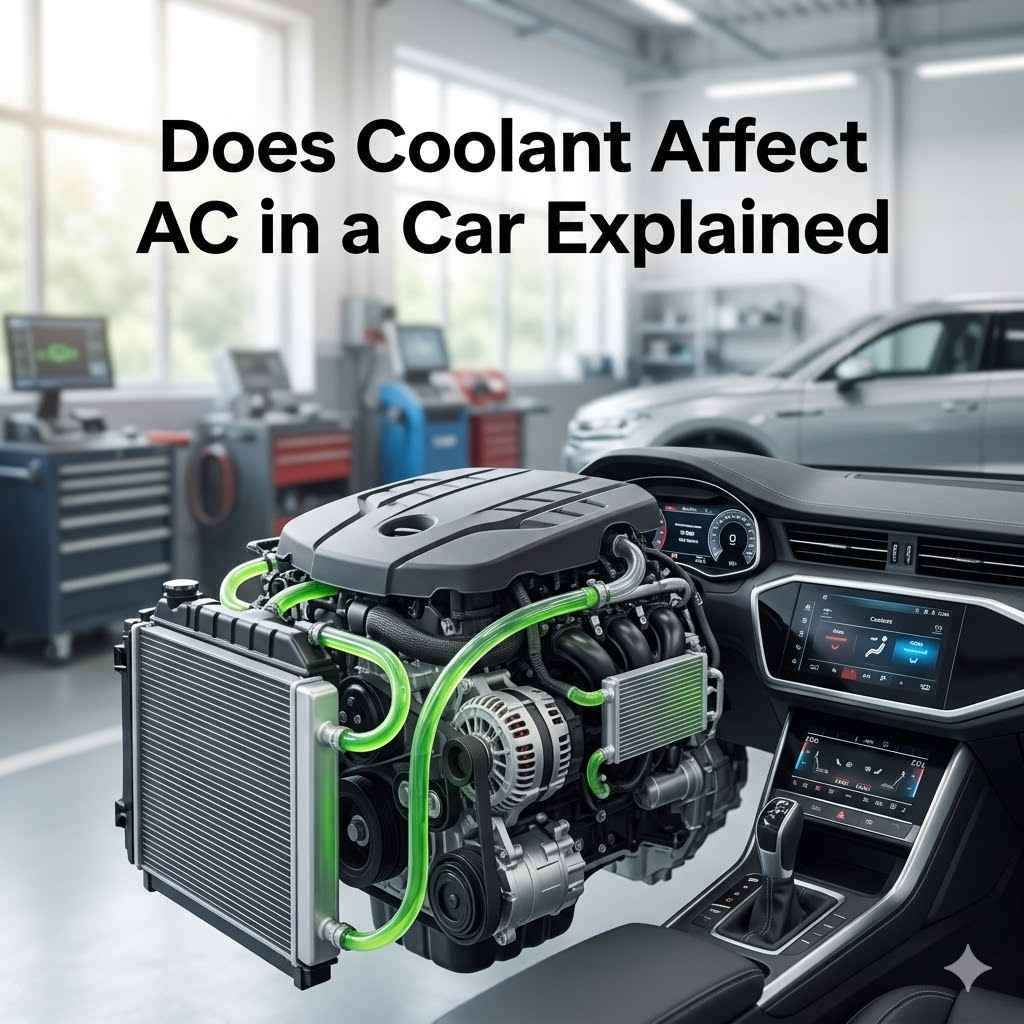
Does Coolant Affect AC in a Car Explained
Many car owners wonder, does coolant affect AC in a car? Explained, this question can seem tricky because coolant is for the engine, not the air conditioning. It’s easy to get confused when thinking about how different car parts work together.
But don’t worry! We’ll break it down simply. This guide will show you exactly how your car’s coolant and AC system are linked, step by step, so you can understand it clearly.
How Engine Coolant Impacts Car AC
Engine coolant plays a vital, though indirect, role in your car’s air conditioning system. While coolant doesn’t flow directly through the AC components like refrigerant does, its temperature management is crucial for overall vehicle performance, which in turn affects the AC. A properly functioning cooling system ensures the engine doesn’t overheat, and this stable engine temperature helps the AC compressor operate efficiently.
If the engine overheats, various systems, including the AC, may shut down or perform poorly to protect the engine.
The Engine’s Cooling System
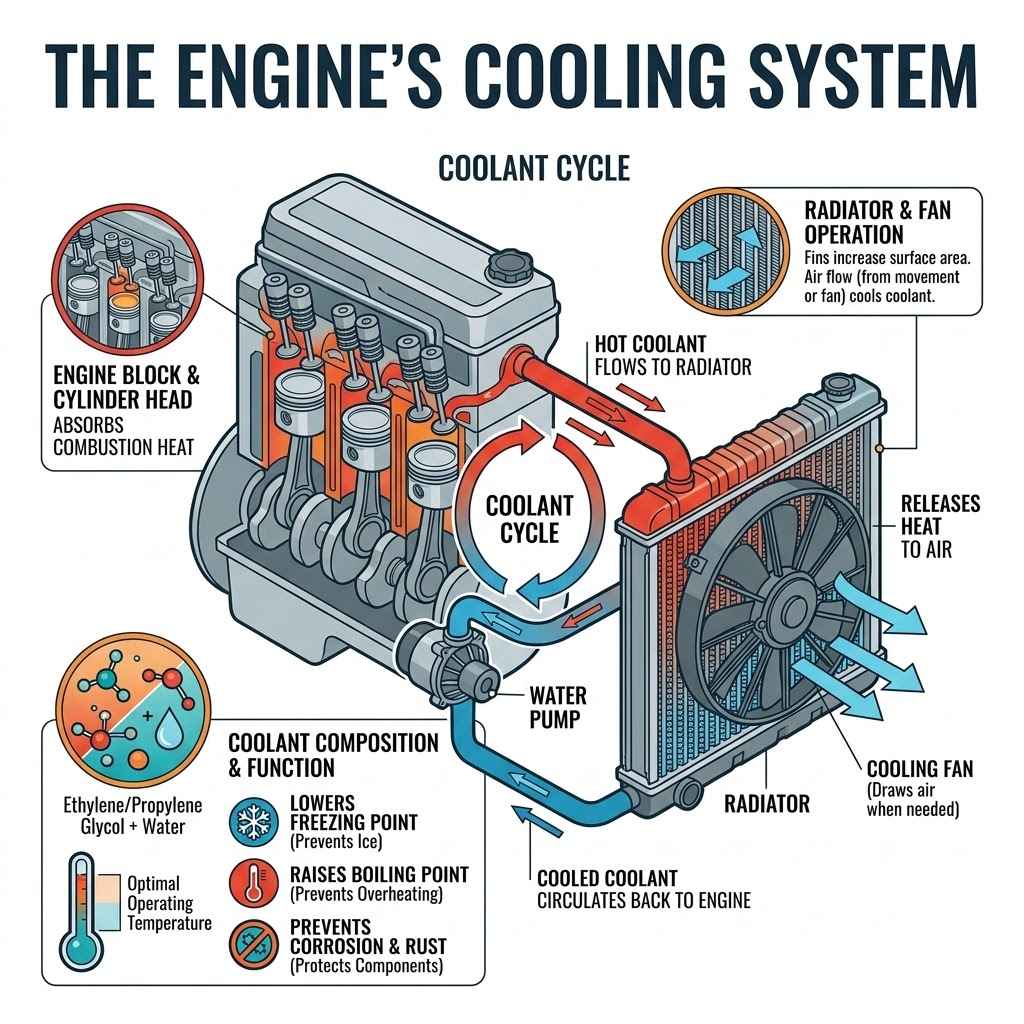
The engine’s cooling system is designed to keep the engine at its optimal operating temperature. It circulates a mixture of antifreeze and water, known as coolant, throughout the engine block and cylinder head. Heat generated by combustion is absorbed by the coolant, which then flows to the radiator.
In the radiator, the hot coolant releases its heat to the outside air, thanks to airflow from the vehicle’s movement or a fan. This cooled coolant then circulates back into the engine, repeating the process. This constant cycle prevents the engine from becoming too hot, which could cause severe damage.
Coolant Composition and Function
Coolant, often called antifreeze, is a mixture typically made of ethylene glycol or propylene glycol and water. The glycol lowers the freezing point of the water, preventing it from turning to ice in cold weather, and raises its boiling point, preventing the engine from overheating in hot weather. It also contains additives that prevent corrosion and rust within the cooling system, protecting vital engine components.
Without these protective properties, the metal parts of the engine and radiator could degrade over time, leading to leaks and system failure. The precise ratio of glycol to water is important for optimal performance across a wide range of temperatures.
Radiator and Fan Operation
The radiator is a heat exchanger where the hot coolant from the engine transfers its heat to the surrounding air. It consists of a network of small tubes and fins that increase the surface area exposed to the air. As the car moves, air passes through the radiator, cooling the coolant.
When the car is stationary or moving slowly, a cooling fan kicks in to draw air through the radiator. This fan can be engine-driven or electric, depending on the vehicle model. Consistent airflow is essential for the radiator to effectively dissipate heat and keep the engine from overheating.
The temperature sensor on the engine determines when the fan needs to operate.
Engine Overheating and AC Symptoms
When an engine overheats, it’s a serious issue that can cause a cascade of problems, including a non-functional AC. The engine’s computer system often detects dangerously high temperatures and will initiate protective measures. One common response is to disengage the AC compressor clutch.
This reduces the load on the engine, allowing it to cool down faster. As a result, the AC will blow warm air or stop blowing air altogether. This is a clear indication that the engine’s cooling system needs immediate attention before further damage occurs.
How Overheating Affects the AC Compressor
The AC compressor is a belt-driven pump that pressurizes the refrigerant, enabling the AC system to cool the cabin air. It’s powered by the engine. When the engine overheats, the engine’s control module can send a signal to disengage the AC compressor clutch.
This is a safety feature. By stopping the compressor, the engine doesn’t have to work as hard to power it, which helps it cool down more quickly. You might notice your AC suddenly stops blowing cold air, or it starts blowing warm air, when the engine temperature gauge climbs into the red zone.
This is the system protecting itself.
Signs of an Overheating Engine
Several signs can alert you to an overheating engine. The most obvious is the temperature gauge on your dashboard climbing into the red zone. You might also see steam or smoke coming from under the hood.
A sweet or burning smell can indicate a coolant leak. Some vehicles have an engine warning light that illuminates when the engine temperature is too high. You may also hear unusual noises from the engine, such as knocking or pinging, which can be signs of excessive heat.
It’s important to pull over safely and turn off the engine if you notice any of these symptoms.
Coolant Leaks and AC Performance
A coolant leak in the engine’s cooling system can indirectly impact the AC’s ability to function. If the coolant level drops significantly due to a leak, the engine can overheat. As we’ve discussed, an overheating engine will often cause the AC to shut down as a protective measure.
Therefore, even though the leak isn’t in the AC system itself, the resulting engine problem directly affects the AC’s performance. Finding and fixing coolant leaks is essential for maintaining both engine health and AC comfort.
Common Coolant Leak Locations
Coolant leaks can occur in several places within the cooling system. Hoses are a common culprit; they can crack, split, or become loose over time, especially at the connection points. The radiator itself can develop leaks, often from corrosion or physical damage.
The water pump, which circulates the coolant, has seals that can wear out and begin to leak. The thermostat housing, where the thermostat is located, can also develop leaks if its gasket fails. Even the engine block or cylinder head can develop cracks or gasket failures that lead to coolant loss, though these are usually more severe issues.
Diagnosing a Coolant Leak Affecting AC
Diagnosing a coolant leak that might be affecting your AC usually starts with checking the coolant level. If it’s low, you’ll need to look for signs of leakage. Check under the car for puddles of colored liquid (coolant is often green, orange, or pink).
Inspect hoses for cracks or signs of wear. Look for white or colored deposits around hose clamps or on the radiator, which can indicate dried coolant. If you notice a persistent sweet smell when the engine is running, it might be a sign of a coolant leak.
If the engine is overheating and the coolant level is low, it’s highly likely you have a leak.
The Role of Refrigerant vs. Coolant
It’s important to distinguish between coolant and refrigerant. Coolant is used in the engine’s cooling system to manage engine temperature. Refrigerant, on the other hand, is the fluid that circulates through the AC system, absorbing heat from the cabin and releasing it outside.
They are entirely separate fluids and operate in different, albeit interconnected, systems. The AC system has its own sealed loop of refrigerant, which is specifically designed for cooling. It does not mix with engine coolant.
Understanding this distinction is key to comprehending how they both contribute to your car’s comfort and operation.
Refrigerant in the AC System
Refrigerant is the working fluid of your car’s air conditioning system. It undergoes phase changes (from liquid to gas and back again) to absorb and release heat. In the AC system, the refrigerant starts as a low-pressure liquid, enters the evaporator (a part inside the car’s dashboard), where it absorbs heat from the cabin air and turns into a low-pressure gas.
This gas then goes to the compressor, which increases its pressure and temperature, turning it into a high-pressure gas. It then moves to the condenser (usually in front of the radiator), where it releases heat to the outside air and becomes a high-pressure liquid. This liquid then goes through an expansion valve, reducing its pressure and temperature, and the cycle repeats.
The type of refrigerant used has changed over the years, with R-134a being common and newer vehicles transitioning to R-1234yf.
Why They Don’t Mix
The engine cooling system and the AC system are physically separate and operate with different fluids under different pressures and temperatures. Coolant circulates through passages within the engine block and radiator. Refrigerant travels through a network of hoses, lines, and sealed components that are part of the AC system, including the compressor, condenser, evaporator, and accumulator.
There are no direct connections where these two fluids would normally mix. If, in a rare instance, they were to mix, it would indicate a serious failure in one of the components, such as a cracked heat exchanger or a damaged seal between systems, which would require extensive repair.
Temperature Regulation and AC Efficiency
The efficiency of your car’s AC system is directly linked to the engine’s operating temperature. When the engine runs at its optimal temperature, the AC compressor can perform its job most effectively. A stable engine temperature means the AC system receives a consistent and sufficient amount of power from the engine.
Conversely, if the engine temperature fluctuates wildly or is too high, the AC system will struggle to maintain a cool cabin temperature. This is because the engine’s overall performance is compromised, affecting the power available to the AC compressor and other engine-driven accessories.
Impact of Engine Load on AC
The AC compressor puts a load on the engine. When the AC is running, the engine has to work a bit harder to power the compressor. This is why you might notice a slight dip in acceleration or a slight increase in fuel consumption when the AC is on.
However, this load is designed to be manageable for a healthy engine. If the engine is already struggling, perhaps due to other issues or because it’s running too hot, the added load from the AC can exacerbate the problem. This is why a well-maintained cooling system is so important for the AC to function at its best.
Optimal Engine Temperature for AC
Most car engines are designed to operate most efficiently within a specific temperature range, typically between 195 and 220 degrees Fahrenheit (90 to 104 degrees Celsius). When the engine is within this range, all its components, including the AC system, function optimally. The engine’s computer monitors this temperature and makes adjustments to fuel injection and ignition timing to maintain it.
If the engine runs cooler than this range, the engine might not be as efficient, and the AC compressor might not receive optimal power. If it runs hotter, as discussed, the AC may be shut off to protect the engine.
Coolant Maintenance and AC Longevity
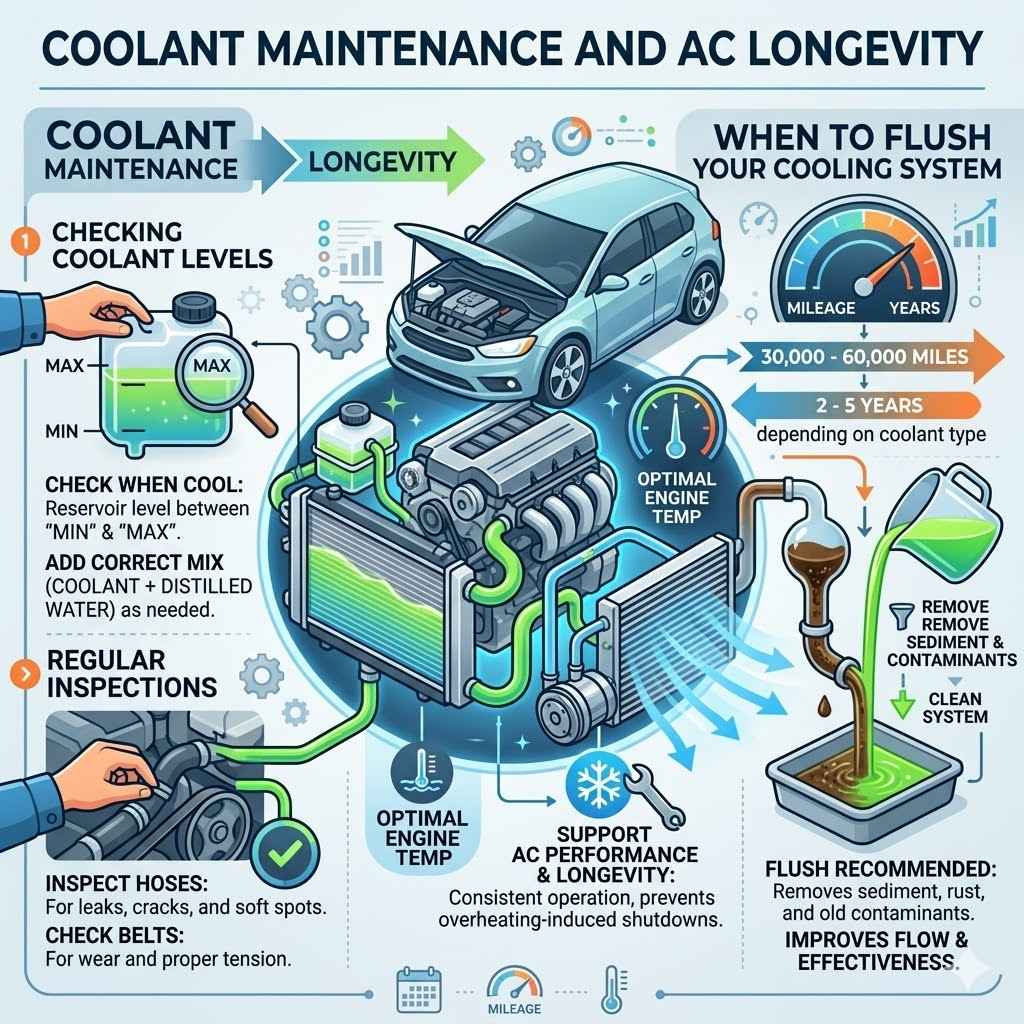
Regular maintenance of your car’s cooling system, including checking and topping up coolant levels, flushing the system periodically, and inspecting hoses and belts, is crucial for the longevity of both the engine and the AC system. By ensuring the engine stays within its optimal operating temperature, you prevent situations where the AC might be shut down due to overheating. This consistent operation helps the AC components last longer and perform reliably.
Neglecting coolant maintenance can lead to costly repairs down the line, not just for the engine but also for the AC.
Checking Coolant Levels
Checking your car’s coolant level is a simple but important maintenance task. Make sure the engine is cool before opening the radiator cap or the coolant reservoir. The reservoir is usually a translucent plastic tank with “MIN” and “MAX” markings.
The coolant level should be between these two marks. If it’s low, you’ll need to add a mixture of the correct type of coolant and distilled water, following your car’s owner manual recommendations. If you are consistently losing coolant, it’s a sign of a leak that needs to be addressed by a mechanic.
When to Flush Your Cooling System
Flushing your cooling system involves draining out the old coolant, cleaning the system, and refilling it with fresh coolant. This process removes sediment, rust, and contaminants that can build up over time and impede coolant flow. Most car manufacturers recommend flushing the cooling system every 30,000 to 60,000 miles, or every 2 to 5 years, depending on the type of coolant used and the vehicle model.
Following the recommended maintenance schedule for your cooling system ensures that the coolant can do its job effectively, preventing overheating and supporting the AC system’s performance.
Frequently Asked Questions
Question: Can low coolant cause my AC to stop working?
Answer: Yes, low coolant can indirectly cause your AC to stop working because it can lead to engine overheating. When the engine overheats, the car’s computer may shut off the AC compressor to reduce the load on the engine and prevent damage.
Question: Does the type of coolant matter for AC performance?
Answer: The type of coolant doesn’t directly affect AC performance because coolant is for the engine. However, using the wrong type of coolant can lead to cooling system problems, which can indirectly impact the AC if the engine overheats.
Question: If my AC blows warm air, is it definitely a coolant issue?
Answer: Not necessarily. Warm AC air can be caused by many things, including low refrigerant, a faulty compressor, a clogged condenser, or other AC-specific problems. An engine overheating issue is just one possible indirect cause.
Question: How often should I check my car’s coolant?
Answer: It’s a good practice to check your coolant level at least once a month, especially before long trips or during extreme weather. Also, check it whenever you notice the temperature gauge climbing higher than normal.
Question: Can I use plain water instead of coolant in my car?
Answer: While plain water can provide some cooling, it’s not recommended for long-term use. Water freezes at 32°F (0°C) and boils at 212°F (100°C), offering less protection against extreme temperatures and lacking the anti-corrosive additives found in proper coolant.
Conclusion
Your car’s coolant system and AC system are linked. Engine coolant keeps the engine from overheating. If the engine gets too hot, the AC can shut down.
Checking and maintaining your coolant is key for your AC to work right. This keeps both your engine and your cabin cool and comfortable.