Does Driving Fast Make Your Car Burn More Oil
Many drivers wonder, Does driving fast make your car burn more oil? It’s a common question, especially for those new to car care. You might notice your oil level seems lower after a trip where you sped a bit. It can feel confusing, but we’ll break it down simply. This post will explain why this happens step by step. We’ll show you the easy way to understand your car’s oil use.
Understanding Engine Oil Consumption
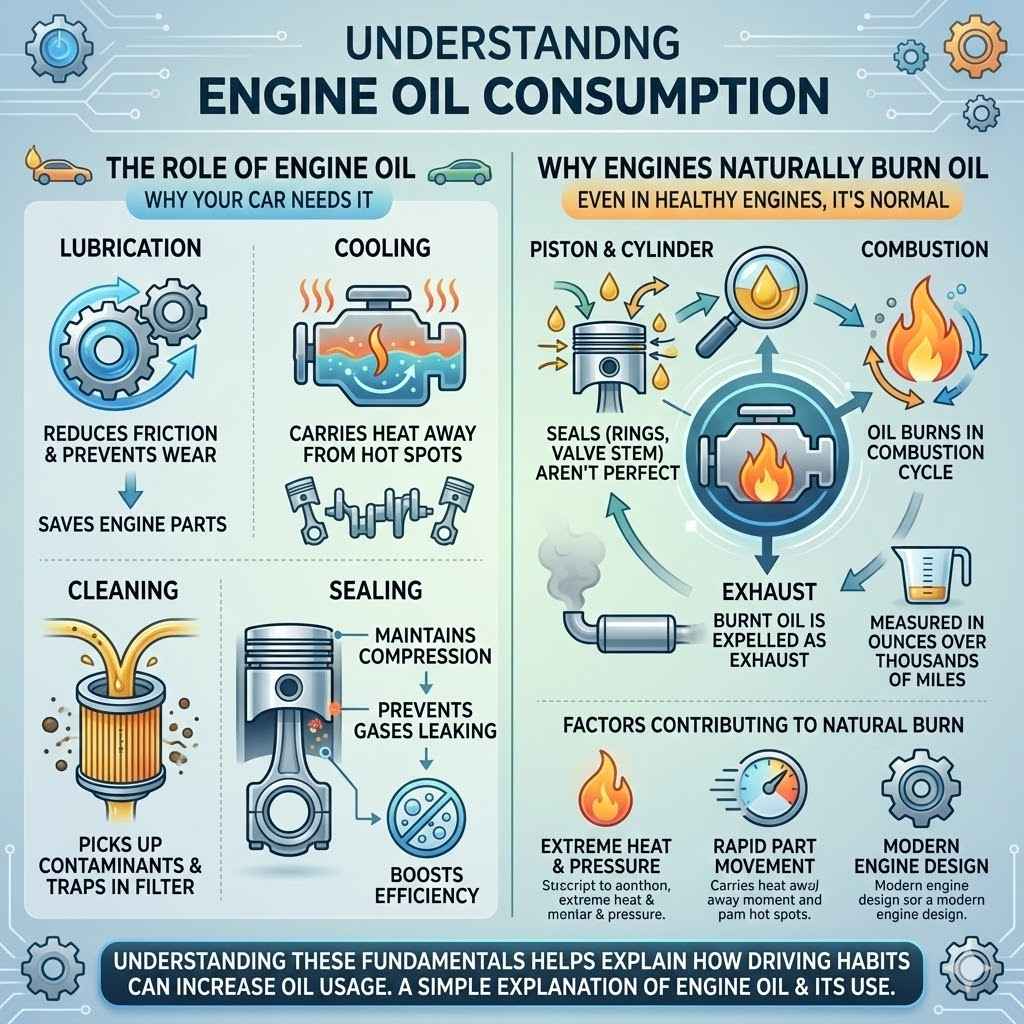
Engine oil is like a lubricant for your car’s engine. It keeps all the moving parts working smoothly. When your car runs, the engine gets very hot and everything moves fast.
Sometimes, small amounts of this oil can get past the seals and rings and burn up. This is a normal part of how engines work. However, how much oil burns can change depending on how you drive your car.
This section will explore the basic role of engine oil and why some oil consumption is expected. We will look at the natural processes within an engine that can lead to oil burning. Understanding these fundamentals will help us understand why certain driving habits might increase this usage.
We’ll explain what engine oil does in simple terms.
The Role of Engine Oil
Engine oil is a vital fluid for any vehicle. Its primary job is to lubricate the many moving parts inside the engine. Think of it like a protective layer that reduces friction between metal components.
Without enough oil, these parts would rub against each other directly, causing wear and tear. This can quickly damage your engine.
Oil also helps to cool the engine. As it circulates, it carries heat away from hot spots like the pistons and crankshaft. Furthermore, oil helps to clean the engine by picking up dirt and small metal particles.
It then carries these contaminants to the oil filter, where they are trapped. This keeps the engine’s internal surfaces clean and prevents buildup.
Oil also provides a seal between the piston rings and the cylinder walls. This seal is important for maintaining compression within the combustion chamber, which is necessary for the engine to run efficiently. A good seal prevents the fuel-air mixture from escaping.
It also stops combustion gases from blowing into the crankcase.
Why Engines Naturally Burn Oil
Even in a perfectly healthy engine, a small amount of oil consumption is normal. This happens because the engine operates under high temperatures and pressures. The pistons move up and down very quickly inside the cylinders.
While there are seals like piston rings and valve stem seals designed to prevent oil from entering the combustion chamber, they are not perfect.
Tiny amounts of oil can sometimes get past these seals. When the hot piston moves down after the combustion stroke, it can pull a small film of oil with it. This oil then mixes with the fuel and air mixture and is burned during the next combustion cycle.
The burnt oil is then expelled as exhaust. This is a very small amount, often measured in ounces over thousands of miles.
Several factors contribute to this natural oil burn. The extreme heat in the combustion chamber can cause the oil to vaporize slightly. The rapid movement of engine parts creates forces that can push oil into areas it shouldn’t go.
Also, the design of modern engines aims for a balance between performance and efficiency, which includes accepting a minimal level of oil consumption.
How Driving Fast Affects Oil Consumption
When you drive faster, your engine has to work harder. This means more fuel is being burned, and everything inside the engine moves at a much quicker pace. This increased activity can lead to more oil being pushed into the combustion chamber and burned.
So, yes, driving fast can make your car burn more oil.
This section will detail the specific ways that higher speeds and aggressive driving can increase oil consumption. We will explore the physics involved and how engine components react under stress. You will learn exactly why pushing your car’s limits can impact your oil levels.
We will also look at related driving habits.
Increased Engine Speed and Load
When you drive at higher speeds, your engine’s revolutions per minute (RPM) increase significantly. For instance, driving at 70 mph in a higher gear might mean your engine is spinning at 2,500 RPM, while driving at 40 mph in a lower gear could be around 1,500 RPM. This faster rotation puts more demand on all engine components.
The pistons move up and down much more rapidly. This increased speed, combined with the higher combustion pressures generated, can force more oil past the piston rings and into the combustion chambers. Think of it like trying to keep water in a bucket that’s being shaken vigorously – some will splash out.
The faster the shaking, the more splashes.
The engine also experiences a greater load. This means the engine is working harder to maintain speed, especially when going uphill or accelerating. This increased workload leads to higher internal temperatures and pressures.
All these factors work together to make it easier for small amounts of oil to escape the normal oil passages and get burned.
Higher Engine Temperatures
Driving at high speeds generates a lot of heat within the engine. The combustion process itself creates intense heat. When the engine is working harder, it produces even more heat.
This can cause the engine oil to get hotter than it would during normal, slower driving.
Hotter oil becomes thinner. When oil thins out, it loses some of its ability to stick to metal surfaces. This makes it easier for the thinner oil to seep past seals and into the combustion chamber.
The high temperatures also accelerate the oil’s breakdown. Degraded oil is less effective at lubricating and sealing.
The increased heat can also cause metal engine parts to expand. While this is a normal part of engine operation, extreme heat can sometimes slightly increase the gaps between parts like piston rings and cylinder walls. These tiny increases in space allow more oil to pass through and be burned.
Impact of Aggressive Acceleration and Braking
Beyond just high speeds, the way you accelerate and brake also plays a big role. Quick, hard acceleration puts a sudden, immense strain on the engine. This can momentarily overwhelm the sealing capabilities of the piston rings and valve seals.
During hard acceleration, the engine is forced to produce maximum power very quickly. This leads to rapid increases in RPM, cylinder pressure, and temperature. All of these factors contribute to a higher likelihood of oil being drawn or forced into the combustion chamber.
It’s a sudden surge of stress on the engine’s internal components.
Aggressive braking, especially frequent or hard braking, also signals to the engine that it’s being driven hard. While braking doesn’t directly burn oil, it’s often associated with a driving style that includes rapid acceleration and high speeds. This overall driving pattern is what leads to increased oil consumption.
Example: The Highway Commuter vs. The City Driver
Consider two drivers with similar cars. Driver A commutes daily on the highway, often maintaining speeds of 75-80 mph. They might also accelerate to highway speeds quickly after merging.
Driver B primarily drives in the city, with frequent stops and starts at lower speeds.
Driver A’s car will likely experience higher average engine RPMs and temperatures during their commute. The sustained high speeds and aggressive accelerations can lead to a noticeable increase in oil consumption over time. They might find themselves needing to top up their oil more frequently.
Driver B, on the other hand, experiences more stop-and-go traffic. While this involves more braking and acceleration cycles, the overall engine speed and temperature are generally lower and more intermittent. Therefore, Driver B’s car might consume less oil compared to Driver A’s, assuming similar maintenance.
This difference highlights how driving style directly impacts engine oil usage.
Factors That Influence Oil Burning
While driving fast is a major factor, other elements can also influence how much oil your car burns. These include the age of your car, the type of oil you use, and the overall health of your engine. Understanding these can help you manage oil consumption better.
We will explore these additional influences in detail. Knowing these can help you maintain your car and potentially reduce oil burning, regardless of your driving speed. This part gives you a more complete picture of oil consumption.
Engine Age and Wear
As cars age, their engines naturally experience wear and tear. This is especially true for components like piston rings and valve seals, which are designed to create tight seals. Over time and with many miles of use, these seals can become less effective.
The piston rings might wear down, creating larger gaps between the rings and the cylinder walls. Valve stem seals, which prevent oil from leaking down the valve stems, can harden and crack. Both of these issues allow more oil to enter the combustion chamber and be burned.
Older engines are generally more prone to higher oil consumption.
A car with 150,000 miles on it will likely burn more oil than a car with 15,000 miles, even if both are driven in the same way. This wear is cumulative and a natural consequence of engine operation. It’s one of the primary reasons why oil consumption increases as vehicles get older.
Type and Viscosity of Engine Oil
The type and viscosity of the engine oil you use can also affect how much oil your car burns. Viscosity refers to how thick or thin the oil is. Oils are rated using numbers like 5W-30 or 10W-40.
The ‘W’ stands for winter, and the first number indicates its viscosity at cold temperatures, while the second number indicates its viscosity at operating temperatures.
Using an oil that is too thin for your engine, especially at high temperatures, can lead to increased oil burning. Thinner oil is more likely to seep past seals. Conversely, using an oil that is too thick might not circulate efficiently at lower temperatures, potentially causing wear.
Modern engines often specify a particular oil viscosity. It is important to follow the manufacturer’s recommendations. Using a high-quality synthetic oil might offer better protection and a more stable viscosity over a wider temperature range, potentially helping to reduce oil burning in some cases.
However, it won’t magically fix worn-out seals.
Maintenance and Oil Changes
Regular maintenance, including timely oil changes, is crucial for engine health. When oil ages and becomes dirty, it loses its effectiveness. Old, degraded oil can become a sludge that doesn’t lubricate or seal properly.
This can lead to increased friction and wear, which in turn can increase oil consumption.
During an oil change, the old, used oil is
Using the correct oil filter and ensuring it is changed regularly is also part of good maintenance. The oil filter removes dirt and debris from the oil. A clogged filter can restrict oil flow, leading to increased wear.
Therefore, a consistent maintenance schedule is a key factor in managing oil consumption.
Blow-By and Its Causes
Blow-by is a term used to describe the leakage of combustion gases past the piston rings and into the crankcase. This is a significant indicator of engine wear and a direct cause of increased oil consumption.
When combustion gases escape into the crankcase, they can push oil vapors and droplets into the intake system. This oil can then be drawn into the combustion chambers and burned. Blow-by also pressurizes the crankcase.
While there’s a system to vent this pressure (PCV system), excessive blow-by can overwhelm it.
The primary causes of blow-by are worn piston rings, worn cylinder walls, or damaged pistons. If the seals between the piston and the cylinder wall are compromised, combustion gases will inevitably escape. High-performance driving, including high-speed driving, can exacerbate existing blow-by issues.
When Does Driving Fast Become a Problem
Driving fast isn’t inherently bad for your car if it’s well-maintained and you’re mindful of the engine’s limits. However, it can become a problem if it’s done constantly, aggressively, or if the car has underlying issues. Recognizing these situations is important.
This section focuses on the tipping point. When does spirited driving start to cause real issues beyond just needing a bit more oil? We will discuss the warning signs and when you might need to consult a mechanic.
We will also explore how to drive faster more safely for your car.
Warning Signs of Excessive Oil Consumption
There are several signs that your car might be burning too much oil, especially if you drive fast. The most obvious is a frequently low oil level. If you have to add oil more often than is reasonable, say every few hundred miles, something is wrong.
Another sign is blue smoke coming from the exhaust pipe, particularly when you accelerate. This blue smoke is actually burning oil. You might also notice an oily residue inside the exhaust pipe or on the tailpipe.
These are clear indications that oil is getting into the combustion process.
If your car’s check engine light comes on, or if you notice a decrease in engine performance, these could also be related to oil consumption issues. Low oil levels can lead to overheating and increased friction, which can cause other engine problems. So, don’t ignore these signals.
The Importance of Oil Type for Performance Driving
For drivers who frequently drive at high speeds or push their vehicles, selecting the right oil becomes even more critical. Performance oils are often synthetic and designed to withstand higher temperatures and pressures. They offer better lubrication and film strength.
These oils can help maintain their viscosity at high engine temperatures, reducing the risk of oil thinning and seeping past seals. They are also formulated with additives that can help protect engine components from wear during high-stress situations. This can be a key factor in mitigating increased oil consumption when driving fast.
However, even the best performance oil cannot compensate for severe engine wear. If your engine is old or has significant internal damage, no oil type will entirely prevent oil burning, especially during aggressive driving. It’s about managing the issue and reducing its severity.
When to Seek Professional Help
If you notice any of the warning signs of excessive oil consumption, it’s time to get your car checked by a qualified mechanic. This is especially true if the oil loss is significant or if you see blue smoke from the exhaust.
A mechanic can perform tests to determine the cause of the oil consumption. This might involve a compression test to check the piston rings, a leak-down test, or inspecting the valve seals. They can also check for any leaks in the oil system that might be causing oil loss.
Ignoring these issues can lead to more serious and expensive engine damage. For example, running an engine low on oil can cause catastrophic failure. Addressing oil consumption problems early can save you a lot of money and prevent major repairs down the road.
It’s always better to be safe than sorry.
Sample Scenario: A Weekend Sports Car Enthusiast
Imagine someone who owns a sports car and loves to drive it on winding country roads on weekends. They often push the car to its limits, accelerating hard and braking late. On these drives, the engine RPMs are frequently high, and temperatures rise.
This driver might notice their oil level dropping faster than if they just drove to the grocery store. They would likely be using a high-performance synthetic oil, which helps, but they might still need to top up. They should be vigilant for blue smoke or any unusual engine noises.
If they notice a sudden increase in oil consumption or persistent blue smoke, they would need to have the car inspected. The mechanic might find that the intense use has accelerated wear on certain components, or perhaps a valve seal has failed prematurely due to the stress. This scenario illustrates how aggressive driving directly impacts oil usage.
Does Driving Fast Make Your Car Burn More Oil A Summary
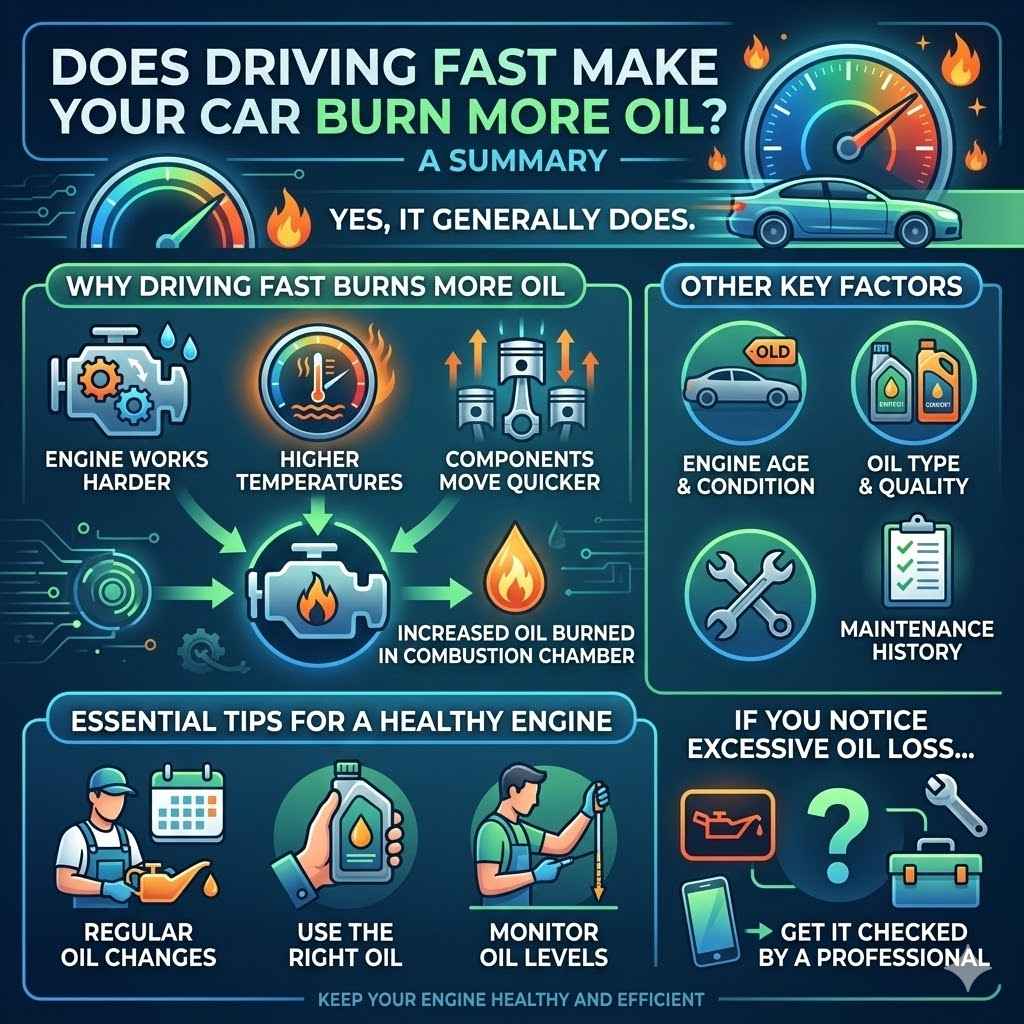
So, to answer the question, Does driving fast make your car burn more oil? Yes, it generally does. When you drive faster, your engine works harder, gets hotter, and components move quicker.
This increased stress can lead to more oil entering the combustion chamber and being burned. Age, oil type, and maintenance also play a role. Keeping up with oil changes and using the right oil are important.
If you notice a lot of oil disappearing, get it checked by a professional. This ensures your engine stays healthy.
Frequently Asked Questions
Question: Does driving fast always mean my car will burn more oil?
Answer: Driving fast can increase oil consumption, but it’s not guaranteed. Older cars or cars with worn engine parts are more likely to burn more oil when driven fast. Proper maintenance also plays a big part.
Question: How much oil is normal for a car to burn?
Answer: A very small amount of oil burn is normal for most engines. Manufacturers often consider up to one quart of oil per 1,000 miles to be acceptable, especially for older vehicles or during hard driving. However, excessive oil loss should be investigated.
Question: What are the symptoms of burning too much oil?
Answer: The main symptoms are a frequently low oil level, blue smoke coming from the exhaust (especially during acceleration), and an oily residue in the exhaust pipe. You might also notice a decrease in engine performance.
Question: Can I prevent my car from burning oil when I drive fast?
Answer: You can help reduce oil burning by using the correct, high-quality oil, especially a synthetic oil if recommended. Regular maintenance, like timely oil changes, is also very important. Driving less aggressively will also help.
Question: Should I use a thicker oil if my car burns oil when driven fast?
Answer: While a slightly thicker oil might seem like a solution, it’s best to stick to the oil viscosity recommended by your car’s manufacturer. Using the wrong oil can cause other problems. If your car is burning too much oil, it’s better to have the engine checked by a mechanic.
Conclusion
Yes, driving fast generally makes your car burn more oil. Higher speeds mean the engine works harder, gets hotter, and parts move faster. This extra stress can push more oil into the combustion chamber to be burned.
Older cars with worn parts are more affected. Using the right oil and keeping up with maintenance helps reduce this. If you see blue smoke or lose oil quickly, have a mechanic check your engine.
This keeps your car running smoothly and safely.