2026 BMW X3 Oil Type: Full Specs for 3.0i and 3.0si Engines
You just bought a used 2026 BMW X3, or maybe you have owned it for years. The service light pops on, and you open the owner’s manual. It tells you to use BMW LL-01 approved oil, but the shelf at the auto parts store has ten different jugs. Which one do you grab? Getting this wrong is not just about a warranty sticker. The N52 engine in this SUV is picky, and the wrong oil can lead to timing chain wear, VANOS rattle, and sludge that kills the motor.
This guide breaks down the exact 2026 BMW X3 oil type for both engine variants, the real oil capacity, and the filter part numbers you need. You will also learn why the certification matters more than the brand, how to reset the service light yourself, and what happens when you cheap out on viscosity. No fluff, just the specs and the reasoning behind them.
BMW
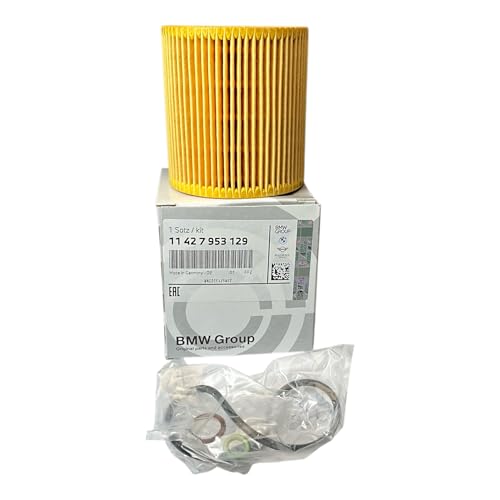
BMW 11427953129 Set Oil Filter Element
- Genuine BMW Product
- BMW oil filters are manufactured using only the highest quality materials
- Guaranteed to meet all specifications for filtration, pressure, and durability
Before you start the job, grab a genuine BMW oil filter. The BMW 11427953129 Set Oil Filter Element is the exact part that fits the 2026 X3. It is manufactured to meet the filtration and pressure specs of the N52, so you do not have to guess if an aftermarket filter will hold up for a 10,000-mile interval.
2026 BMW X3 Engine Options: 3.0i vs. 3.0si
In 2026, BMW sold the X3 in two trims. The base 3.0i uses the N52B30 engine. The sportier 3.0si uses the N52K, which is a revised version of the same block. Both are 3.0-liter inline-sixes, but they are not identical for maintenance purposes.
The N52K in the 3.0si has a different intake manifold, updated valvetronic motor, and a higher compression ratio. It makes 260 horsepower versus the 225 in the 3.0i. For oil changes, the filter housing cap is the same, but the oil capacity differs slightly. The 3.0si also tends to run a bit hotter, so the oil condition sensor is calibrated differently.
Check your VIN or the registration to confirm which one you have. The VIN’s 8th character will tell you the engine code, or you can simply look at the engine cover. The 3.0si has a cover that says ‘N52K’ on the underside. This distinction matters because putting the wrong amount of oil in the 3.0si can cause the valvetronic motor to fail prematurely.
Exact Oil Type and Viscosity for Your 2026 BMW X3
The official BMW spec for the 2026 X3 is BMW Longlife-01 (LL-01). The recommended viscosity is SAE 5W-30 for most climates. You can also use 0W-30 if you live in a cold region, as long as it carries the LL-01 approval.
Do not use 5W-40 unless you are in a very hot climate or you track the car. The N52’s hydraulic lifters and VANOS units are designed for a specific oil pressure range. A thicker 5W-40 will raise cold-start pressure and can cause the timing chain tensioner to rattle on startup. It is not catastrophic, but it is not ideal for daily driving.
Why BMW LL-01 Certification Matters
LL-01 is not just a marketing sticker. It is a test standard that guarantees the oil resists shearing at high temperatures and maintains viscosity over long drain intervals. Cheap synthetic oils that meet API SN but not LL-01 often break down faster in the N52 because of the high fuel dilution from direct injection (though the N52 is port injected, it still runs rich during warm-up).
Look for the LL-01 logo on the back of the bottle. Castrol Edge 5W-30, Mobil 1 0W-40 (which is LL-01 approved), and Liqui Moly Leichtlauf High Tech 5W-30 all carry it. If the bottle does not say LL-01, leave it on the shelf.
Cold vs. Hot Climate Viscosity Choices
If you live in Minnesota and drive in January, 0W-30 is the better pick. It flows faster at -20°F, which reduces startup wear on the timing chain. If you live in Phoenix, 5W-30 is fine year-round. The ‘W’ number is the winter viscosity; the second number is the operating temperature viscosity. Both 0W-30 and 5W-30 are 30-weight at operating temperature, so the protection level is identical once the engine is warm.
A common mistake is using 10W-30 or 10W-40 in older cars thinking they need thicker oil. The N52 has aluminum block and steel cylinder liners with low-tension piston rings. Thicker oil can cause the rings to not seat properly, leading to increased oil consumption.
Oil Capacity by Engine Variant
Here is the exact capacity with a new filter installed:
- 3.0i (N52B30): 6.5 liters (6.9 US quarts)
- 3.0si (N52K): 6.5 liters (6.9 US quarts) — same capacity, but the oil level sensor calibration is different
Wait, the capacities are the same? Yes, they are identical. The difference is that the 3.0si’s oil pan has a baffle that holds slightly more oil in the sump during hard cornering, but the total fill volume is the same. Do not trust the old internet rumor that the 3.0si needs 7 quarts. It does not.
When you drain the oil, you will never get all 6.5 liters out. You will get about 6.0 to 6.2 liters if you let it drip for 15 minutes. Add 6.0 liters, run the engine for a minute, let it sit for 5 minutes, then top off using the dipstick or the iDrive measurement (if equipped). The N52 does have a dipstick, which is a blessing compared to later BMWs.
OEM Oil Filter and Drain Plug Specifications
The oil filter for both engines is the same part: BMW part number 11427953129. This is the filter element only. The housing cap is reusable. The O-ring on the housing cap is part number 11427566322, and it should be replaced every other oil change because it hardens with heat.
The drain plug is a 17mm hex head bolt. BMW part number 11137549572. The crush washer is part number 07119904568. You must replace the crush washer every time. It is a copper washer that deforms to seal. Reusing it will cause a slow drip that you will notice as a spot on your garage floor.
Torque specs: Drain plug is 25 Nm (18 ft-lb). Do not overtighten it. The oil filter housing cap is 25 Nm as well. The housing is plastic, so overtorquing it will crack the cap, and then you are buying a new housing for $80.
Recommended Oil Change Interval
BMW’s official CBS (Condition Based Service) system tells you to change the oil every 10,000 miles or 12 months, whichever comes first. That interval is valid if you drive mostly highway miles and use LL-01 oil.
Here is the reality: the 10,000-mile interval is too long for severe duty. If you do short trips under 5 miles, drive in stop-and-go traffic, or live in a dusty area, cut that to 7,500 miles. The N52 is prone to carbon buildup on the intake valves (though less than direct injection engines), and old oil accelerates that.
Severe Driving Conditions That Shorten Intervals
You should change the oil sooner than 10,000 miles if any of these apply:
- Frequent short trips where the engine does not reach operating temperature
- Towing or carrying heavy loads
- Extended idling (more than 10 minutes a day)
- Dusty or sandy conditions (off-roading, dirt roads)
- Track days or aggressive mountain driving
For those conditions, use 7,500 miles as your hard limit. The oil filter is small on this engine, and it gets clogged with soot if you stretch the interval too far.
Step-by-Step DIY Oil Change Guide
You can do this job in 30 minutes with basic tools. Here is the process:
- Warm up the engine for 3 minutes. Hot oil drains faster and carries more contaminants out.
- Jack up the front of the car and support it on jack stands. The oil pan drain plug is on the driver’s side, behind the front axle.
- Place a drain pan under the plug. Remove the 17mm drain plug with a socket. Let it drain for at least 10 minutes.
- While it drains, remove the oil filter housing cap (32mm socket). Pull out the old filter element and the O-rings. Let the old oil drain from the housing.
- Install the new filter element into the housing. Lubricate the new O-ring with fresh oil before installing it on the cap.
- Replace the drain plug with a new crush washer. Torque to 25 Nm.
- Reinstall the filter cap. Torque to 25 Nm.
- Add 6.0 liters of your chosen LL-01 5W-30 oil through the fill cap on the valve cover.
- Start the engine and let it run for 30 seconds. Check for leaks at the filter and drain plug.
- Turn off the engine, wait 5 minutes, and check the dipstick. Top off to the max mark.
How to Reset the Oil Service Light
The 2026 X3 does not have the iDrive reset system unless it has the navigation package. For the base model, you reset via the instrument cluster:
- Turn the ignition on (press the start button without pressing the brake, or turn the key to position 1).
- Press and hold the trip odometer reset button on the instrument cluster.
- Keep holding it until the service menu appears. It will show ‘Oil’ or a countdown.
- Release the button, then press and hold it again for 5 seconds until the display shows ‘Reset?’
- Press and hold again for 5 seconds. The display will flash and then show the new countdown.
If the car has iDrive, go to Vehicle Settings, then Service Required, and select ‘Reset oil service’. If you reset it without actually changing the oil, the car will lie to you about the oil condition. Do not do that.
What Happens If You Use the Wrong Oil
Using the wrong oil is not a minor error. It has real consequences. Here is what you risk:
VANOS rattle: The variable valve timing units rely on oil pressure to adjust cam timing. If you use oil that is too thick (like 10W-40), the VANOS solenoids get sluggish, and you will hear a rattle on cold startup. Over time, the VANOS check valves clog, and you are looking at a $600 repair.
Timing chain wear: The N52’s timing chain is at the rear of the engine. It is a known weak point. The chain tensioner is hydraulically operated. Thick oil delays tensioner response, allowing the chain to slap against the guides. This stretches the chain and wears the plastic guides. Replacing the chain requires dropping the transmission. That is a $2,500 job.
Sludge: Non-LL-01 oil oxidizes faster at high temperatures. The N52 runs hot (around 230°F oil temp). Oxidized oil turns into varnish and sludge, which blocks the oil pickup tube. If the pickup tube clogs, you lose oil pressure and spin a bearing. The engine is scrap at that point.
Fuel dilution smell: If you smell fuel in the oil, change it immediately. This usually means the injectors are leaking or the engine is running rich. Running the engine with fuel-diluted oil thins the oil film, which accelerates bearing wear.
If you see the low oil pressure warning light on the dash, pull over and shut the engine off. Do not drive it. That light means the pump is not building pressure, and you will destroy the engine in minutes.
Cost Comparison: DIY vs. Independent Shop vs. Dealer
Here is what you can expect to pay for an oil change on the 2026 X3, assuming you use the correct oil and filter:
| Method | Oil Cost | Filter + Washer | Labor | Total Estimate |
|---|---|---|---|---|
| DIY | $35-45 (5L jug + 1L bottle) | $15-20 | $0 (your time) | $50-65 |
| Independent Shop | Included | Included | $50-80 | $100-130 |
| Dealer | Included | Included | $120-150 | $180-220 |
The DIY route saves you about $60 per change. Over a year (if you change twice), that is $120. The tool investment is minimal: a 32mm socket, a 17mm socket, and a torque wrench. You likely already own the sockets.
One honest caveat: the filter housing cap is plastic and can be seized. If you have never changed the oil on this car, the cap might be stuck. Use a proper 32mm socket (not an adjustable wrench) and apply steady pressure. If it cracks, you need to replace the entire housing, which is about $90 for the part. That is a risk, but it is rare if the cap was torqued correctly last time.
If you are not comfortable lifting the car and getting under it, an independent BMW specialist is a good middle ground. They will use the correct oil and filter, and they will not upsell you on a cabin filter you do not need.
For the filter, stick with the genuine BMW filter element. Aftermarket filters like Mann or Mahle are fine, but the BMW part is not much more expensive and it is guaranteed to fit. The same filter fits the 2026 328i and 335i, so if you have multiple BMWs, you can stock up.
If you own other BMWs from the same era, the oil reset procedure is similar across the E90 and E83 platforms. And if you are dealing with other N52 quirks, the common 2026 328i problems list covers many of the same issues you will see on the X3.
What to Do With Your Old Oil
Do not dump it down the drain or in the trash. That is illegal in most states and it contaminates groundwater. Take the used oil to an auto parts store like AutoZone or Advance Auto Parts. They accept up to 5 gallons per visit for free. Put the old oil in a sealed container, like the empty jug you just used. The used oil filter can also be recycled at the same location.
One more thing: check the oil level on the dipstick every other fuel fill-up. The N52 is known for consuming a quart every 1,000 to 1,500 miles as it gets past 100,000 miles. If you let it run low, the timing chain tensioner will rattle. If it rattles, you are already too late. Top it off with the same oil you used for the change. Keep a 1-liter bottle in the trunk.
You now have everything you need to change the oil on your 2026 BMW X3 correctly. The right oil, the right filter, the right torque specs, and the right interval. The job takes less than an hour, and you will know it was done right.
Products related to this article
Sponsored / affiliate links. As an Amazon Associate I earn from qualifying purchases. I may earn additional commission from eligible campaigns.
 MSMUSAS 2026 New Engine Oil Dipstick Oil Level Dipstick - Replace Part 120 589 07 21 00, 120589072100 - Compatible with Mercedes-Benz R500 2006-2007
 MSMUSAS 2026 New Engine Oil Dipstick Oil Level Dipstick - Replace Part 120 589 07 21 00, 120589072100 - Compatible with Mercedes-Benz SLK55 AMG 2005-2010