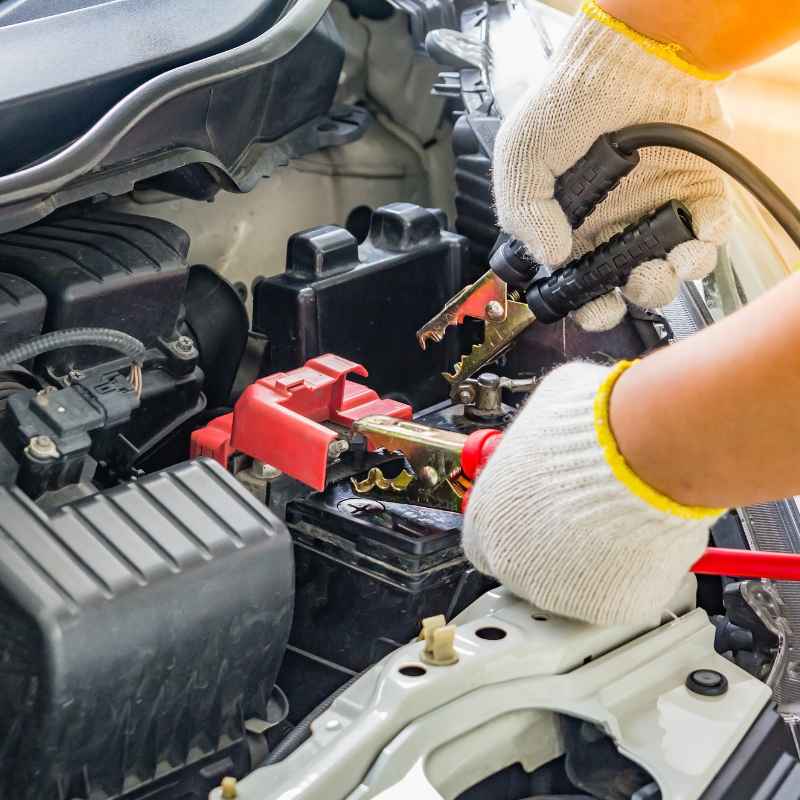
Does Giving Gas Help Jump a Car? What You Should Know
Does giving gas help jump a car when the battery is dead? Many drivers instinctively rev the engine while attempting a jump start, believing it will provide more power to the disabled vehicle. In this post, we explain whether this practice actually helps, what risks it carries, and how to jump start a car the right way every time — see our related guides, Can a Car Jump a Truck? Depends on Gas vs. Diesel and Is It Bad to Idle a Car? What Happens.
Simply put, giving gas (revving the engine) during a jump start provides a small benefit in older cars but is generally unnecessary and can be risky for modern vehicles. Your donor car’s alternator already supplies enough voltage at idle. Pressing the gas too hard can damage sensitive electronics or create dangerous voltage spikes.
Key Takeaways
- Giving gas while jump starting is rarely needed and can harm modern vehicle electronics.
- At idle, a healthy alternator produces sufficient current to jump start most cars safely.
- Revving the engine too high risks voltage spikes that may damage ECUs, sensors, and infotainment systems.
- Following the correct jump start procedure is more important than pressing the accelerator.
- For modern vehicles, a proper battery charger or lithium-ion jump starter is safer than relying on a donor car.
What Does “Giving Gas” Mean When Jump Starting a Car?
Giving gas refers to pressing the accelerator pedal of the donor vehicle while it is connected to the dead car’s battery. The idea is that revving the engine increases the alternator output, sending more electrical current to the dead battery and helping it crank faster.
This practice originated in the era of carbureted engines and simple electrical systems. In those older vehicles, revving the engine did help stabilize voltage and provide a noticeable boost. However, modern cars with electronic fuel injection, sensitive ECUs, and complex electrical architectures respond differently.
- The alternator’s job is to recharge the battery and power electrical loads while the engine runs.
- At idle, a typical alternator produces about 60-80 amps of current, which is more than enough for a jump start.
- Revving to 2000-3000 RPM can increase alternator output to 100-130 amps, but the gain is marginal for jump starting.
- Voltage regulators in modern alternators cap output at around 14.5 volts regardless of RPM.
- The dead battery acts as a massive load; the alternator cannot deliver infinite current no matter how high you rev.
- Many modern cars have smart alternators that communicate with the ECU to manage output dynamically.
- The real bottleneck is often the jumper cables themselves, not the alternator output.
Tip: Use jumper cables with at least 4-gauge thickness and clean, corrosion-free clamps. Thin cables create resistance that limits current flow regardless of engine RPM.
According to SAE International, alternators in modern passenger vehicles are designed to maintain stable output between idle and redline. The voltage regulator ensures that the electrical system sees a consistent voltage, protecting sensitive components. Revving the engine does not bypass this regulation.
Does Giving Gas Actually Help Jump a Car?
The short answer is that giving gas while jump starting provides a very small benefit in most cases. In older vehicles with weak alternators or failing voltage regulators, revving the engine could make the difference between a successful start and a failure. But in modern cars manufactured after 2000, the benefit is negligible.
Research from the Battery Council International indicates that 85% of jump start failures are caused by poor cable connections or a battery that is too deeply discharged, not by insufficient alternator output. When a battery is completely dead (below 10.5 volts), the alternator alone cannot restore enough charge to crank the engine. You need a charged battery or a jump starter with sufficient reserve capacity.
| Factor | At Idle (700 RPM) | At 2500 RPM | Does It Help? |
|---|---|---|---|
| Alternator output (typical) | 60-80 amps | 100-130 amps | Small improvement |
| Voltage regulation | 14.2-14.5 V | 14.2-14.5 V | No difference |
| Risk to electronics | Very low | Moderate-to-high | Not worth it |
| Time to start dead car | 30 seconds to 2 min | 20 seconds to 1 min | Minimal gain |
As the table shows, the voltage delivered to the dead battery does not increase with engine RPM. The alternator’s voltage regulator keeps the system stable. The only change is a modest increase in available current, which may help if the dead battery is deeply discharged but still has some residual charge.
Warning: Never rev the donor car’s engine above 3000 RPM during a jump start. Higher RPMs can cause voltage spikes that damage the alternator, the donor car’s ECU, and the dead car’s electronics. Modern vehicles are especially sensitive to voltage fluctuations.
How to Properly Jump Start a Car Step by Step
Following a correct procedure is far more important than whether you press the gas pedal. The steps below reflect best practices from AAA and major automakers.
- Position both cars safely. Park close enough for the jumper cables to reach, but ensure the cars do not touch. Turn off both ignitions and set parking brakes.
- Locate the battery terminals. Identify the positive (+) and negative (-) terminals on both batteries. Clean any corrosion with a wire brush if accessible.
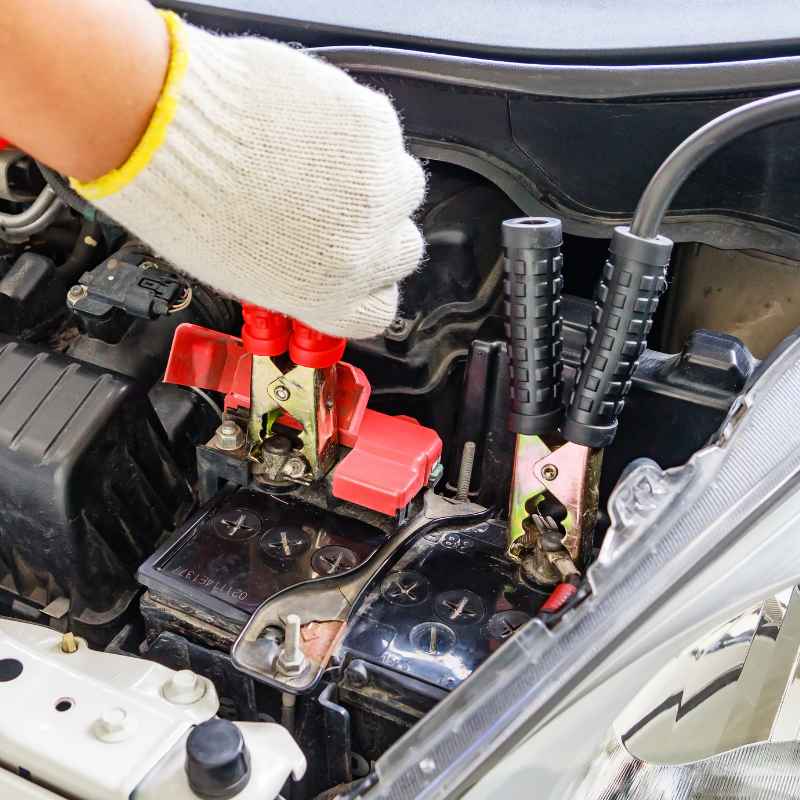
- Connect the red (positive) clamp to the positive terminal of the dead battery first. Then connect the other red clamp to the positive terminal of the donor battery.
- Connect the black (negative) clamp to the negative terminal of the donor battery. Connect the final black clamp to an unpainted metal surface on the dead car’s engine block or frame — not to the negative battery terminal itself.
- Start the donor car. Let it run at idle for 2-3 minutes. This allows the alternator to send a small charge into the dead battery.
- Try starting the dead car. If it does not start after 5 seconds, wait 30 seconds before trying again. Do not crank for more than 10 seconds at a time to avoid damaging the starter motor.
- Disconnect cables in reverse order. Remove the black clamp from the dead car’s ground first, then the black clamp from the donor battery, followed by the red clamps in the same order you connected them.
Important: Connecting the final black clamp to the dead car’s negative terminal can create sparks near the battery, which may ignite hydrogen gas released during charging. Always ground to an unpainted metal surface away from the battery.
After the dead car starts, let both engines run for 10-15 minutes to allow the alternator to recharge the battery. Drive the revived car for at least 20 minutes to restore a meaningful charge.
What Happens If You Give Too Much Gas While Jump Starting?
Giving gas excessively during a jump start can cause several problems, ranging from minor inconvenience to expensive repairs. Understanding these risks helps you avoid costly mistakes.
| Risk | Likelihood | Potential Damage | Estimated Cost |
|---|---|---|---|
| Voltage spike damage | Moderate | ECU, sensors, radio, alternator | $500 – $3,000+ |
| Alternator overload | Low | Blown diodes, failed regulator | $300 – $800 |
| Battery gassing or explosion | Low | Battery rupture, acid spray | $100 – $500 |
| Starter motor stress | Moderate | Overheating, premature failure | $200 – $600 |
The most serious risk is damage to electronic control units (ECUs). Modern cars rely on precise voltage levels to operate sensors, fuel injectors, and infotainment systems. A sudden voltage spike from aggressive revving can fry sensitive circuit boards, leading to expensive repairs that may not be covered by warranty.
Warning: Some modern vehicles have smart charging systems that can be confused by aggressive revving. In some cases, revving the donor car can actually reduce the charging voltage as the ECU tries to compensate. This can make the jump start take longer or fail entirely.
Common Mistakes When Jump Starting a Car
Even experienced drivers make errors during a jump start. Avoiding these common mistakes increases your chances of success and protects both vehicles.
- Connecting cables in the wrong order. Always connect positive first, then negative. Reversing the order can create dangerous sparks near the battery.
- Using damaged or undersized cables. Thin cables with 8-gauge or smaller wire create resistance that limits current. Invest in 4-gauge or 2-gauge cables for reliable performance.
- Allowing cable clamps to touch each other. Keep the metal clamps separated at all times. Accidental contact can create a short circuit that damages both batteries.
- Cranking the dead car too long. Do not crank for more than 10 seconds at a time. The starter motor draws 150-300 amps and can overheat quickly.
- Jump starting a frozen battery. If the battery is frozen (common in extreme cold), attempting a jump start can cause it to explode. Warm the battery first or use a dedicated battery warmer.
- Revving the donor car excessively. As discussed, this adds minimal benefit and introduces real risks. Keep the donor engine at idle or a gentle 1500 RPM at most.
- Skipping the ground connection step. Always connect the final black clamp to an unpainted metal surface on the dead car’s engine block, not to the negative battery terminal.
Tip: If the dead car does not start after three attempts, stop and inspect the connections. Check for corrosion, loose clamps, or a battery that is too deeply discharged to accept a charge from jumper cables alone. In that case, use a battery charger or a jump starter pack.
What Are the Risks of Revving the Engine During a Jump Start?
Revving the engine during a jump start is not without consequences. While a gentle increase to 1500-2000 RPM is generally safe for most vehicles, pushing higher introduces several risks that can turn a simple jump start into a costly repair.
The alternator’s voltage regulator is designed to maintain a stable output across the engine’s operating range. However, when the alternator is forced to deliver high current for an extended period (charging a deeply discharged battery), the internal components heat up. According to Bosch, a leading alternator manufacturer, sustained high-output operation can degrade the alternator’s diodes and voltage regulator over time.
- Voltage spikes: Sudden load changes when the dead car starts can cause the alternator to produce voltage spikes over 16 volts. This can damage the donor car’s ECU, battery management system, and sensitive electronics.
- Alternator overheating: Running at high RPM while delivering maximum current generates heat. If the alternator is already old or weak, this can cause premature failure.
- Battery gassing: Overcharging a lead-acid battery produces hydrogen and oxygen gas. A spark near the battery can ignite this gas, causing the battery to rupture or explode.
- Strain on the donor car’s electrical system: The dead battery acts like a massive electrical load. Running the donor car at high RPM while charging that load can stress the entire charging system.
- False sense of security: Relying on revving to compensate for poor connections or a completely dead battery can waste time and drain the donor car’s battery unnecessarily.
AAA recommends that drivers let the donor car idle for 2-5 minutes before attempting to start the dead car. This allows the alternator to push a small amount of charge into the dead battery without the risks associated with revving. If idling does not work after two attempts, check the cable connections and consider using a jump starter pack instead.
How Modern Cars Handle Jump Starting Differently
Modern vehicles are very different from the cars of the 1980s and 1990s. Jump starting modern cars requires understanding how their electrical systems work and what precautions to take.
Most new cars use a Battery Management System (BMS) that monitors battery state of charge, temperature, and health. The BMS communicates with the alternator to regulate charging voltage and current. When you connect jumper cables, the BMS may not immediately allow full charging current — it takes time to assess the situation.
- Smart alternators decouple from the engine under certain conditions to improve fuel economy. This means the alternator may not be charging at all when the engine is first started.
- Lithium-ion batteries are becoming more common in hybrid and electric vehicles. These batteries require special charging profiles and cannot be jump started using traditional methods.
- Sensitive ECUs can be damaged by voltage spikes that older cars would ignore. Many automakers recommend using a jump starter pack instead of another vehicle.
- Start-stop systems may behave unpredictably during a jump start. The system might shut off the donor engine when it detects the electrical load, making the jump start fail.
- Reverse polarity protection is present in some modern cars, but it does not make incorrect connections safe. A reversed connection can still damage the BMS and alternator.
| Vehicle Type | Jump Starting Compatibility | Special Considerations |
|---|---|---|
| Gasoline (pre-2010) | Fully compatible | Standard procedure works well |
| Gasoline (2010-present) | Compatible with caution | Avoid revving; use jump starter if possible |
| Diesel (all years) | Compatible | May need higher current; dual batteries common |
| Hybrid | Limited | Use designated jump start terminals only |
| Electric (EV) | Not compatible | Requires dedicated 12V battery charging |
For the vast majority of modern gasoline cars, the safest approach is to let the donor car idle, connect the cables properly, and avoid pressing the accelerator. If the dead car does not start after a few minutes of charging at idle, the battery is likely too far gone for a jump start and needs a proper charger or replacement.
Best Practices for a Safe Jump Start Every Time
Following best practices ensures you get the job done safely and efficiently without damaging either vehicle. These guidelines apply to most modern cars and trucks.
- Use quality jumper cables. Buy 4-gauge or thicker cables that are at least 12 feet long. Cheap 8-gauge cables waste time and create unnecessary risk.
- Inspect both batteries. Look for cracks, leaks, or bulging. If either battery shows signs of damage, do not attempt a jump start. Call a professional.
- Keep both cars off during connection. Connect the cables with both ignitions off. This prevents voltage spikes from damaging electronics during the connection process.
- Let the donor car idle for 2-3 minutes. This provides enough time for the alternator to send a small initial charge to the dead battery without revving.
- If idling fails, try 1500 RPM gently. Press the accelerator slowly to raise RPM to about 1500. Do not floor it or hold high RPM for more than 30 seconds.
- Listen for unusual sounds. Whining from the alternator, clicking from the starter, or hissing from the battery are all warning signs. Stop immediately if you hear any of these.
- Drive the revived car for 20-30 minutes. After a jump start, the battery needs sustained charging from the alternator to recover. Short trips will not fully recharge a deeply discharged battery.
Tip: Keep a lithium-ion jump starter pack in your vehicle. These portable devices provide a safe, reliable way to jump start your car without needing a second vehicle. They also eliminate the risks associated with giving gas during a jump start.
Frequently Asked Questions
Should I give gas while jumping a car?
In most modern cars, giving gas is not necessary and can be harmful. Let the donor car idle for 2-3 minutes before attempting to start the dead vehicle. If you must rev, keep it gentle at around 1500 RPM.
Avoid high revs that can create voltage spikes.
Does revving the engine help charge a dead battery faster?
Revving the engine increases alternator current output, but the voltage remains regulated at about 14.5 volts. The battery charges based on voltage, not current, so the charging speed improves only marginally. The risk of damage to electronics far outweighs the small time savings.
Can you damage your car by giving gas during a jump start?
Yes. Revving too high can cause voltage spikes that damage the donor car’s alternator, ECU, and other sensitive electronics. It can also overheat the alternator and stress the starter motor.
Modern vehicles with computer-controlled systems are particularly vulnerable.
How long should I let a car idle before jump starting?
Let the donor car idle for 2-5 minutes with the cables connected before attempting to start the dead vehicle. This allows the alternator to send a small charge into the dead battery, which improves the chances of a successful start without revving.
What is the correct way to jump start a car without giving gas?
Connect the cables in the correct order (positive to positive, negative to ground), let the donor car idle for 2-3 minutes, then try starting the dead car. Do not press the accelerator on the donor vehicle. Disconnect cables in reverse order after the dead car starts.
Final Thoughts
Does giving gas help jump a car? In most cases, the answer is no — the risks outweigh the minimal benefit. Modern alternators provide sufficient current at idle for a successful jump start when the cables are properly connected and the battery is not completely dead. Focus on using quality cables, following the correct procedure, and avoiding unnecessary revving.
For the safest and most reliable results, consider carrying a lithium-ion jump starter pack that eliminates the need for a donor vehicle entirely.
Sponsored / affiliate links. As an Amazon Associate I earn from qualifying purchases. I may earn additional commission from eligible campaigns.
Products related to this article