What Happens If You Don’T Let Your Car Heat Up In Winter?
There’s a common idea that cars need a long time to warm up in winter. However, modern cars often don’t need much idling. Driving gently for a few minutes is usually better than letting the engine sit and run. This helps all parts get oil and reach good working temps faster.
Understanding Cold Starts
Starting your car when it’s freezing outside is a big deal for the engine. Think of oil. It’s like blood for your engine.
When it’s super cold, oil gets thick. It’s like trying to move through molasses. This thick oil doesn’t flow well at first.
The engine needs oil everywhere. It needs it for moving parts. It needs it to stop parts from rubbing.
When the oil is thick, it takes longer to reach all these spots. This means parts might move without enough oil for a short time. That’s not good for them.
Fuel is another thing. In the cold, fuel might not turn into vapor easily. This can make the engine run rough.
It might sputter a bit. The car’s computer tries to fix this. It adds more fuel.
This helps it run smoother. But it can use more gas.
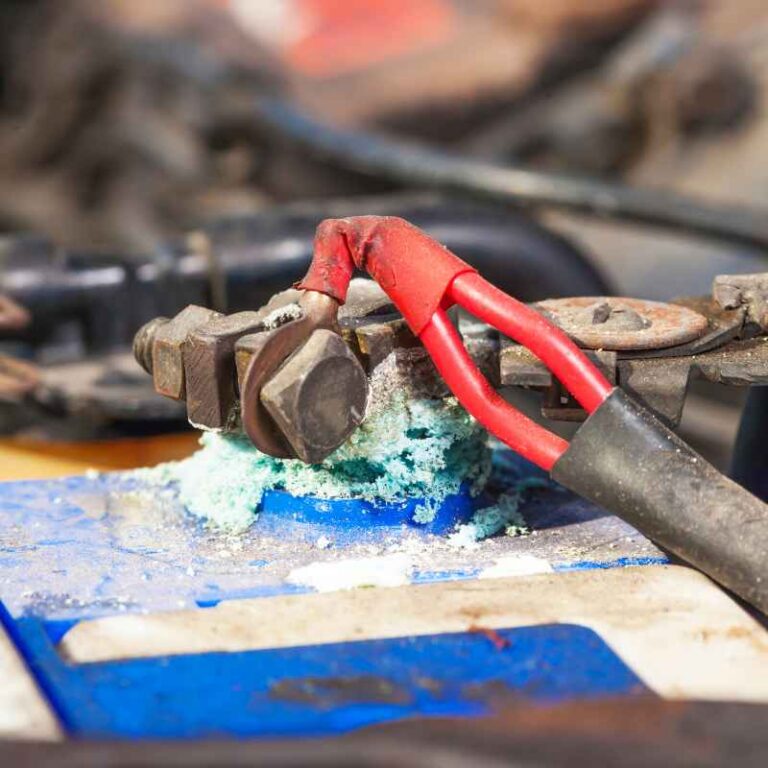
Batteries also feel the cold. Cold makes them weaker. Starting the engine takes a lot of power from the battery.
If the battery is weak from the cold, it might not have enough juice. This is when you can get a “click” sound. The engine tries to turn over but can’t.
My Cold Car Story
I remember one particularly brutal January morning. Snow was falling hard. My alarm went off, and I knew I had a long drive to a client meeting.
I bundled up, grabbed my keys, and headed out to the driveway. My trusty old sedan sat there, buried slightly under a fresh dusting of white.
I slid into the driver’s seat. It was like sitting on an ice block. I turned the key.
The engine coughed, sputtered, and then caught. It sounded rough, like it was clearing its throat. I immediately thought, “Okay, let it warm up.” So I sat there.
I watched the snow pile up. I scrolled through my phone.
I probably let it idle for a good ten minutes. The heater finally started blowing warm air. I felt a little better.
I put the car in drive and pulled out slowly. But the car felt sluggish. It wasn’t responding right.
The steering felt heavy. The brakes felt a bit soft. I was worried I had damaged something.
That was the first time I really understood that maybe just idling wasn’t the best answer. The car felt like it was protesting. It felt like it was unhappy.
I made it to my meeting, but the car felt “off” for the rest of the day. It was a real wake-up call.
Cold Weather Driving Myths vs. Reality
Myth: You MUST let your car idle for 5-10 minutes before driving in winter.
Reality: Modern cars often do better with gentle driving. Excessive idling can waste fuel and lead to engine wear. A minute or two is usually plenty.
Myth: All-season tires are good enough for heavy snow.
Reality: While useful, “all-season” doesn’t mean “all-weather.” For serious snow or ice, winter tires offer much better grip and safety.
Myth: You should run your heater full blast right away.
Reality: Running the heater too soon can put extra strain on a cold engine. It’s better to let the engine warm up slightly first, then turn on the heat.
What Happens Without Warming Up?
Let’s break down what could happen if you skip the warm-up. It’s not always a disaster. But there are things to watch out for.
Engine Wear
The biggest worry is engine wear. When the oil is thick, it can’t protect metal parts as well. These parts rub against each other.
This rubbing can cause tiny scratches. Over time, these scratches get bigger. This means parts don’t fit as snugly.
It can lead to problems.
Imagine trying to run a race with sticky shoes. You wouldn’t move as well. Your muscles might strain.
Your engine is similar. Parts need to move freely. Cold, thick oil makes them work harder and can cause damage.
Fuel System Issues
Fuel can also be tricky in the cold. Some parts of the fuel system might not get the fuel they need right away. This can cause rough idling.
It might even lead to stalling. This is more common in older cars. But it can still happen.
Your car’s computer tries its best to manage this. It adds extra fuel. This helps the engine run.
But if you’re constantly doing this, it’s not ideal. It’s like your body taking a strong medicine every time it feels a little off.
Battery Strain
We talked about batteries. Cold weather is hard on them. Starting the engine takes a lot of power.
If you try to start your car multiple times in the cold, you might drain the battery. This is especially true if the battery is older.
A weak battery can leave you stranded. It’s a common problem in winter. So, understanding your battery’s health is key.
Exhaust System Problems
This is less talked about. But it’s real. When you start your car, it makes water vapor.
In cold weather, this vapor can turn into liquid water. If this water sits in the exhaust pipes, it can cause rust. It can also freeze.
Frequent short trips with no warm-up time mean the exhaust system doesn’t get hot enough to dry out. This can shorten its life. It can lead to rust holes and leaks.
Quick Scan: Cold Weather Engine Parts
| Part | Cold Weather Effect | Why It Matters |
| Engine Oil | Thickens, flows slowly | Parts can wear faster without proper lubrication |
| Battery | Loses power, weaker | Harder to start the engine, risk of not starting |
| Fuel Injectors | Can be slow to deliver fuel | Engine may run rough or stall |
| Exhaust System | Water can condense and freeze | Risk of rust and premature damage |
The Best Approach: Gentle Driving
So, what’s the golden rule? For most modern cars, the best thing is gentle driving. You don’t need to sit and idle for ages.
Start the engine. Let it run for maybe 30 seconds to a minute. This gives the oil a chance to start circulating. It allows the battery to recover a little from the start.
Then, drive gently. Avoid hard acceleration. Don’t push the engine hard. Keep your speeds moderate.
Drive like you’re on eggshells. Your car will warm up faster this way. The oil will reach all the parts that need it.
This is because the engine generates heat much faster when it’s working. Even gentle movement makes it work. Idling creates very little heat.
It’s like trying to warm up your hands by just holding them still in the cold. Moving them around is much better.
This gentle driving helps all the car’s systems get up to their normal working temperatures. The transmission fluid gets warmer. The power steering fluid gets warmer.
The engine itself heats up evenly.
Your Winter Driving Checklist
Before You Go:
- Check tire pressure. It drops in the cold.
- Ensure your windshield wipers are clear.
- Clear all snow and ice from windows and mirrors.
- Test your battery if it’s old.
When You Start:
- Idle for 30-60 seconds.
- Drive gently for the first 5-10 minutes.
- Avoid sudden stops or fast starts.
When Idling Might Be Okay
There are times when a little more idling might be needed. If it’s extremely cold, below 0°F, some extra idling might be helpful. This is especially true if your car has an older engine or a less advanced fuel system.
Also, if your car has been sitting for a very long time, like weeks, a slightly longer idle might be a good idea. This ensures everything is well-lubricated before you put stress on it.
And of course, if you need the heater to defog your windows, that’s a priority. Safety comes first. Let the car run long enough for you to see clearly.
But still, try to get moving as soon as it’s safe.
The key is to avoid long periods of idling. A minute or two is usually fine. Ten or fifteen minutes is often too much.
It wastes fuel. It doesn’t always help the engine as much as driving does.
Specific Car Parts and Cold Weather
Let’s dig a little deeper into how different parts react. Understanding this can help you take better care of your car.
The Battery: A Cold Weakness
Batteries are funny things. They store electrical energy. They use a chemical reaction to do this.
In the cold, that chemical reaction slows down. It’s like trying to do a dance when you’re freezing. Your moves are slower.
A car battery’s strength is measured by CCA, or Cold Cranking Amps. This is how much power it can give when it’s cold. As batteries age, their CCA drops.
So an old battery in the cold is a recipe for trouble.
If your battery is more than three or four years old, get it tested before winter hits. Most auto shops will test it for free. This is a simple check that can save you a lot of hassle.
Coolant: The Unsung Hero
You know coolant keeps your engine from overheating in summer. But it’s just as important in winter. Coolant has anti-freeze in it.
This stops the water in your engine from freezing. If water freezes, it expands. This can crack your engine block.
That’s a huge, expensive problem.
Make sure your coolant is the right mix. Usually, it’s 50/50 coolant and water. This mixture protects your engine down to very low temperatures.
Check your owner’s manual for the exact type and mix.
Tires: Your Connection to the Road
Tires are your only contact with the road. In winter, this connection is fragile. Cold weather makes tire rubber harder.
This reduces grip. It’s like trying to walk on ice with smooth-soled shoes.
Tire pressure also drops when it’s cold. For every 10-degree Fahrenheit drop, tire pressure can decrease by about 1 PSI. Under-inflated tires don’t handle as well.
They can also wear out faster.
Always check your tire pressure at least once a month in winter. The sticker on your driver’s side doorjamb tells you the correct pressure. Remember to check when the tires are cold.
Winter Car Care Tips
- Check your fluids: Coolant, windshield washer fluid (use a winter blend!), and oil.
- Inspect your wipers: Replace them if they streak.
- Keep your gas tank full: A full tank helps prevent moisture from freezing in the fuel line. Aim for at least half a tank.
- Check your lights: Make sure all lights are working.
- Have an emergency kit: Jumper cables, a blanket, flashlight, first-aid kit, and some non-perishable snacks.
What This Means for Your Car’s Lifespan
Does not warming up your car drastically shorten its life? For most modern cars, probably not. Cars are built pretty tough these days.
They have better materials and smarter engine designs.
However, every little bit of stress adds up. If you consistently start your car in sub-zero temperatures and immediately drive it hard without letting the oil circulate, you are likely increasing wear over time. It’s like running a marathon every day without stretching.
Think of it this way: if you could reduce that wear by even 5% over the life of the car, wouldn’t that be worth it? It’s about prolonging the life and health of your investment.
The key is to be mindful. Listen to your car. Feel how it drives.
If it feels like it’s struggling, it probably is. A few extra moments of gentle driving can make a difference. It’s about treating your car with respect.
When to Worry: Signs Your Car Is Unhappy
Most of the time, your car will tell you if something is wrong. You just need to know what to listen for.
Unusual Noises
Do you hear knocking, grinding, or squealing sounds when you start or drive in the cold? These are not normal. They could mean metal parts are rubbing without enough oil.
Or they could indicate a problem with the belts or other components.
A rough or uneven idle is also a sign. If the engine sounds like it’s shaking or hesitating more than usual, pay attention.
Warning Lights
Your dashboard is your car’s communication center. If a warning light comes on – like the check engine light or the oil pressure light – don’t ignore it. Especially in winter, these lights can indicate serious issues.
An oil pressure light is particularly critical. If it comes on, stop driving as soon as it’s safe. It means your engine isn’t getting oil where it needs to go.
Driving with no oil pressure can destroy your engine in minutes.
Performance Issues
Does your car feel sluggish? Is it slow to accelerate? Does it hesitate when you step on the gas?
These could be signs that the cold is affecting the fuel system or other engine components.
If you notice a significant drop in power, or if the car feels “heavy” to drive, it’s worth getting it checked out. This is especially true if these issues started after a cold snap.
Quick Tips for Winter Driving Success
Here are some super simple things you can do. They help your car and make your winter drives much smoother.
- Warm up the defroster first. Turn it on low. Let it run for a minute before you crank up the heat. This clears the windows gently.
- Scrape your car well. Don’t just clear a small peephole. You need to see everywhere. It’s safer for you and everyone else.
- Keep your gas tank at least half full. This prevents condensation in the fuel tank.
- Use a block heater if you have one. Plug it in overnight. This makes starting much easier.
- Slow and steady wins the race. Smooth acceleration and braking are key.
Frequently Asked Questions About Cold Starts
Is it bad to start my car and immediately drive in freezing temperatures?
For most modern cars, driving gently for the first few minutes is better than long idling. This helps oil circulate and engine parts reach their working temperature faster. Avoid hard acceleration and braking during this time.
How long should I let my car idle in winter?
Generally, 30 seconds to a minute is enough for modern cars. This allows oil to start circulating. If it’s extremely cold (below 0°F) or you need to clear windows, a few minutes might be okay, but then drive gently.
Will my car get damaged if I don’t warm it up enough?
Minor wear can occur over time if you consistently drive a cold engine hard. However, modern cars are built to handle cold starts. Significant damage is unlikely from occasional short warm-ups, but it’s not ideal for long-term engine health.
Does warming up my car save gas?
No, letting your car idle for extended periods in the cold actually wastes fuel. Driving gently helps the engine reach operating temperature more efficiently and burns less gas overall compared to prolonged idling.
What if my car struggles to start in the cold?
This often means your battery is weak or dying. Cold weather reduces battery power. Consider getting your battery tested before winter.
Ensure your oil is the correct viscosity for cold weather, as thick oil makes starting harder.
Are there any specific cars that still need a long warm-up?
Older cars, especially those with carburetors instead of fuel injection, might benefit more from a longer warm-up. However, even for these, excessive idling is usually not recommended. Check your car’s owner’s manual for specific advice.
Final Thoughts on Winter Car Care
Taking care of your car in winter is important. It keeps you safe and helps your car last longer. You don’t need to overthink warming up your car.
Gentle driving is often the best way to go.
Listen to your car. Be aware of how it sounds and feels. A little common sense goes a long way.
Your car will thank you for it by running smoothly through the cold months.
Products related to this article
Sponsored / affiliate links. As an Amazon Associate I earn from qualifying purchases. I may earn additional commission from eligible campaigns.