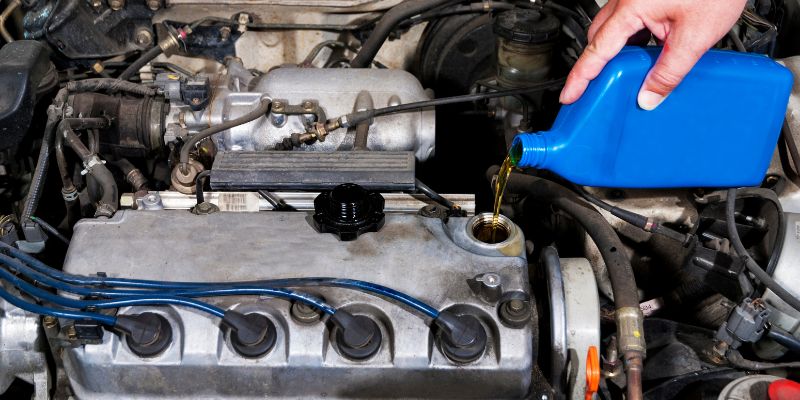
Does Low Oil Cause Your Car to Overheat? A Simple Guide
My old pickup truck started steaming like a kettle on a hot summer day. I panicked, thinking, “Does low oil cause a car to overheat?” After some research and a chat with my mechanic buddy, I learned the answer is a big yes! This article dives into why low oil can make your engine hot, how to spot trouble, and easy ways to keep your car happy. Whether you’re new to cars or a gearhead, I’ve got simple tips, fun examples, and clear answers to keep your ride cool.
What Is Low Oil and Why Does It Matter?
Engine oil is like your car’s lifeblood. It keeps parts moving smoothly and stops them from getting too hot. When oil levels drop, your engine works harder, creating extra heat. This can lead to overheating, which might hurt your car bad. Think of oil as a cool drink for your engine—it needs enough to stay chill!
Low oil happens when you don’t change it enough or if there’s a leak. I once forgot to check my oil for months, and my car started groaning like an angry bear. Keeping oil at the right level is key to a happy engine.
How Low Oil Makes Your Car Overheat
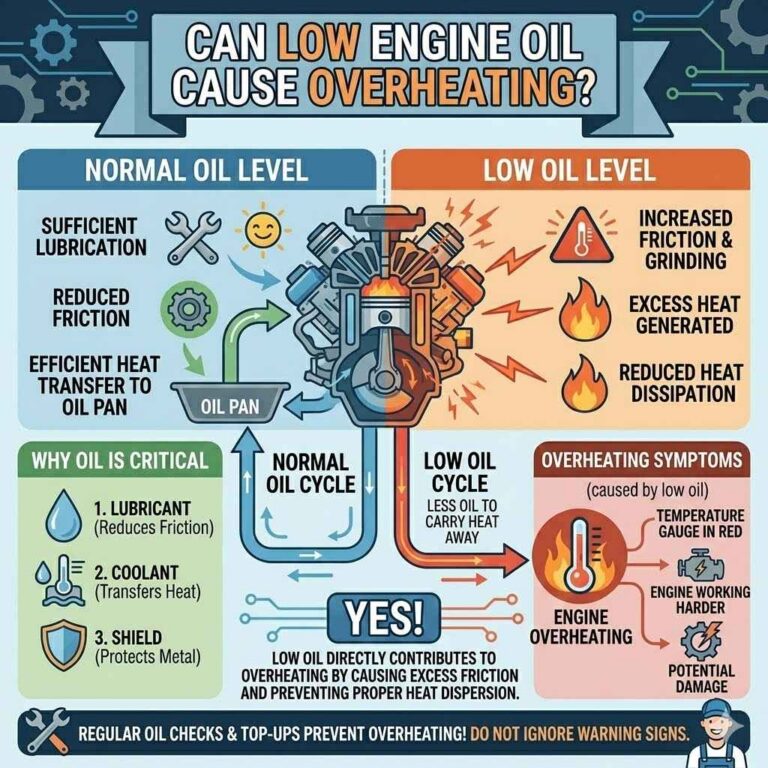
Oil does two big jobs: it lubricates and cools. Without enough oil, metal parts rub together, making heat. This friction can push your engine’s temperature way up. Oil also carries heat away from hot spots, like a fan on a sweaty day. If oil is low, that heat sticks around, and your engine can overheat.
Picture this: I was driving up a hill, and my dashboard lit up like a Christmas tree. My oil was low, and the engine got too hot. A quick oil top-up saved the day, but I learned my lesson!
Signs Your Car Is Overheating from Low Oil
Spotting trouble early can save your engine. Here are signs to watch for:
- Temperature Gauge Spikes: If the needle hits the red zone, pull over.
- Weird Noises: Knocking or ticking means parts are rubbing without oil.
- Burning Smell: Hot oil or metal smells bad—check it out fast.
- Oil Light On: This screams, “I’m thirsty!” Don’t ignore it.
If you see these, stop safely and check your oil. I once smelled burning and found my oil dipstick bone-dry. Not fun!
How to Check Your Oil Level (Easy Steps)
Checking your oil is a piece of cake. Here’s how I do it:
- Park on flat ground and turn off the engine.
- Pop the hood and find the dipstick (check your car’s manual).
- Pull the dipstick out, wipe it clean, and stick it back in.
- Pull it out again and look at the oil level. It should be between the “low” and “full” marks.
I check my oil every month now, and it takes five minutes. If it’s low, I add the right oil type (check your manual for specifics). No tools needed—just a rag and some oil from an auto store.
Tools and Materials Needed
You don’t need much to keep oil levels right. Here’s a simple list:
- Engine Oil: Get the type your car needs (like 5W-30). Costs about $5-$10 per quart.
- Rag or Paper Towel: For wiping the dipstick. Grab some from home.
- Funnel (Optional): Makes pouring oil easier. About $2 at a store.
I keep a quart of oil in my trunk for emergencies. It’s saved me more than once!
Benefits of Keeping Oil Levels Right
Good oil levels keep your car running smooth. Here’s why it’s awesome:
- Cool Engine: Enough oil stops overheating, saving pricey repairs.
- Longer Engine Life: Less friction means your engine lasts longer.
- Better Gas Mileage: A happy engine uses less fuel.
I noticed my truck runs smoother and uses less gas since I started checking oil regularly. Plus, no more scary dashboard lights!
Drawbacks of Ignoring Low Oil
Skipping oil checks is a bad idea. Low oil can:
- Cause overheating, warping engine parts.
- Lead to engine failure, costing thousands to fix.
- Make your car less safe to drive.
I once saw a friend’s car die because they ignored the oil light. Don’t be that person!
Common Mistakes to Avoid
Newbies and pros alike mess up sometimes. Here are mistakes I’ve made (so you don’t):
- Ignoring the Oil Light: It’s not just a suggestion—check it!
- Using the Wrong Oil: Always match your car’s manual. I used 10W-40 instead of 5W-30 once, and my engine groaned.
- Overfilling Oil: Too much oil can cause leaks or damage. Stick to the dipstick marks.
Learn from my flops—check your oil right and often!
My Top Tips to Prevent Overheating
After years of tinkering with cars, here are my go-to tips:
- Check Oil Monthly: Takes five minutes, saves big headaches.
- Change Oil Regularly: Every 3,000-5,000 miles, or as your manual says.
- Watch for Leaks: Puddles under your car? Get it checked.
- Keep Coolant Full: Oil and coolant team up to keep things cool.
I once found a tiny oil leak under my truck. Fixing it early saved me a huge repair bill. Stay on top of it!
Comparison: Oil vs. Coolant in Cooling Your Engine
Oil and coolant both help your engine stay cool, but they’re different. Here’s a quick table to show how:
| Feature | Engine Oil | Coolant |
|---|---|---|
| Main Job | Lubricates and cools engine parts | Absorbs and transfers heat |
| Where It Works | Inside engine | Radiator and cooling system |
| Check Frequency | Monthly | Every few months |
| Cost to Refill | $5-$10 per quart | $10-$20 per gallon |
Table 1: Oil vs. Coolant – How They Keep Your Engine Cool
This table helped me understand why both need checking. I suggest making a simple chart like this for your car’s fluids!
Visual Ideas for Better Understanding
I’d love to show you some visuals, but here are ideas you could sketch:
- Dipstick Diagram: Show a dipstick with “low” and “full” marks to explain checking oil.
- Engine Heat Flow: A simple drawing of oil moving through an engine, carrying heat away.
- Dashboard Warning Lights: A picture of oil and temperature lights to spot trouble.
These could make it super clear for beginners!
Other Ways to Prevent Overheating
Low oil isn’t the only culprit. Here are other things I check:
- Coolant Levels: Low coolant can overheat your engine, too. Check it like oil.
- Thermostat: If it’s stuck, it blocks coolant flow. I had one fail, and my car got hot fast.
- Radiator: A clogged radiator traps heat. Keep it clean.
I combine oil and coolant checks every month. It’s like giving my car a quick health check-up!
Cost-Saving Ideas
Keeping your car cool doesn’t have to break the bank. Try these:
- DIY Oil Checks: Save $20-$50 by checking oil yourself.
- Buy Oil in Bulk: A 5-quart jug costs less per quart than single bottles.
- Catch Problems Early: Fixing a small leak is cheaper than a new engine.
I saved $200 last year by catching a leak early. Small steps add up!
Frequently Asked Questions
Does Low Oil Always Cause Overheating?
Not always, but it’s a big cause. Low oil increases friction, which makes heat. Other issues like low coolant or a bad thermostat can also overheat your car. Check all fluids regularly.
How Often Should I Check My Oil?
Check it monthly. Pop the hood, use the dipstick, and make sure oil is between the marks. It’s quick and keeps your engine happy.
Can I Drive with Low Oil?
Don’t do it! Driving with low oil can overheat your engine and cause big damage. Pull over, check the oil, and add more if needed.
What Oil Should I Use?
Use what your car’s manual says. Most cars take 5W-20 or 5W-30. Check the manual or ask a mechanic to be sure.
How Do I Know If My Car Is Overheating?
Look for warning signs. A high temperature gauge, steam from the hood, or weird smells mean trouble. Pull over safely and check oil and coolant.
Can Low Oil Damage My Engine?
Yes, it can. Low oil causes friction, overheating, and wear. This can wreck parts like pistons or even the whole engine. Regular checks prevent this.
What Else Causes Overheating Besides Low Oil?
Lots of things! Low coolant, a bad thermostat, or a clogged radiator can make your engine hot. Check all systems to keep your car cool.
Conclusion
Low oil can definitely make your car overheat, but it’s easy to prevent with simple checks. I learned the hard way when my truck steamed up, but now I check my oil monthly and keep coolant full. Try checking your oil this weekend—it’s no sweat and saves big trouble. Share your car tips with friends or ask a mechanic for a quick check-up. Keep your ride cool and happy! For more car care tips, check out Firestone Complete Auto Care or NAPA Auto Care.