Why Does My Car Shake When the AC Is On?
Your car shakes when the AC is on because the compressor clutch engages suddenly and puts extra load on the engine, and the idle system isn’t fully compensating for it. Usually the cause is one of five things: a worn engine mount, a failing AC compressor, a dirty throttle body or idle air control valve, a stretched serpentine belt, or low refrigerant forcing the compressor to work harder than it should. Below is how to tell which one you have, what it costs to fix, and how to stop it from coming back.
What’s Happening When Your Car Shakes?
BEST FOR CLEARING A DIRTY THROTTLE BODY OR IAC VALVE
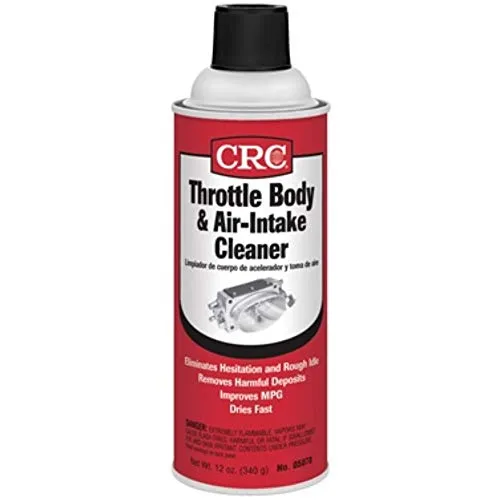 |
CRC Throttle Body and Air-Intake Cleaner – $10.49 A dirty throttle body or idle air control valve is one of the most overlooked causes of shaking when the AC kicks in, and this is the cheapest thing to rule out before paying for a compressor diagnosis.
|
Turning on the AC adds a real mechanical load to the engine. The compressor clutch engages, a pulley starts turning, and the engine has to burn a little more fuel just to hold the same idle speed. Most of the time the engine absorbs that load without you noticing. The shake shows up when something in the chain that’s supposed to soak up or compensate for that extra load isn’t doing its job anymore, whether that’s a rubber engine mount, the idle air control system, or the compressor itself.
Common Causes of Car Shaking When the AC Is On
This symptom shows up across sedans, SUVs, and trucks alike, and it’s almost always one of the following six issues.
Faulty AC Compressor
The AC compressor is the heart of the system, pumping refrigerant through the loop so it can absorb heat from the cabin. A compressor that’s starting to seize internally, or whose clutch bearing is going bad, puts a sudden, uneven drag on the engine every time it cycles on, which you feel as a shake or a light shudder through the whole car. A compressor on its way out will often make grinding, squealing, or clicking noises right when the AC is switched on. If you hear that along with the shake, plan on testing the compressor before you replace anything else.
Worn Engine Mounts
Engine mounts hold the engine in place and absorb the vibration it naturally produces. Rubber mounts harden and crack with age and mileage, and once they’ve lost their cushioning, the engine is free to rock and shake more than it should, especially under the extra torque demand of the AC compressor kicking on. A telltale sign of bad mounts is shaking that gets worse over time and isn’t limited only to when the AC is running, since a failing mount will also let you feel more vibration through the cabin during normal acceleration.
Low Refrigerant Levels
The AC system needs a specific, sealed amount of refrigerant to work correctly. When a slow leak lets that charge drop, the compressor has to run longer and work harder to hit the same cooling target, which increases the load it puts on the engine. Low refrigerant usually shows up alongside warm or weak airflow from the vents, so if the AC feels less cold than it used to at the same time the shaking started, a leak is a likely culprit and it’s worth having the system checked for pressure and leaks rather than just topping it off.
Dirty or Clogged Air Filters
A clogged engine air filter restricts the air the engine needs to make power, so anything that adds load, like the AC compressor, makes that restriction more obvious as a rough idle or shake. A clogged cabin air filter doesn’t affect engine performance directly, but it’s worth checking at the same time since it’s a five-minute job. Engine air filters typically need replacing every 12,000 to 15,000 miles, sooner in dusty conditions.
Issues with the Serpentine Belt
The serpentine belt drives the AC compressor along with the alternator and power steering pump. A belt that’s glazed, cracked, or has stretched past its tensioner’s range of adjustment can slip or flutter under load, and the extra torque demand of the compressor engaging is often exactly what exposes a marginal belt. A belt in this condition usually squeals briefly when the AC first kicks on, in addition to the shake.

Dirty Throttle Body or Faulty Idle Air Control Valve
This is the cause most guides skip, but it’s one of the most common ones. When the AC compressor engages, the engine’s computer is supposed to briefly raise the idle air supply through the throttle body or idle air control (IAC) valve to offset the extra drag, so the idle speed doesn’t drop. If that valve or the throttle body bore is coated in carbon and oil residue, it can’t flow air smoothly, and the idle speed dips and hunts right as the compressor cycles on and off, which feels like a shake or a rough surge. This is worth ruling out before assuming the compressor or mounts are bad, because a $10 can of throttle body cleaner and twenty minutes can fix it, versus hundreds of dollars for a compressor.
Misfiring Engine or Spark Plug Problems
Sometimes the shake isn’t tied to the AC system at all but to the engine itself, and the AC just adds enough load to expose it. Worn or fouled spark plugs can misfire under the added strain of the compressor engaging, producing a shake that’s noticeably worse with the AC on but present at idle even with it off. A scan tool reading a misfire code on one or more cylinders confirms this quickly.
How to Diagnose the Problem
You don’t need a shop visit to narrow this down. Working through these four steps in order will usually point you to one or two likely causes before you spend anything.
Step 1: Listen and Feel
Turn the AC on and pay attention to exactly when the shaking starts. Does it hit the instant the compressor clutch engages, or only after the AC has been running for a few minutes? Is there a grinding, squealing, or rattling noise along with it? The timing and any accompanying noise narrows the list fast: instant shake with a squeal points to the belt or compressor clutch, while a shake that builds after the compressor has been cycling for a while points more toward refrigerant charge or idle control.
Step 2: Check the Idle
Let the car idle in park or neutral with the AC on and watch the tachometer if you have one. A rough or wandering idle that settles down with the AC off usually points to a dirty throttle body, a faulty idle air control valve, or worn engine mounts, since all three make the engine more sensitive to a sudden load change.
Step 3: Inspect the Engine Bay
With the engine off, look at the serpentine belt for cracks, glazing, or fraying, and check the engine mounts for visible tearing or oil-soaked rubber. A firm push or pull on the top of the engine (with it off) that produces more movement than it should is a sign the mounts are worn. If anything looks questionable and you’re not sure what you’re seeing, a mechanic can confirm it in a few minutes on a lift.
Step 4: Get a Professional Diagnosis
If the first three steps don’t point to an obvious answer, a shop can connect a manifold gauge set to check AC system pressure directly, and pull any stored engine codes with a scan tool. That combination usually confirms or rules out a refrigerant leak, a failing compressor, and a misfire in one visit.

How to Fix the Shaking
Once you know what’s causing it, here’s what each fix typically involves and costs.
| Problem | Solution | Estimated Cost |
|---|---|---|
| Faulty AC Compressor | Replace the compressor; usually a professional job. | $500-$1,200 |
| Worn Engine Mounts | Replace the mounts. Doable as a DIY job with basic tools on many vehicles. | $100-$400 |
| Low Refrigerant Levels | Have a shop pressure-test for leaks and recharge the system. | $100-$300 |
| Dirty Air Filters | Replace the cabin and engine air filters. Easy DIY fix. | $20-$50 |
| Worn Serpentine Belt | Replace the belt or adjust tension. | $50-$150 |
| Dirty Throttle Body/IAC Valve | Clean with throttle body cleaner (DIY) or have it serviced. | $10-$40 DIY / $80-$150 pro |
| Misfiring Engine/Spark Plugs | Replace spark plugs or address the misfire with a tune-up. | $100-$300 |
Fixing a Faulty AC Compressor
A failing compressor almost always needs a shop, since the job involves recovering the old refrigerant, swapping the compressor, and evacuating and recharging the system correctly. It’s one of the pricier fixes on this list, but it resolves the shake completely once it’s done and restores full cooling at the same time.
Replacing Engine Mounts
Mount replacement is a common, moderately priced fix. It’s within reach for a confident DIYer on many front-wheel-drive cars, though the engine needs to be supported securely while the old mount comes out, which is why a lot of owners still hand this one to a shop.
Recharging Refrigerant
Low refrigerant needs a shop visit so a technician can find and seal the actual leak, not just add more refrigerant. Recharging without fixing the leak just means the same shake and warm-air symptom comes back within a few months.
Changing Air Filters
This is the cheapest and easiest fix on the list. Both the engine air filter and cabin air filter are sold at any auto parts store and typically swap out in under fifteen minutes with no tools beyond a screwdriver.
Replacing the Serpentine Belt
A new belt is inexpensive and quick to install. If you notice fraying, cracking, or glazing, replace it before it breaks outright, since a snapped belt on most modern engines also takes out power steering and sometimes the water pump at the same time.
Cleaning the Throttle Body or IAC Valve
With the engine off and cool, remove the air intake duct to expose the throttle body, spray a dedicated throttle body and air-intake cleaner onto a shop rag and wipe down the throttle plate and bore, then spray directly into the idle air control passage if it’s accessible. Let it dry for a few minutes before reassembling and starting the car. This is one of the few fixes on this list that costs under $15 and takes less time than a trip to the auto parts store.
Addressing Engine Issues
If worn spark plugs or a misfire are behind the shake, a tune-up usually clears it up. Use the spark plug type and gap specified for your car’s exact make, model, and engine, since the wrong plug can cause misfires of its own.
How to Prevent Shaking in the Future
Once the shaking is fixed, a few habits keep it from coming back.
Regular Maintenance
Stick to the maintenance schedule in your owner’s manual for filter changes and tune-ups. Most of the causes on this list, worn plugs, a clogged filter, a neglected throttle body, are the kind of thing routine maintenance catches before they turn into a shake you can feel.
Keep an Eye on the AC System
Have the AC system inspected every couple of years, especially in a hot climate where it runs almost constantly for months at a time. A quick pressure check catches a slow refrigerant leak long before it’s bad enough to make the compressor work hard enough to shake the car. If your AC also cycles on and off on its own rather than staying on steadily, that’s usually a separate short-cycling issue worth checking too.
Drive Gently
Hard, aggressive driving accelerates wear on engine mounts and belts alike. Easing off the throttle and braking smoothly reduces the mechanical stress those parts absorb over time, which extends how long they last before they need replacing.
Listen to Your Car
Any new noise or vibration is worth checking sooner rather than later. Catching a marginal belt or a slow refrigerant leak early is almost always cheaper than waiting until it takes out something else with it.
When to See a Mechanic
Some causes need professional attention no matter how handy you are. If you’ve already tried the easy fixes, like swapping the air filter and cleaning the throttle body, and the shaking hasn’t improved, it’s time for a shop visit. A trusted mechanic has the pressure gauges and scan tools to confirm a compressor, refrigerant, or misfire issue in a fraction of the time it would take to chase it yourself.
Conclusion
A car that shakes when the AC is on is a common, fixable issue with a wide range of possible causes, from a $10 can of throttle body cleaner to a $1,000 compressor replacement. Working through the diagnosis steps above, listening for noise, checking the idle, and inspecting the belt and mounts, usually points you to the right fix before you spend money guessing. Stay on top of routine maintenance and get the AC system checked every couple of years, and the shake shouldn’t come back.
Frequently Asked Questions
Why does my car shake only when the AC is on?
Your car shakes because the AC compressor puts extra load on the engine the instant it engages. That extra load can expose issues like worn engine mounts, a faulty compressor, a dirty throttle body or idle air control valve, or low refrigerant. Check these components or visit a mechanic for a proper diagnosis.
Can a bad AC compressor cause my car to shake?
Yes. A compressor that’s seizing internally or has a failing clutch bearing puts an uneven drag on the engine every time it cycles on, which feels like a shake or shudder. A mechanic can confirm whether the compressor needs repair or replacement with a pressure test.
Can a dirty throttle body cause my car to shake when the AC is on?
Yes, and it’s one of the most overlooked causes. The throttle body or idle air control valve is supposed to raise idle air to offset the compressor’s load; if it’s coated in carbon deposits, it can’t flow air smoothly, causing the idle to dip and shake right as the AC engages. A can of throttle body cleaner often fixes it.
How much does it cost to fix a car that shakes when the AC is on?
Costs vary widely by cause. Cleaning the throttle body or replacing air filters runs $10-$50, engine mounts or a serpentine belt typically cost $50-$400, and a new AC compressor can run $500-$1,200 installed.
Can I drive my car if it shakes when the AC is on?
You can drive short distances, but it’s not ideal. The shake often points to a problem, like a failing compressor or worn mount, that tends to get worse over time, so it’s worth getting checked soon rather than waiting for it to escalate into a bigger repair.
How often should I check my car’s AC system to prevent shaking?
Have the AC system checked every one to two years, especially if you use it heavily. Regular maintenance, like checking refrigerant levels, cleaning the throttle body, and replacing filters on schedule, prevents most of the causes of shaking before they start.
Products related to this article
Sponsored / affiliate links. As an Amazon Associate I earn from qualifying purchases. I may earn additional commission from eligible campaigns.