Why Is My Car AC Making Noise? Each Sound and Its Likely Cause
A noisy car AC is not always a dying compressor. The sound itself tells you where to look: a squeal usually points at the belt, a rattle at a loose mount or debris, a whine that rises with the fan dial at the blower, and a click at the clutch or a small door motor behind the dash. Carmakers’ own service bulletins show that some of these noises are normal or come from a cheap part, so match the sound before you assume the worst.
Why Is My Car AC Making Noise? Start With When It Happens
| Best Noise-Tracing Tool Pick | |
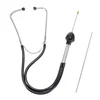 |
BFXM Car Mechanic Stethoscope, Automotive Stethoscope
|
| View Our Pick on Amazon | |
As an Amazon Associate we earn from qualifying purchases. This is a spec-based pick from the product listing, not a hands-on test. Amazon showed it at $7.39 on October 12, 2026; check the current price.
Three quick tests narrow almost any AC noise to one system before you touch a tool. Run them in a parked car with the parking brake on, and keep your hands, hair and loose clothing away from the belts and the cooling fan while the engine is running.
- Press the A/C button on and off at idle. If the noise starts and stops with the button, it comes from the compressor circuit: the clutch, the compressor or the belt load it adds. GM’s bulletin PI1173A on 2011-2013 Buick Regal 2.0L turbo cars describes a rattle or chirp that may be present only when the air conditioner is on.
- Turn the fan dial up and down with the engine off and the key on. If the noise follows the fan speed, it is on the cabin side: the blower motor, its wheel or something stuck in the housing. The compressor and belt are not involved.
- Raise the engine speed slightly with the A/C on. A noise that rises and falls with engine speed, not fan speed, is tied to the belt-driven parts under the hood.
Turning the A/C off is the cheapest test of all. If the noise disappears, it is part of the A/C system. If it stays, you are chasing the belt, a pulley, or something unrelated to the AC. For how the system works, our guide to how a car air conditioner works shows where each part sits.
Common Noises and Their Causes
These are the sounds drivers describe most often. Each section names the likely cause, a safe check and the point where it becomes shop work.
Rattling Sounds
A rattle that appears only with the A/C on usually involves the compressor or the parts that hold it. Two documented examples: the Buick Regal bulletin above (rattle or chirp at idle to 1100 rpm, fixed by replacing the accessory belt tensioner and belt after confirming the noise vanishes with the belt removed), and a 2026 GM bulletin on the Cadillac LYRIQ where the compressor’s upper mount had twisted during assembly and caused noise and vibration whenever the compressor ran.
What you can check yourself: look from above and below for anything loose near the compressor, such as a heat shield, a bracket bolt or a plastic undertray, and look at the front of the condenser for leaves or road debris. Do not run the engine with covers or guards removed. A rattle from the compressor itself, or a rattle together with warm air, is a shop job. Ford’s bulletin SSM 54738 ties rattling, grinding or squealing plus a loss of cooling on some 2023-2025 Escape, Super Duty and Transit models to damaged compressor internals or clutch, and its test is to run the system at full cold with the fan on high and see whether the clutch engages and the compressor is noisy.
Hissing or Whistling Noises
A hiss or whistle is the sound people most often blame on a leak, but the bulletins show a quieter explanation. Acura bulletin 19-014 describes a whistle from the center dash on some 2019-2020 RDX models while the A/C cycles, or a few seconds after the ignition is turned off, caused by vibration in the expansion valve. BMW bulletin SI B64 09 15 describes a very high-pitched whistle or beep from the center vents on some 2 Series, 3 Series and 4 Series cars even with the A/C off, caused by refrigerant flowing through the expansion valve, and warns that the noise is difficult to reproduce. In both cases the cure was a part replacement at the dealer, not a recharge.
A hiss that is constant while you drive, together with air that is no longer cold, is different and points to a leak. Do not open any line or add anything to the system yourself: under the EPA rules, intentionally releasing refrigerant is prohibited and anyone who services a car AC for payment must hold Section 609 certification. To locate a suspected leak without opening the system, see how to find an AC leak in a car. A whistle at the vents with normal cooling can also be airflow noise, so check the cabin filter housing, since a filter change is a known trigger for blower noise (see the growling section below). Our cabin air filter guide covers the interval.
Squealing or Screeching Noises
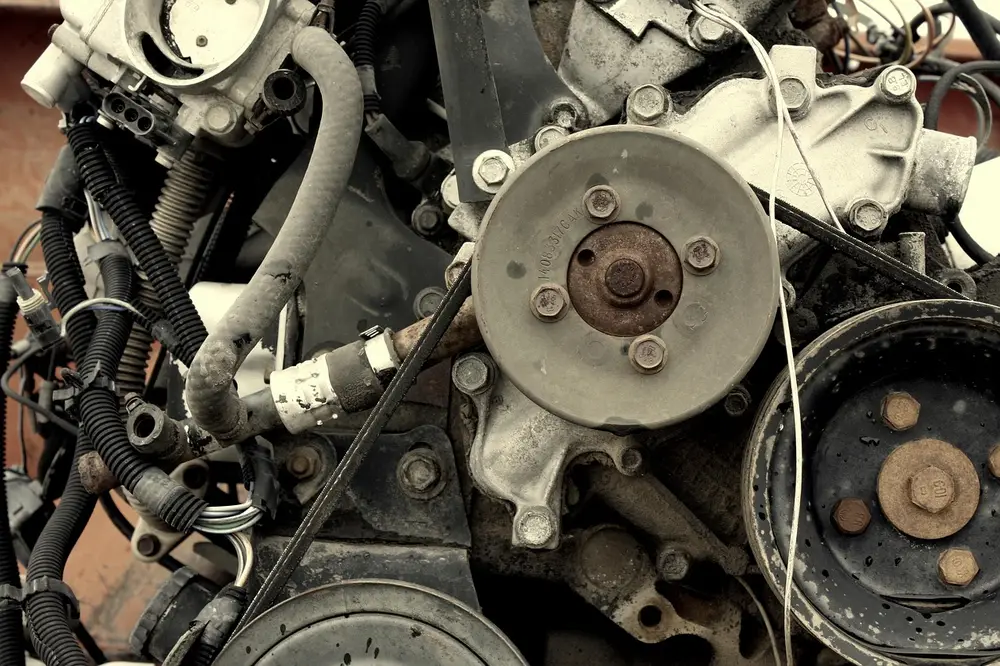
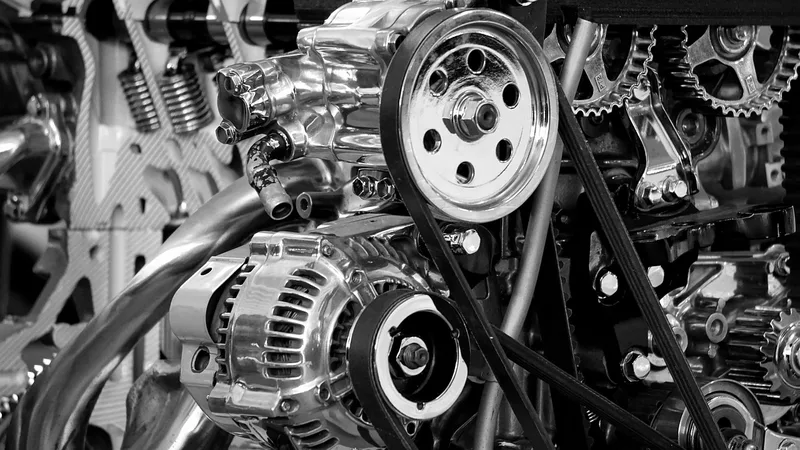
A squeal or chirp that starts when you turn the A/C on is often the added load of the compressor exposing a weak belt, tensioner or pulley. A Stellantis STAR Online record from October 2023 describes belt-related squeal, screech, squeak and chirp noises and says to confirm the belt routing matches the service information before replacing any part. A second Stellantis record adds that a stethoscope or similar tool should be used to find which pulley or tensioner is actually making the noise.
Visual checks are safe with the engine off and the key out: look for cracks, glazing, fraying and oil on the belt, and check that it sits fully in every groove. If the belt looks fine, the tensioner, an idler or the compressor clutch pulley can still be the source, and finding it means listening to a running engine next to moving parts. That part is best left to a shop. Our guide to fixing a squeaking belt covers the belt itself.
Clicking or Tapping Sounds
Two different things click. The first is under the hood: the compressor clutch engaging and releasing as the system cycles. If it clicks on and off very quickly, the cause can be electrical or pressure related, which our article on why a car AC turns on and off covers in depth, and a longer breakdown of the sound is in our clicking noise guide.
The second is behind the dash: small motors that move the temperature and mode doors. GM’s bulletin PIC5786A on the 2013 Cadillac ATS says a faint click or tick with the HVAC on may simply be the temperature actuators moving during normal operation, and the fix was a new HVAC module calibration, not a part. Kia pitstop PS638 describes a ticking or popping blend door on some 2016-2019 Optima cars caused by a black tar-like substance inside the heater and evaporator assembly. If the click is in the dash and follows the temperature dial or the mode selector, suspect a door motor, not the compressor.
Growling, Gurgling, or Rumbling Sounds
Growling and rumbling that gets louder as the fan speed goes up almost always comes from the blower side, and the bulletins agree. Mercedes-Benz topic LI83.10-P-075602 describes noise at higher blower speeds on H243 and H247 models, caused by leaves entering through the water drain grille and unbalancing the blower wheel, and says the blower itself does not need replacing. BMW bulletin SI B64 04 12 describes a howling or vibrating noise from the passenger footwell on 2011-2013 3 Series cars, with debris in the blower housing as the first check. Mazda’s 2025 service alert says debris can fall onto the blower motor during a cabin air filter change and cause a fluttering noise or odor, and to remove and clean the blower if debris is seen.
That makes a noise that began right after a filter change a strong clue. Re-open the filter housing and look for leaves or crumbs of old filter.
Gurgling is harder to pin down, and none of the bulletins we read covers it. Note whether it happens with the heater on, the A/C on, or only when the car stops, and tell the technician. A clogged evaporator drain is one candidate: see our guide to unclogging the AC drain line.
Diagnosing the Problem
The table puts each sound next to its likely cause, the check an owner can do safely, and the point where the job belongs to a shop. The A/C button and fan speed tests above are the first filter.
| Sound | Likely cause | Safe owner check | Shop job |
|---|---|---|---|
| Rattle only with A/C on | Compressor mount or bracket, damaged compressor internals, belt tensioner | Look for loose parts and debris with engine off | Compressor, mount or tensioner diagnosis |
| Whistle or hiss from dash, normal cooling | Expansion valve flow noise (documented on some Acura and BMW models) | Note whether cooling is normal | Valve replacement per bulletin |
| Constant hiss with warm air | Refrigerant leak | Look for oily residue at fittings, engine off | Leak test and repair by a certified technician |
| Squeal or chirp with A/C on | Belt, tensioner, idler or clutch pulley | Inspect belt with engine off and key out | Noise source and part replacement |
| Rapid clicking under hood | Compressor clutch cycling | Watch the pattern and see our cycling guide | Electrical and pressure diagnosis |
| Ticking in dash that follows the temperature or mode dial | Door actuator, sometimes normal operation | Move the dial and listen | Actuator or calibration |
| Growl or flutter that follows fan speed | Debris in blower, worn blower motor | Check the cabin filter housing for leaves | Blower removal and cleaning |
| Moan for about 10 seconds after A/C engages | Low-pressure flex hose (Nissan bulletin, 2016-2018 Altima) | Note when it happens | Hose replacement, not compressor |
A car is also not required to be silent. GM says that when the A/C performance test and pressures are correct, the Colorado compressor noise described in 22-NA-154 is normal, many replaced compressors come back as no trouble found, and a new compressor will not make it quieter.
What Manufacturer Bulletins Say About A/C Noise
These bulletins were read in full from NHTSA-hosted PDFs and apply only to the models named.
| Maker, bulletin | Vehicles | Symptom | Stated cause or finding |
|---|---|---|---|
| GM 22-NA-154 (Aug 2022) | 2019-2022 Chevrolet Colorado, RPO LGZ | Compressor noise, vibration, booming at 1500-2000 rpm | Normal under heavy load; replacing the compressor will not help |
| Nissan NTB18-006 (May 2018) | 2016-2018 Altima 2.5L | Moan for about 10 seconds when compressor engages | Low-pressure flex hose; do not replace the compressor |
| Acura 19-014 (Jul 2019) | 2019 RDX, some 2020 RDX AWD | Whistle from center dash with A/C cycling or after shutoff | Expansion valve vibration |
| Mazda M-Tip update (Jun 2025) | Many Mazda models with a cabin air filter | Noisy blower or odor after a filter change | Debris on the blower motor; remove and clean |
| Mercedes-Benz LI83.10-P-075602 | Some H243 and H247 models | Noise at higher blower speeds | Leaves through the drain grille; blower does not need replacing |
The lesson for owners: describe the sound and when it happens to the shop, and ask whether a bulletin exists for your model before you approve a compressor. You can search by make, model and year in the NHTSA technical service bulletin database.
When to Stop Driving and Call a Professional
Turn the A/C off and have the car looked at soon if the noise comes with warm air, a burning smell, a visibly fraying belt, or a squeal that continues with the A/C off. A seized compressor can make the belt slip, as Ford’s bulletin notes, and on many cars the same belt drives other parts, so check your owner’s manual for what your belt runs. Stop driving and call for help if a warning light comes on, the temperature gauge climbs, or you smell smoke.
Refrigerant work is professional only. The EPA requires anyone who services a car AC for payment to be Section 609 certified and prohibits intentionally releasing refrigerant. Never run the engine with belt guards or covers removed, never reach toward the belt or fan while it runs, and keep children and pets away from the engine bay. If the AC works but is not cold, start with our guide to AC not cold: fixes from cheap to pro.
When you use a mechanic’s stethoscope, touch only stationary parts such as the compressor body or a bracket, use the long extension rod, and keep the tip well away from every moving part. If the loudest point is at a pulley or belt, stop and let a shop find it.
FAQs
Why does my car AC make a rattling noise when I turn it on?
A rattle that starts with the A/C button usually means something loose near the compressor, such as a bracket, mount or shield, or damaged compressor internals. GM and Ford bulletins describe both. Look for loose parts with the engine off, then have a shop check the compressor if it persists or the air is warm.
Is a hissing noise from my car AC dangerous?
A short hiss or whistle behind the dash can be expansion valve noise, which Acura and BMW describe in bulletins. A constant hiss with warm air suggests a refrigerant leak. Do not open lines or release refrigerant yourself, because venting is prohibited under EPA rules. Have a certified technician test for leaks.
Can I fix a squealing AC belt myself?
You can inspect it with the engine off and replace a visibly cracked belt if you are comfortable and know the routing. Finding whether the tensioner, an idler or the clutch pulley makes the noise means working near moving parts, and Stellantis says to confirm routing before replacing anything. When in doubt, have a shop do it.
Why does my car AC make noise only at high fan speeds?
That points to the blower side. Mercedes-Benz, BMW and Mazda bulletins describe leaves or debris in the blower housing or on the motor, sometimes after a cabin air filter change. Check the filter housing for debris, and if the noise remains the blower may need to be removed and cleaned.
Is it normal for the car AC compressor to make noise?
Some noise is normal. GM says compressor noise can rise in high heat and under full A/C load, and replacing the compressor will not reduce it if the system tests correctly. Loud grinding, squealing or rattling together with poor cooling is not normal and should be checked.
Can I keep driving with a noisy AC?
If the noise stops when you turn the A/C off and the car drives normally, you can leave the A/C off until it is checked. If you hear grinding or squealing, or notice a burning smell or warning lights, stop driving and call a professional.
Products related to this article
Sponsored / affiliate links. As an Amazon Associate I earn from qualifying purchases. I may earn additional commission from eligible campaigns.