What Is the Best Gas for Your Car? (Octane Guide)
The best gas for your car is the grade your owner’s manual names, which for many cars is plain regular 87 octane. Premium only pays off when the manual requires it: AAA’s 2016 dynamometer testing found no benefit from premium in cars that only need regular. This guide covers octane, required versus recommended wording, TOP TIER detergent gasoline, ethanol, diesel mix-ups and high-altitude fuel.
Understanding Gasoline and Octane Ratings
Best Gas Can Pick for Your Mower Fuel
|
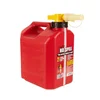
No Spill 1405 2.5 Gallon Gasoline Gas Can This is not a fuel recommendation. Once you know the grade your manual calls for, a small dedicated can keeps that same fuel handy for a mower or other small engine.
|
As an Amazon Associate we earn from qualifying purchases. Spec-based pick from the listing, not a hands-on test.
Octane rating measures a fuel’s ability to resist knocking or pinging during combustion, as fueleconomy.gov puts it. It is not a measure of fuel quality or energy content. U.S. unleaded gasoline typically comes in three grades: about 87 (regular), 88 to 90 (midgrade) and 91 to 94 (premium).
Higher-octane fuel matters for engines that squeeze the air-fuel mixture harder, such as high-compression, turbocharged or supercharged engines. Those engines can knock on low-octane fuel, so the maker specifies a higher grade. An engine designed for regular has no use for the extra knock resistance.
| Pump grade | Typical octane (as posted at the pump) | Who it is for |
|---|---|---|
| Regular | About 87 | Cars whose manual calls for 87 or higher |
| Midgrade | 88 to 90 | Only if the manual names it; many cars do not |
| Premium | 91 to 94 | Cars whose manual requires or recommends premium |
Why Your Car’s Manual Matters
Every maker words its fuel requirement differently, which is why one blanket answer fails. fueleconomy.gov tells drivers to use the octane rating required by the manufacturer, and notes that running a lower grade than required can cause poor running and, over time, engine and emissions damage and a possible warranty problem.
What your manual says: sample wording from maker documents
The table below shows how real maker documents word the requirement. Only the Honda wording is quoted in full; the other rows are summarized from the maker pages named. Always check the exact model year and engine for your own car.
| Maker | Model / year | Fuel requirement wording | Source |
|---|---|---|---|
| Honda | 2024 Civic Sedan, CVT | Unleaded gasoline, pump octane number 87 or higher | Honda 2024 Civic owner’s manual, Fuel Information |
| Honda | 2024 Civic Sedan, manual transmission | Unleaded premium gasoline, pump octane number 91 or higher | Honda 2024 Civic owner’s manual, Fuel Information |
| Ford | F-150 with 3.5L EcoBoost | Regular unleaded with a minimum 87 pump rating; premium 91 or higher recommended for best performance, noticeable in hot weather and when towing | Ford online owner’s manual, fuel quality page |
| Subaru | 2024 WRX | Premium unleaded, 91 octane, listed as required | Subaru 2024 WRX specification sheet |
| Chevrolet | 2017 Corvette | LT1 engine: premium recommended; supercharged LT4 engine: premium required (93 octane) | Chevrolet 2017 Corvette owner’s manual |
Required versus recommended: the wording that costs people money
These two words mean different things, and the difference is where most overspending happens.
- Required: the engine is built for that octane. The Honda manual warns that lower octane can cause persistent, heavy metallic knocking that can lead to engine damage. Treat required as a hard floor.
- Recommended: the engine runs safely on regular, but the maker says higher octane gives better performance. For a case like this, fueleconomy.gov says the choice is really up to you. Expect the gain to show mostly under severe duty such as towing or hot weather.
- Silent: if the manual names only 87 (or says 87 or higher), premium is not the engine’s design target, and AAA’s 2016 results apply.
For one vehicle where regular and premium versions coexist, see does the BMW X3 require premium gas.
Regular vs. Premium Gas: What’s the Difference?
Premium is higher octane, not higher quality. That is AAA‘s own wording from its 2016 research with the Automobile Club of Southern California’s Automotive Research Center. The test ran 87-octane and 93-octane gasoline in vehicles with V-8, V-6 or four-cylinder engines on a dynamometer, measuring performance, fuel economy and emissions, and found no benefit from premium in a vehicle that only requires regular.
The same release estimated that 16.5 million U.S. drivers had used premium despite the manufacturer’s recommendation in the previous 12 months, and put the cost at about $2.1 billion a year. That total is AAA’s own estimate, not a measured figure, and it dates from 2016.
fueleconomy.gov reaches a similar conclusion: in normal driving a premium fuel in a regular-fuel car gives little to no benefit, and the components that raise octane generally cost more to produce, so the cost increase is typically larger than any fuel savings.
When premium can make sense in a car that does not require it
According to fueleconomy.gov, some vehicles may see a slight performance or mileage gain under severe duty, such as towing, and especially in hot weather. That fits the Ford wording in the table above, where premium is recommended but not required. If you want to test it, compare a few tanks on your own driving; do not expect the gain to repay the price gap.
Does Brand Matter When Choosing Gas?
Octane aside, the brand question is really a detergent question. TOP TIER is a fuel performance standard set by automakers; the TOP TIER gasoline brands page lists the licensed retailers. The site names sponsors including Audi, BMW, Ford, GM, Honda, Mercedes-Benz, Stellantis, Subaru, Toyota and VW, and says approved fuels are sold in every octane at participating stations at no added cost.
The gasoline brands list on that page included, among many others, Shell, Chevron, Exxon, Mobil, BP, Sunoco, Valero, Phillips 66, Marathon, Texaco and Costco / Kirkland Signature. The page shows no update date (only a 2026 copyright line), so check the station finder before assuming a particular station qualifies.
Is Top Tier Gas Worth the Extra Cost?
By the standard’s own description there is no extra cost for the TOP TIER label, so the practical test is price at your usual stations. The standard’s cleaning and performance claims come from the program itself; we have not tested them. AAA’s 2016 release suggests drivers who want more than regular should consider TOP TIER gasoline rather than premium, and several automakers, Honda among them in its Civic manual, endorse TOP TIER detergent gasoline where available.
A brand name on its own does not tell you whether a station meets the standard, and a TOP TIER sign does not change the octane your engine needs. Choose the grade from your manual first, then prefer a listed retailer when prices are close.
Ethanol in Gas: E10, E15 and E85
Most U.S. gasoline contains up to 10 percent ethanol (E10), according to fueleconomy.gov, and ethanol itself has a high octane rating of about 109, which is why refiners blend it in. E10 is what a typical pump sells unless the label says otherwise. For a closer look at the pros and cons, read is ethanol fuel good for your car.
What Is E15 Gas, and Is It Safe for My Car?
E15 is gasoline with up to 15 percent ethanol. EPA’s rules allow it for model year 2001 and newer light-duty vehicles and require a pump label that steers older vehicles and other equipment away from it. The label text warns against using E15 in vehicles older than 2001, motorcycles, boats and gasoline-powered equipment such as lawn mowers. Your manual is the final word: the 2024 Honda Civic manual says that car is designed for gasoline with up to 15 percent ethanol. We cover the 88 octane pump grade in detail in can I put 88 in my car.
What about E85?
E85 is a different fuel and belongs only in vehicles built for it; check the manual and the fuel door before using it. See what cars run on E85 for the models involved.
Can the Wrong Gas Hurt Your Car?
Yes, but the severity depends on the mistake. Using a lower octane than a required grade can cause knocking and, over time, engine and emissions damage, per fueleconomy.gov and the Honda manual. Using a higher octane than needed will not hurt the engine; it just costs more.
Diesel and gasoline mix-ups
A fuel mix-up is a different category. AAA says a gasoline car given diesel will stop running after a short time and may need costly parts, while a diesel engine given regular gas should be towed to a shop to have the tank professionally drained. If you realize the mistake before you drive off, the widely repeated shop advice is not to start the engine and to call for a tow. Confirm that with your manual or roadside provider, and check the fuel door label (for example, diesel only or unleaded only) before every fill-up in a car you do not know.
- Stop driving if the engine stumbles, stalls or smells wrong after a fill-up.
- Do not keep running the engine to see whether it clears.
- Tell the shop which fuel went in and roughly how much.
Gas at High Altitude: Why 85 Octane Exists

| Where | Regular grade you may see | What fueleconomy.gov says |
|---|---|---|
| Most of the U.S. | About 87 | Regular is typically about 87 |
| Some high-elevation areas | 85 is sold | Originally allowed partly because it was cheaper; the idea that lower octane is fine at altitude does not hold for modern gasoline engines |
The same page says that unless you have an older carbureted engine, you should use the manufacturer-recommended fuel even where 85 is on the pump. Ford’s online manual for its 3.5L EcoBoost likewise gives a minimum of 87 and notes that some high-altitude stations post regular below 87. If a trip takes you through such an area, fill up with the grade your manual names or move up a grade at the pump.
Gas for High-Performance and Older Cars
High-compression, turbocharged and supercharged engines are the cars that usually require premium. In the table above, the Subaru WRX and the supercharged Corvette LT4 are examples where the maker word is required. Follow it. If the required grade is not available, buy the highest octane you can find, drive gently and refill soon; the Honda manual notes lower octane can cause knocking and reduced performance.
Older cars follow the same rule: use what the manual says. fueleconomy.gov carves out only one exception to the manufacturer’s recommendation, older carbureted engines, where lower octane at altitude was once acceptable. Cars older than model year 2001 should also avoid E15.
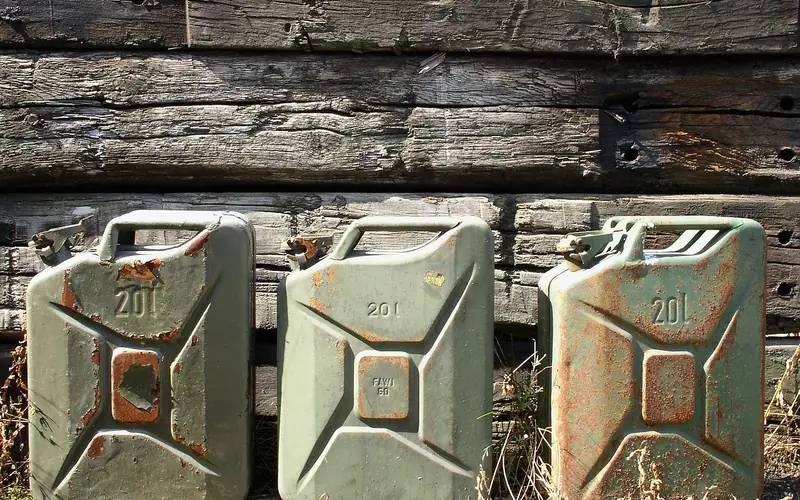
Mowers, generators and other small engines have their own manuals and, per the E15 pump label, should not be fueled with E15. Read the manual for each machine, and keep gasoline for it in a container made for fuel.
Gas and Fuel Economy: What’s the Connection?
Octane does not carry more energy; it resists knock. fueleconomy.gov says the premium-in-a-regular-car habit gives little to no benefit in normal driving, so do not buy it hoping for better mileage. TOP TIER’s own site claims its fuels help restore fuel economy by cleaning deposits, but that claim is the program’s, not an independent test. The reliable savings come from the basics: the right grade, properly inflated tires and steady driving.
How to Pick the Best Gas for Your Car in Four Steps
- Read the manual: find the fuel section and note whether it says required or recommended, and the minimum octane.
- Match the pump: choose the lowest grade that meets your manual’s requirement; pay for premium only if the manual requires it or you tow or drive in heat.
- Check ethanol: use E10 as the default and E15 only if the manual and the pump label both allow it.
- Prefer a TOP TIER retailer when prices are close, and re-check before a trip through high-altitude areas.
FAQs
What happens if I use regular gas in a car that needs premium?
If the manual says premium is required, regular can cause knocking and, over time, engine and emissions damage and a possible warranty problem, according to fueleconomy.gov and the Honda manual. Occasional use in an emergency is a judgment call; check the manual and refill with premium soon.
Is premium gas worth the extra cost?
Not in a car designed for regular. AAA’s 2016 testing found no benefit from premium in vehicles that only require regular, and fueleconomy.gov says the cost increase is typically larger than any fuel savings. It can be worth considering if the manual recommends premium and you tow or drive in hot weather.
Can I mix regular and premium gas?
Mixing grades does not harm the fuel system; the tank simply ends up at an octane between the two. What matters is whether the result meets the minimum in your manual, so a car that requires premium should get premium.
Does top-tier gas really make a difference?
TOP TIER is an automaker-backed detergent standard, and its own site says the fuel is sold at participating stations at no added cost. Its performance and fuel economy claims come from the program, and we have not tested them. Using it is a low-cost choice when a listed station is convenient.
Is ethanol-free gas better for my car?
Not for most modern cars. Most U.S. gasoline contains up to 10 percent ethanol, and some manuals, such as the 2024 Honda Civic’s, say the car is designed for up to 15 percent. Ethanol-free fuel can matter for older equipment or if your manual says to avoid ethanol, so follow the manual.
Conclusion
The best gas for your car is a decision, not a brand: manual first, then the lowest grade that meets it, then a TOP TIER retailer if one is nearby. When in doubt about fuel safety or warranty wording for your exact vehicle, ask a dealer or check the maker’s current manual.
Products related to this article
Sponsored / affiliate links. As an Amazon Associate I earn from qualifying purchases. I may earn additional commission from eligible campaigns.