Does Salt Make Your Car Rust? Unraveling the Truth for Car Owners
Hey there, fellow car enthusiast! If you’re like me, you love your car and want to keep it looking shiny and new for as long as possible. But living in the USA, especially in areas with snowy winters or near the coast, you’ve probably heard the dreaded word: rust. And with that comes the big question—does salt make your car rust? I’ve spent a lot of time digging into this topic, talking to mechanics, and even dealing with a rusty fender or two myself. Let me walk you through everything I’ve learned about salt, rust, and how to protect your ride. Trust me, this is going to be a deep dive, but I’ll keep it simple and engaging so you can understand every bit of it.
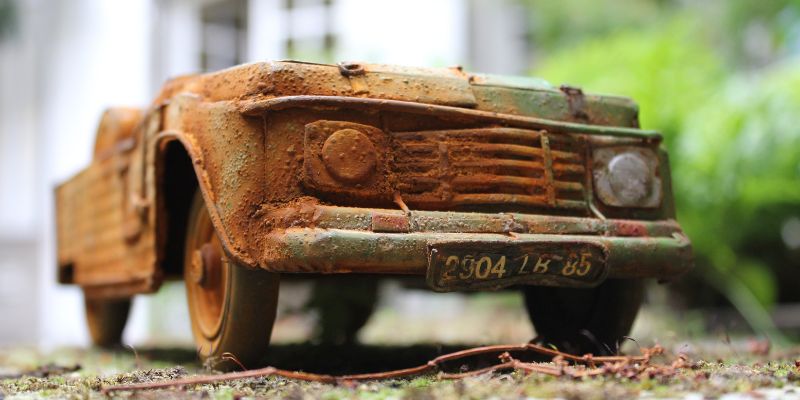
Rust is that reddish-brown enemy that creeps onto your car’s body, making it look old and worn out. It’s not just a cosmetic issue—it can weaken your car’s structure over time. Salt, whether from road de-icing in winter or ocean spray, gets a bad rap for speeding up this process. But how much of it is true? Let’s break it down step by step, exploring what rust is, how salt plays a role, and what you can do to keep your car safe. Buckle up, because we’re going on a rust-busting journey together!
What Is Rust, and Why Should You Care?
Let’s start with the basics. Rust is what happens when iron or steel reacts with oxygen and water. It’s a chemical process called oxidation, and it creates that flaky, reddish stuff you see on metal surfaces. If you’ve ever noticed rust on your car’s undercarriage, wheel wells, or even door seams, you know it’s not pretty. But here’s the kicker—rust doesn’t just ruin your car’s looks. It can eat away at critical parts like the frame or exhaust system, leading to costly repairs.
I remember the first time I saw rust on my old sedan. It was a tiny spot near the wheel well, and I thought, “No big deal.” But a year later, that spot had grown, and I was shelling out hundreds of dollars to fix it. Rust is sneaky like that—it starts small but spreads fast if you don’t catch it early. For us car owners, especially in the USA where road salt is common in winter, understanding rust is the first step to fighting it.
Rust forms when three things come together: metal, oxygen, and water. Your car’s body, made mostly of steel, is already a prime target. Add moisture from rain, snow, or even morning dew, and you’ve got the perfect recipe for trouble. But there’s one ingredient that makes this process even worse—salt. Let’s dive into how that happens.
How Does Salt Get Involved in Rusting?
Now, let’s talk about the main culprit: salt. You might be wondering why salt gets so much blame. Here’s the deal—salt doesn’t directly cause rust, but it’s like a catalyst that makes the rusting process happen faster. When salt mixes with water, it creates a solution that conducts electricity better than plain water. This speeds up the chemical reaction between the metal in your car and oxygen.
Think of it like this: if your car gets wet from rain or snow, it’s already at risk of rusting. Add salt to the mix, and it’s like pouring fuel on a fire. The salt makes the water more corrosive, eating away at your car’s metal surfaces quicker. This is why cars in places like Michigan, New York, or anywhere with heavy snow (and lots of road salt) tend to rust faster than cars in sunny, dry states like Arizona.
I learned this the hard way when I moved from a coastal town to a snowy city. My car was fine near the ocean, but after one winter of driving on salted roads, I started noticing rust spots. It was a wake-up call! Salt can come from different sources, so let’s explore those next.
Where Does the Salt Come From?
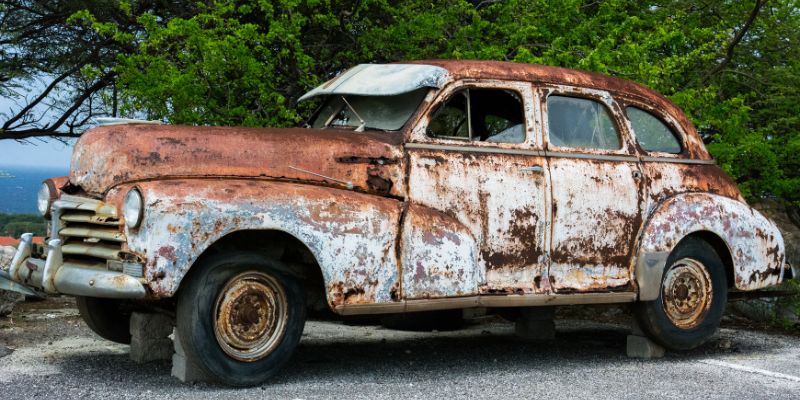
Salt shows up in a couple of sneaky ways, and it’s not just about table salt spilling in your car. Here are the main sources:
- Road Salt: In the USA, especially in the Midwest and Northeast, road salt is used to melt ice and snow during winter. It’s great for keeping roads safe, but it sticks to your car’s undercarriage, wheels, and even the body. If you don’t wash it off, it sits there, quietly eating away at the metal.
- Ocean Air: If you live near the coast, like in California or Florida, the salty air from the ocean can settle on your car. Over time, this salt builds up, especially if you don’t rinse your car regularly.
- Industrial Areas: Some areas have salt in the air from nearby factories or chemical plants. It’s less common, but it can still contribute to rust.
I used to park my car near the beach during summer trips, thinking the salty breeze was harmless. Big mistake! Even a short exposure to salty air can start the rusting process if your car’s protective coating is damaged.
Which Parts of Your Car Are Most at Risk?
Not every part of your car rusts at the same rate. Some areas are more vulnerable because they’re exposed to salt and water more often. Here’s a quick rundown of the danger zones:
| Car Part | Why It’s at Risk |
|---|---|
| Undercarriage | Constantly exposed to road salt, water, and debris. Hard to clean thoroughly. |
| Wheel Wells | Traps salt, mud, and moisture, creating a perfect rusting environment. |
| Seams and Joints | Tiny crevices where water and salt can collect and stay for a long time. |
| Exhaust System | Exposed to heat, moisture, and salt, which accelerates corrosion. |
| Body Panels | Chips or scratches in the paint expose bare metal, inviting rust to form. |
I’ve had to replace a rusty exhaust pipe before, and let me tell you, it wasn’t cheap. The mechanic showed me how the salt had eaten through the metal, leaving holes. That’s when I started paying more attention to my car’s vulnerable spots.
Can Salt Alone Cause Rust?
Here’s a common question I get: can salt cause rust on its own? The short answer is no. Salt needs water to do its damage. Without moisture, salt just sits there, harmless. But in the real world, moisture is almost always present—whether it’s rain, snow, or even humidity in the air. Once salt gets wet, it becomes a problem.
I used to think that a quick drive through a snowy, salted road wouldn’t hurt my car. But even a short trip can leave salt stuck to your car, and if it rains or snows afterward, that salt turns into a corrosive solution. The key is to act fast and not let it sit on your car for too long.
How Does Salt Affect Different Car Materials?
Not all cars are made the same, and different materials handle salt differently. Most car bodies are made of steel, which rusts easily when exposed to salt and water. But some parts, like aluminum wheels or stainless steel exhausts, are more resistant. Aluminum doesn’t rust like steel, but it can still corrode in a different way, forming a white, powdery substance. Stainless steel is pretty tough, but even it can pit or corrode under extreme conditions.
Modern cars often come with protective coatings, like galvanization (a zinc layer) or paint, to shield the steel from salt. But here’s the catch—if that coating gets scratched or chipped, the bare metal is exposed, and rust can start. I once had a small rock chip on my hood that turned into a rust spot because I didn’t fix it in time. Lesson learned!
How Can You Protect Your Car from Salt-Induced Rust?
Alright, now that we know salt is bad news, let’s talk about how to protect your car. I’ve picked up some tips over the years that have saved my cars from serious rust damage. Here’s what works:
- Wash Your Car Regularly: This is the number one way to fight salt. Wash your car every week or two during winter, focusing on the undercarriage and wheel wells. I use a pressure washer to blast away salt from hard-to-reach spots.
- Wax Your Car: A good wax coat acts like a shield, making it harder for salt to stick to the paint. I wax my car twice a year, and it’s made a huge difference.
- Use Rust Inhibitors: There are sprays and coatings you can apply to your car’s undercarriage for extra protection. I’ve used a product called Fluid Film, and it’s like armor for your car.
- Fix Paint Chips Quickly: If you see a scratch or chip, cover it with touch-up paint right away. I keep a small bottle of my car’s exact paint color in the garage for quick fixes.
- Avoid Puddles: Driving through salty puddles can splash more salt onto your car. I try to steer clear of them, especially after a snowstorm.
- Park Indoors: If you have a garage, use it! Keeping your car out of the elements reduces salt exposure. My car stays rust-free longer since I started parking it inside.
I can’t stress enough how much regular washing helps. After one particularly bad winter, I started taking my car to a touchless car wash every two weeks, and the rust spots stopped spreading.
Does the Type of Salt Matter?
You might be wondering if all salt is equally bad. The salt used on roads is usually sodium chloride, but some areas use calcium chloride or magnesium chloride to melt ice. These alternatives can be even more corrosive than regular salt because they’re more effective at melting ice and stay wet longer. That means they cling to your car and keep working their corrosive magic.
I once lived in a town that switched to calcium chloride for de-icing. My car’s undercarriage started showing rust faster than usual, and a mechanic told me it was because calcium chloride is stickier and harder to wash off. No matter the type, the key is to rinse it off quickly.
How Does Climate Affect Salt and Rust?
Where you live in the USA makes a big difference. If you’re in a snowy state like Ohio or Pennsylvania, road salt is a constant threat during winter. Coastal areas like Miami or San Diego have salty air year-round, which is a slower but steady problem. Dry, desert areas like Nevada or Arizona are the safest bets for rust-free cars because there’s less moisture to team up with salt.
I’ve driven in both snowy and coastal areas, and I’ve noticed coastal rust tends to creep up slowly, while road salt in winter hits hard and fast. If you live in a rust-prone area, you’ll need to be extra vigilant about car care.
Can Rust Be Fixed Once It Starts?
If rust has already started, don’t panic—it’s not the end of the world. Small rust spots can be sanded down, treated with a rust converter, and repainted. For bigger problems, like a rusted-out panel or undercarriage, you might need a professional to replace parts. I’ve had a mechanic grind away rust from my wheel wells and apply a new coating, which saved the car from further damage.
The key is to catch it early. Once rust spreads deep into the metal, it’s harder and more expensive to fix. I check my car every few months for rust, especially after winter, to stay ahead of it.
Are Newer Cars Less Prone to Rust?
Good news—modern cars are built with rust in mind. Manufacturers use galvanized steel, better paint, and undercoatings to protect against salt. But no car is rust-proof. If the protective layers get damaged, salt can still do its thing. My newer SUV has held up better than my old sedan, but I still wash it regularly to keep salt at bay.
Some brands, like Toyota or Honda, are known for good rust protection, but even they need maintenance. Luxury cars often have extra coatings, but they’re not immune either. No matter how new or fancy your car is, salt and water can still find a way to cause trouble.
What About Electric Cars?
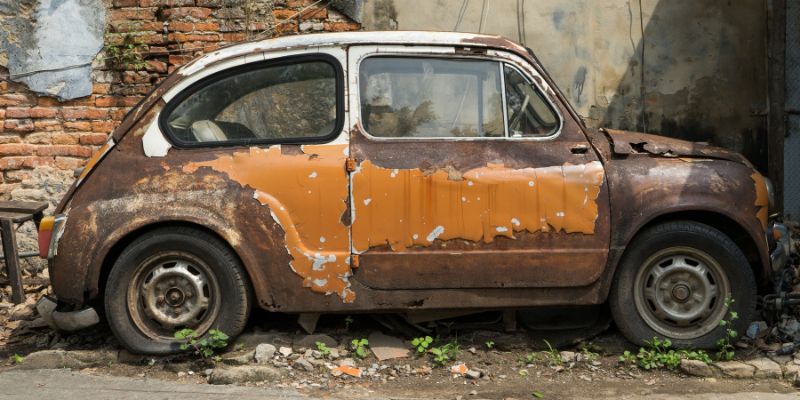
Electric cars (EVs) aren’t that different when it comes to rust. Their bodies are still made of steel or aluminum, so salt can still cause corrosion. The good news? EVs often have fewer exposed metal parts since they don’t have exhaust systems. But the undercarriage and battery housing can still rust if not protected. I’ve seen Tesla owners in snowy states deal with rust just like gas-car owners, so don’t skip the car washes just because you drive an EV.
Conclusion
So, does salt make your car rust? Absolutely, but it’s not the whole story. Salt teams up with water to speed up the rusting process, especially in snowy or coastal areas. From my own experience, I’ve learned that rust is a sneaky enemy, but you can fight it with regular washing, waxing, and quick fixes for paintirono
System: paint chips. I keep a small bottle of touch-up paint in my glove box now, just in case.
Protecting your car from salt-induced rust isn’t rocket science, but it takes diligence. Regular cleaning, especially the undercarriage, is your best defense. Waxing, rust inhibitors, and indoor parking help too. I’ve seen what happens when you ignore salt—my old car’s rusty fenders are proof—so don’t skip these steps. Your car’s longevity depends on it.
If rust has already started, act fast. Sand small spots and use a rust converter, or get professional help for bigger issues. Newer cars have better rust protection, but they’re not invincible. Electric cars face similar risks, so don’t get complacent.
By staying proactive, you can keep your car looking great and running strong for years. It’s like I tell my friends: a little effort now saves you from big repair bills later. So, grab that hose, hit the car wash, and keep salt at bay. Your car will thank you!
Frequently Asked Questions
Does salt cause rust on its own?
No, salt alone doesn’t cause rust. It needs water to become corrosive. Once salt mixes with moisture, it accelerates the rusting process by making water more conductive.
How often should I wash my car in winter to prevent rust?
I recommend washing your car every one to two weeks during winter, especially after driving on salted roads. Focus on the undercarriage and wheel wells where salt collects.
Can rust be prevented entirely?
You can’t prevent rust entirely, but you can slow it down a lot. Regular washing, waxing, and fixing paint chips quickly are your best bets. Indoor parking helps too.
Are some cars more rust-resistant than others?
Yes, newer cars with galvanized steel and better coatings are more rust-resistant. Brands like Toyota and Honda often have good rust protection, but no car is completely rust-proof.
What should I do if I see rust on my car?
For small rust spots, sand them down, apply a rust converter, and repaint. For larger rust issues, like rusted panels, see a professional for repairs or part replacement.